


Home / Journal

Screen Print Journal

Our journal shares practical screen-printing knowledge for South African garment decorators, from frame care to workshop planning. Articles are written for both professional printers and hobbyists who want better, more dependable results.

Screen Print Journal
Why Frame Quality Matters

Why Frame Quality Matters

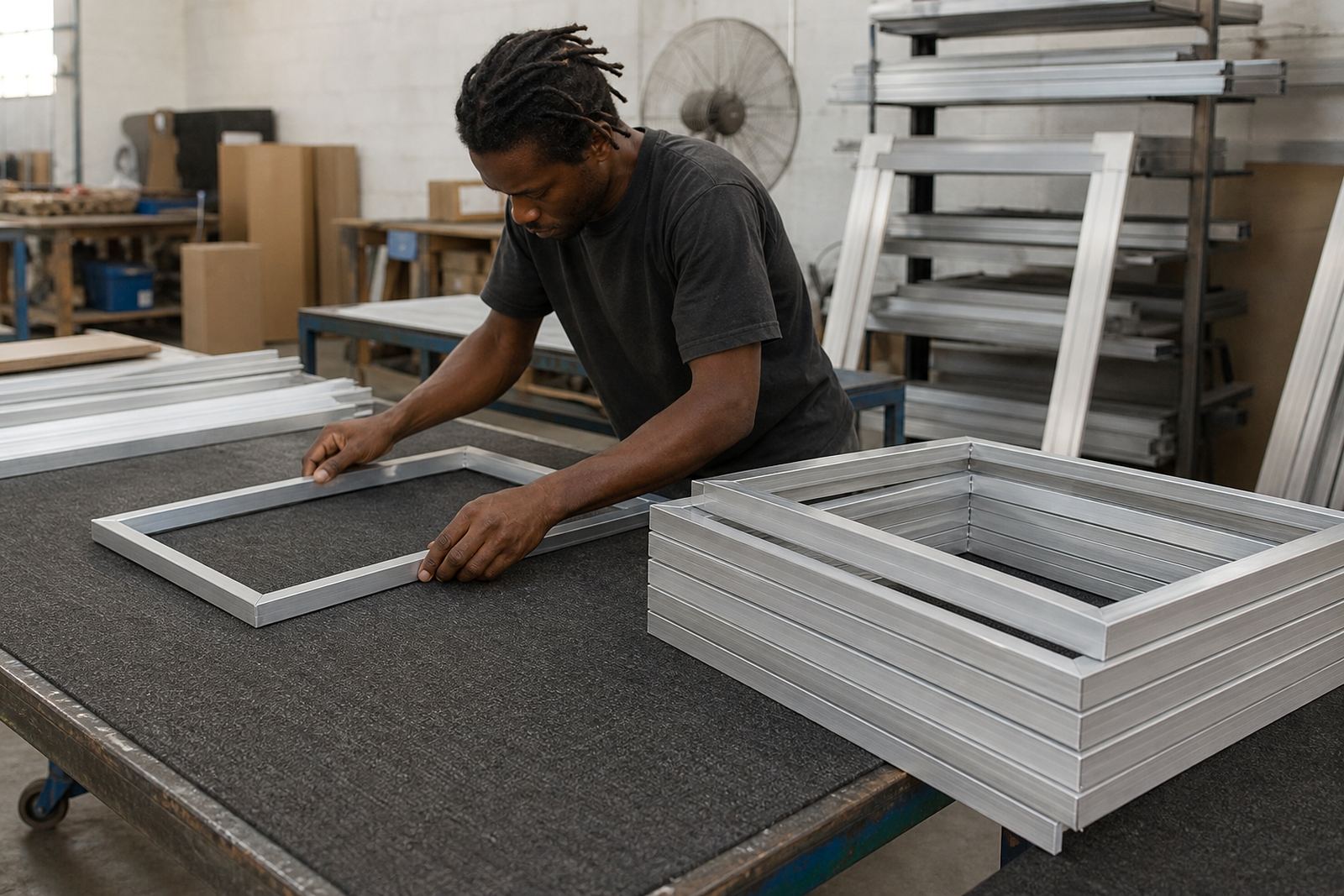
A look at how frame build quality affects print consistency, longevity and workshop confidence.

Choosing First Screen Sizes

Choosing First Screen Sizes

Helpful advice for new printers selecting practical first frame sizes for garment work.

Benefits of Aluminium Frames

Benefits of Aluminium Frames

Why many garment printers prefer aluminium frames for repeat use and reliable handling.

When To Restretch Screens

When To Restretch Screens

Signs that a screen has reached the point where fresh mesh makes more sense.

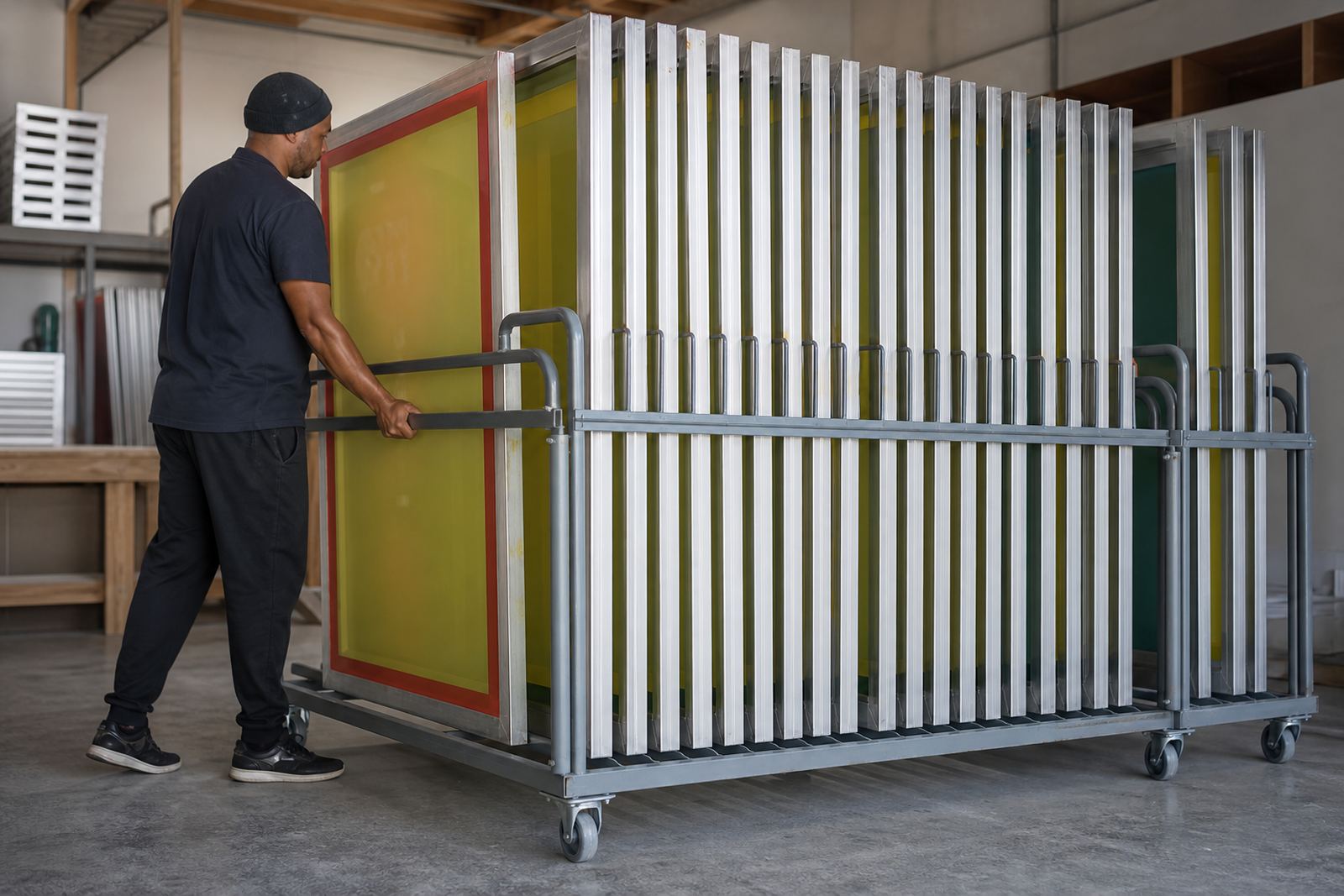
Storing Screens Properly

Storing Screens Properly

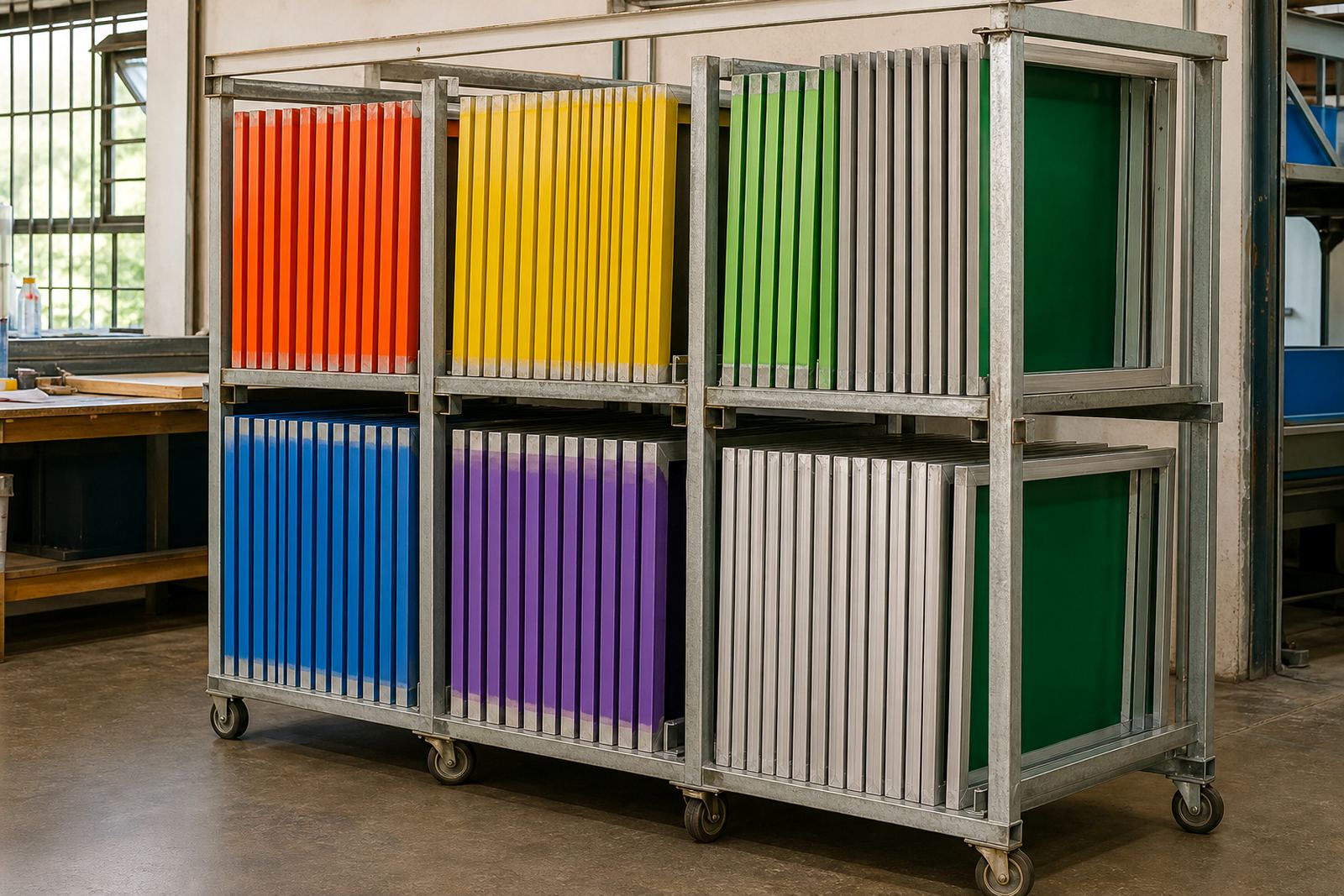
Simple storage habits that reduce damage and help screens stay production-ready.

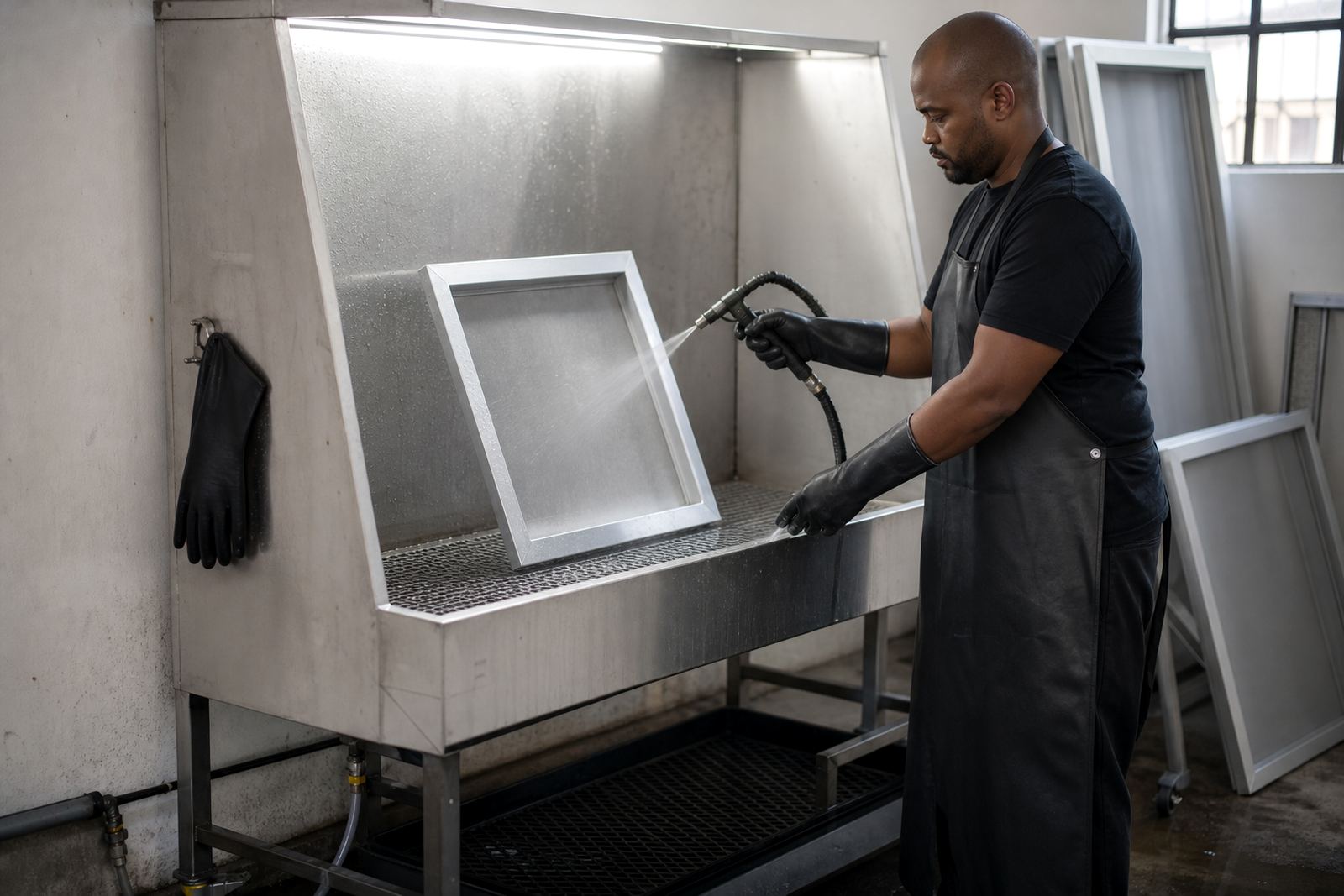
Cleaning Frames After Printing

Cleaning Frames After Printing

Routine cleaning steps that support longer frame life and easier re-use.

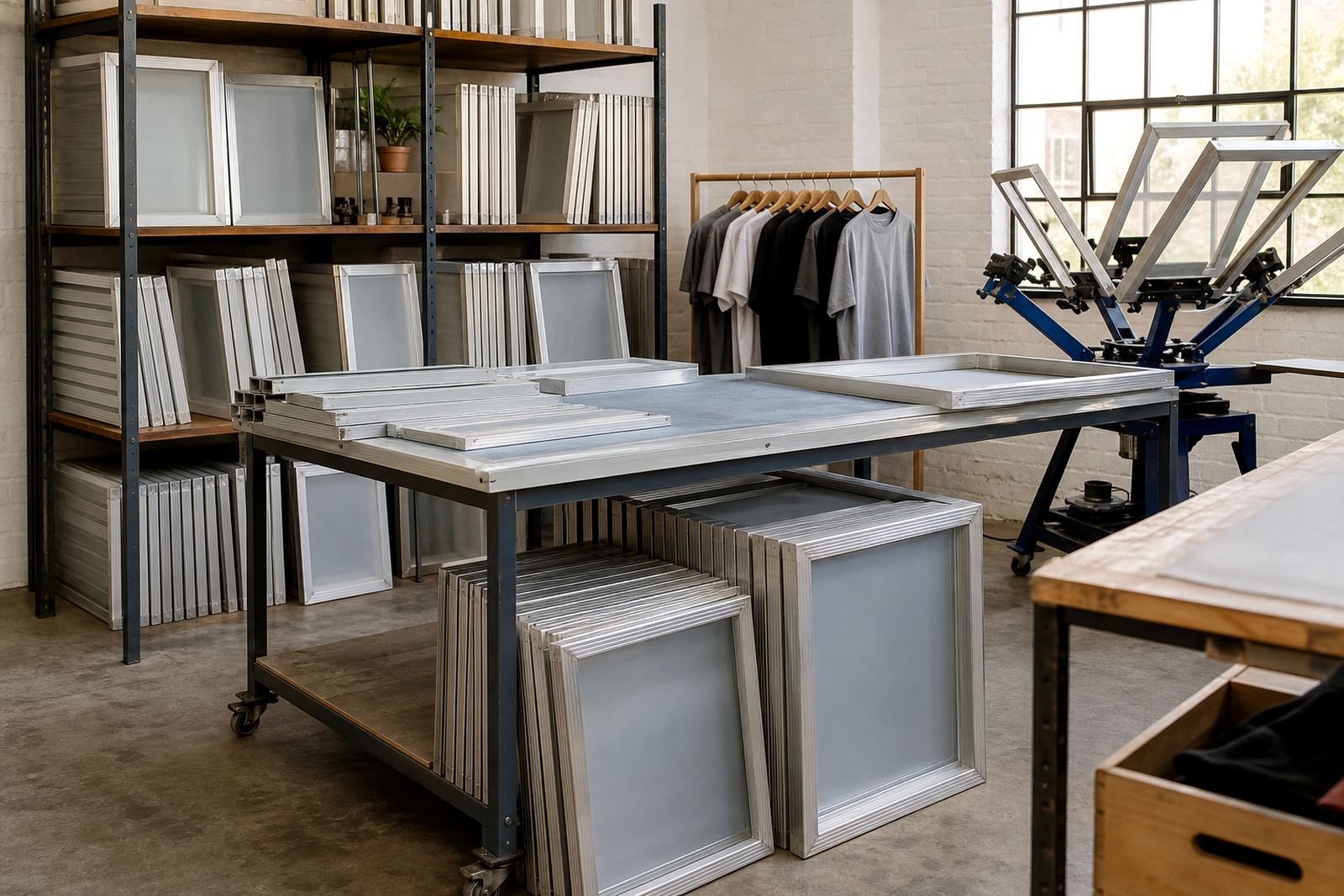
Small Shop Frame Planning

Small Shop Frame Planning

How compact garment printers can build a useful frame mix without overspending.

Sample Room Screen Needs

Sample Room Screen Needs

Which frame sizes help sample teams move from concept to client approval faster.

Manual Press Frame Fit

Manual Press Frame Fit

What to check so frames sit securely and work smoothly on manual presses.

Reducing Screen Downtime

Reducing Screen Downtime

Practical habits that keep production screens available during busy print weeks.

Mesh Tension Basics

Mesh Tension Basics

An easy introduction to why tension matters for cleaner and more repeatable printing.

Screen Size For Hoodies

Screen Size For Hoodies

How to choose frame dimensions for larger hoodie graphics and bulkier garments.

Screen Size For Sleeves

Screen Size For Sleeves

A focused guide to narrow frames for sleeve branding and similar placements.

Avoiding Warped Screens

Avoiding Warped Screens

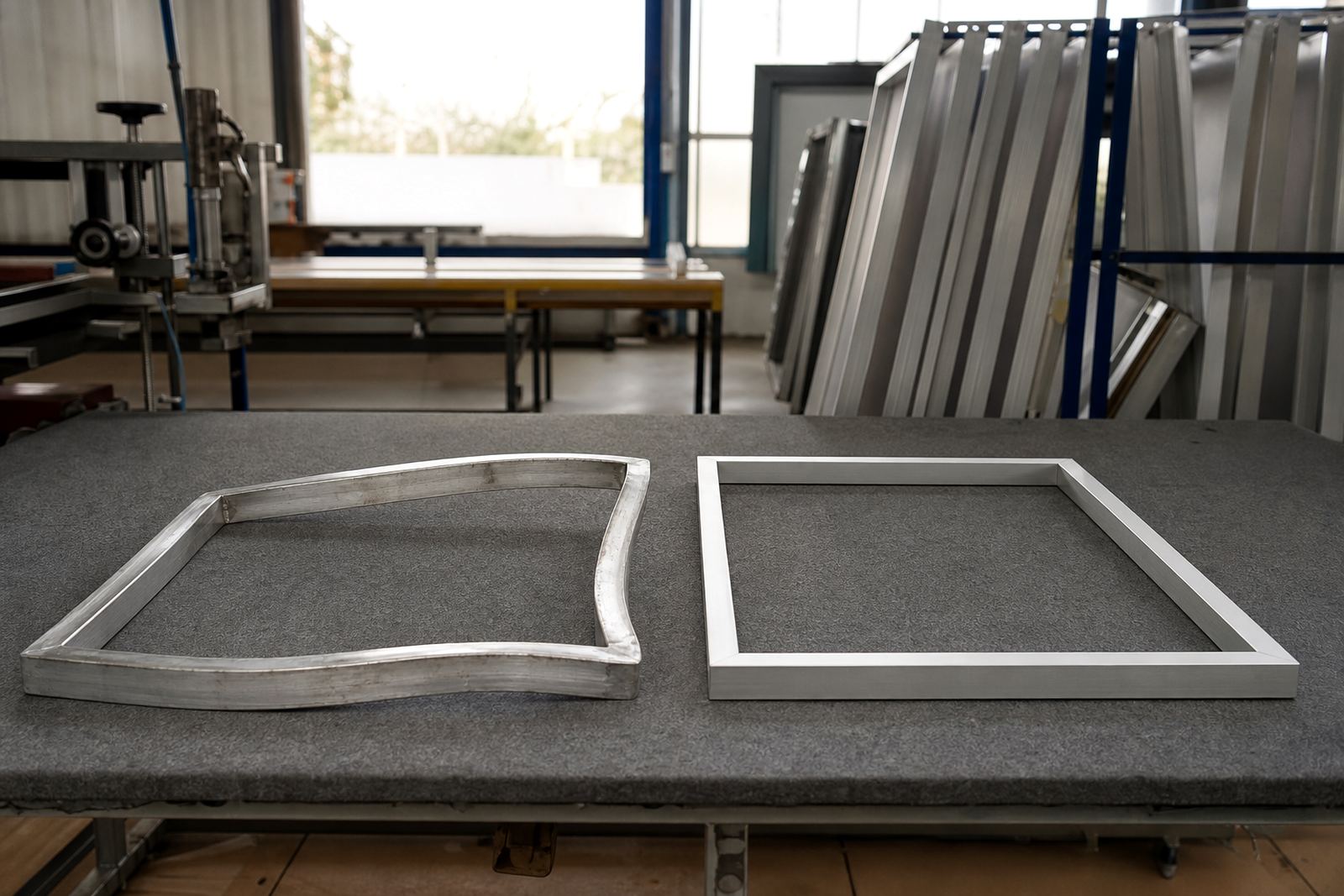
Handling and storage practices that help prevent distortion and frame stress.

Ordering Custom Frame Sizes

Ordering Custom Frame Sizes

What information to gather before requesting a made-to-order aluminium frame.

Trade Printer Frame Rotation

Trade Printer Frame Rotation

Why rotation planning helps contract printers avoid bottlenecks and rushed rework.

Starter Kits For Beginners

Starter Kits For Beginners

A realistic way to think about first purchases if you are new to screen printing.

Screen Care Between Jobs

Screen Care Between Jobs

Quick in-between-job habits that keep screens cleaner and more usable over time.

Using Test Frames Well

Using Test Frames Well

Why small test frames are useful for approvals, ink checks and print experiments.

Frame Sets For Busy Shops

Frame Sets For Busy Shops

How coordinated frame sets support smoother scheduling in active garment workshops.

Planning Seasonal Print Peaks

Planning Seasonal Print Peaks

Frame preparation tips ahead of school, winter and event-driven rush periods.

Frame Inspection Checklist

Frame Inspection Checklist

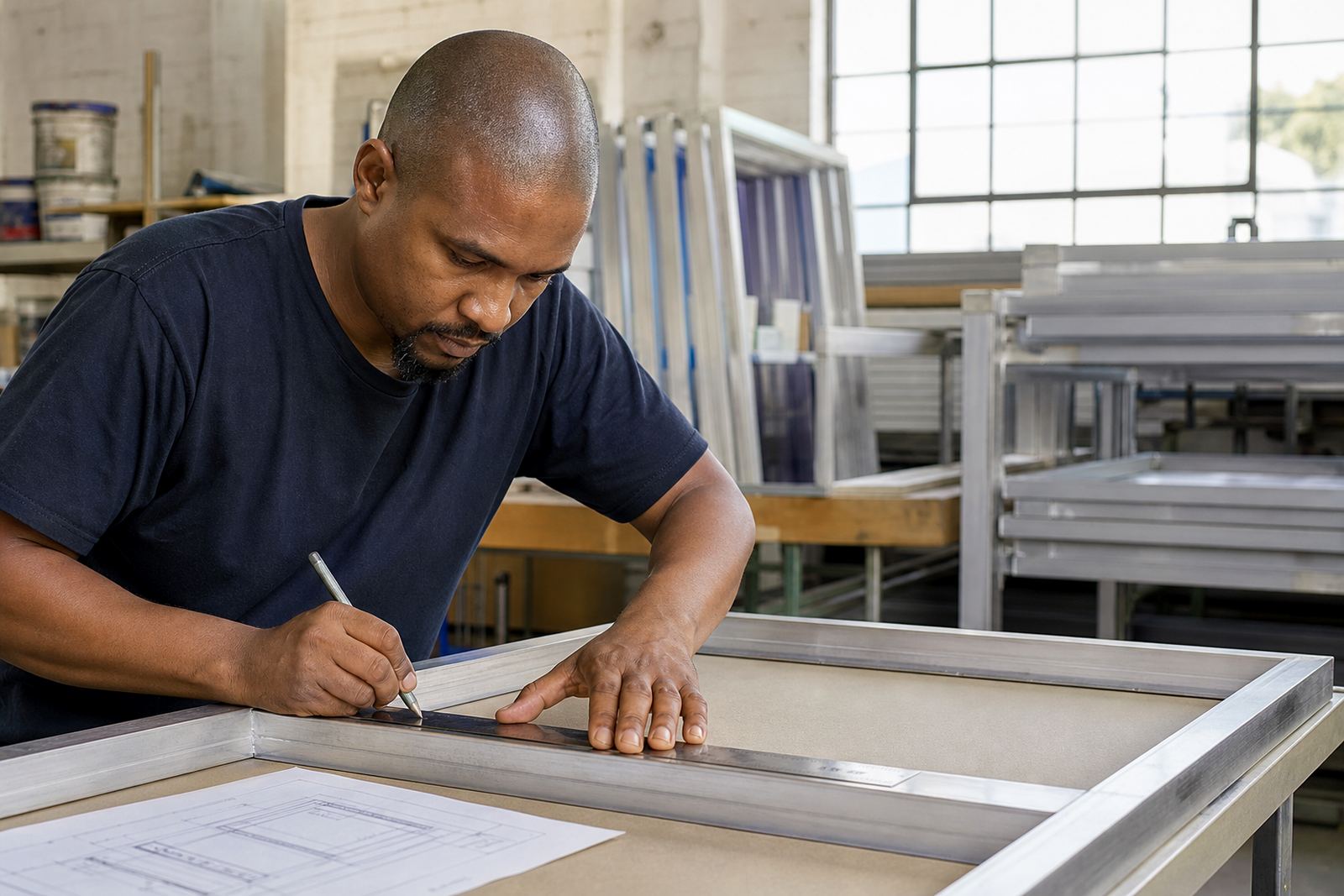
A simple checklist for spotting wear before it interrupts production.

Understanding Profile Thickness

Understanding Profile Thickness

How thicker frame profiles can help on larger and more demanding screen builds.

Faster Turnaround With Spares

Faster Turnaround With Spares

Why keeping spare screens helps shops handle urgent repeat orders with less stress.

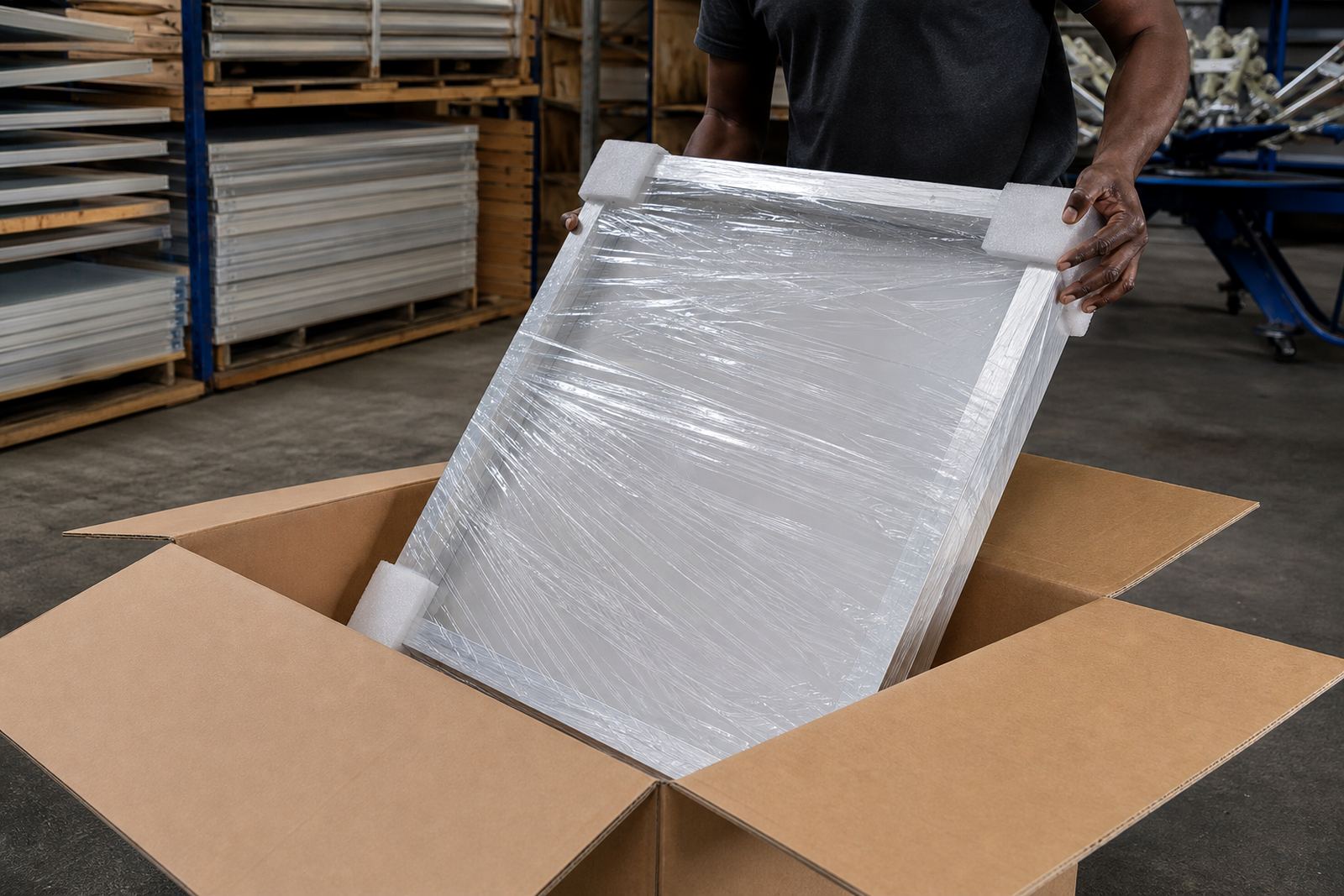
Packing Screens For Courier

Packing Screens For Courier

How screens should be protected for safer long-distance transport around South Africa.

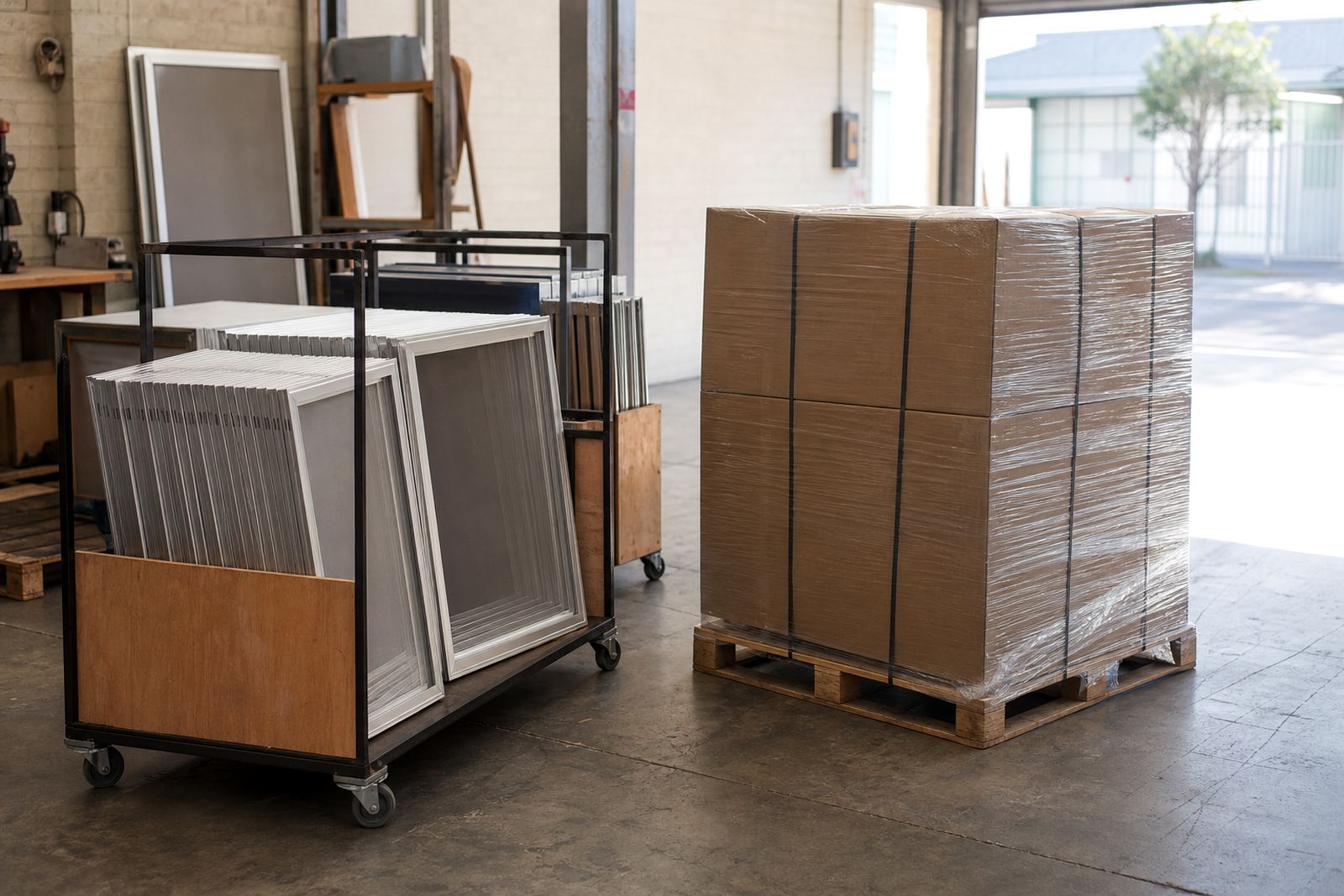
Local Vs National Delivery

Local Vs National Delivery

What printers should consider when planning collections, dispatch and urgent replacements.

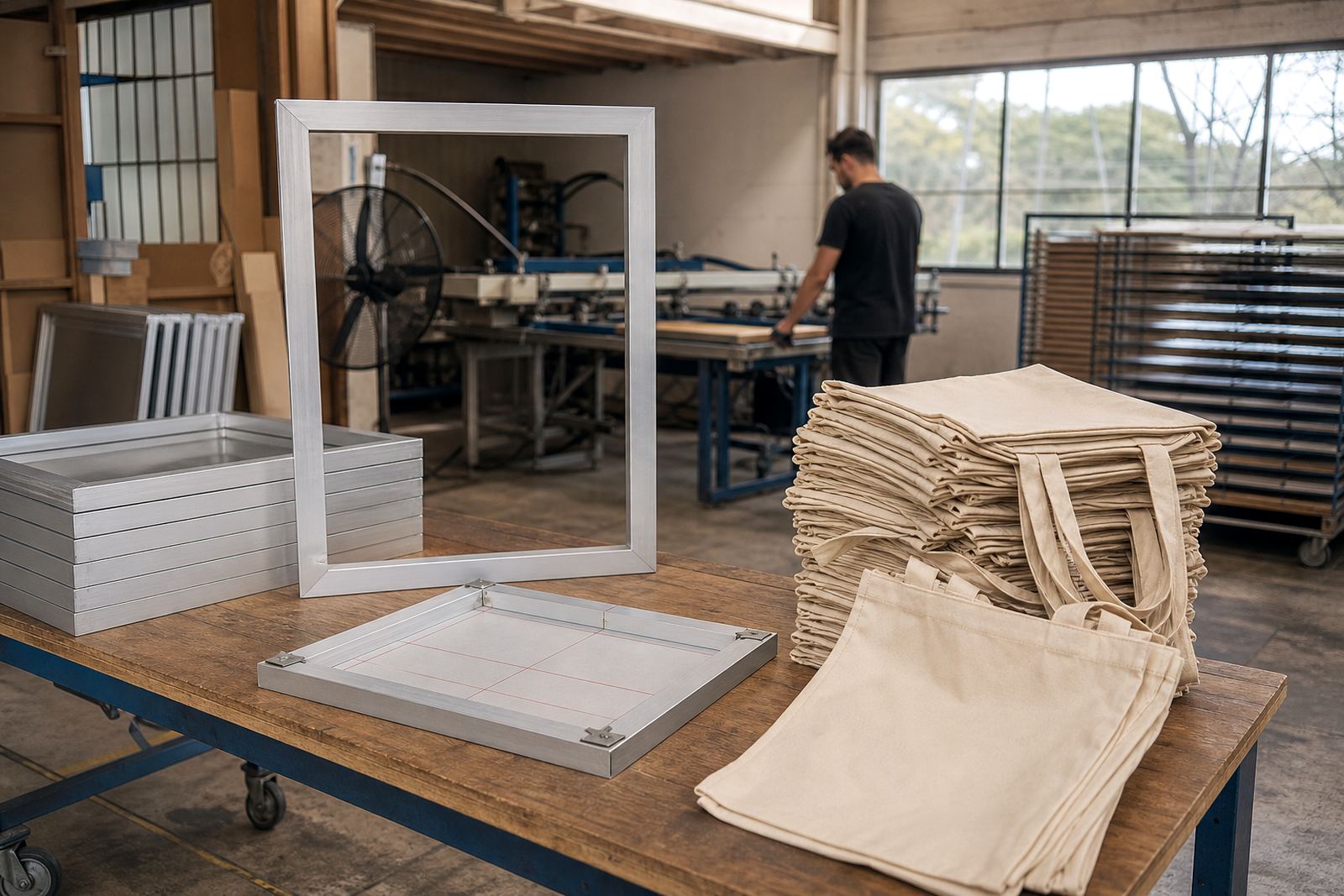
Best Frames For Totes

Best Frames For Totes

How frame shape and size affect tote bag print alignment and ease of use.

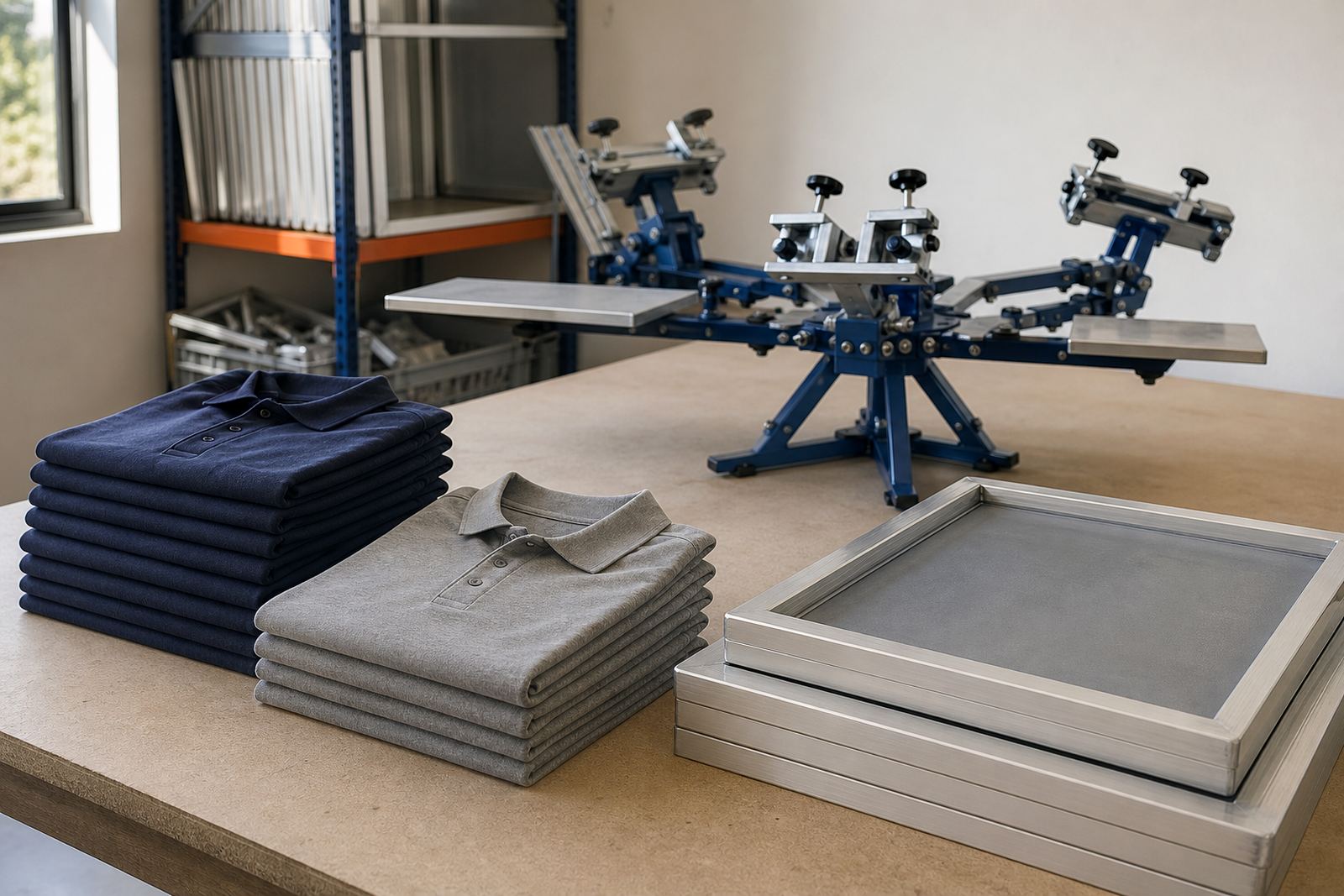
Best Frames For Polos

Best Frames For Polos

Choosing useful frame sizes for chest logos and neat polo shirt placements.

Maintaining Production Consistency

Maintaining Production Consistency

How dependable screens contribute to steadier output and easier reprints.

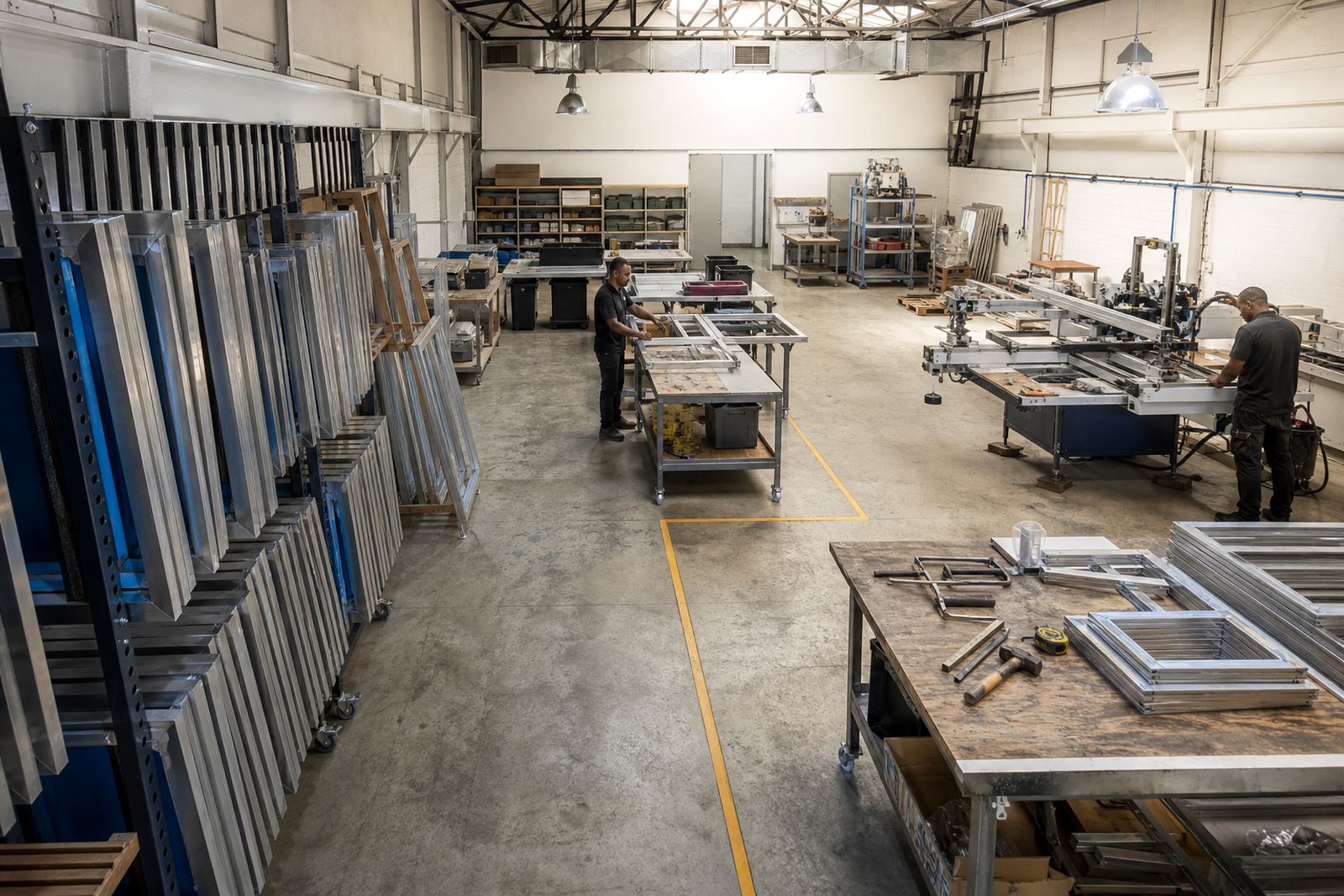
Workshop Layout For Screens

Workshop Layout For Screens

Practical layout ideas for storing and moving screens through a garment print shop.

Screen Choices For Artists

Screen Choices For Artists

Frame considerations for artists balancing detail, flexibility and small edition runs.

Handling Urgent Replacements

Handling Urgent Replacements

How to prepare your frame records so replacements can be ordered quickly.

What Hobbyists Should Buy

What Hobbyists Should Buy

A grounded buying approach for hobby printers who want useful gear without waste.

Signs Your Frames Are Tired

Signs Your Frames Are Tired

Common wear indicators that suggest a frame may need inspection or replacement.

What you will find in this journal

This journal brings together clear, work-ready advice for printers who want better consistency from their screens. The topics range from frame care and mesh handling to turnaround planning, stock control and how to keep production moving when load-shedding or last-minute orders put pressure on the day.

Each article is written with South African conditions in mind, including coastal humidity in Cape Town, long delivery routes between provinces and the realities of garment printing for schools, events and retail ranges. It is practical reading for both experienced printers and newer operators who want dependable results.

  • Frame and mesh care for daily workshop use
  • Stretching methods for different frame sizes
  • Planning for bulk orders and urgent deadlines
  • Advice for hobby printers scaling up slowly

How to choose the right article for your workshop

If you are unsure where to start, begin with the article that matches your current problem. A printer with repeated mesh slack may need tension and inspection advice first, while someone opening a new garment-printing setup may get more value from planning and supply articles. The aim is to save time, reduce waste and help you avoid rework.

Think about your frame size, mesh count and the kind of garments you print most often. Light promotional runs, heavier workwear and fine detail artwork all place different demands on the screen. Choosing the right read can make a real difference to print clarity and screen life.

  • New setups: start with planning and care basics
  • Repeat print issues: look at tension, cleaning and adhesive application
  • Busy production days: choose turnaround and workflow guidance
  • Regional supply needs: check collection and delivery planning tips

Frame care between print runs

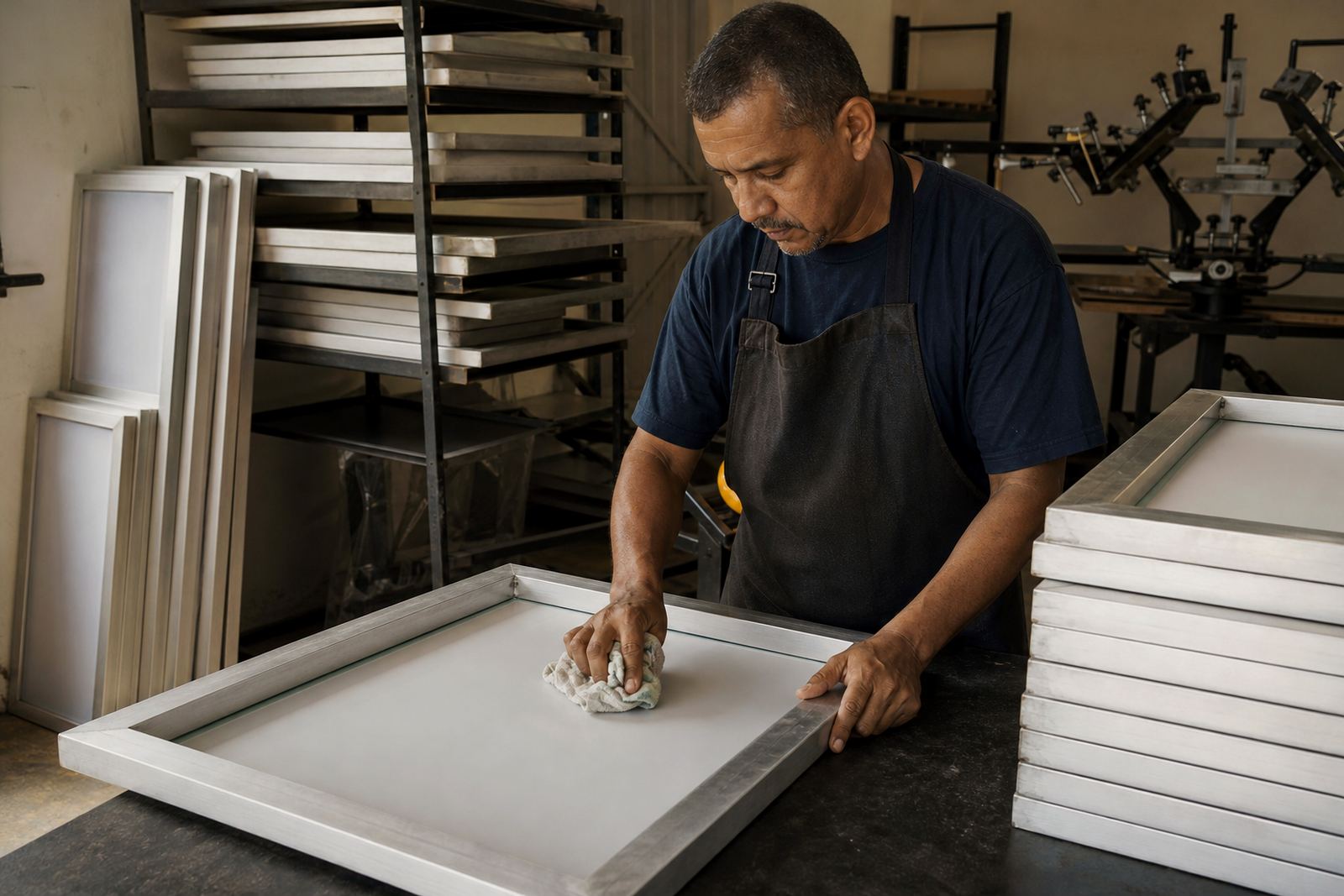
Good frame care is one of the simplest ways to protect output quality. A frame that is cleaned properly and inspected regularly will hold mesh better, release ink more evenly and last longer through repeated use. In humid coastal areas, even short delays in cleaning can leave residue that becomes harder to remove later.

The articles in this section cover mesh removal, frame cleaning, adhesive application and practical inspection routines. They are useful for workshops that stretch screens daily as well as smaller operations that only print on selected days.

Stretching advice for stable print results

Stable tension matters because it affects registration, detail and how cleanly a stencil prints. Poor stretching can lead to wasted ink, blurred edges and screens that need replacing before they should. If your shop handles mixed job sizes, it also helps to understand how custom size stretching changes handling and drying requirements.

Look here for guidance on new screen stretching, restretching existing frames and checking screens before a job goes live. The journal also explains what to watch for when ordering in bulk or planning urgent turnarounds from Maitland to Pretoria.

  • Signs that a screen needs restretching
  • How to judge tension before a print run
  • When custom sizes make more sense than standard frames
  • Why inspections reduce downtime in the workshop

Planning production across South African towns

Printing in South Africa often means working across different towns, delivery schedules and collection points. A shop in Durban may need different stock timing from one in Gqeberha, while a Cape Town printer may balance local collections with deliveries to the northern suburbs and Paarl route. Planning ahead helps keep those orders moving.

These articles look at pickup and return, bulk screen orders and how to organise screens before a busy week starts. They are especially useful when municipal schedules, traffic delays or power interruptions can affect the normal flow of work.

Who this journal is for

The Screen Print Journal is written for professional printers, workshop teams and hobbyists who want dependable, repeatable results. Some readers need help with a single frame, while others are managing regular production for garment decoration across multiple branches or delivery areas. The advice stays practical either way.

Whether you are running a small printing room in Bellville or managing a larger operation that serves Johannesburg, Durban and Pretoria, these articles aim to support better decisions in the workshop. If you need a screen care service or custom stretching, our enquiry form on the contact page is the place to start.

Questions we get asked

What kind of topics does the Screen Print Journal cover?

It covers frame care, mesh stretching, inspections, cleaning, turnaround planning and practical advice for garment printers working in South Africa.

Is the journal useful for hobby printers as well as professionals?

Yes. The articles are written for both, with simple guidance for smaller setups and more detailed workshop advice for busy production teams.

How do I choose the most relevant article?

Start with the issue you are facing now, such as tension problems, frame cleaning or order planning, then read the section that matches your current workflow.

Planning something? Send the team a message.

Contact form