
A frame is part of the print, not just the carrier
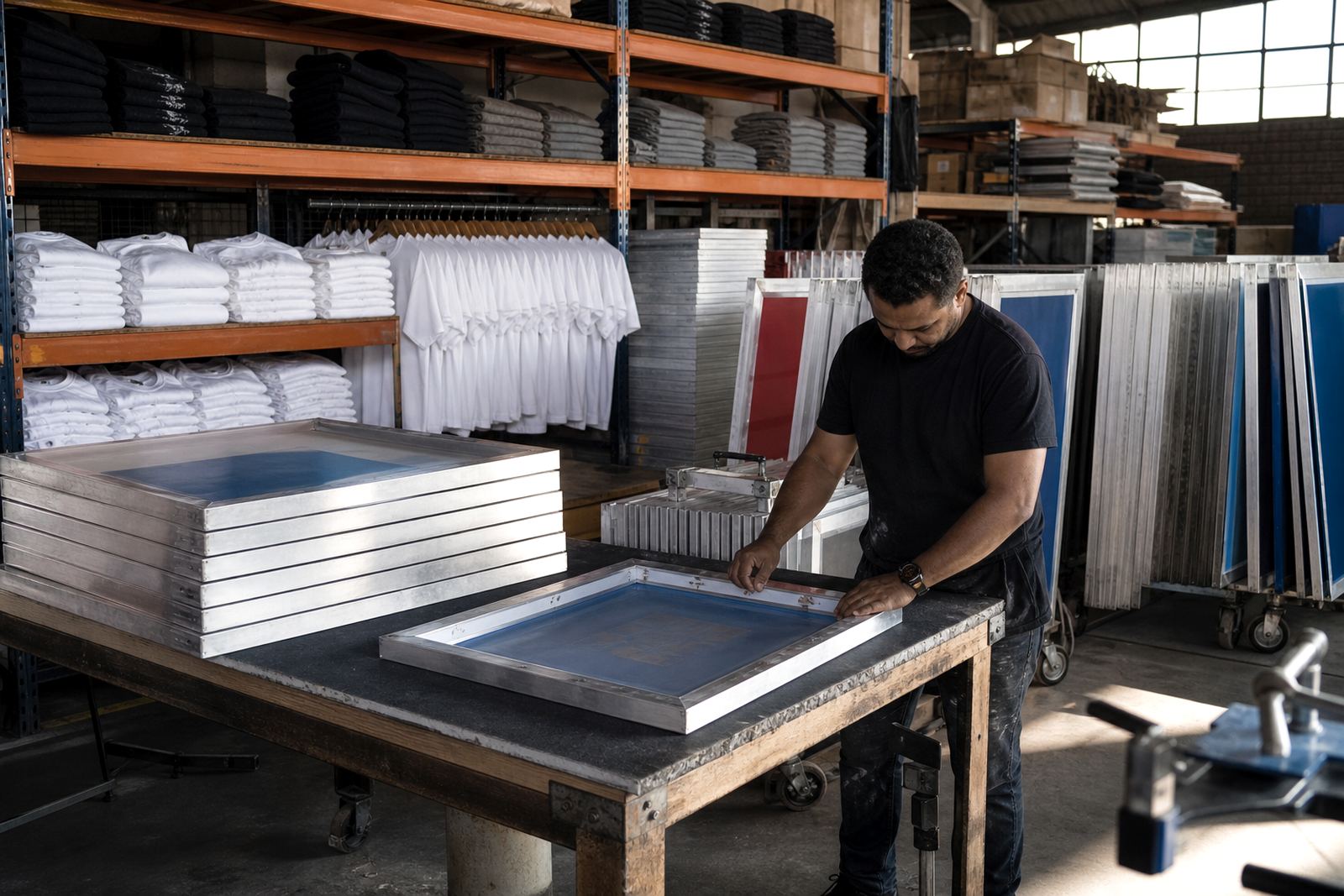
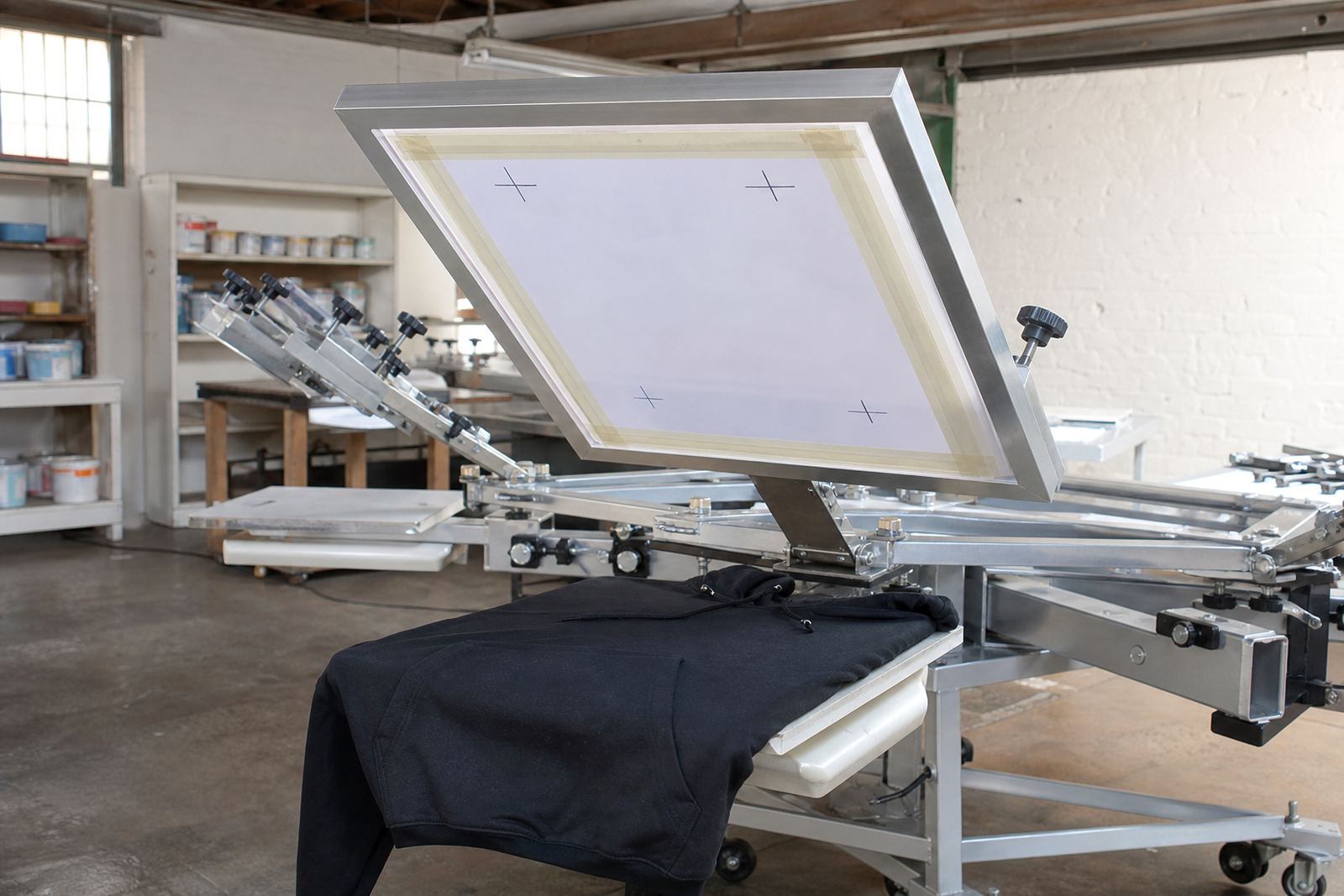
In screen printing, the frame does more than hold mesh in place. It sets the base for tension, alignment and repeatability, which means the build quality of the frame has a direct effect on every shirt, hoodie or tote that leaves the workshop. A straight, well made aluminium frame gives the printer a stable surface to work from, while a weak frame can flex under squeegee pressure and throw the whole job off.
That matters whether you are printing a small run for a school in Bellville or a large order for a clothing line in Johannesburg. Once a frame starts shifting, the screen is no longer giving you the same image from one pull to the next. Even small variations can change the feel of the print, cause registration issues and waste ink, mesh and time.
Why aluminium build quality pays off over time
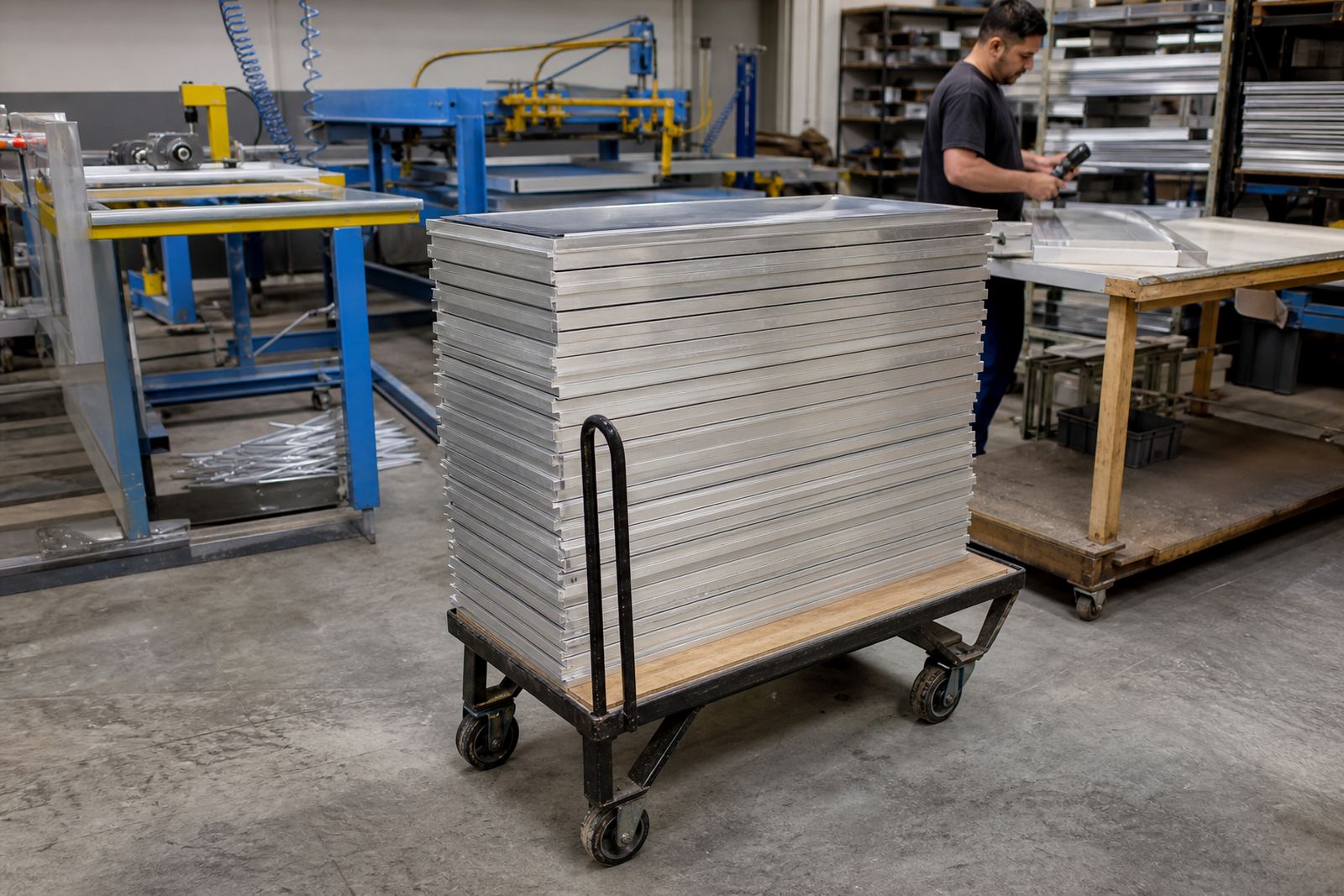
Aluminium frames are chosen for a reason. They handle repeated stretching, cleaning and re use better than many cheaper alternatives, and they stay lighter for handling in a busy workshop. But not all aluminium frames are made to the same standard. Wall thickness, corner welds, square alignment and surface finish all affect how the frame behaves after months of use.
A frame that is properly built will keep its shape through regular tension checks and wash downs. In coastal areas like Cape Town and Gqeberha, where humidity can be hard on workshop equipment, that stability is worth a lot. Poor quality frames can oxidise faster, lose grip at the corners or warp after a few cycles and then the mesh starts to sag. That leads to rework, which costs more than buying properly from the start.
- Thicker side walls help the frame stay square during stretching.
- Clean internal corners support even adhesive application.
- Smooth edges reduce mesh damage during clamping and cleaning.
- Correct sizing makes it easier to match repeat jobs later.
How frame quality shows up in print consistency
Good print results depend on a consistent screen, not just good artwork. If the frame bends, the mesh tension changes across the screen and the print can become uneven. You may see heavier ink deposit on one side, finer detail dropping out on another, or a faint wobble in repeated strokes. That kind of fault is easy to blame on ink or technique but often the frame is where the problem starts.
For garment printers working under time pressure, this matters even more. A clean, square frame helps the operator keep a steady flood and print stroke, which means fewer rejects and less stress on the press. It also gives better results on finer detail work, where a loose screen can blur thin lines or break halftones. A frame that holds tension properly supports consitency across the full run, not just the first few prints.
- Sharper edges on text and logos.
- Less ghosting from screen movement.
- More even ink transfer on large solid areas.
- Fewer stoppages for mid run adjustments.
Longer screen life starts with a better frame
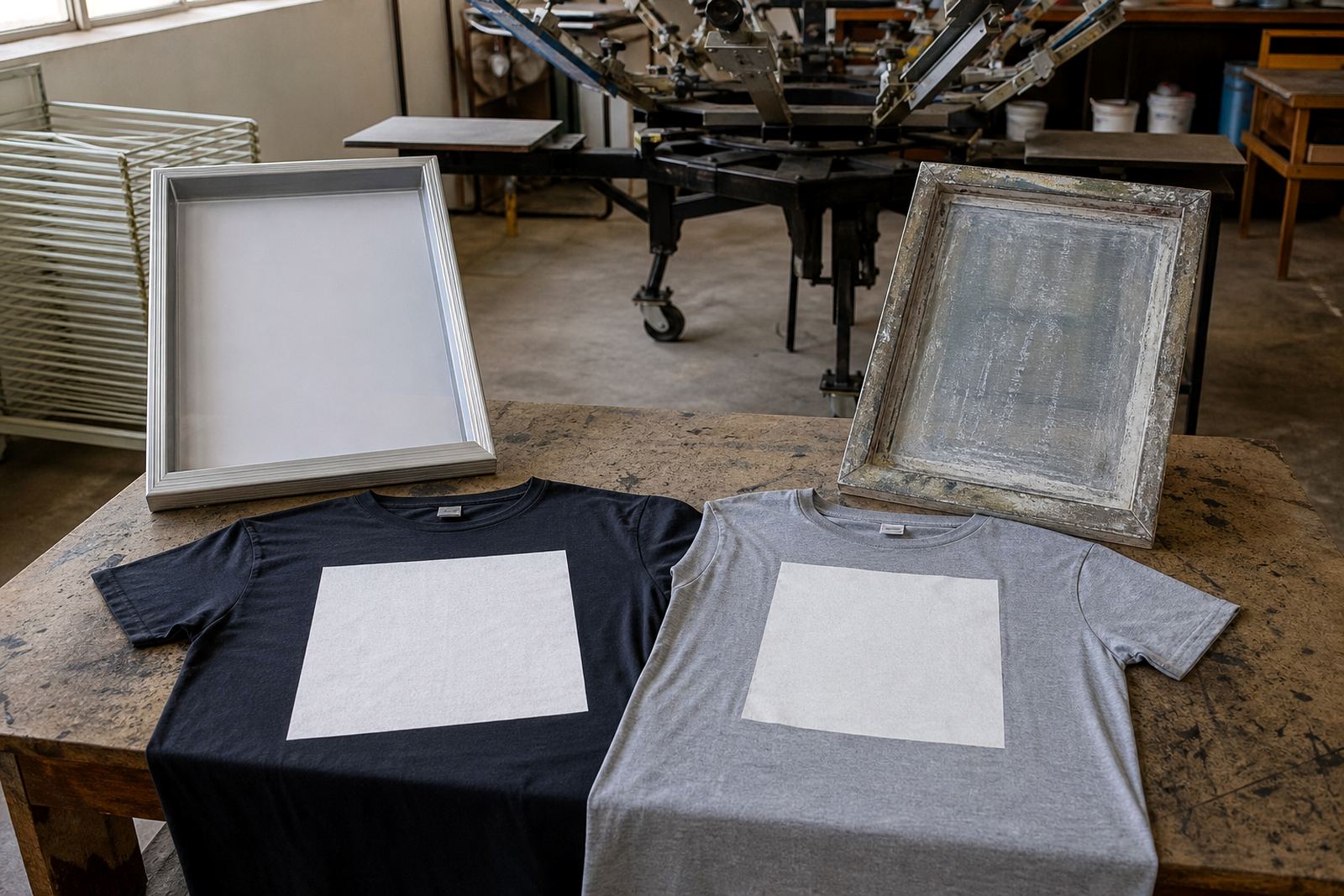
Many workshops replace mesh more often than they need to because the frame itself is the weak point. If the frame is rough, badly cleaned or out of square, the mesh wears unevenly and the adhesive bond is under more pressure. That can shorten the life of the screen and force repeated stretching work that eats into production time.
A proper aluminium frame gives the mesh a steady base through cleaning, reclaiming and storage. It is easier to remove adhesive cleanly, inspect the corners and prepare the screen for the next job. For printers handling bulk orders or urgent turnarounds, that can make the difference between reusing a frame several times and throwing it out early. In practical terms, better frame quality means more cycles, fewer faults and better use of workshop labour.
What to check before a frame goes into production
Before a screen is stretched, the frame should be checked for square, flatness and surface condition. A good workshop does not leave this to guesswork. If the frame is damaged or slightly twisted, it will affect the stretch from the start. The same applies after cleaning, when leftover adhesive or mesh fragments can interfere with the next bond.
Simple checks save time later. They also help if you are comparing custom sizes for different garment jobs, because a frame that looks fine on the rack may still be out by a few millimetres. That can matter when you are moving between small label prints, full front designs and oversized artwork.
- Check corners for movement or cracking.
- Look for bend marks, dents or uneven edges.
- Confirm the frame is square before stretching.
- Remove old adhesive and mesh residue fully.
- Test tension after stretching, not only before.
A local example from a busy Cape Town workshop
A printer in Maitland working through a mixed order for schoolwear and promotional shirts may need to switch between fine detail and heavy ink coverage on the same day. If the frames are uneven, each screen behaves differently and the operator spends extra time adjusting pressure and registration. On a hot day with power interruptions or a packed delivery schedule, that slows the whole shop down.
With properly built aluminium frames, the workflow is more predictable. Screens stretch evenly, clean more easily and hold their shape during storage. That gives the workshop confidence to accept repeat work for customers in Cape Town, Paarl or even further afield, because the screens are less likely to arrive with hidden faults. The result is not only better print quality but fewer last minute surprises. And in a trade where deadlines matter, that counts.