
Why cleaning after print run matters
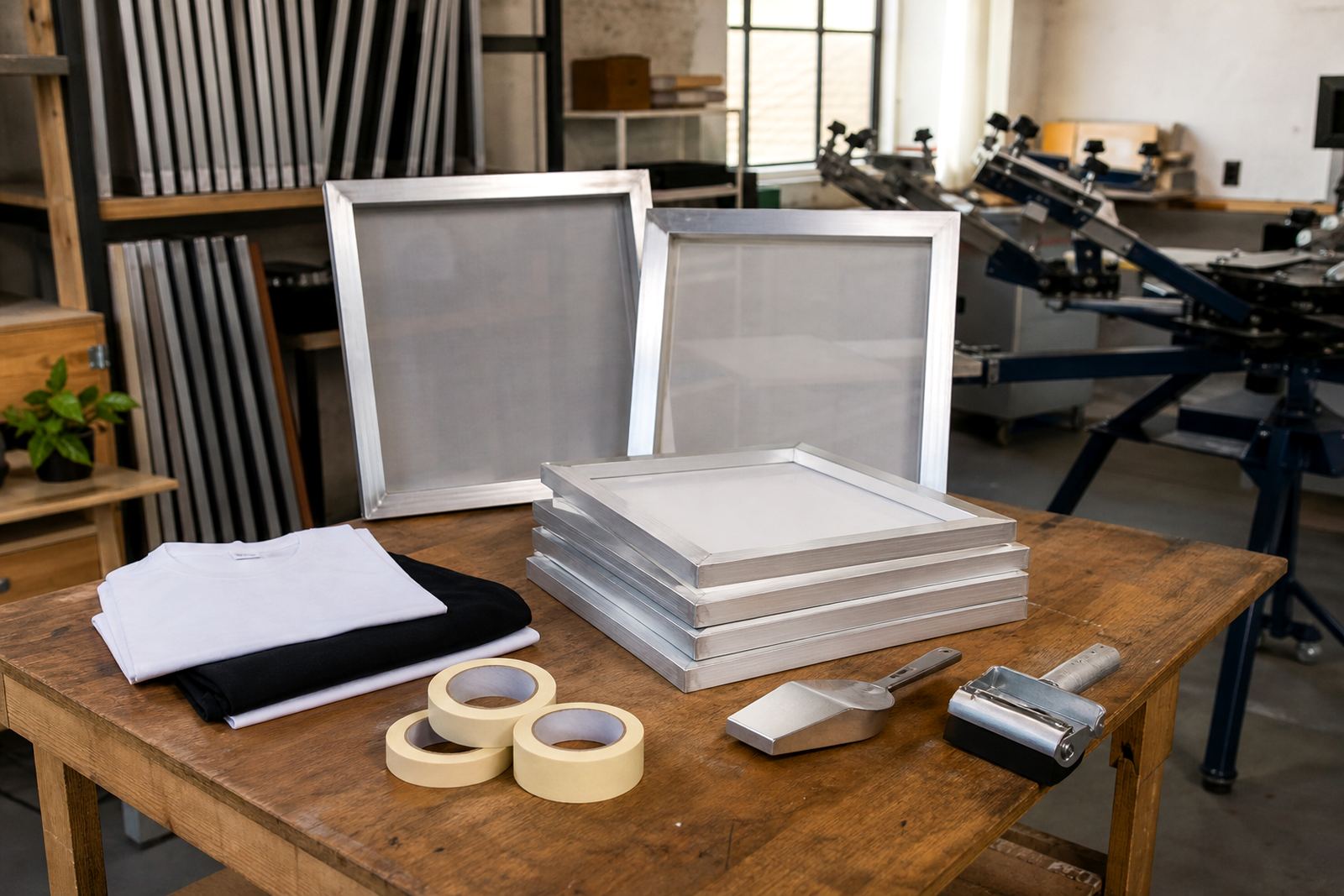
A screen frame does more than hold mesh in place. It carries tension, supports registration and takes the strain of repeated pulls on press, so what happens after printing matters just as much as the print run itself. If ink, spray adhesive and washout residue are left sitting on the frame, they can creep into corners, weaken bond lines and make future cleaning harder.
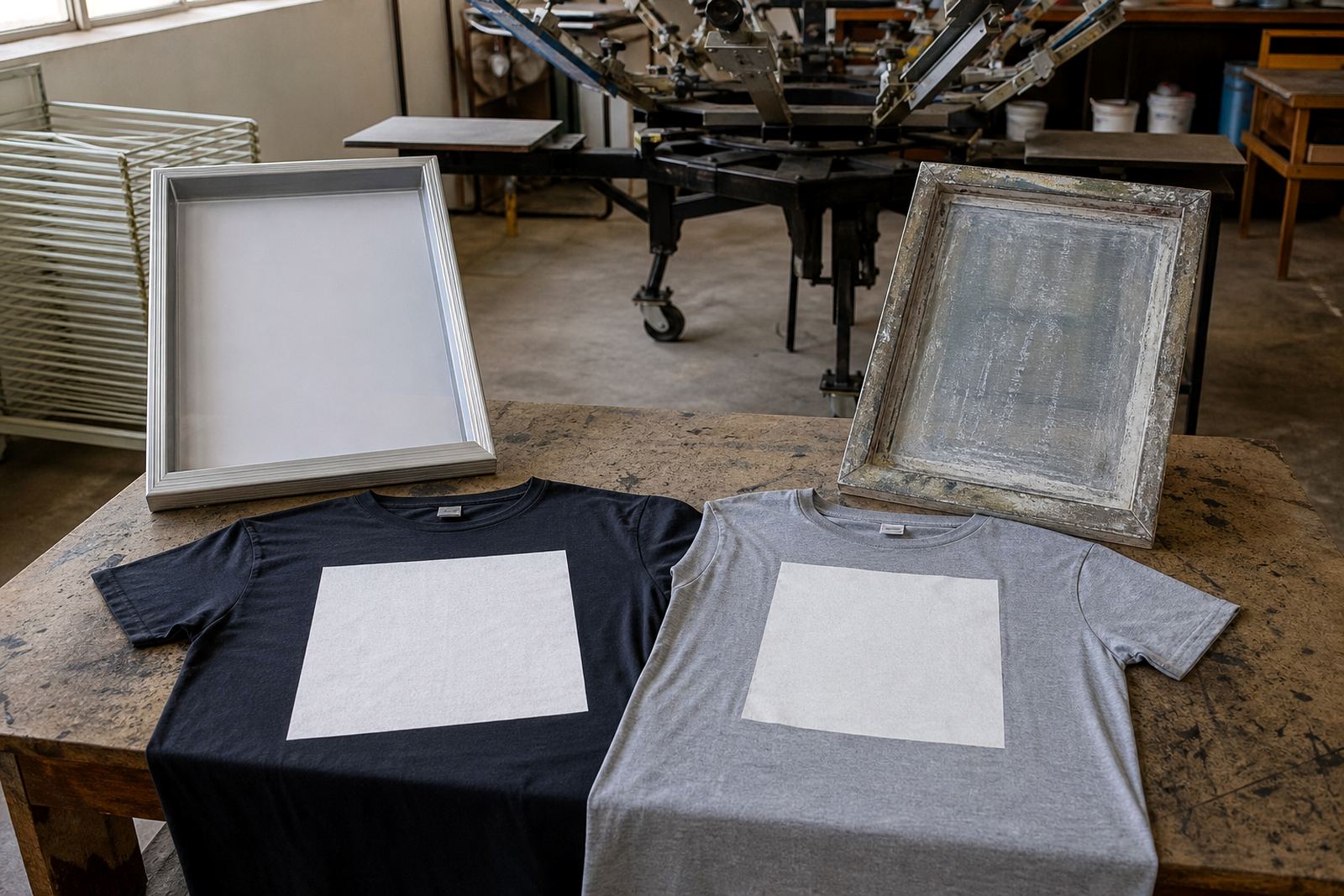
For garment printers working in Maitland, Bellville or Paarden Eiland, the usual culprits are dried plastisol, emulsion flakes, ink haze and lint from cotton garments. Coastal humidity can slow drying too, which means a frame left dirty overnight may need heavier scrubbing the next day. A proper clean now saves time later and helps the frame stay ready for restretching or reuse.
Start with a fast post-print wipe-down
The best time to clean is while residue is still fresh. Once a run is finished, remove excess ink from the mesh and wipe the frame edges before material hardens. That first pass does not need to be complicated, just consistent. Many printers use a separate cloth for ink removal and another for washout, which helps keep solvents and dirt from being spread around the workshop.
- Scrape excess ink off the print side before it dries on the mesh.
- Wipe the aluminium frame perimeter, corners and joins.
- Remove tape, labels and loose adhesive from the outside edge.
- Check for mesh tears, lifted corners or any signs of frame movement.
If you are cleaning multiple screens in a shift, work from the least dirty to the most heavily used. That keeps the job neater and reduces the chance of dragging grit onto a clean frame. It also helps during load-shedding when a short window of power means you need your prep work organised and quick.
Choose cleaning methods that suit the frame and mesh
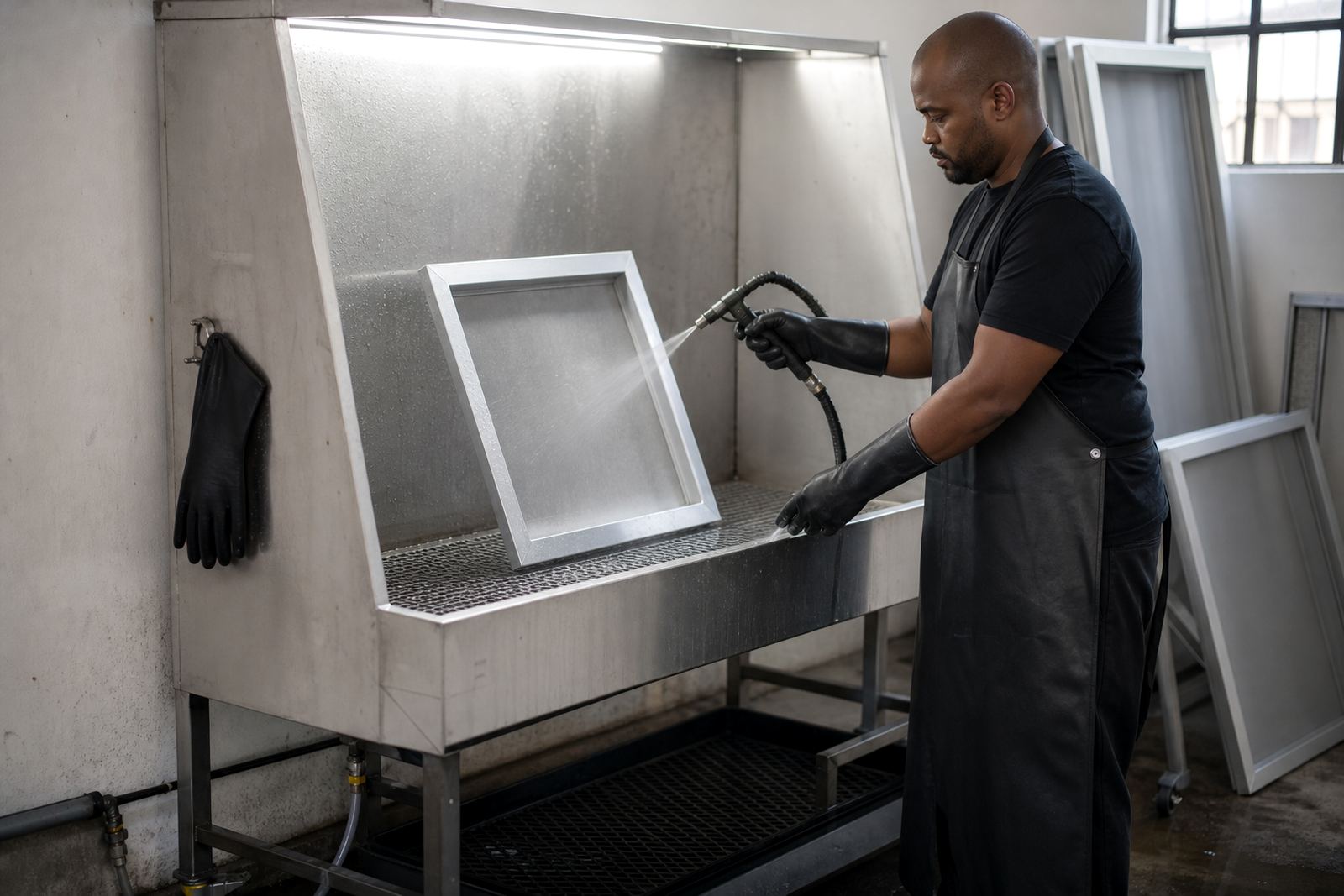
Different inks and adhesives need different treatment. Water-based residue usually lifts with warm water and a suitable cleaning solution, while stubborn plastisol haze may need a stronger degreasing step. The important thing is to use products that remove residue without attacking the frame coating, weakening the adhesive area or leaving a film behind. Too much harsh cleaner can do more harm than a small stain.
Use a soft brush or non-abrasive pad on the mesh and frame, then rinse thoroughly. Do not use anything that scratches the aluminium or digs into the tensioned area, because tiny damage can grow into bigger problems with repeated use. If the screen has been exposed to coastal air or stored near an open roller door, pay extra attention to oxidation and fine dust.
- Use clean water first, then move to the right cleaner for the ink type.
- Avoid metal scrapers on the frame edges and adhesive lines.
- Rinse well so no cleaner is left to dry on the mesh.
- Dry screens fully before stacking or storing them.
Protect the bond line and frame corners
The bond line is one of the most important parts of a stretched screen. If cleaning agents sit against it for too long, or if the frame is knocked during washing, the bond can start to fail. Corners are also vulnerable because that is where handling stress tends to show first. A frame can look fine from a distance yet still have a small issue that turns into a loose mesh edge later.
When cleaning, support the frame evenly on a flat surface or rack so it does not twist under its own weight. Keep pressure gentle around the perimeter and avoid soaking joints for long periods. If you spot lifted adhesive, hairline gaps or slight frame distortion, mark the screen for inspection rather than pushing it back into production straight away. A quick check now is far cheaper than a failed print later.
Drying, storage and turnaround in local conditions
In South African workshops, drying is often the step people rush. But a screen stored damp can pick up mould, smell, dust and sticky residue fast. In places like Durban and Gqeberha, humidity can keep moisture around longer than expected, while in inland areas dust from open yards or loading bays can settle into wet corners. Let screens dry fully before stacking them, especially after a deep clean.
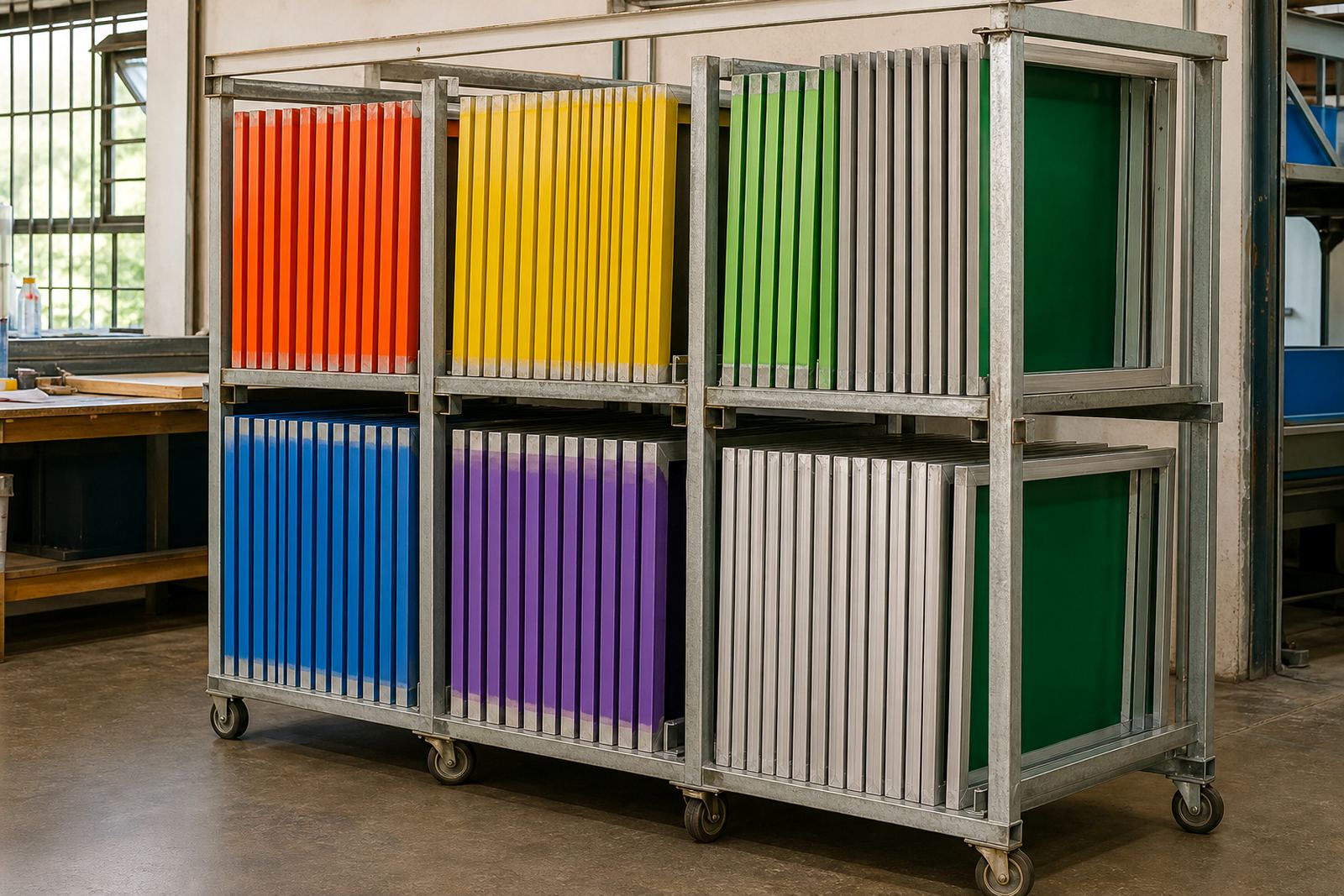
If you are turning work around for the next day, keep cleaned frames upright or on drying racks with airflow on both sides. In cooler months or during load-shedding, use the time between shifts to check that the mesh is properly dry at the edges and not just on the surface. A frame that feels dry to touch can still hold moisture near the bond line, so take a second look before storing.
- Store screens in a dry, covered area away from direct floor contact.
- Keep heavy screens separate so they do not warp lighter ones.
- Label cleaned jobs clearly if they are going back for restretching or reuse.
- Do not stack screens until all corners and edges are completely dry.
When a cleaning routine needs a workshop check
Sometimes cleaning shows up a problem rather than solving it. If mesh tension is dropping, ink is building up in the corners every time, or the frame has begun to sit unevenly on press, the screen may need more than a wash. It may need mesh removal, frame inspection or a full restretch to get it back into proper working condition. That is common on older frames, especially where a printer has used the same size for repeated runs and mixed artwork formats.
For garment printers in Johannesburg, Pretoria and Cape Town, keeping a small routine of cleaning plus inspection can reduce downtime. If a frame is still sound, it can often be cleaned and reused again. If not, catching the problem early gives you time to plan a replacement or re-stretch before the next bulk order lands. That kind of planning keeps the workshop moving and stops a simple clean from becoming a bigger setback.
A practical cleaning routine for busy print shops
The best routine is the one your team will actually follow. A short checklist near the wash bay helps every operator clean to the same standard, whether the job is a small hobby order or a full garment run. In our experience, simple steps done every time work better than a big clean only when the frame looks bad. Consistency keeps screens easier to reuse and supports better print quality on the next job.
A local example: a Cape Town printer handling a mixed order of school, workwear and promotion tees may run several screen changes in one day. If each frame is wiped, washed, dried and inspected before packing away, the next shift can start faster and with fewer surprises. That small habit saves labour, protects the frame and makes re-use much more practical.
- Wipe off fresh ink straight after the print run.
- Wash mesh and frame with the right cleaner for the ink used.
- Inspect corners, bond lines and tension before drying.
- Store the screen only when it is fully clean and dry.