
Why sample rooms need different frame sizes
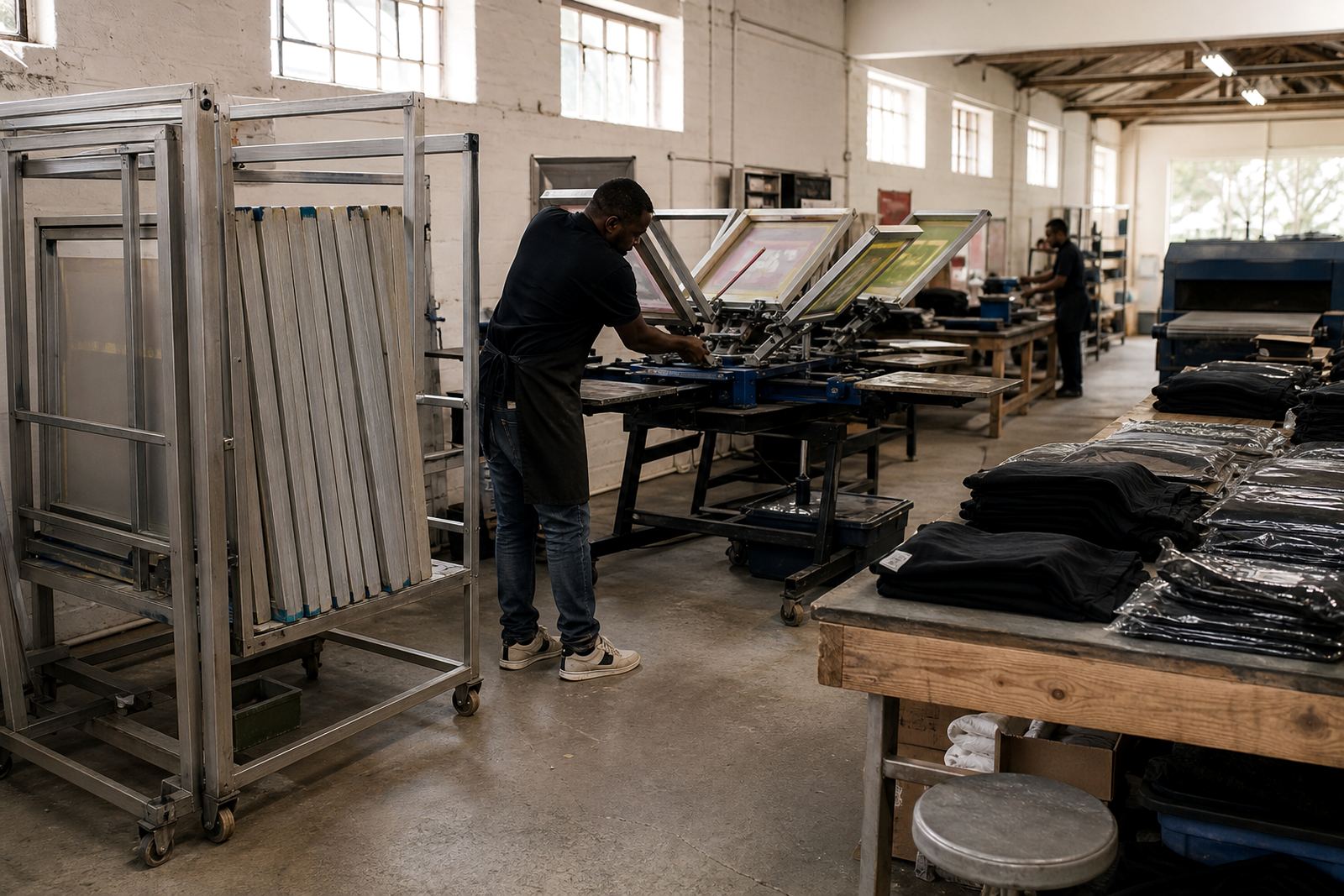
Sample rooms do not work like full production floors. You are often printing one sample tee, then a hoodie size run, then a proof for a local school or brand, so the screen has to suit quick changeovers and small adjustments. When the frame is too large, you waste mesh, ink and bench space. When it is too small, the stencil area is cramped and your artwork placement gets awkward.
For South African sample teams, the aim is simple: make the first print close enough to final production that the client can approve it without another round of changes. That means choosing frame sizes that fit common print placements, from left chest logos to full front artwork, and keeping a few options ready for different garment cuts.
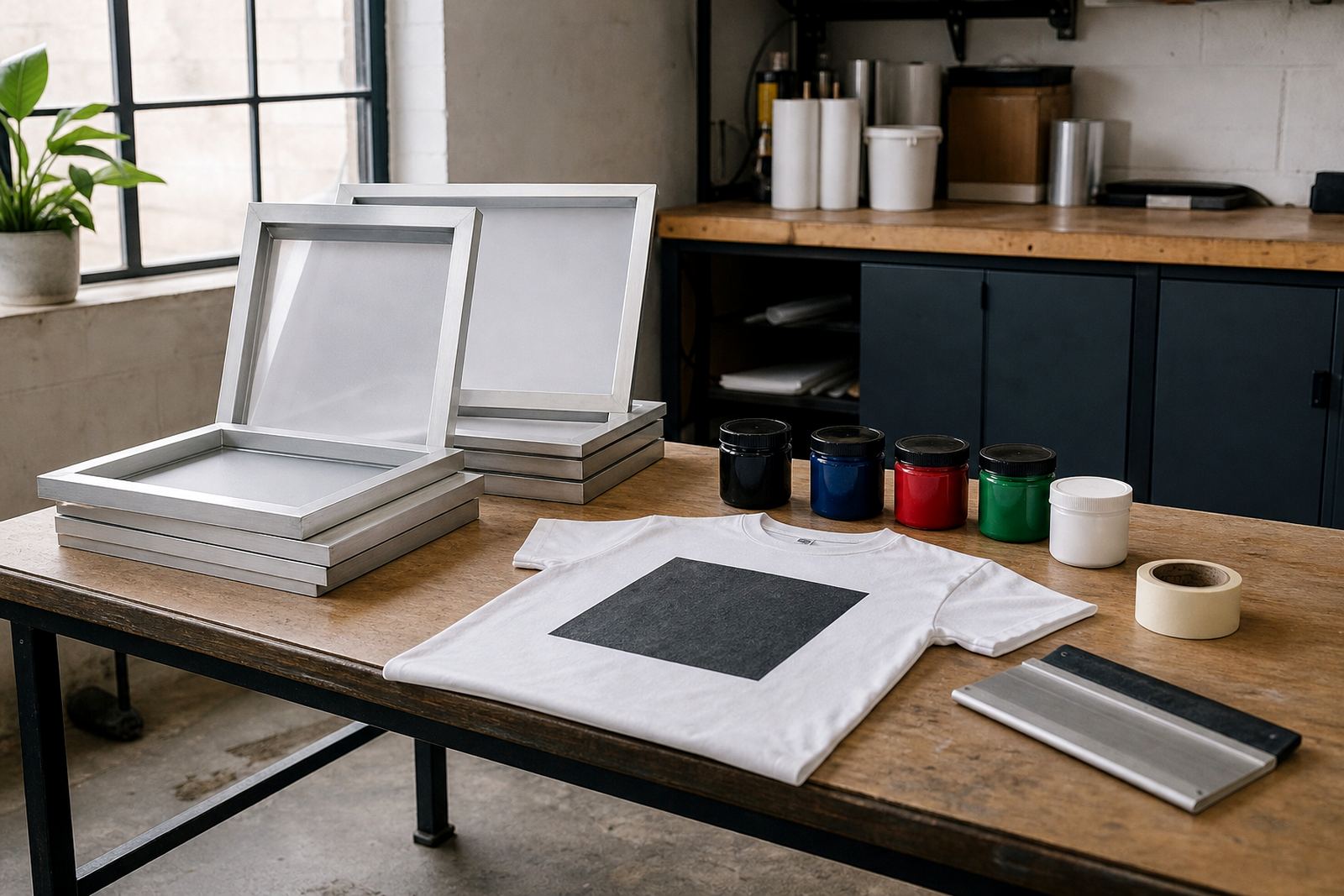
The frame sizes that cover most sample jobs
Most sample rooms do well with a small set of frame sizes rather than a single all purpose size. A mixed range gives you flexibility for different print areas and helps your team move faster between jobs, especially when load-shedding or a late client amends the artwork. In practice, these sizes cover many garment decoration jobs:
- Small frames for left chest marks, sleeve prints and neck labels
- Medium frames for front logos, back neck prints and event wear samples
- Large frames for full front artwork, oversized graphics and multi-colour tests
- Extra wide frames for bigger artwork or paired placements on one garment
A good sample room usually keeps enough clearance around the design so the squeegee can move cleanly and the mesh stays under even tension. If you need to stretch one screen for several garment sizes, it helps to plan the usable print area before the frame is cut and fitted.
How frame choice affects approval speed
Speed in a sample room is not just about printing fast. It is about setting up with fewer corrections. A frame that suits the job gives you cleaner registration, better ink control and fewer reworks. That matters when a client in Johannesburg wants a quick proof on cotton tees, or when a Cape Town brand needs a sample for a trade meeting the next morning.
With the right frame size, your team can keep repeat orders moving and avoid unnecessary mesh removal or re-stretching. It also helps with tension checks, because a frame that is too stretched or too weak can shift during the print and throw off the sample. That means more time spent fixing instead of producing.
- Less time spent on registration adjustments
- Cleaner print edges on fine text and small artwork
- Fewer wasted garments during proofing
- Better consistency when a client asks for a revised sample
What to keep ready in a South African sample room
If your team handles samples for brands, clubs or workwear suppliers, it helps to keep a practical stock of frames rather than ordering each size as needed. In coastal areas like Maitland and Durban, aluminium frames are a sensible choice because they handle humidity better than timber and are easier to keep clean. They also suit busy workshops where screens are handled often and need regular inspections.
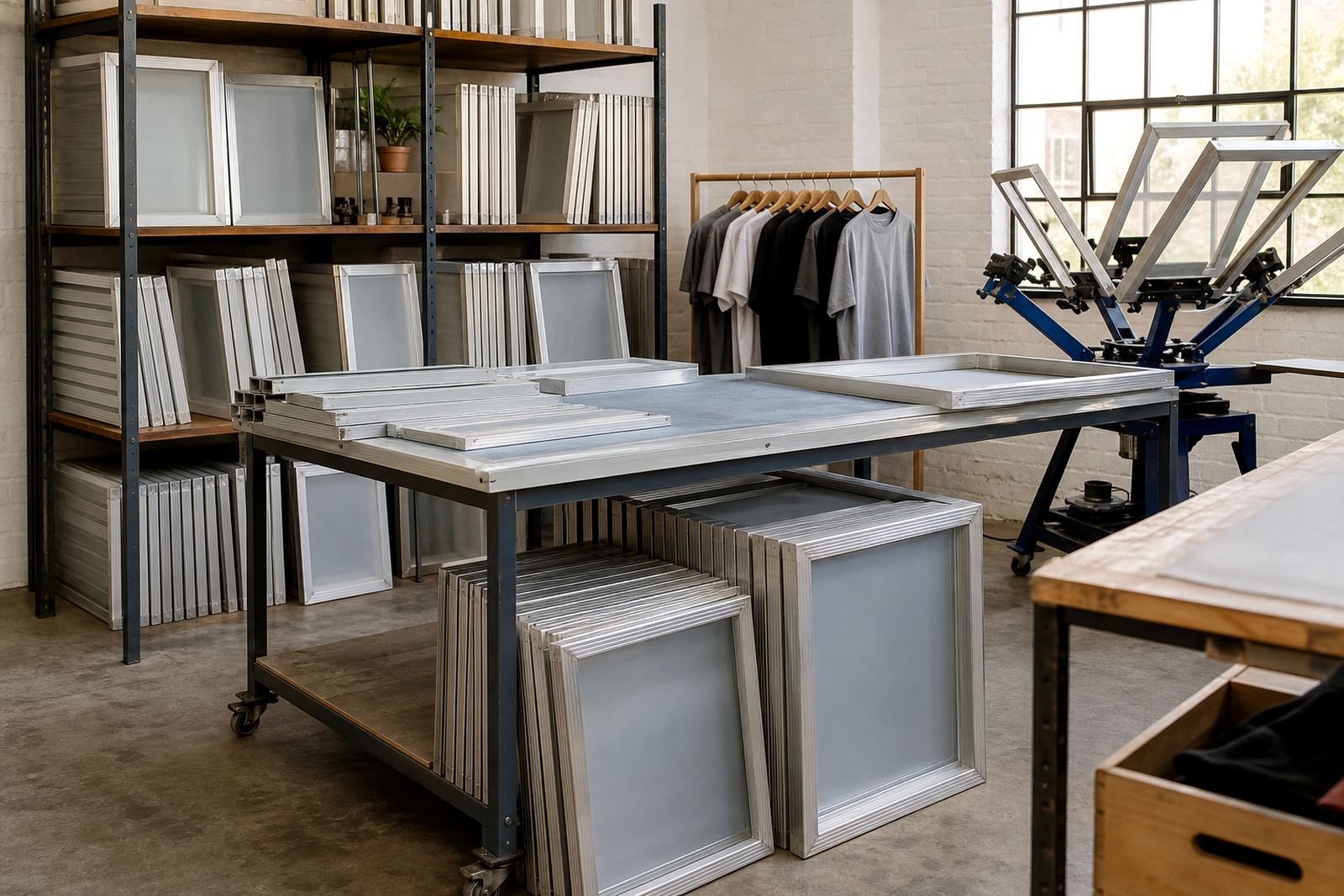
We usually suggest having a clear split between frames for fine detail work and frames for broader print areas. That way your production manager can match the frame to the job without waiting for a custom option every time. A tidy stock also helps when you are preparing multiple client samples in one day, because the team can move from stretch to print with less stop-start work.
- At least one small frame size for compact artwork
- Several medium frames for common garment placements
- A few large frames for oversized samples and range launches
- Spare frames for urgent turnaround work or repeat approvals
A local example from Cape Town to the rest of the country
A sample room in Maitland might prepare a run of branded tees for a client in Pretoria, while also setting up a single sample for a boutique in Gqeberha. In that situation, the frame size has to suit both fast turnaround and accurate presentation. If the first sample is tidy and the print area is correct, the client can sign off the job quicker and the production run can start without delay.
We often see sample teams save a full day simply by having the right stretched screen ready before the garment arrives. It sounds small, but when you are working around courier cut off times, municipal load-shedding schedules and urgent order changes, a suitable frame can make the difference between same week approval and a missed booking.
Care that keeps sample screens ready for the next proof
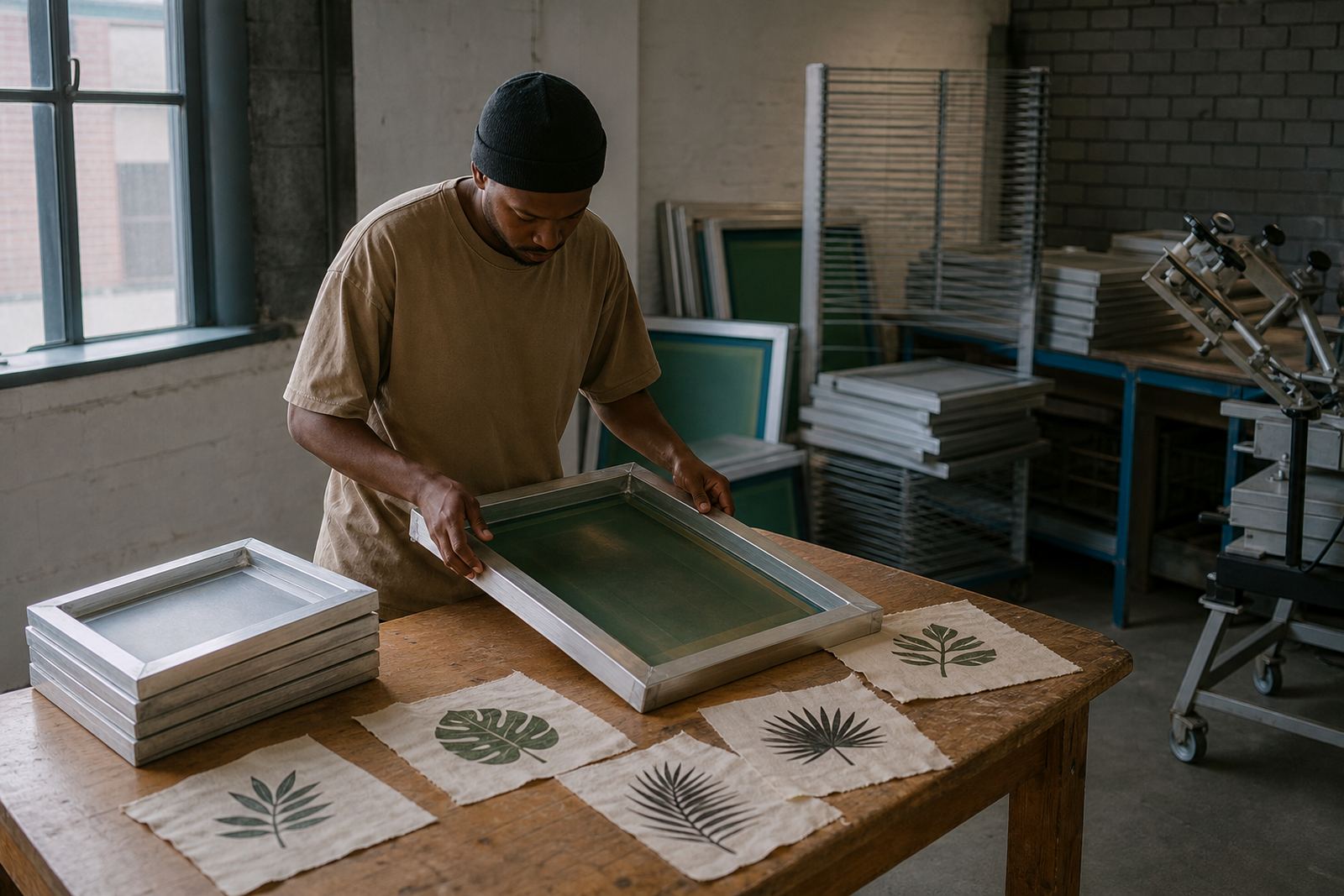
Sample screens take more handling than many production screens, so good care matters. Clean frames after use, check for adhesive build-up and inspect the mesh before the next job. If the screen has lost tension or the mesh is damaged, restretching is usually better than trying to push one more sample through. That keeps the quality steady and avoids chasing problems later.
For teams handling regular garment approvals, a simple maintenance routine pays off. It also keeps your sample room neater and reduces downtime when a client asks for a revised mock-up the same afternoon, which happens more often than most people expect.
- Remove ink residue soon after printing
- Check frame corners and mesh tension weekly
- Store screens flat or properly racked to avoid warping
- Replace damaged mesh before the next approval print
Choosing the right support for sample room work
ScreenFrame supplies aluminium screen-printing frames and screen stretching support for garment printers across South Africa, from Cape Town and Bellville to Johannesburg, Durban, Pretoria and Gqeberha. If your sample room needs custom sizes, bulk screen orders, pickup and return or urgent turnarounds, it helps to work with a team that understands how sample work differs from general production.
Our workshop in Maitland handles new screen stretching, restretching, mesh removal, cleaning, adhesive application, tension checks and frame inspections. That support helps sample teams keep the right sizes ready for concept work, client approvals and short production runs without creating extra delays.