
When the print starts blaming the frame
If your prints are suddenly coming out uneven, fuzzy at the edges, or patchy in one area, the frame may be part of the problem. A tired frame does not hold the mesh as evenly as it used to, and that shows up on garment jobs fast. You might notice it first on solid colour prints where the squeegee should leave a clean, even deposit.
In Maitland and the wider Cape Town area, workshop conditions matter too. Coastal humidity, dust and daily handling can all shorten the useful life of a frame. If a frame has been used hard through summer orders and then left idle in a damp corner, it can start to lose its shape or grip.
Tension loss that keeps coming back
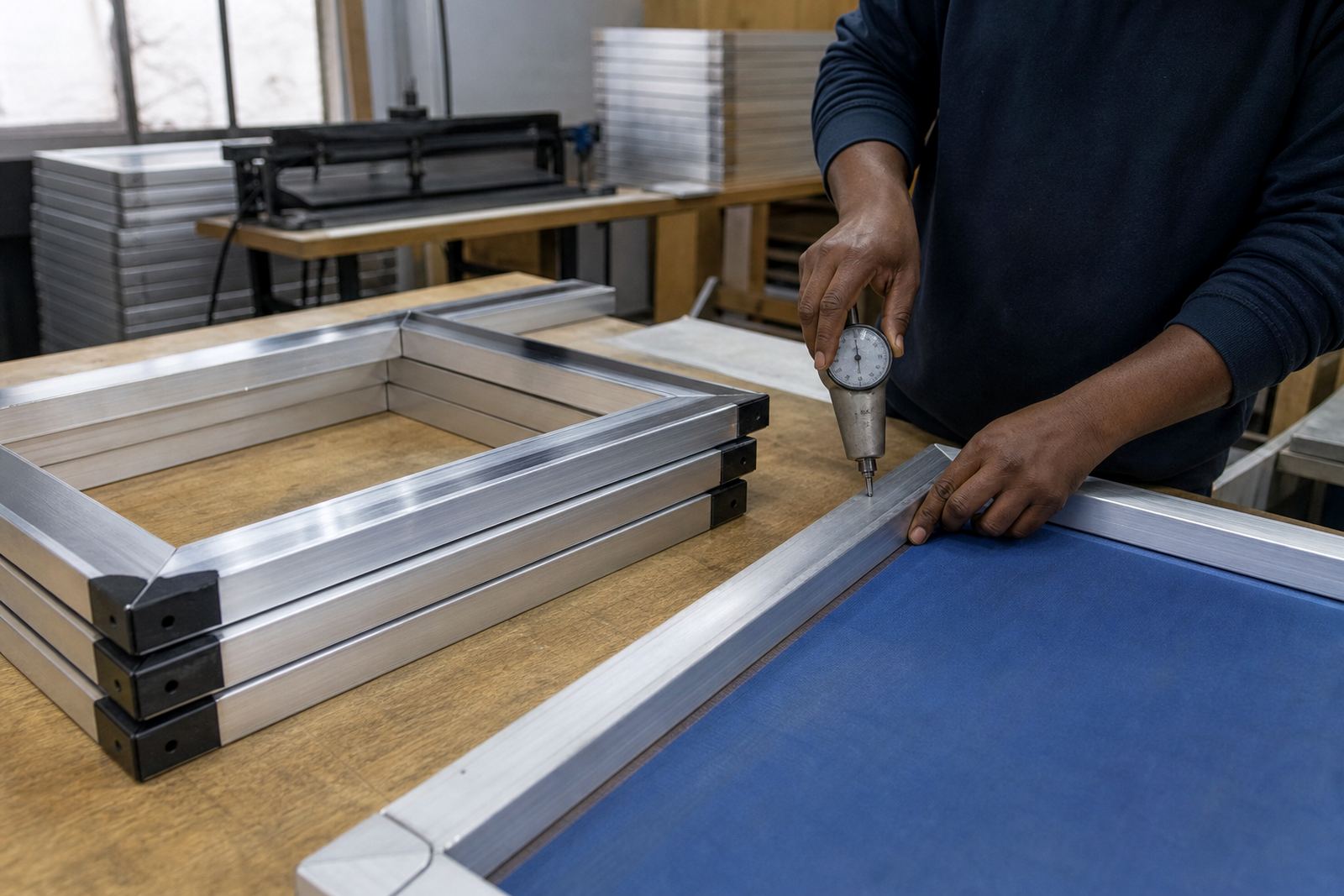
One of the clearest signs is a screen that will not stay at the right tension. You stretch it, test it, and it feels fine for a while, then it dips again after a few prints or after washing. That usually points to a frame that is no longer giving proper support, or a mesh bond that is starting to fail.
Look out for these warning signs:
- The mesh feels slack in the centre but tighter at the corners.
- Registration shifts during a run even when the setup has not changed.
- You keep needing to recheck the same screen before every job.
- The frame makes a dull sound when tapped instead of a firm, even response.
If this keeps happening, it is worth arranging a tension check before the frame causes wasted garments and extra ink use.
Corners, joins and bends that should not be there
Frames take a knock in busy print rooms. Being stacked, dropped, clamped too hard, or loaded for deliveries can all leave marks. Small bends at the corners can seem harmless, but they can pull the screen out of square. That affects alignment on multi colour work and makes the whole job harder than it should be.
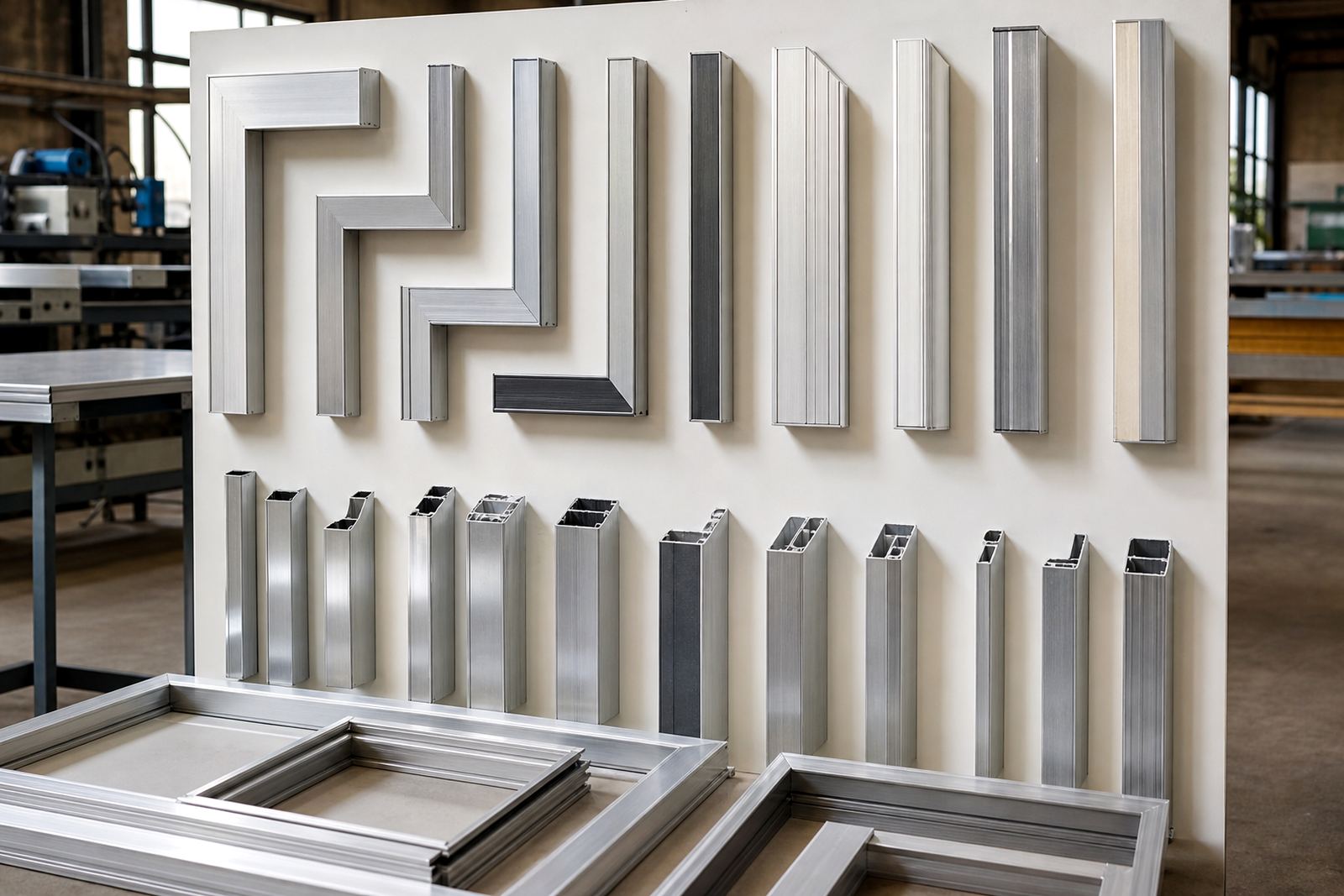
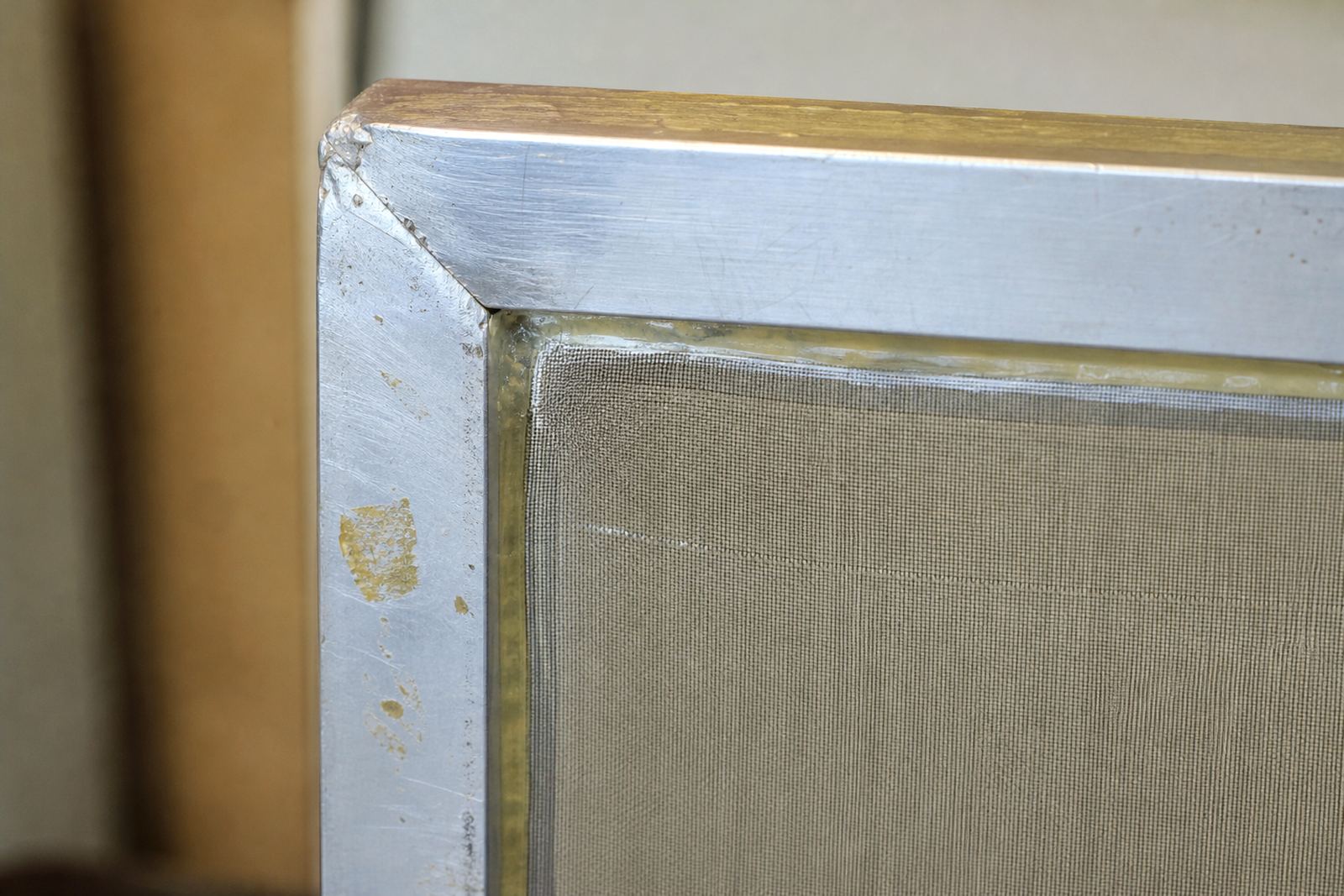
Inspect the frame for visible twists, open joins, split welds or corners that no longer sit flat on the table. If you see a gap where the frame once sat flush, that is a clear sign it needs attention. A frame with physical damage is often cheaper to restretch or replace early than to keep forcing it through one more batch.
- Check for wobble when the frame is placed on a flat surface.
- Look for rubbed paint, exposed metal or wear at handling points.
- Make sure corners are square, not pulled slightly inward.
- Watch for pinholes or cracked adhesive lines near the mesh edge.
Mesh damage that spreads quietly
Mesh damage does not always show as a dramatic tear. Sometimes it begins as a worn patch where ink starts to pass too freely, or a small fray that catches during cleaning. Once the mesh loses strength in one section, the rest of the screen often follows. That is why regular inspection matters, especially on high use sizes.
For garment printers working across Johannesburg, Durban, Pretoria or Gqeberha, transport and storage can add extra strain. A screen that has travelled in a packed truck, sat in a hot loading area, or been stacked under heavier frames may pick up small faults without anyone noticing straight away. Here is what to watch for:
- Loose threads or fraying at the edges.
- Small tears that grow after washing or reclaiming.
- Mesh that looks shiny or worn in one strip.
- Areas where the stencil breaks down quicker than the rest.
If the mesh is damaged in more than one place, a full restretch is often the practical choice.
Cleaning and adhesive issues that mean more than dirt
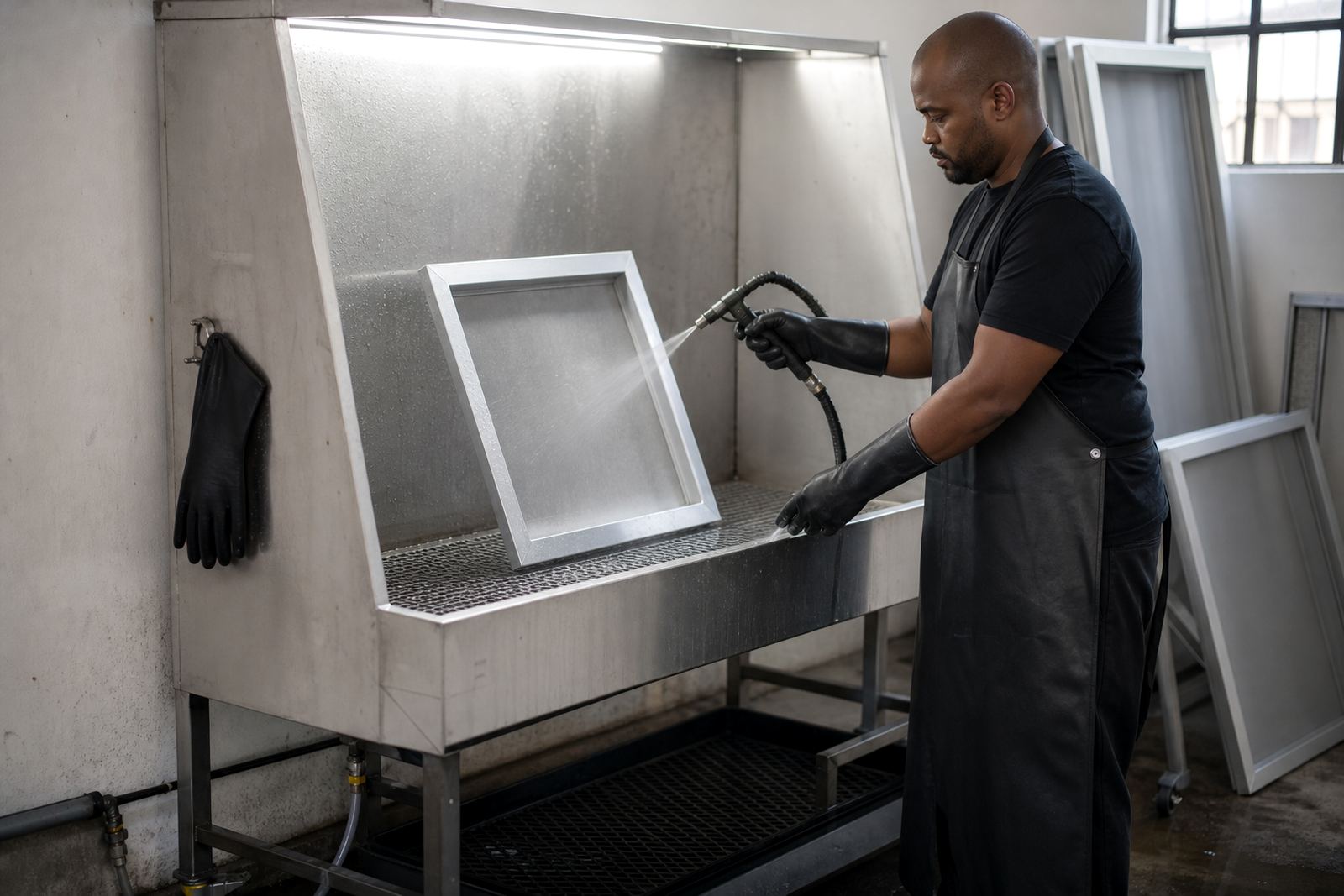
A dirty frame is not always a tired frame, but build-up can hide bigger problems. Ink residue, glue remains and old mesh fibres make it harder to see the real condition of the frame. If cleaning no longer restores a neat edge or the adhesive is lifting in spots, the frame may be past simple maintenance.
Some printers try to push on with old adhesive because the frame still looks acceptable from a distance. That can backfire when the mesh starts slipping at the edge during a long run. Screen care advice is simple: if you are cleaning the same area over and over and it still looks rough, inspect the bond and the frame body as well.
A local example from a busy Cape Town workshop
Take a small garment printer in Bellville doing repeat school and event orders. They may think their trouble is only the ink or the artwork because the first few prints look fine. Then the same frame starts giving off centre images, and the print team keeps adjusting the setup. In reality, the frame may have picked up a slight twist from storage and the mesh has lost tension at one edge.
That is the point where a proper inspection saves time. A frame cleaning, tension check, and review of the corners can show whether the frame can still be used or should be restretched. For shops that need pickup and return or urgent turnarounds, catching the fault early helps keep the next order moving without delays.
It also helps to separate frames by condition. Keep your best ones for fine detail work, and mark the tired ones so they do not get mixed back into the main run by mistake. A small system like that can save a lot of head scratching later.
What to do before the frame gives up completely
If you suspect a frame is on the way out, do not wait for a full failure in the middle of a job. Set it aside, inspect it properly, and compare it with a known good frame. Some screens only need mesh removal, cleaning and a new stretch. Others are no longer worth putting back into regular use. The key is to decide before the frame starts costing you garments, time and repeat set ups.
For busy print rooms in Cape Town and across South Africa, a practical routine works best:
- Check frames before bulk screen orders go out.
- Test tension after storage or transport.
- Inspect corners after any drop or knock.
- Replace or restretch screens that keep drifting out of spec.
When a frame is in good condition, it makes the whole job easier. When it is tired, it shows up everywhere else in the process.