
Why aluminium suits repeat garment printing
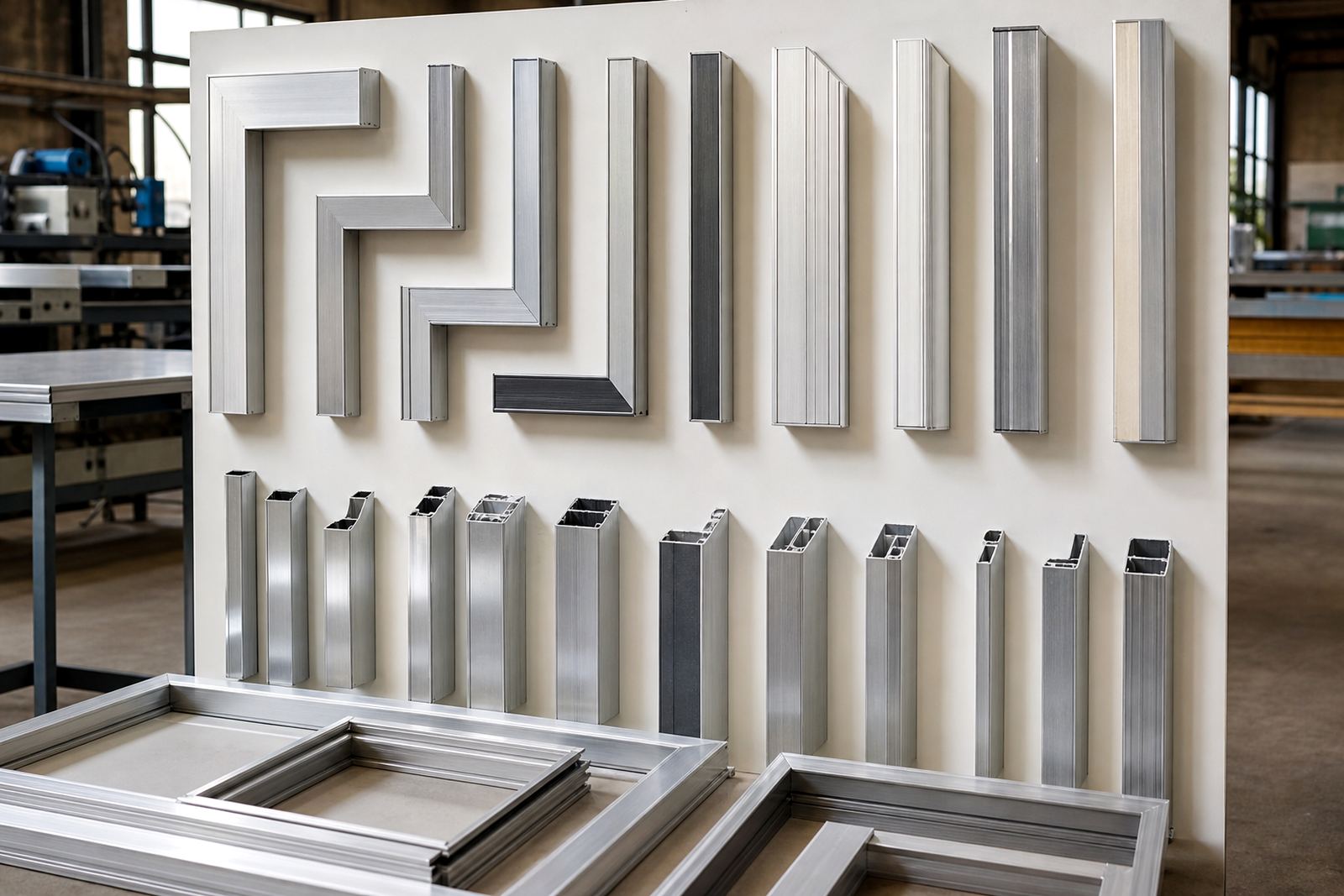
For printers doing repeat orders, aluminium frames are often the better choice because they hold their shape well under regular use. A frame that stays straight helps keep the mesh tension more predictable, which matters when you are pushing through 50 T shirts today and another run next week with the same artwork. Less flex in the frame means less time correcting registration and less waste from off-centre prints.
Wooden frames can work for short runs, but they are more likely to swell in damp conditions and can move over time. In coastal areas like Cape Town and Durban, that extra moisture in the air can affect timber faster than many shops expect. Aluminium gives you a cleaner, more stable base, and that is worth a lot when the same screens are used again and again.
Handling that makes day-to-day work easier
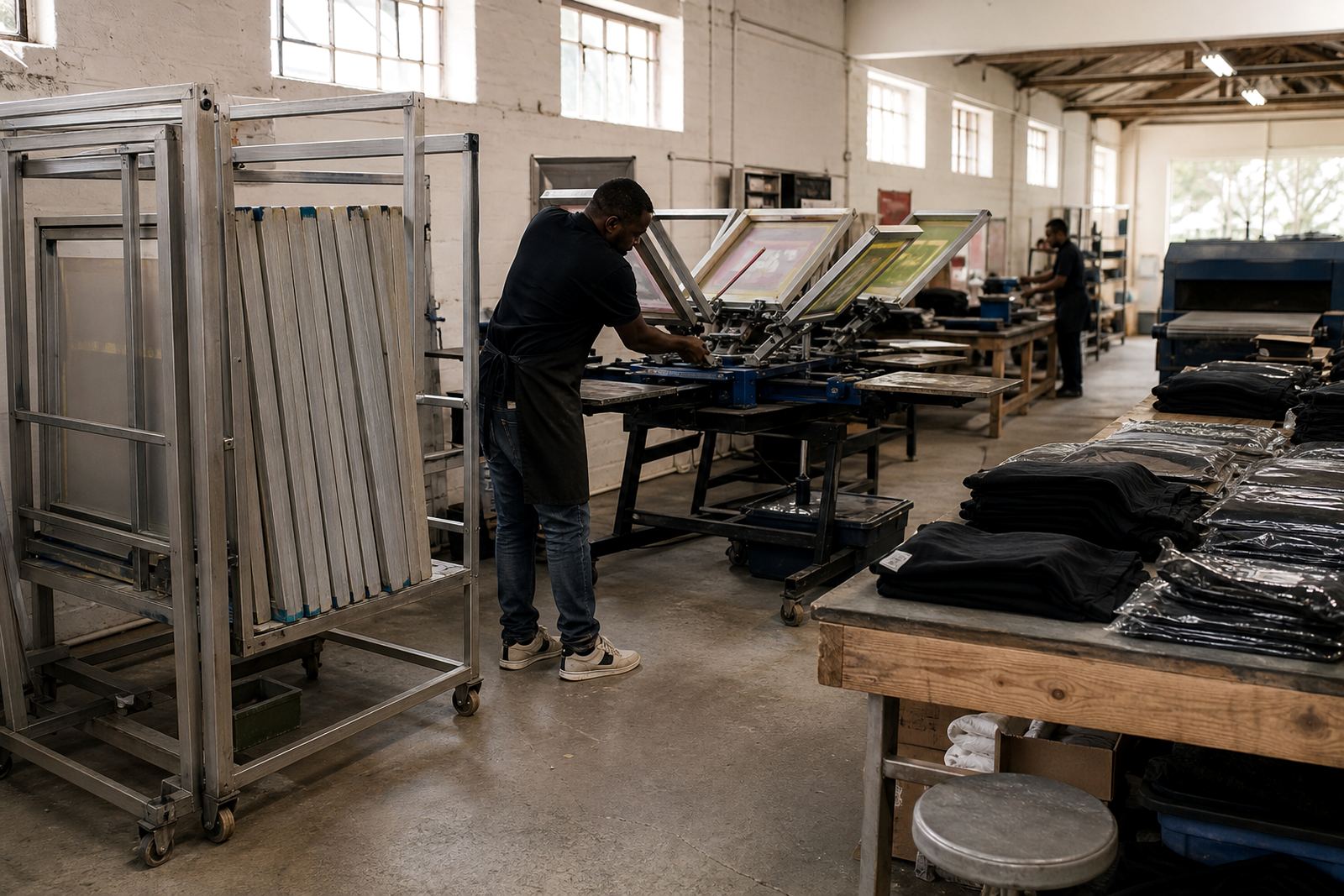
Another practical benefit is how aluminium feels in the workshop. The frame is lighter than many people expect and easier to carry between the wash area, the exposure unit and the press. That matters when a team is moving screens through a busy day, or when work needs to be loaded into a bakkie for delivery across town.
- Less strain when lifting screens on and off racks
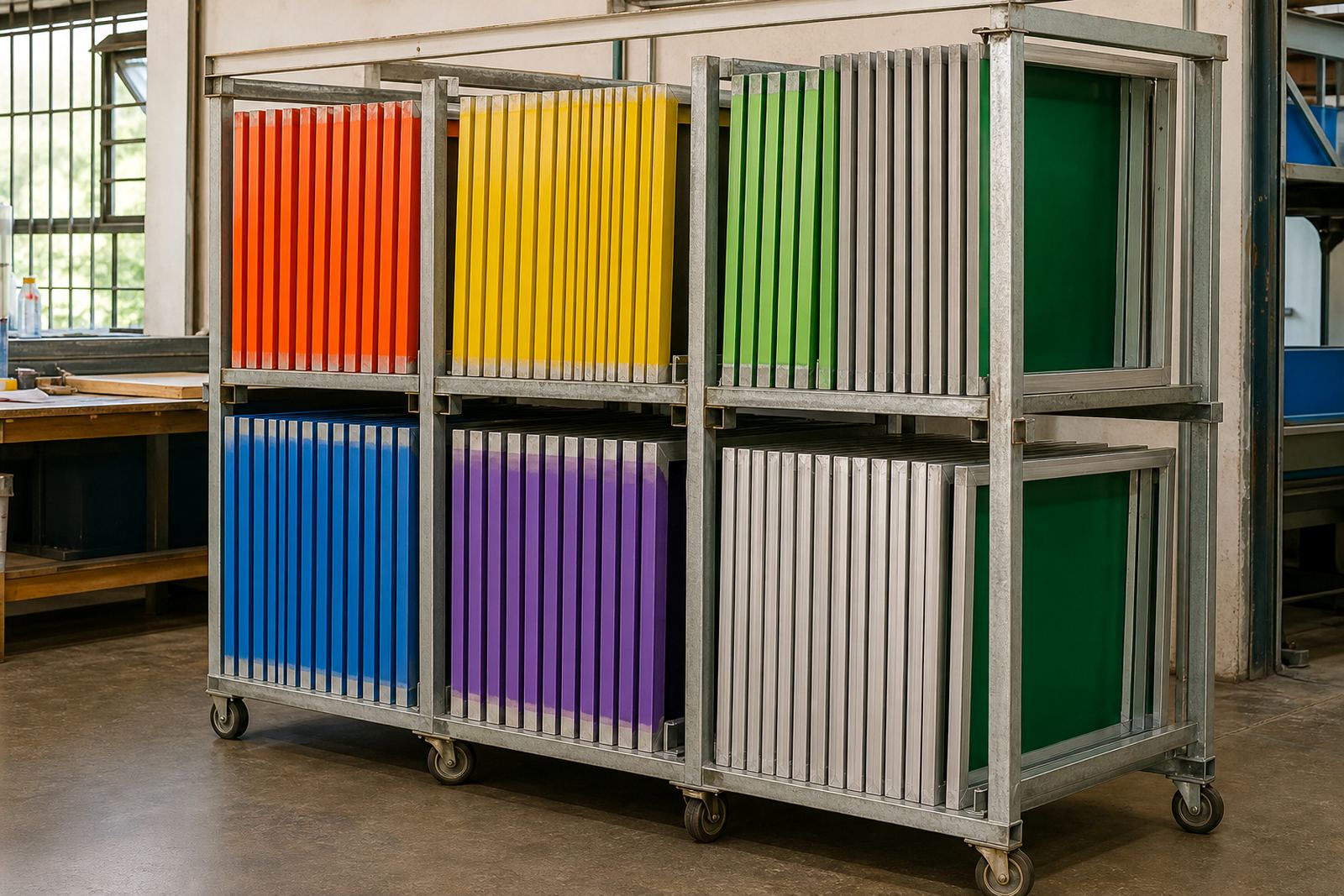
- Easier to stack and store in neat rows
- Cleaner edges for washing down after ink removal
- Better balance when handling larger garment sizes
For smaller shops in Bellville or Paarl, this can save space too. A tidy stack of frames is easier to manage than a mixed pile of warped timber and damaged corners. It also keeps the workshop safer, which is important where staff are moving fast and load-shedding interruptions can break the normal routine.
How aluminium helps with tension and registration
Good printing depends on consistent mesh tension. When a frame keeps its shape, the mesh stretches more evenly and the stencil sits where it should. That gives you cleaner detail on logos, text and solid blocks of colour. If the frame twists or bows, the print can drift, and even a small shift is enough to spoil a job that was already set up carefully.
Aluminium also handles repeated stretching better when the frame is made for that purpose. A proper restretch on a sound frame can bring life back to screens that still have plenty of use left in them. For printers who run the same garment order month after month, that consistency is often more valuable than buying cheaper frames that need replacing sooner.
- More stable registration on multi colour jobs
- Cleaner repeat prints on reorders
- Less time spent adjusting off-line screens
- Better control on fine lettering and small detail
What South African conditions do to your frames
Our conditions are not gentle on equipment. Coastal humidity, summer heat, dust from industrial areas and workshop traffic all affect how screens last. In places like Maitland, where many garment operations sit close to transport routes and industrial yards, frames need to stand up to daily handling without rusting or losing shape. Aluminium is a sensible option because it does not rust like steel parts can, and it is less affected by moisture than timber.
Load-shedding adds another issue. When production stops and starts, screens may sit longer between steps than planned. A frame that stays steady during those delays helps reduce problems once the job starts up again. It is one less variable to worry about when the power is unstable and deadlines are still fixed.
Lower waste over time, especially on bulk work
Many printers look at the purchase price first, but the real question is how a frame performs over months of use. If a frame keeps going through the cleaning, reclaiming and stretching cycle without losing accuracy, it pays for itself through fewer rejected prints and less lost mesh. That matters on bulk shirt orders where every bad impression adds cost.
For shops handling corporate wear, school events or contract printing, repeatability is part of the margin. Aluminium frames support that by giving a more dependable base for high tension screens and regular re-use. When a screen comes back for another run, you want it to fit, clamp properly and behave the same way it did on the first job.
- Fewer frame replacements over time
- Less downtime from damaged corners or warping
- Better use of mesh across multiple jobs
- More predictable setup for bulk orders
A local example from workshop to delivery route
A garment printer in Cape Town might be running a mixed order of 200 cotton tees for a school fundraiser and then a short run of branded workwear for a construction team in the afternoon. If the first set of screens shifts because the frame is unstable, the second job often starts late as well. With aluminium frames stretched to the right tension and checked before dispatch, the screens can move from workshop to press to washing area with less fuss.
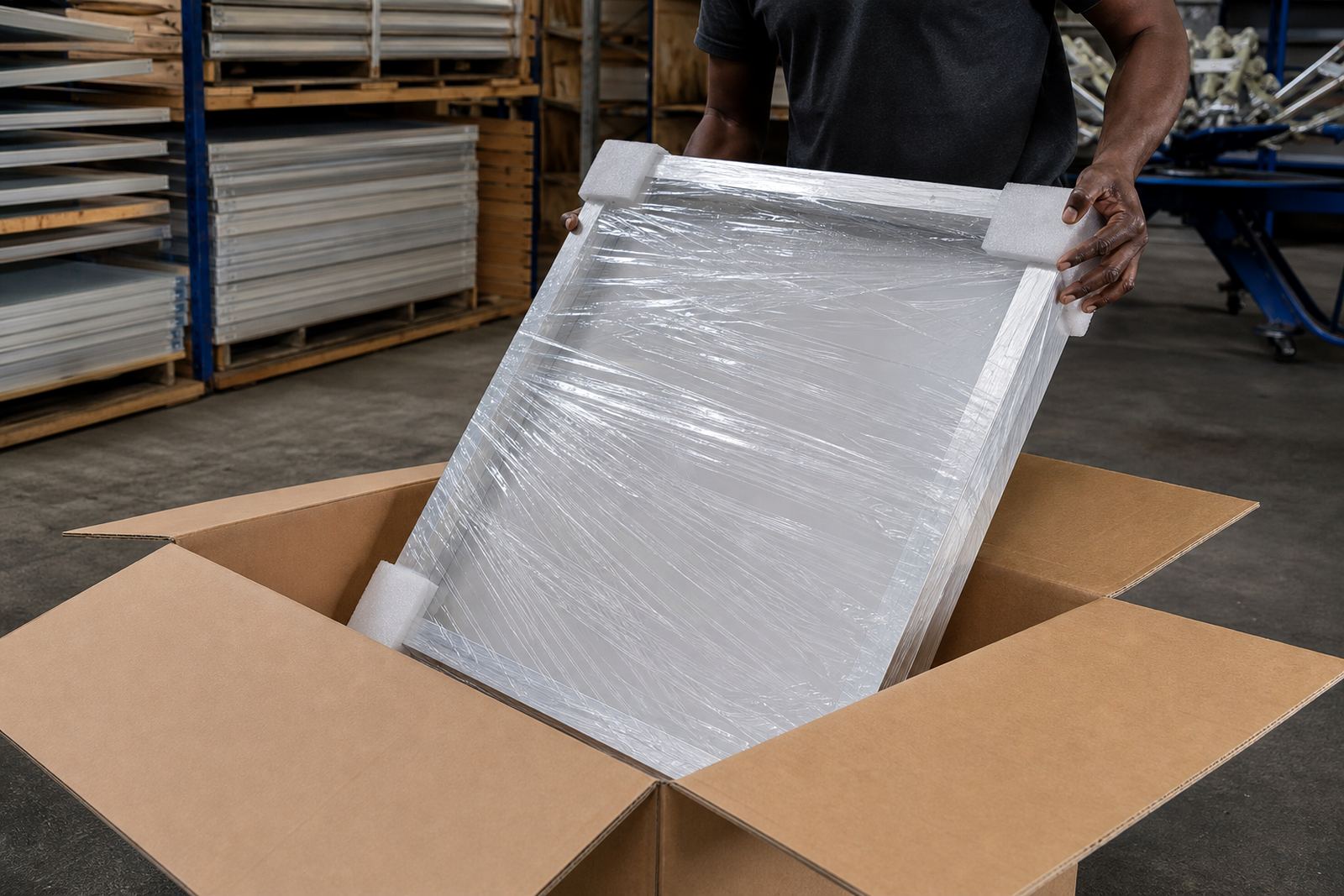
That same order may then need a Bellville collection, or delivery to Johannesburg, Durban or Pretoria for another branch of the business. A frame that holds up in transit, and does not twist easily, makes the whole chain easier to manage. In our work at ScreenFrame in Maitland, we see that printers want gear they can trust on the press and in the van too.
Our team led by Mandla Petersen works with new screen stretching, restretching, mesh removal, frame cleaning, adhesive application, tension checks and custom size stretching. That means a printer can match the frame to the job instead of forcing the job to fit the frame.
When aluminium frames are the smart buy
If you print often, need repeat accuracy or want screens that are easier to handle across a busy workshop, aluminium is usually the better option. It gives a practical mix of strength, stability and reusability that suits South African garment printing where conditions are not always ideal and production targets still have to be met.
For small hobby setups and larger contract shops alike, the main advantage is simple: the frame stays useful for longer and behaves more predictably under pressure. That is good business, especially when you are trying to keep turnaround times short and quality consistent.