
Start With The Press Bed And Clamp Width
The first check is simple: measure the press bed, the clamp opening and the space the frame needs to sit flat without fouling the platen or arm movement. A screen that is too wide can catch on side arms, while one that is too narrow may slip if the clamps do not bite evenly. On a busy workshop floor in Maitland, that small mismatch can slow every job down.
Before you order or fit a frame, confirm these points on the manual press:
- Internal clamp width and how much grip the press gives on the frame edge.
- The distance from clamp to platen, especially on multi-station manual presses.
- Whether the frame clears the shirt board, pallet adhesive build-up and any guides.
- How the press behaves when the head is lowered, with no screen fitted.
If the press is used for bulk run work, the fit must be comfortable enough for repeated lifting and lowering. A tight fit may still work once or twice, but over a full day it becomes tiring and can lead to crooked placement.
Match Frame Size To The Print Area, Not Just The Artwork
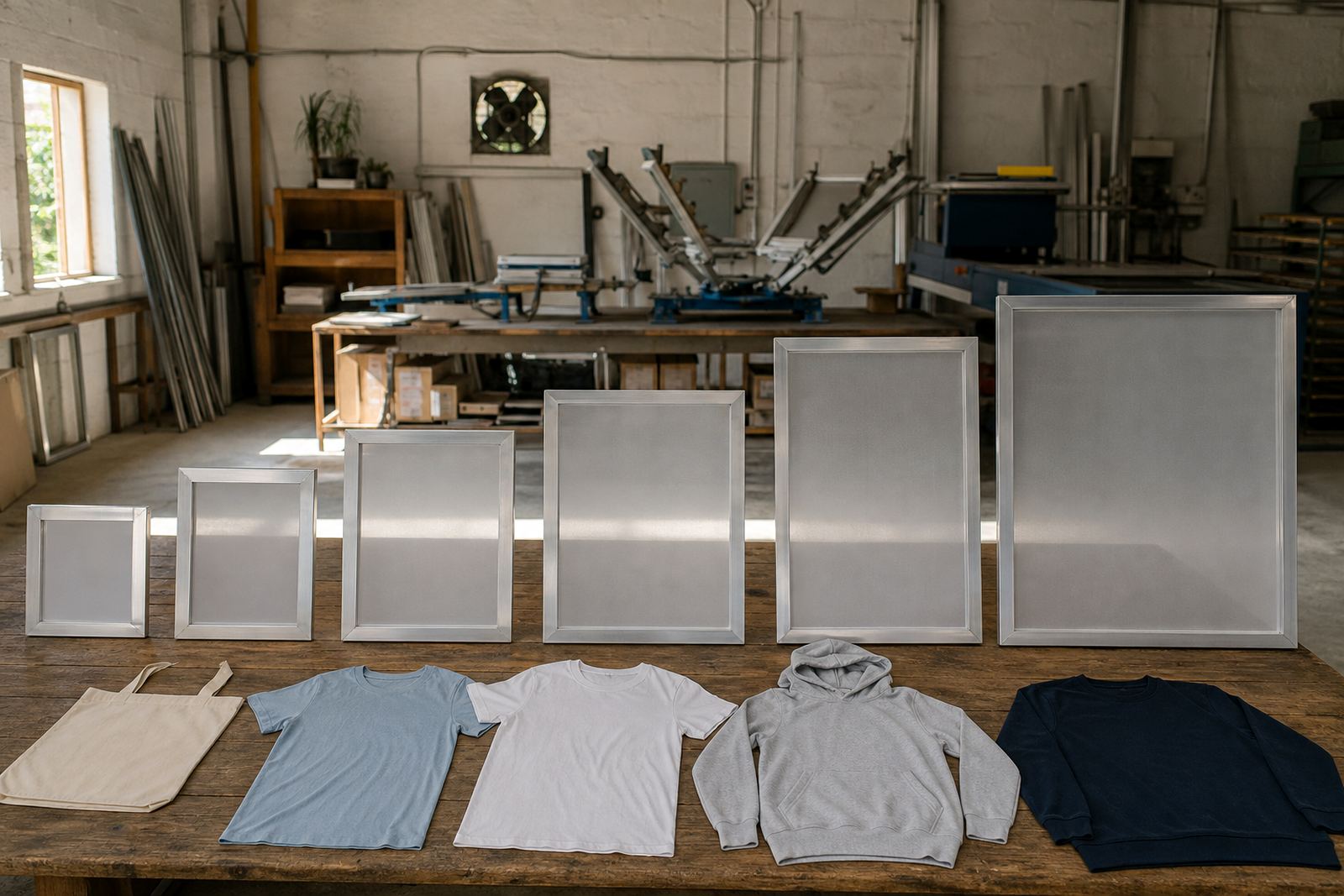
It is tempting to choose a frame only by the artwork size, but the print area and mesh stretch space matter just as much. You need enough margin around the image for tape, emulsion or adhesive edge, and enough frame depth to keep the screen steady under pressure. For manual garment presses, a frame that is well proportioned to the job gives better control on T-shirts, hoodies and tote bags.
As a rule, leave practical working space around the image so the operator can flood and print without clipping the frame edge. If the design is small but the press uses larger pallets, the frame should still clear the garment and the operator’s hands. That is especially important when a workshop in Durban or Gqeberha is dealing with humid weather, where screens can feel heavier and handling needs to stay smooth.
- Small logo runs often suit compact frames with comfortable hand clearance.
- Large front prints need more margin to avoid hitting seams, zips or collar height.
- Multi-colour work benefits from consistent outer dimensions for repeat placement.
Check Mesh Tension Before The Frame Goes On Press
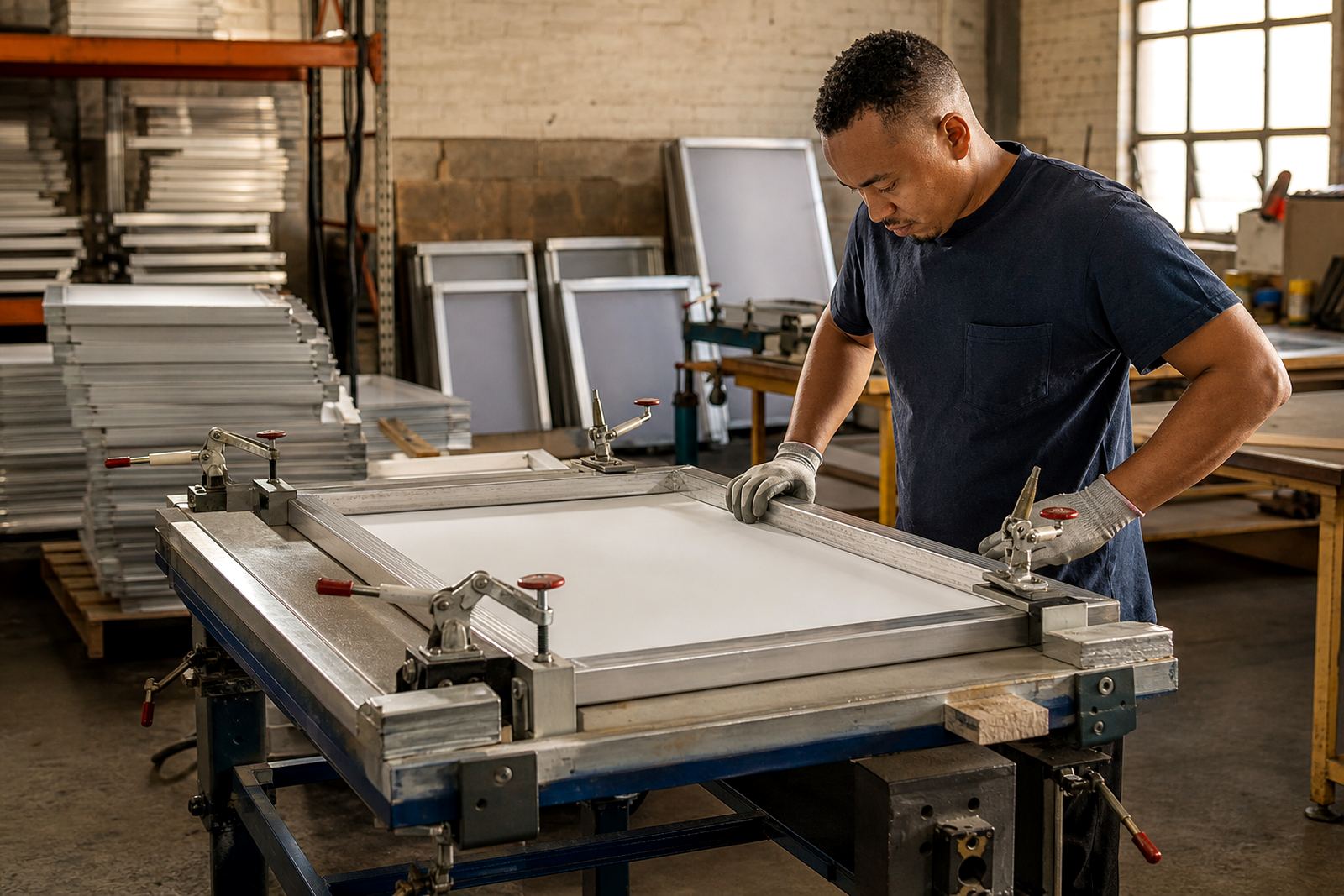
Manual presses do best with screens that are evenly stretched and still holding tension across the full surface. If the mesh has soft spots or uneven pull, the frame may seem to fit at first but the print will shift once pressure is applied. You will notice this as wavering edges, uneven ink deposit or a screen that bounces back too slowly after the squeegee stroke.
Good tension makes the press feel lighter in use. The print stroke becomes cleaner, registration is easier to repeat and the frame sits more securely because the screen is not fighting the operator. In South African summer heat, and especially in coastal air, a stretched screen that is well prepared usually performs better than one that has been left in storage for too long.
- Look for even rebound when the mesh is pressed lightly by hand.
- Check for slack at the corners and along the long sides.
- Inspect for mesh damage near the clamp points, where strain often shows first.
Watch For Frame Straightness, Corners And Clean Edges
A manual press needs frames that are straight, square and easy to grip. Bent corners, twisted rails or adhesive build-up can throw the screen out by a few millimetres, and that is enough to affect registration on a two-colour job. The frame should also have clean edges so it sits flat in the clamp without rocking.
When a screen is being restretched or re-used, inspect the frame carefully before fitting it back onto the press. Minor dings can sometimes be managed, but warped frames are trouble. They tend to sit high on one side and low on the other, which can create pressure differences across the print area. A quick inspection before the job starts is cheaper than redoing a stack of garments later.
ScreenFrame handles frame inspections, mesh removal, frame cleaning and adhesive application for printers who want their screens ready for repeat use. That helps keep manual press work predictable, especially for shops balancing short runs, urgent turnarounds and pickup and return schedules.
Think About Handling, Lift Weight And Operator Fatigue
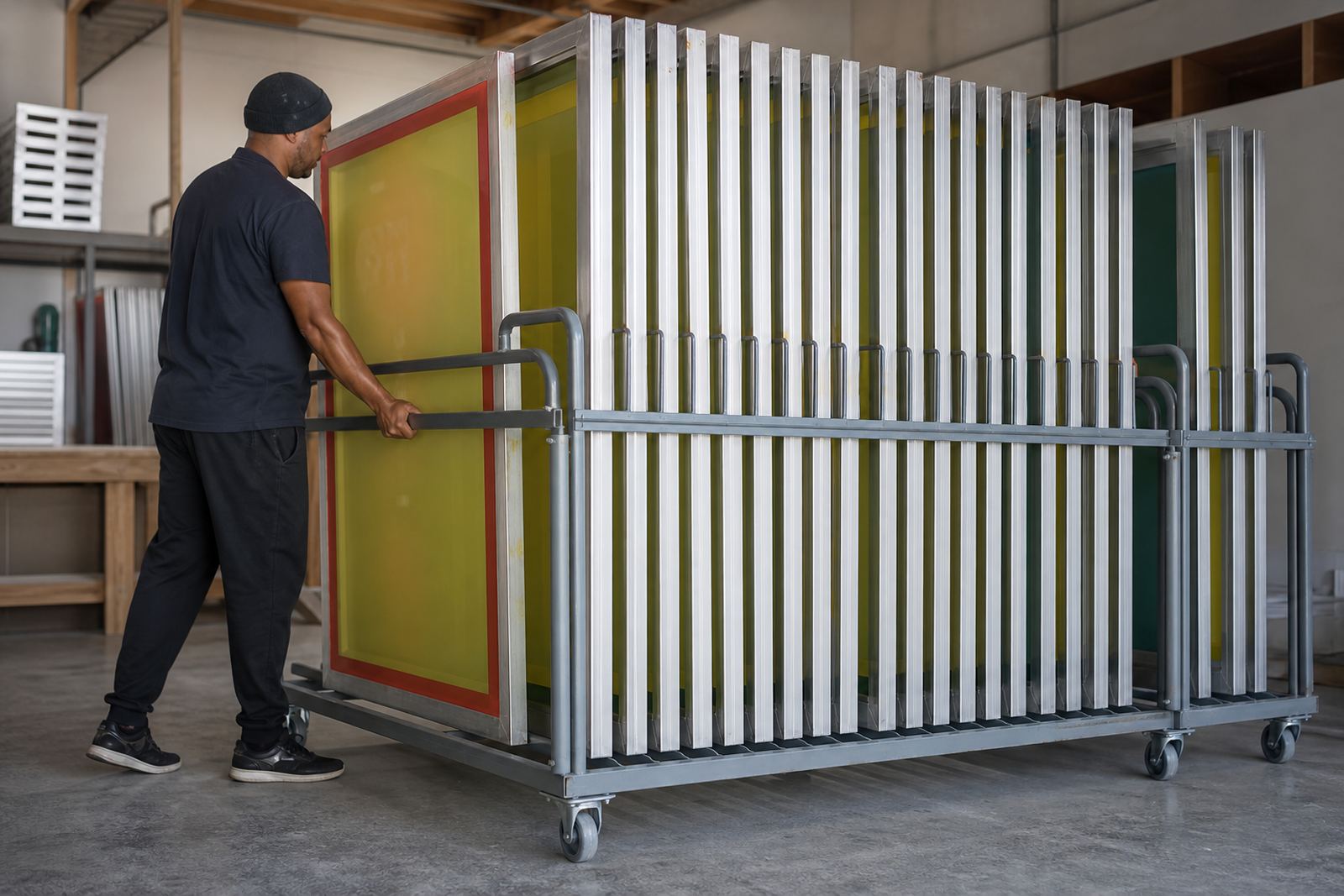
Fit is not only about whether the frame slots into the press. It is also about how it feels in day-to-day use. A heavy or awkward screen can slow the operator down, especially when setting up long runs or moving between stations. In a workshop with one person doing setup, printing and packing, the wrong frame weight becomes a real problem.
For smoother work, aim for frames that can be lifted, positioned and clamped without strain. That is particularly useful when the crew is handling bulk screen orders or moving jobs between collections in Bellville and supply routes through Paarl. If the frame is awkward to handle, the press operator will start compensating with body position and that often leads to inconsistency.
- Choose a frame that can be fitted without twisting the wrists.
- Check that the screen does not snag on the platen edge during setup.
- Make sure the clamp release and refit action can be done quickly between prints.
Use A Local Example To Test Fit Before A Full Run
A good fit test should be practical. For example, a Cape Town printer doing a 50-shirt order for a school event can set the screen on the manual press, lower the head and check whether the frame clears the pallet adhesive, whether the print zone sits where expected and whether the clamps hold without movement. If the screen shifts even slightly before ink goes down, that issue will repeat throughout the run.
That same approach works for printers in Johannesburg, Pretoria and Durban who need reliable turnaround on mixed garment orders. Test the fit with a real garment, not just with an empty press. Check side clearance, placement marks and how the frame behaves after a few cycles. Sometimes a screen that looked fine on the bench shows its weakness only once the press is under pressure, so a short dry run is worth it.
For workshops that want the screens prepared properly, ScreenFrame offers new screen stretching, restretching of existing frames, tension checks and custom size stretching from Maitland, Cape Town, with supply routes and deliveries across South Africa.
What To Ask Before You Send Screens For Stretching
If you are sending frames out for stretching or restretching, give the workshop the details that matter for manual press use. A few clear notes can prevent a poor fit and save time when the screens come back. The more exact the brief, the better the result on press.
- What manual press model or clamp style the screen will be used on.
- The size of the print area and whether the job is front, back or sleeve work.
- Whether the screen must suit bulk production or short custom runs.
- Any known issues with previous frames, such as warping or loose tension.
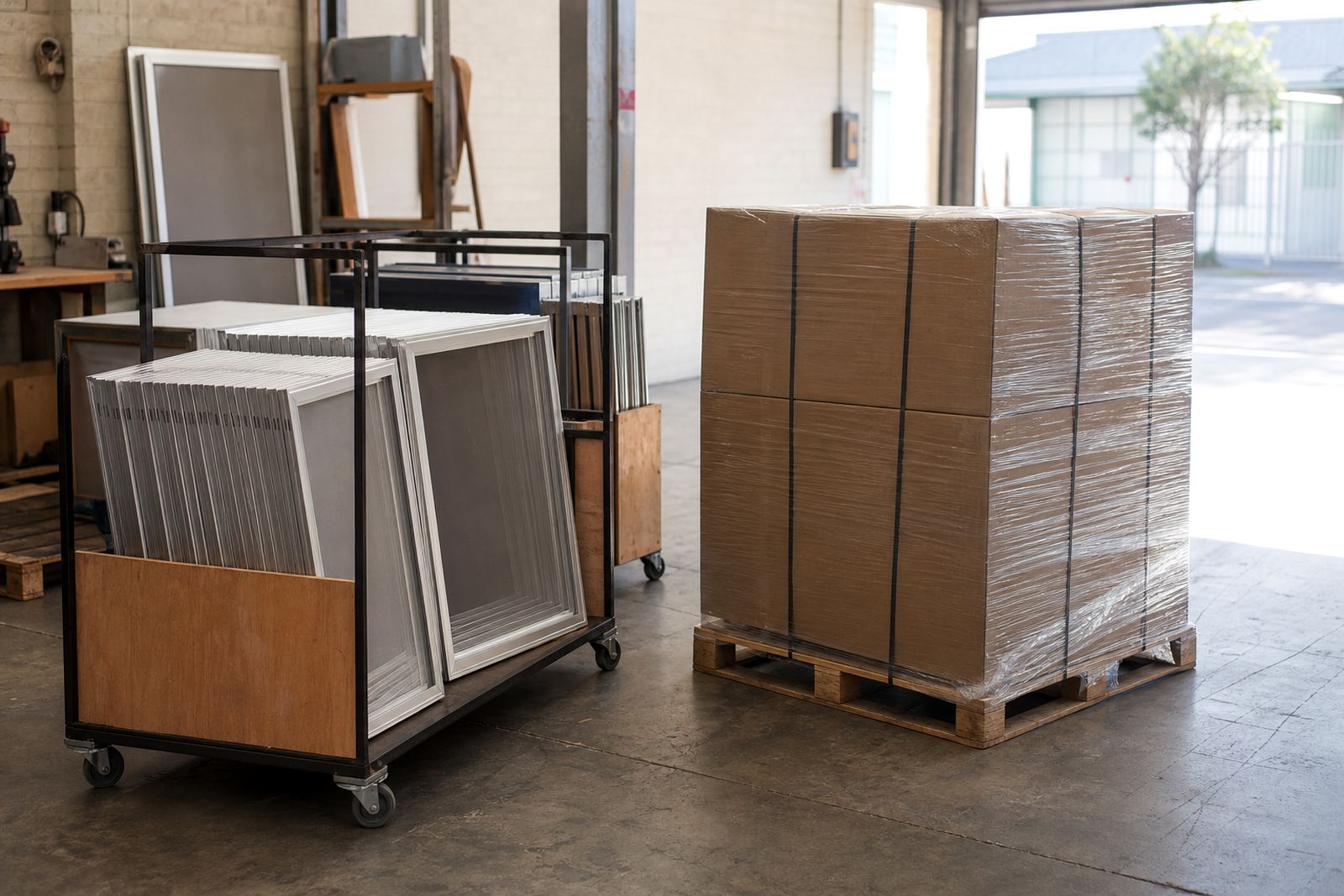
Screen care also matters after the job is done. Keep frames clean, store them out of direct sun and avoid stacking them where corners can bend. In humid coastal conditions or during load-shedding when storage rooms can get warm, proper handling makes a big difference to how long the fit lasts. A well prepared frame should sit securely and work smoothly, not fight the press every time.