
Why screen condition changes your output
In garment printing, consistency is not only about ink mix or press setting. If the screen has uneven tension, a damaged mesh edge or old adhesive build-up, the print can shift from one pass to the next. That leads to fuzzy details, blocked halftones and rework that eats into the day.
A dependable screen gives the printer a stable base. It helps the stencil hold detail, keeps the squeegee action more even, and makes it easier to return to a job next week and match the earlier batch. For shops in Cape Town, Johannesburg, Durban, Pretoria and Gqeberha, this matters even more when work comes in batches and reprints need to look the same as the first run.
We see this often in Maitland where humidity, dust and workshop traffic all play a part. A frame that looked fine on Monday can start giving trouble by Friday if it was not checked properly, especially on longer runs.
What steady tension does for repeat orders
Good tension is the quiet part of a clean print. It affects snap-off, registration and how quickly the mesh returns after each stroke. If one screen is tight and the next is loose, the printer has to keep adjusting and that slows the whole table down.
For repeat orders, stable tension means a better chance of matching the original print without extra test pulls. That matters for schoolwear, promo garments and workwear where clients expect the same logo, same placement and same colour density every time. It also helps reduce the scrap pile, which is useful when cotton prices are up and wastage hurts the margin.
- More even ink release across the full image area
- Cleaner fine detail on text, lines and small logos
- Less need to chase registration on multi colour jobs
- Faster set up when the same screen returns to press
The everyday wear that causes drift
Screens do not fail all at once. The problems build up from the usual workshop pressures: repeated cleaning, heat drying, rushed handling and storage in a cramped space. Mesh can lose tension over time, frames can collect residue and corners can take knocks during transit.
South African conditions add another layer. Coastal humidity in Durban and Gqeberha can affect drying and adhesive performance. Inland dust in Pretoria or Johannesburg can settle on stored screens and interfere with clean contact. During load shedding, extra stops and starts can leave more time for screens to sit with residue on them, which is not ideal for the next job.
When a screen is inspected properly, small issues are spotted before they turn into a production problem. That might be a loose mesh edge, a frame that needs cleaning, or an area where the adhesive has started to lift.
Simple habits that keep screens printing the same way
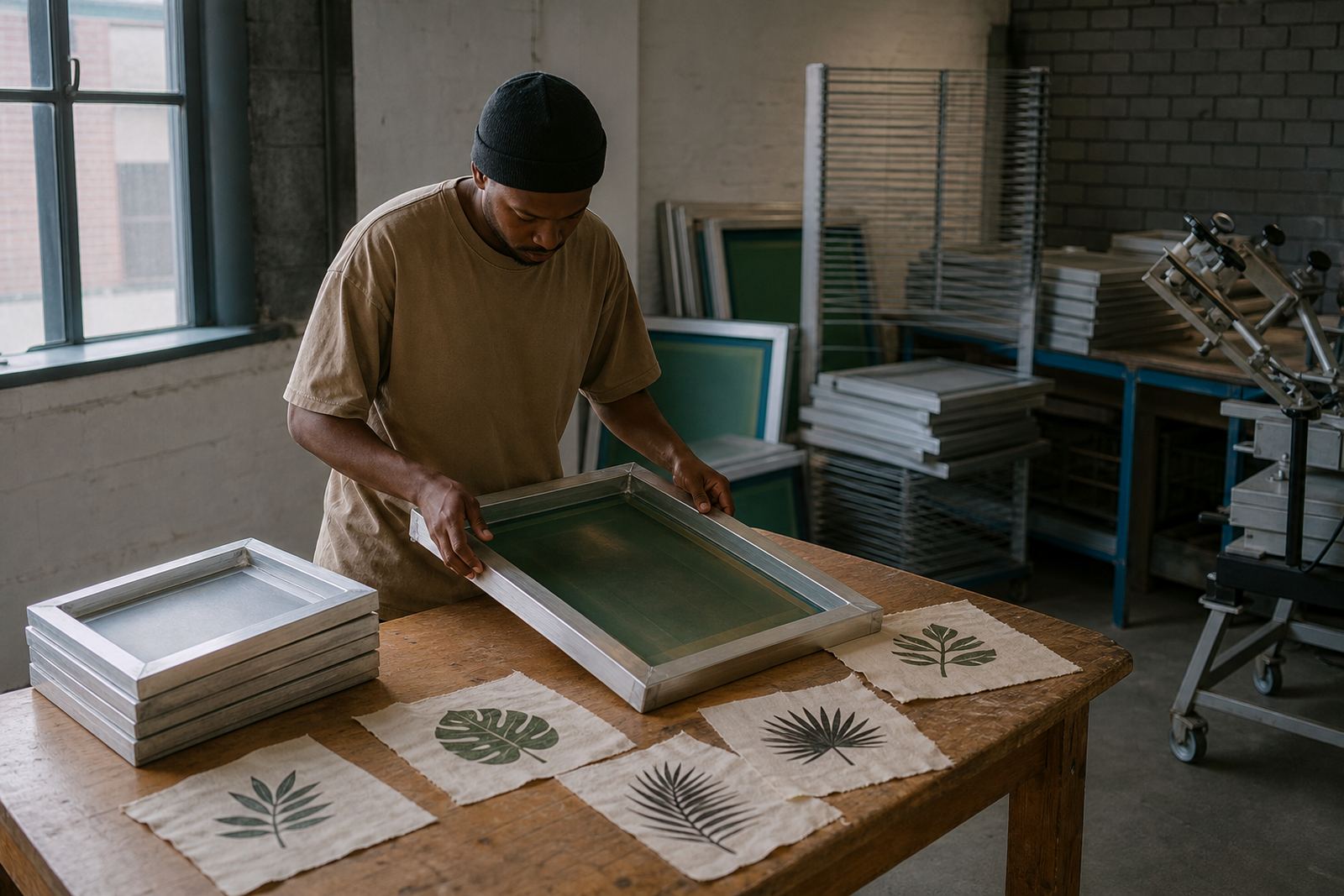
Most workshops do better with a basic routine than with fancy fixes. A short check before and after a run helps the team keep control of the screen inventory and avoids surprises mid-job. It also makes it easier to separate a usable frame from one that should go back for restretching or cleaning.
- Check tension before a long run, not after the first bad print
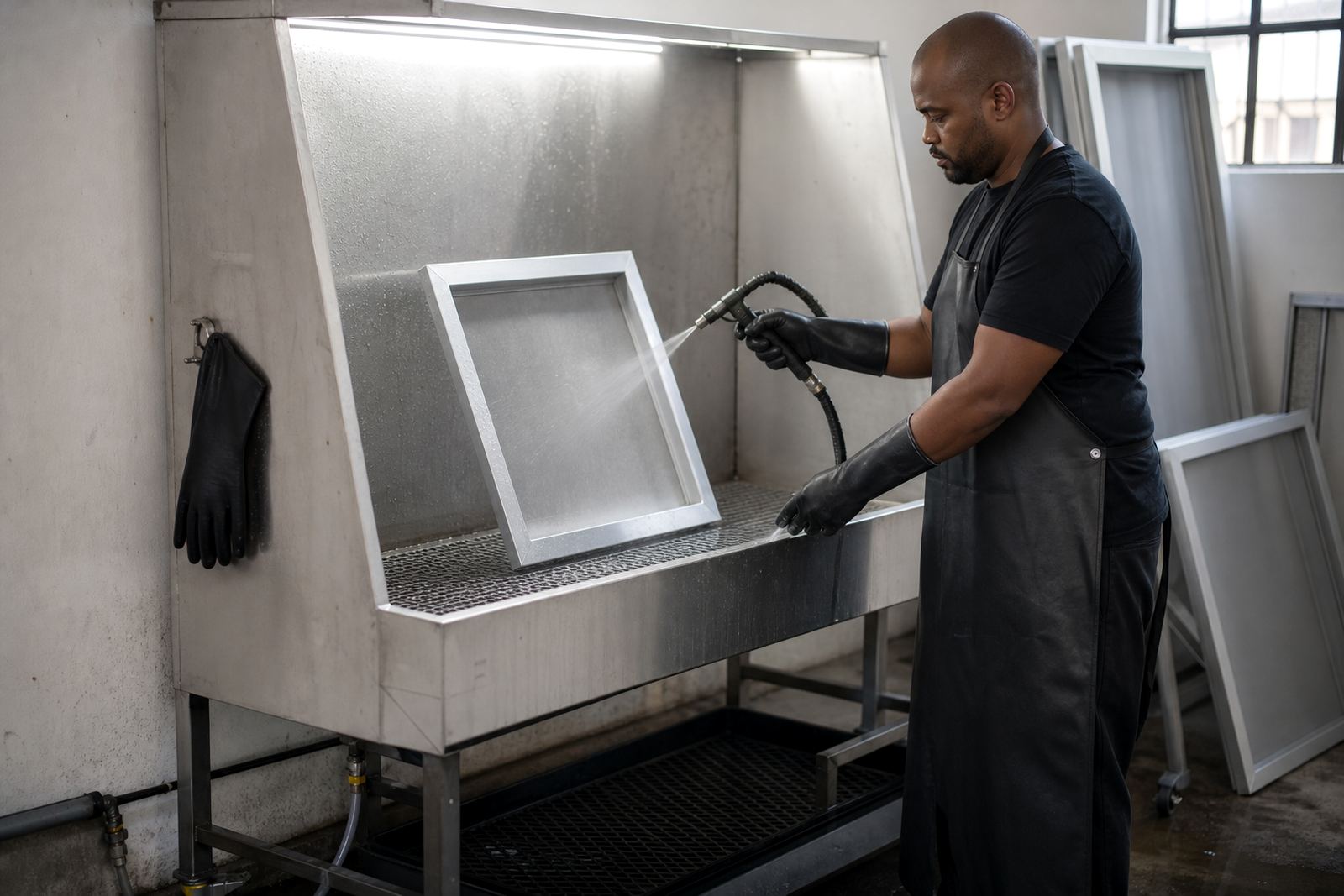
- Remove ink residue fully instead of leaving a thin layer behind
- Store screens upright in a dry area where they will not warp
- Mark frames clearly so repeat jobs use the same mesh size and spec
- Inspect corners, adhesive lines and mesh edges after transport
These checks take a few minutes, but they save time later. A printer who starts with sound screens usually spends less time correcting faults and more time completing orders. It is basic shop floor discipline, nothing more and it pays off quickly.
A Maitland example that shows the difference
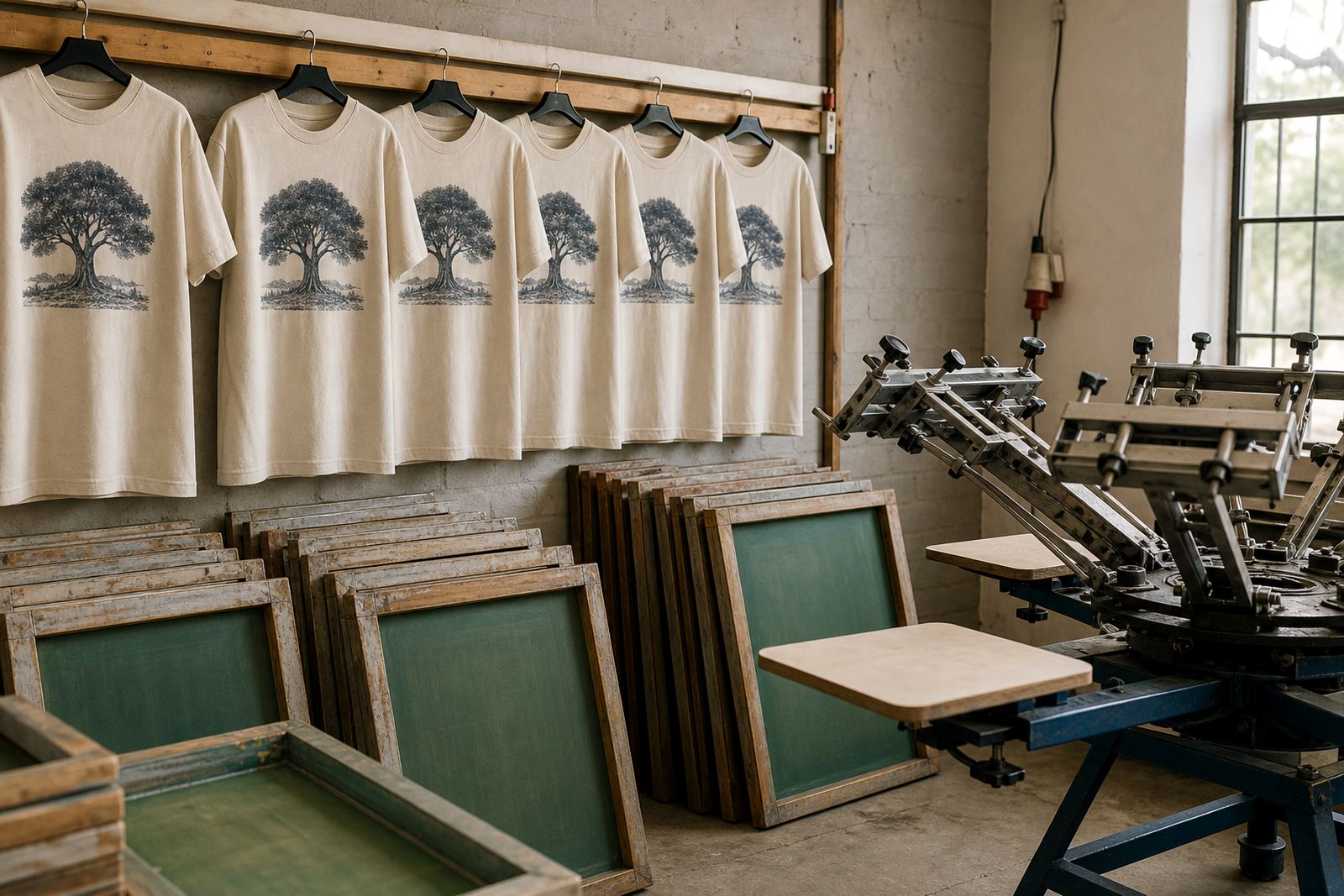
A local garment printer in Maitland had a common problem: one batch of tee shirts matched well, then the reprint two days later looked different even though the same artwork was used. The issue was not the artwork. A few screens had uneven tension from repeated use and there was leftover adhesive on one frame. The press operator kept adjusting the squeegee angle, but the root cause stayed on the screen side.
After the screens were cleaned, inspected and restretched where needed, the second run came off more evenly. Registration was easier and the client accepted the reprint without delay. That kind of outcome saves labour and helps keep a print shop’s schedule under control, especially when there are deliveries lined up to Bellville, Paarl or across the country.
It is a small example, but it shows how dependable screens support the whole workflow. You can have the right inks and a steady crew, but if the screen is off, the job is off too.
When to restretch, clean or replace
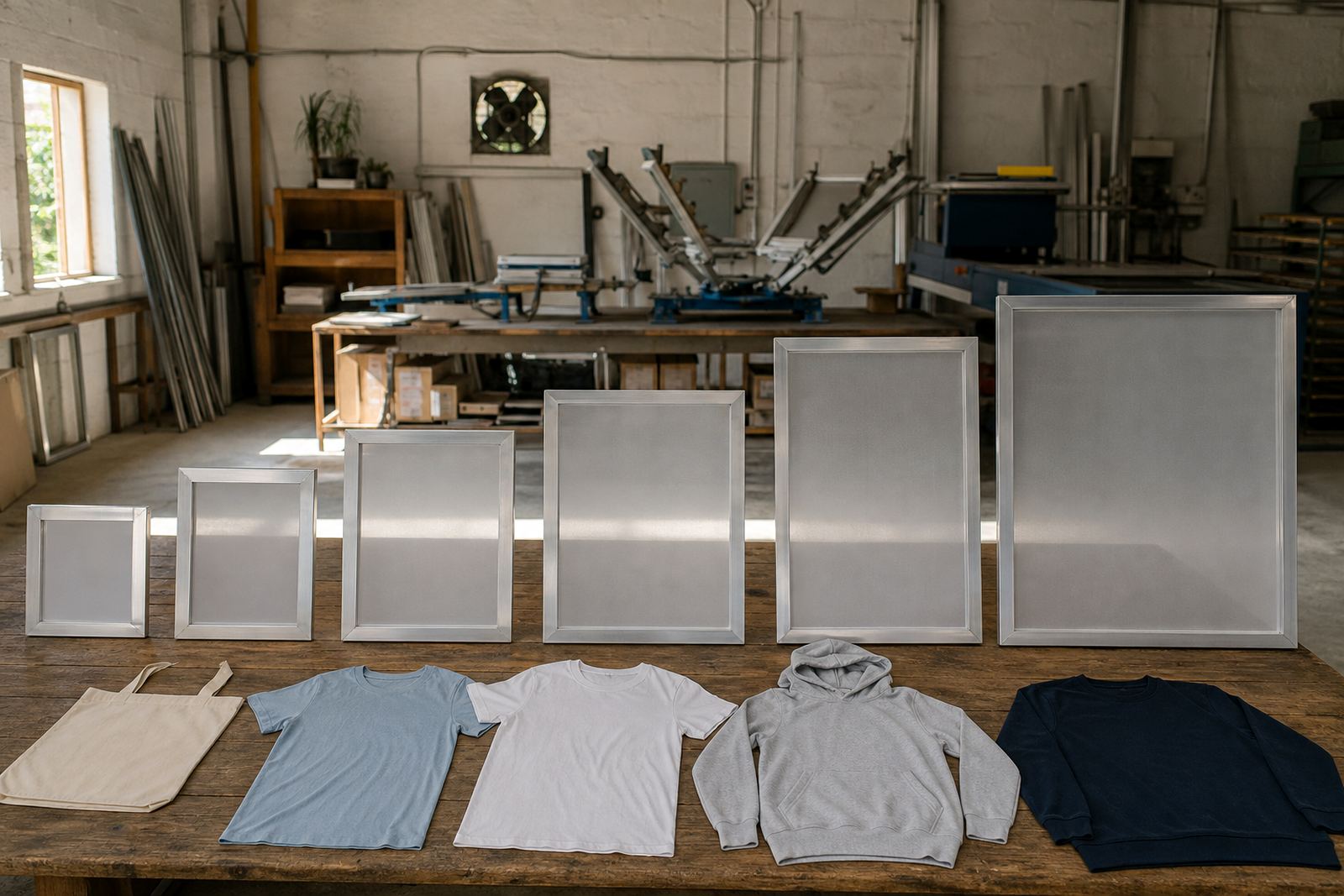
Not every screen needs replacement. In many cases, restretching an existing frame or removing old mesh is enough to bring it back into use. The key is knowing what condition the frame is in and whether it can still hold proper tension for the job at hand. A good inspection tells you that faster than guessing does.
Screen printers usually benefit from a simple rule: if the frame still has life in it, keep it in service with proper maintenance. If the mesh has become unreliable or the frame has taken damage, it is better to sort it out before it affects production. That is where bulk screen orders, custom size stretching and urgent turnarounds can help keep the shop moving.
- Restretch existing frames when the frame is sound but the mesh has faded or loosened
- Use frame cleaning and adhesive application when residue is affecting print quality
- Book a tension check if repeat jobs are suddenly not matching
- Ask for pickup and return when the workshop schedule is already full
For printers working from Cape Town to Durban, dependable screens are part of good business practice. They help keep the output steady, make reprints simpler and reduce the kind of stop-start work that throws off a production day.
Keeping production steady across the country
Production consistency is built from small things done well. Clean frames, correct tension, regular inspections and careful handling all add up to fewer surprises on press. When the screen is dependable, the printer can focus on colour, placement and finish instead of chasing problems from one job to the next.
That matters whether the order is coming through from a small hobby setup or a busy garment workshop handling repeat work for schools, clubs and local businesses. Reliable screens support steadier output, easier reprints and better control over the final result. In a market where time and labour are tight, that is a practical advantage.
For screen stretching, mesh removal, cleaning and inspections, the aim is the same every time: give the printer a screen that behaves the same way today as it did on the last run. That is what keeps a production line moving, even when the week gets busy and the phones do not stop ringing.