

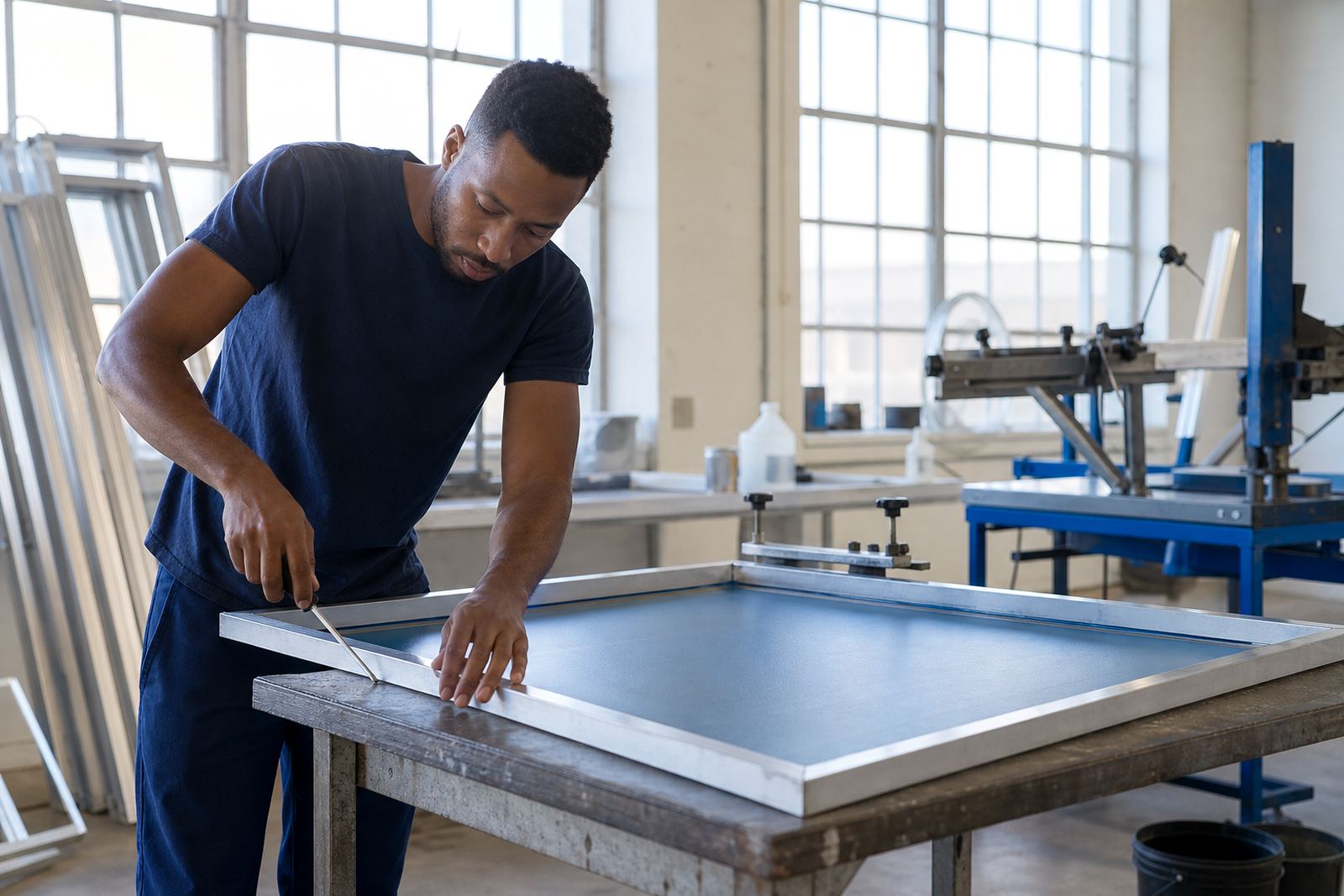
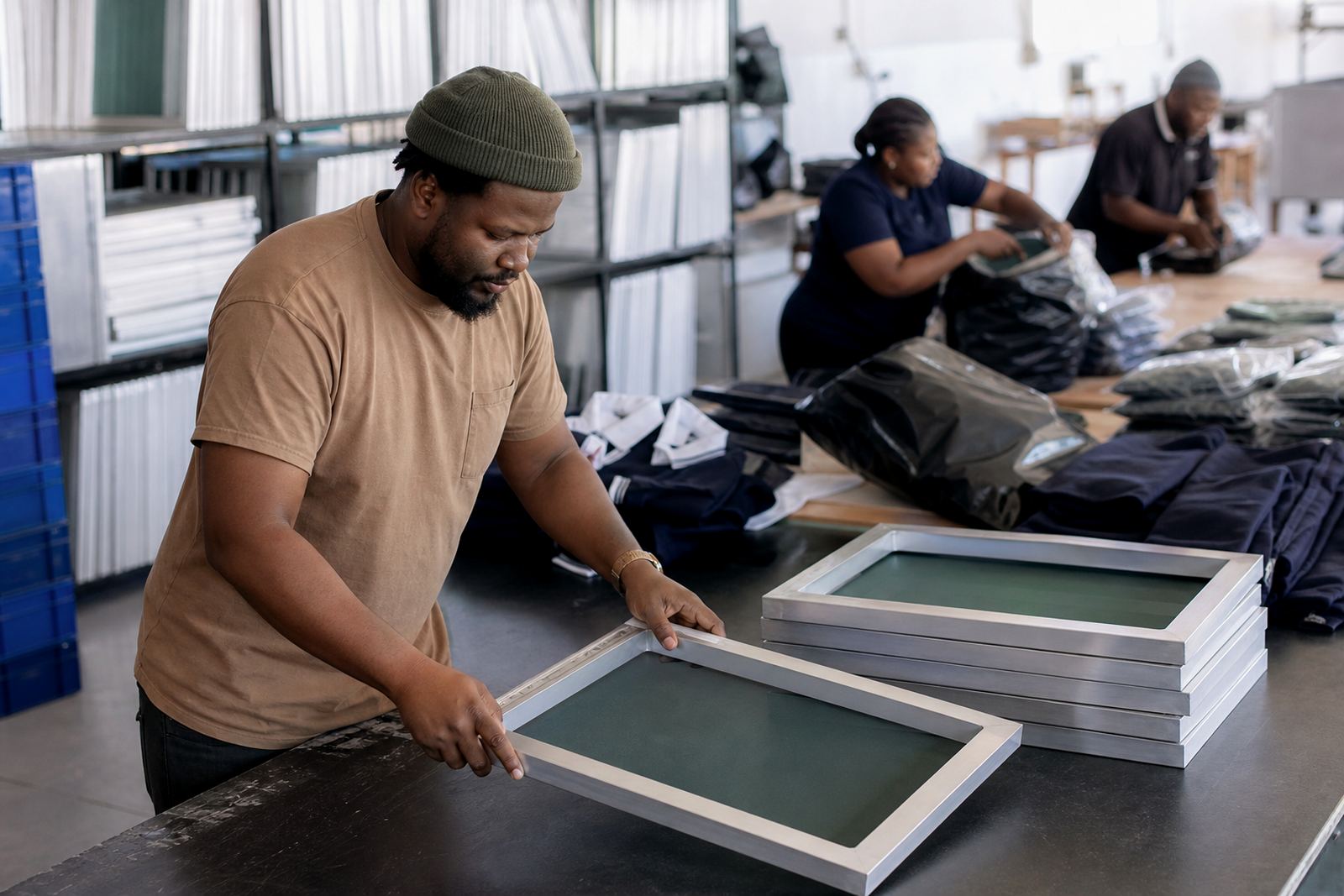
What These Print Shop Stories Cover
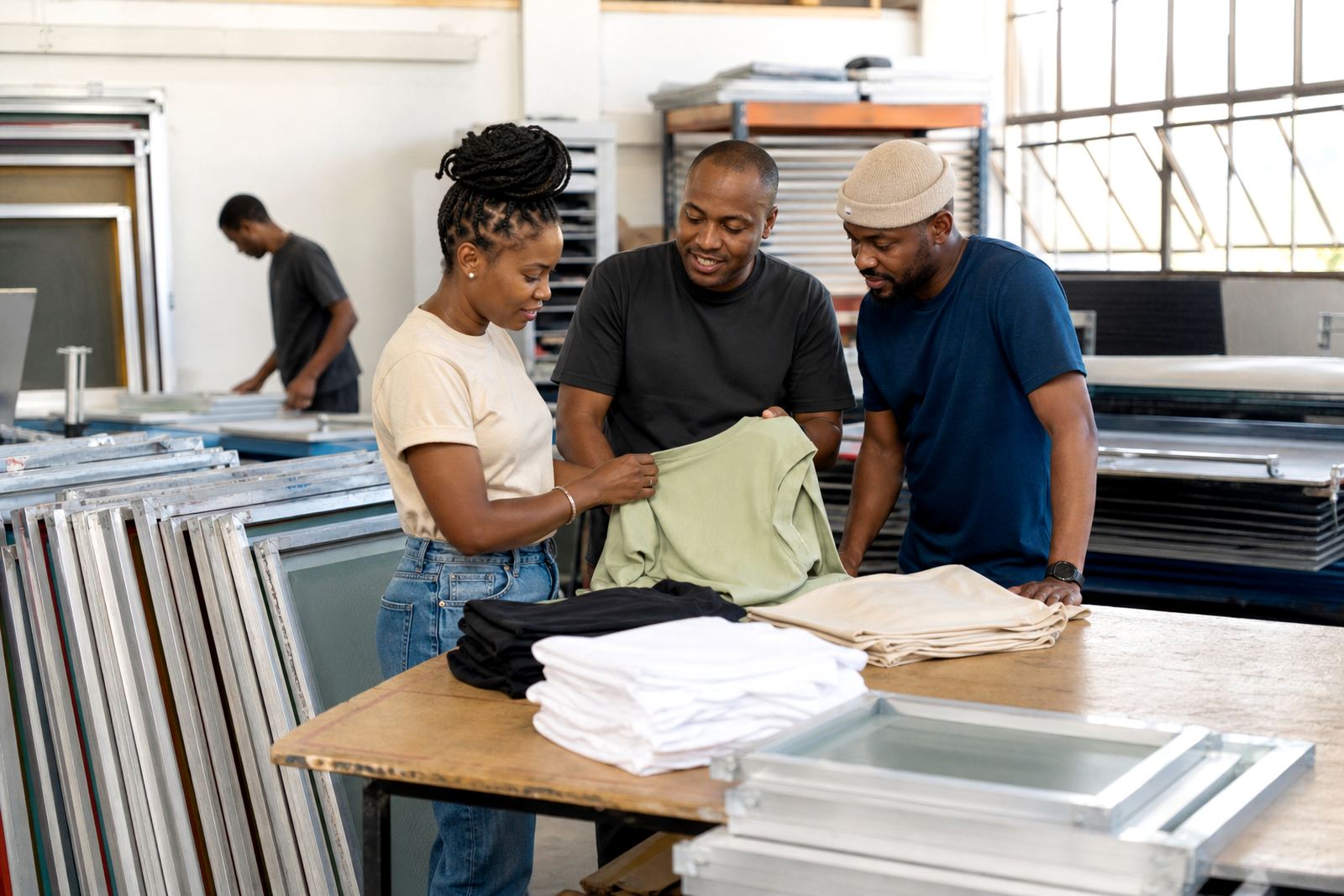
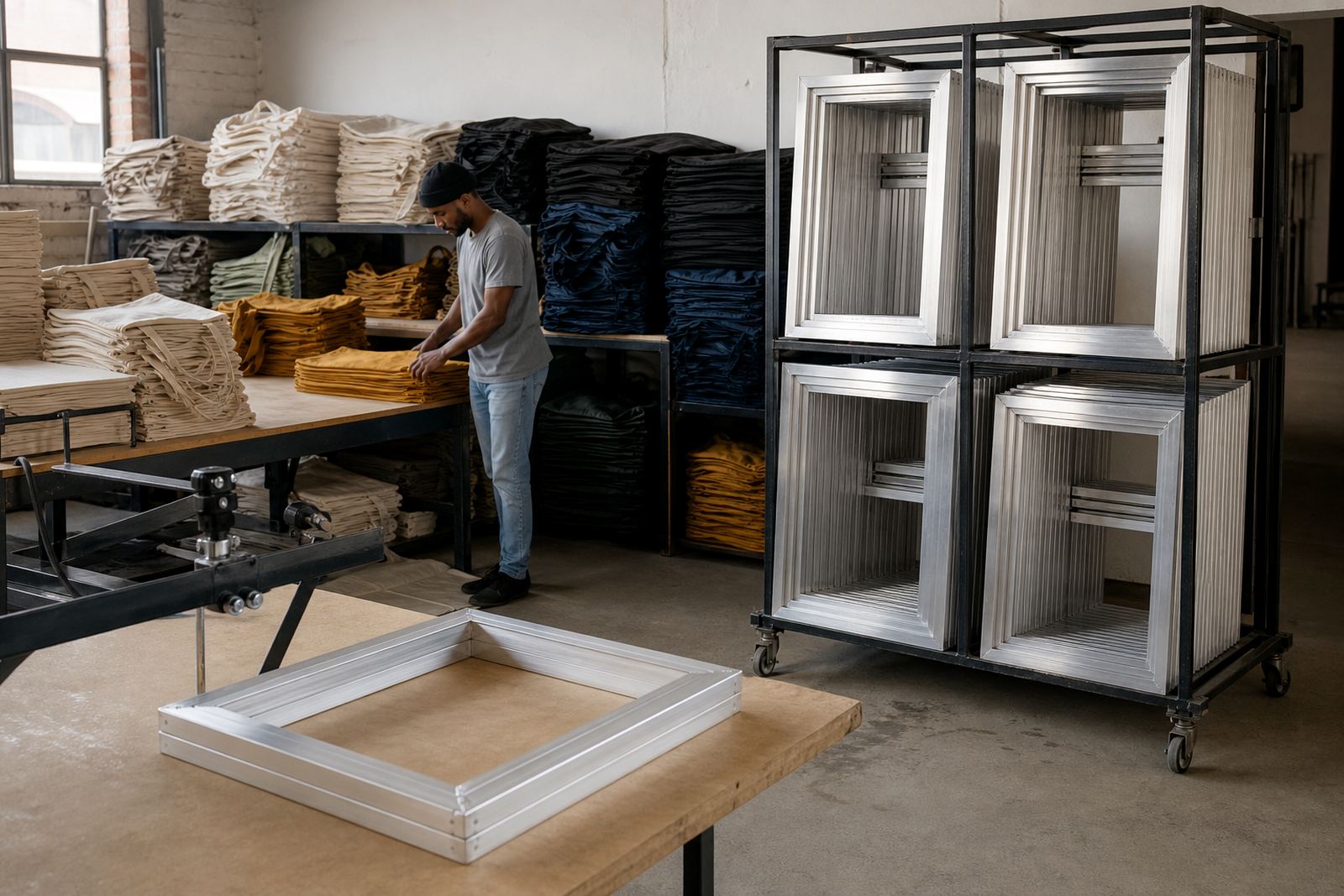
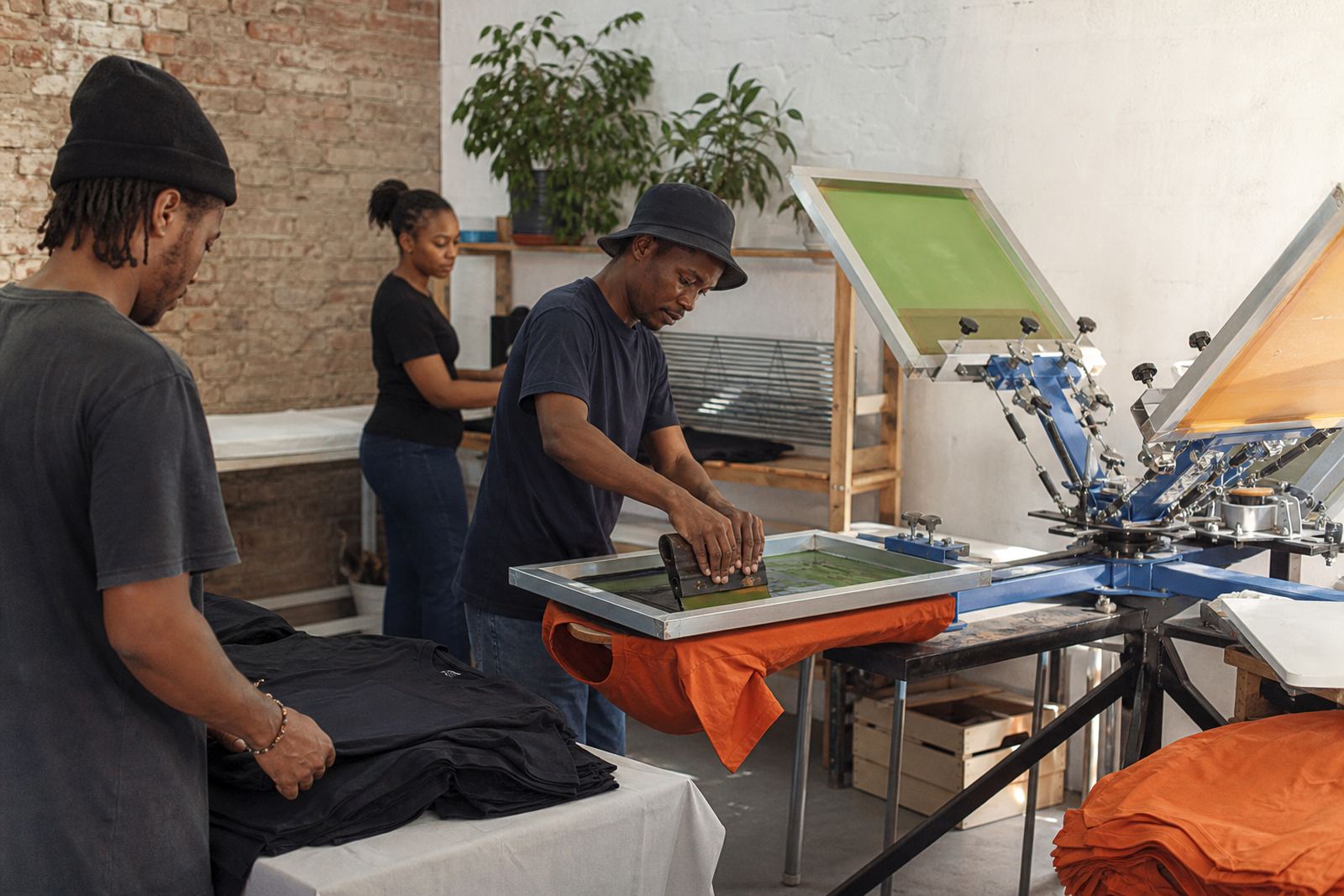
Each story focuses on a real printing need, such as fresh frames for a busy tee shop in Cape Town, restretching for a small studio in Bellville, or urgent replacements for a production run in Johannesburg. The details are practical on purpose, so you can compare your own setup with the kind of work we handle every week.
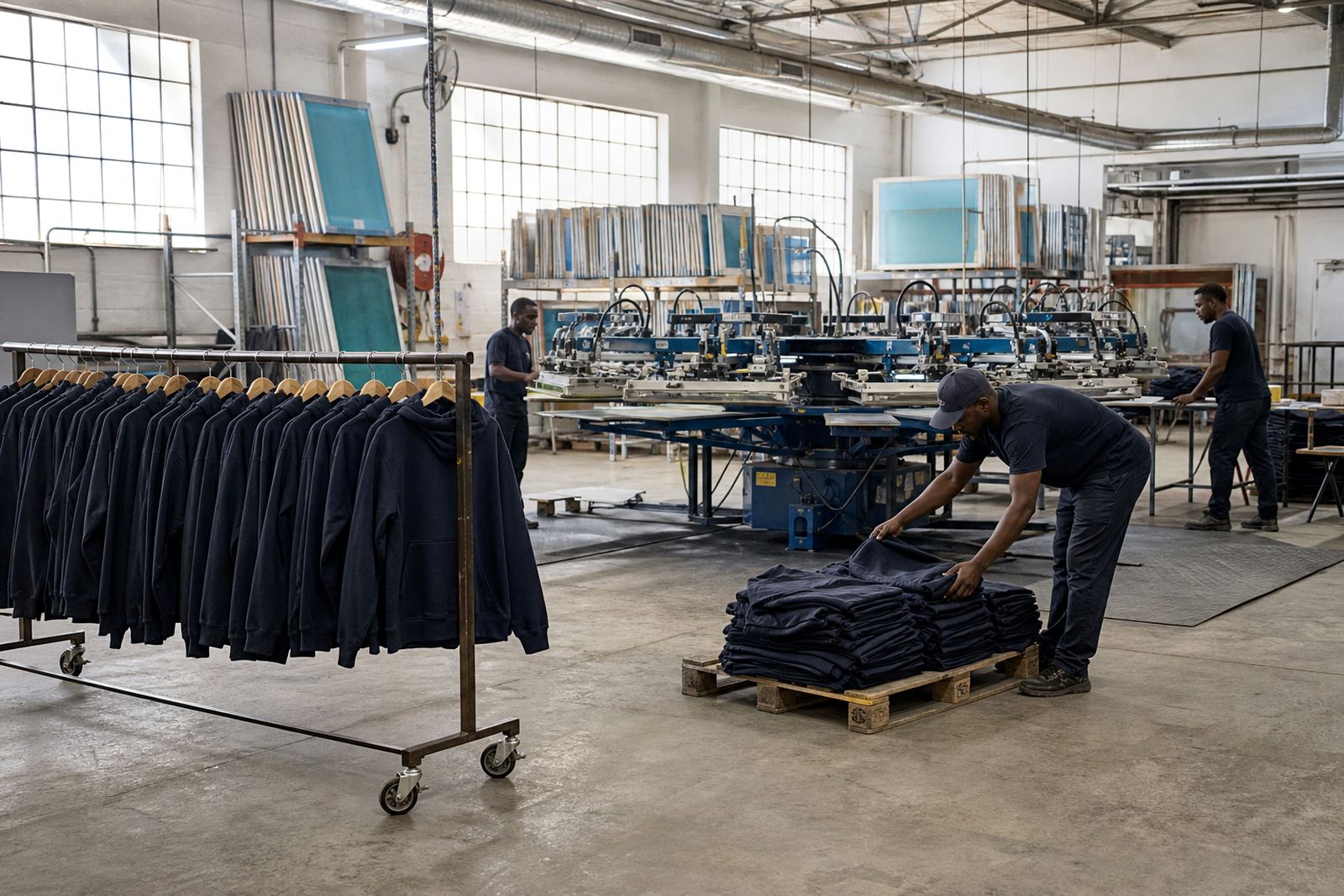
We work with garment printers in Maitland, Durban, Pretoria and Gqeberha, plus nearby collection and delivery routes. Some clients need a few screens for short runs. Others need repeated batches, tighter mesh control, or help after a frame has gone slack from heat, washing or years of use.
Cape Town Workshop Jobs and Coastal Wear
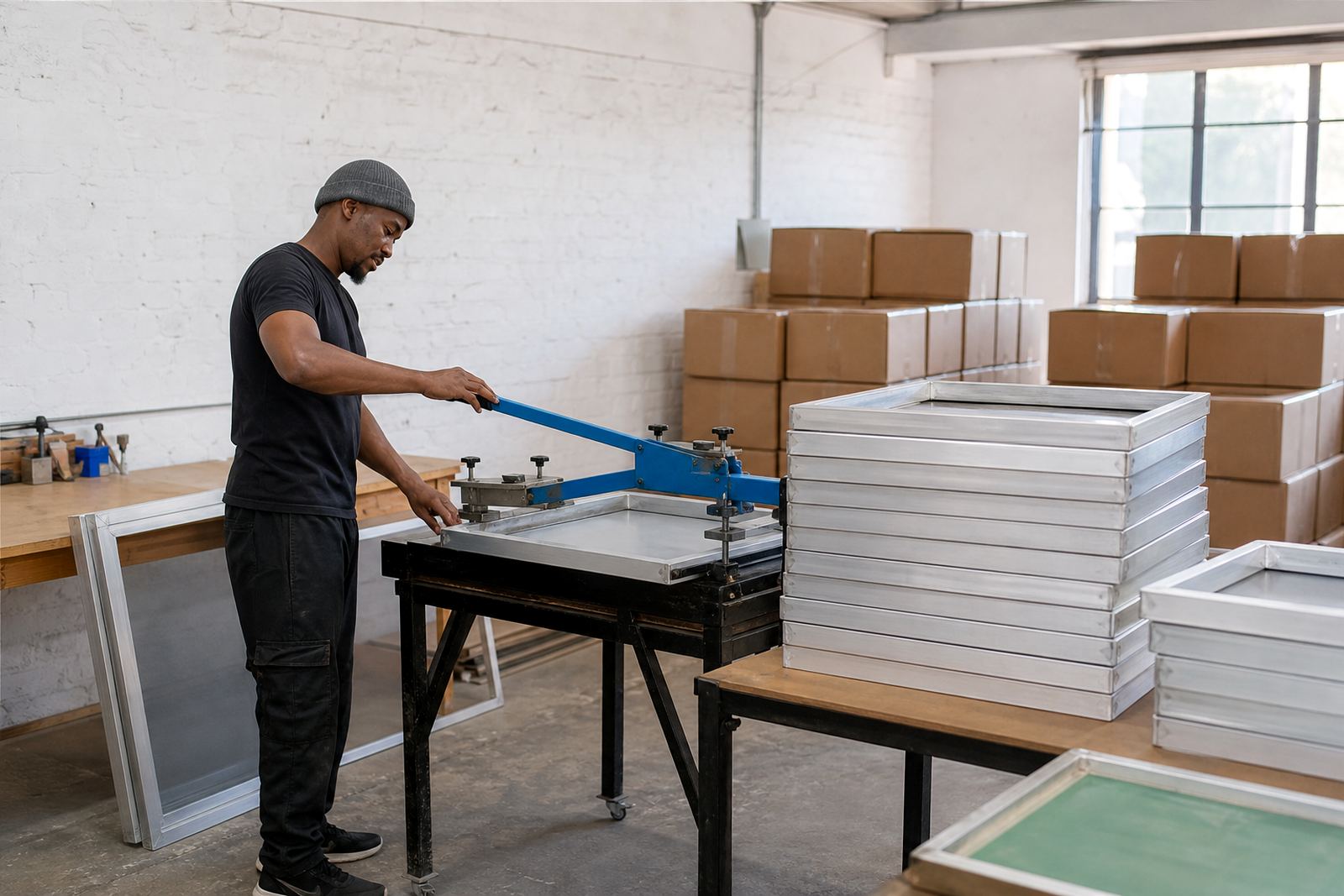
In Cape Town, the main issues are often humidity, salt air and workshop space. Frames stored too long near the coast can pick up corrosion around fittings and lose tension quicker than expected. A screen that looked fine last month may now need a full check before it goes back into production.
- New screen stretching for start-up print rooms in Maitland
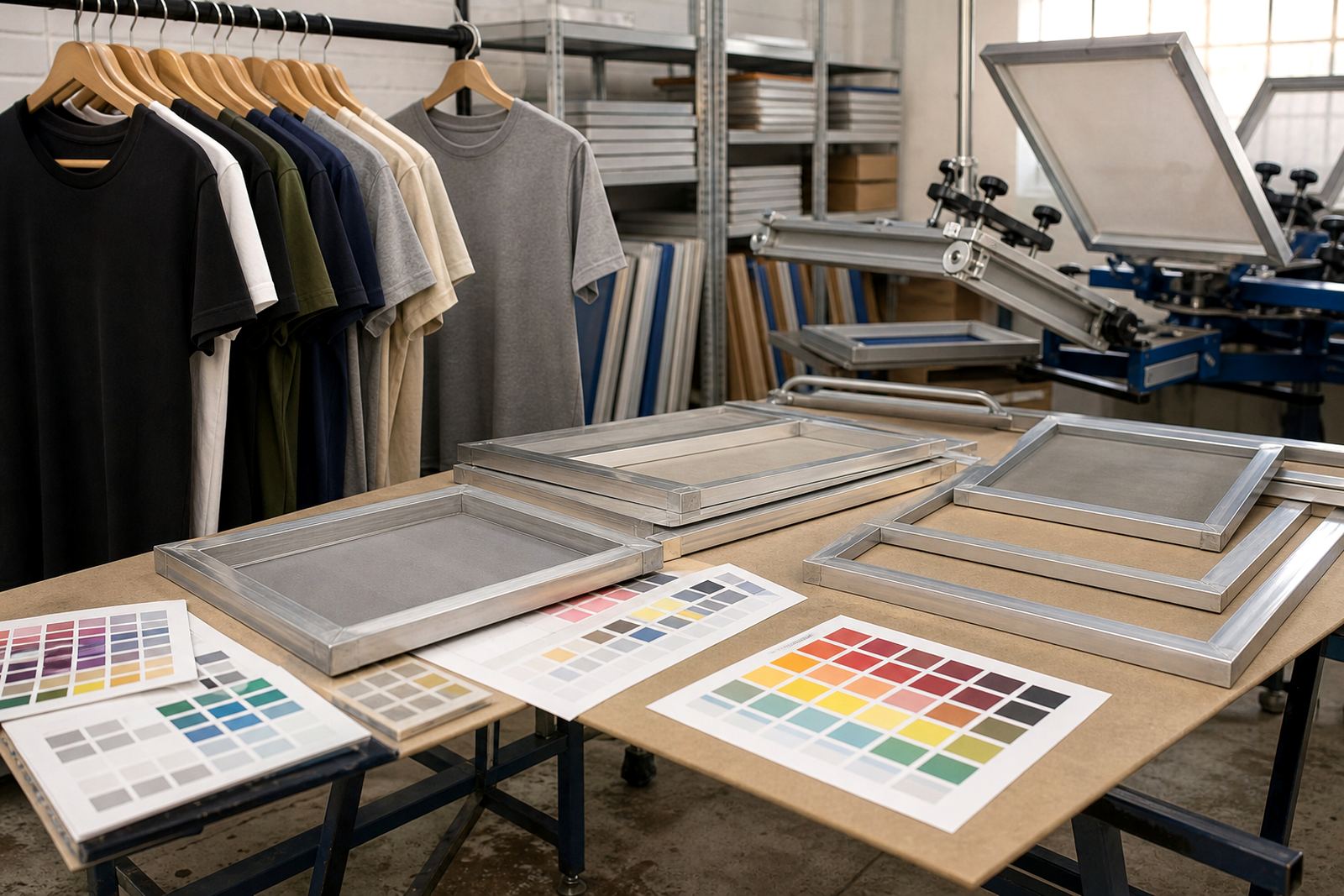
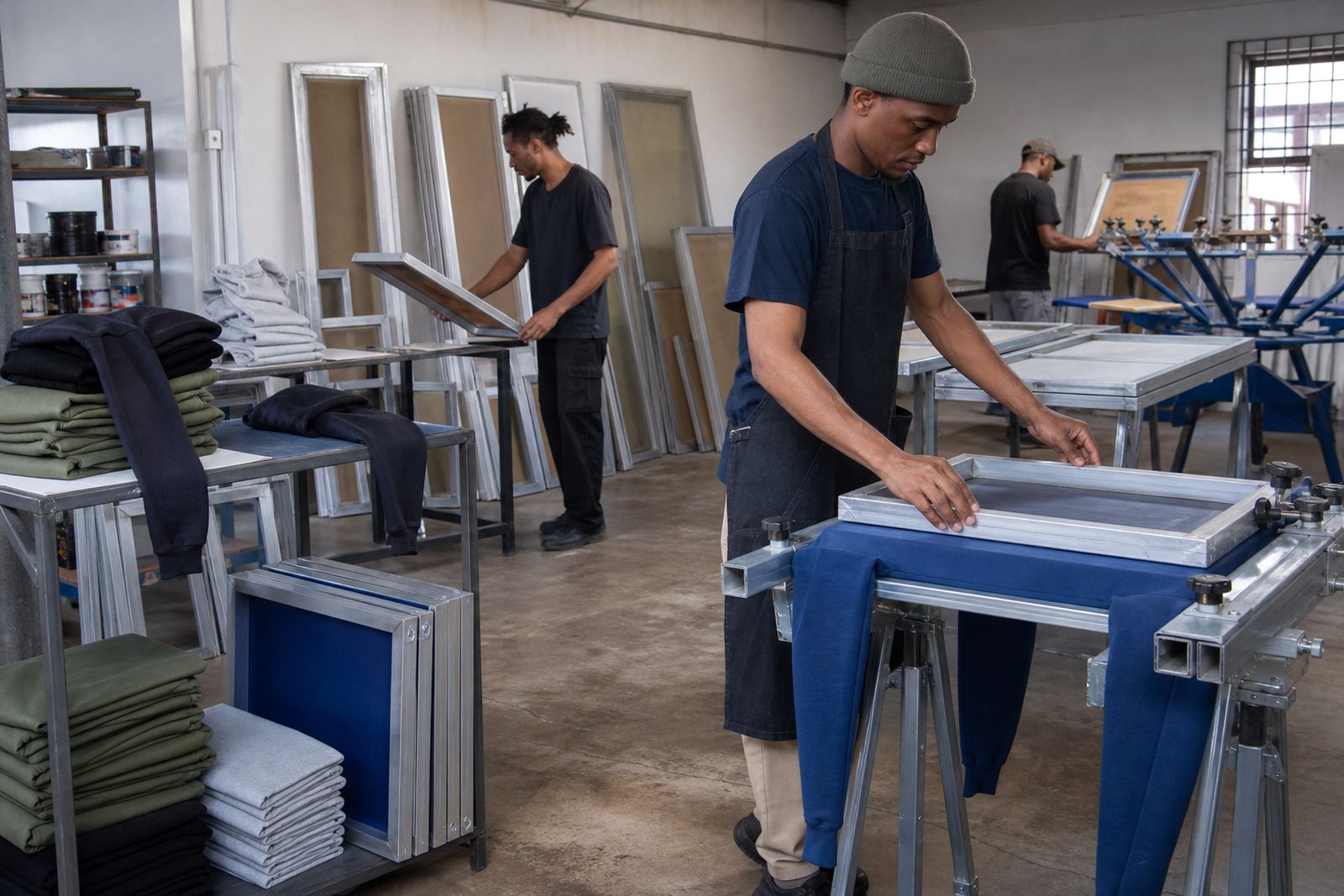
- Restretch existing frames after mesh fatigue or damage
- Frame cleaning and adhesive application for repeated use
- Pickup and return for teams that cannot spare workshop time
For coastal shops, a proper inspection before a big order can save a lot of trouble later. If the frame is bent, loose or poorly bonded, it is better to sort it out now then to lose a day on press.
How Gauteng Printers Use Bulk and Urgent Runs
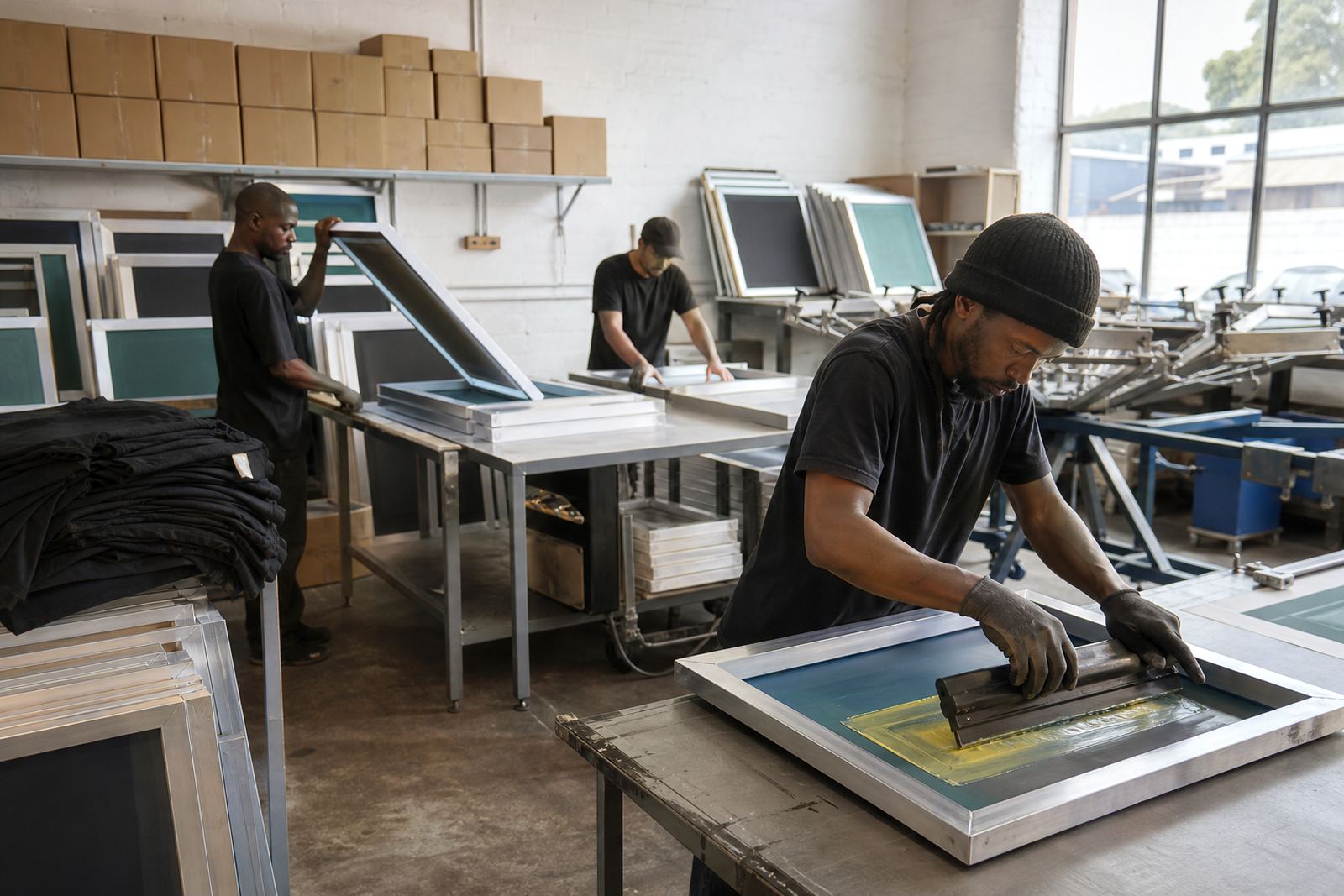
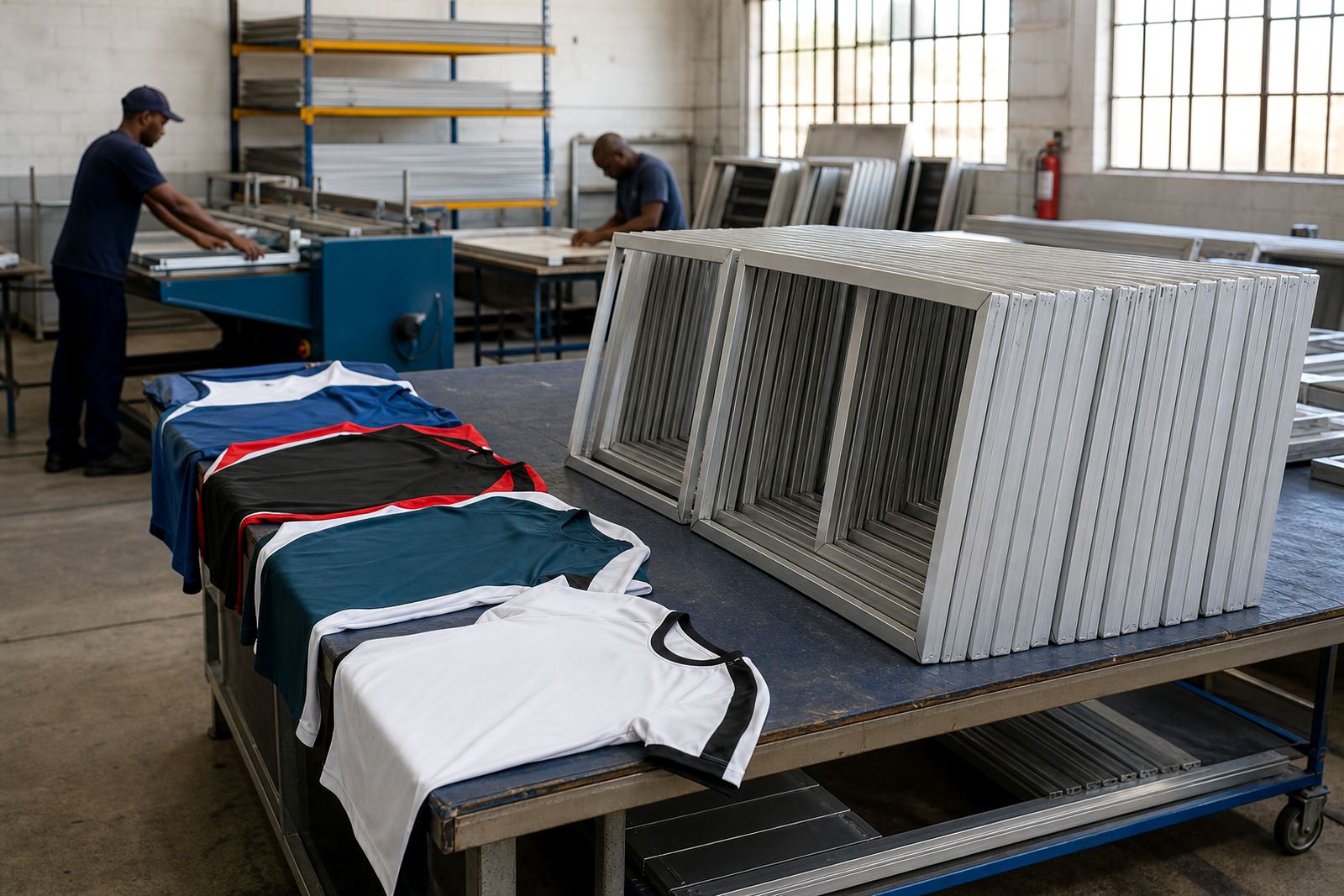
In Johannesburg and Pretoria, the work is often about volume and timing. Printers may need a batch of screens ready for a schoolwear run, corporate apparel order or market season rush. When production windows are tight, a delayed frame can hold up the whole line.
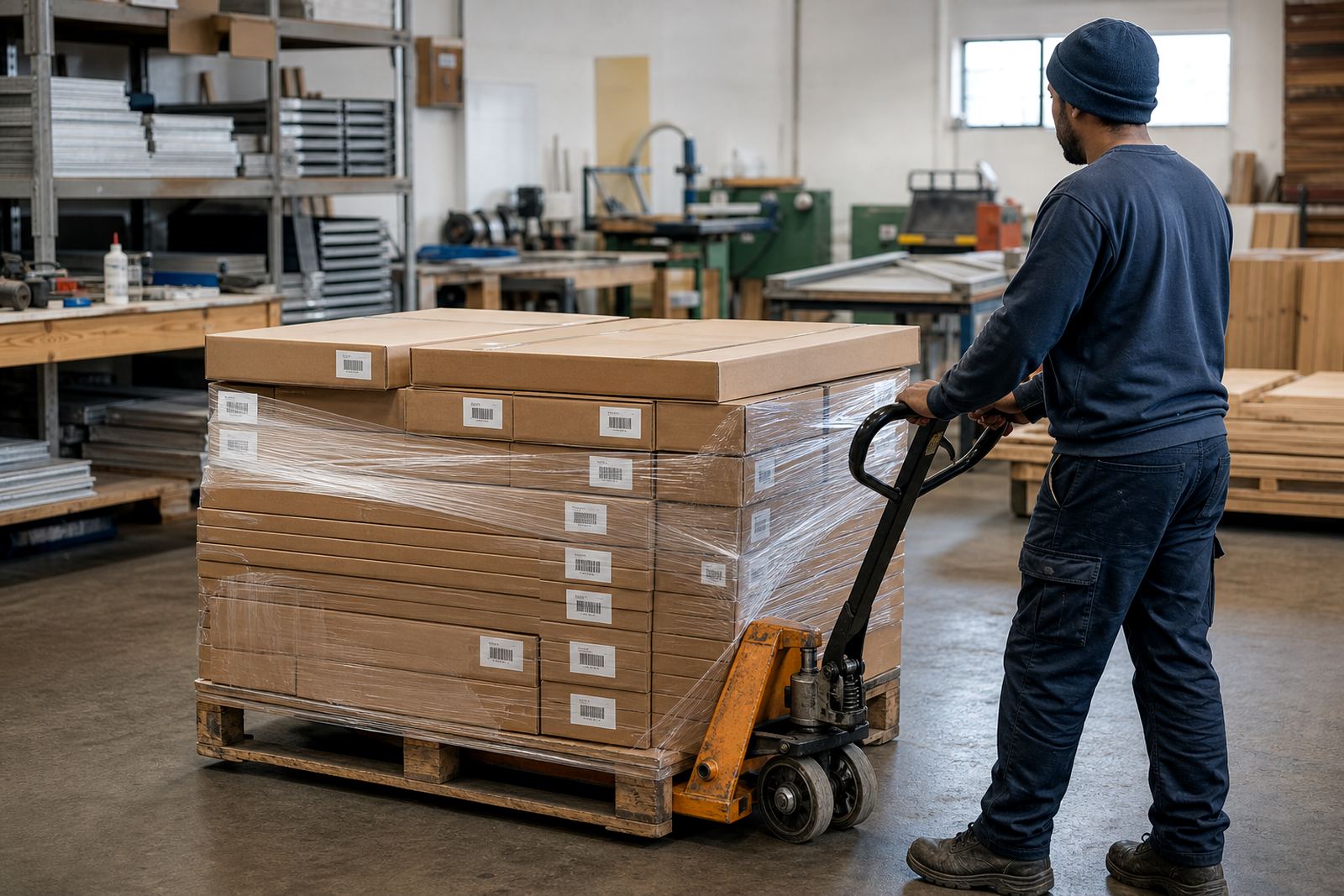
That is where bulk screen orders and urgent turnarounds come in. Some clients send a mixed batch: a few brand new frames, a few to be cleaned and re-meshed, and a few that only need tension checks. We treat each one as its own job, because a bulk order is only useful if the screens are actually ready to print.
- Bulk screen orders for repeat garment work
- Urgent turnaround for last minute production changes
- Custom size stretching for special artwork or press setups
- Screen inspections before dispatch to outlying areas
Durban and Gqeberha Projects in Humid Conditions
Durban and Gqeberha both bring moisture into the mix, though the conditions are not exactly the same. Humid air can affect adhesive performance, storage and how quickly a frame settles after stretching. If a screen has not been prepared properly, the mesh can relax and the print edges start shifting.
Clients in these towns often ask for screens that hold their tension and stay ready between runs. They also tend to value advice on storage, cleaning and handling, especially where load-shedding interrupts normal workshop routines and equipment sits longer than planned.
Common requests from these routes include mesh removal, tension checks and advice on how to keep screens in better condition between jobs. A small change in handling can make a big differnce over a full production month.
Bellville Collections and Paarl Supply Route
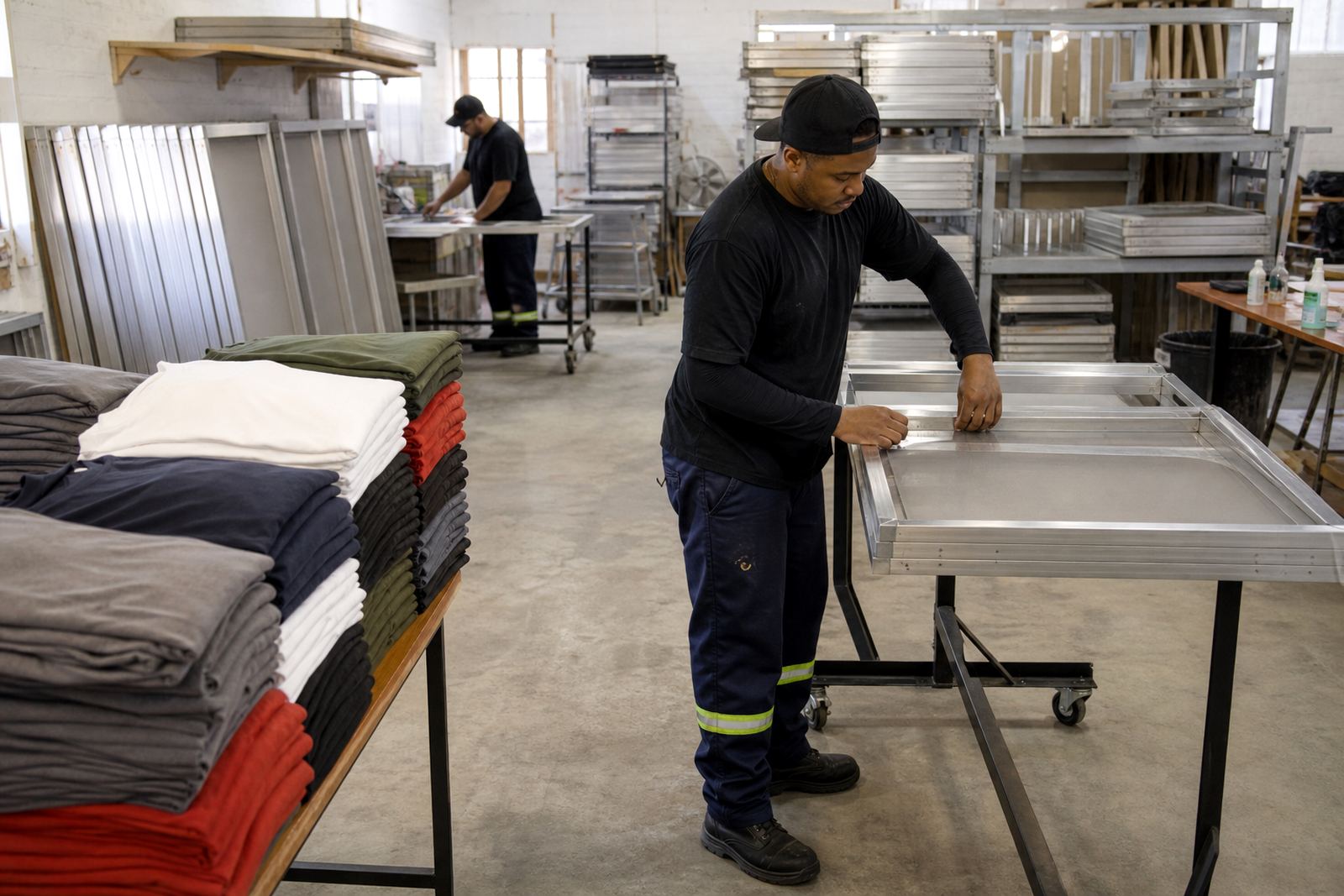
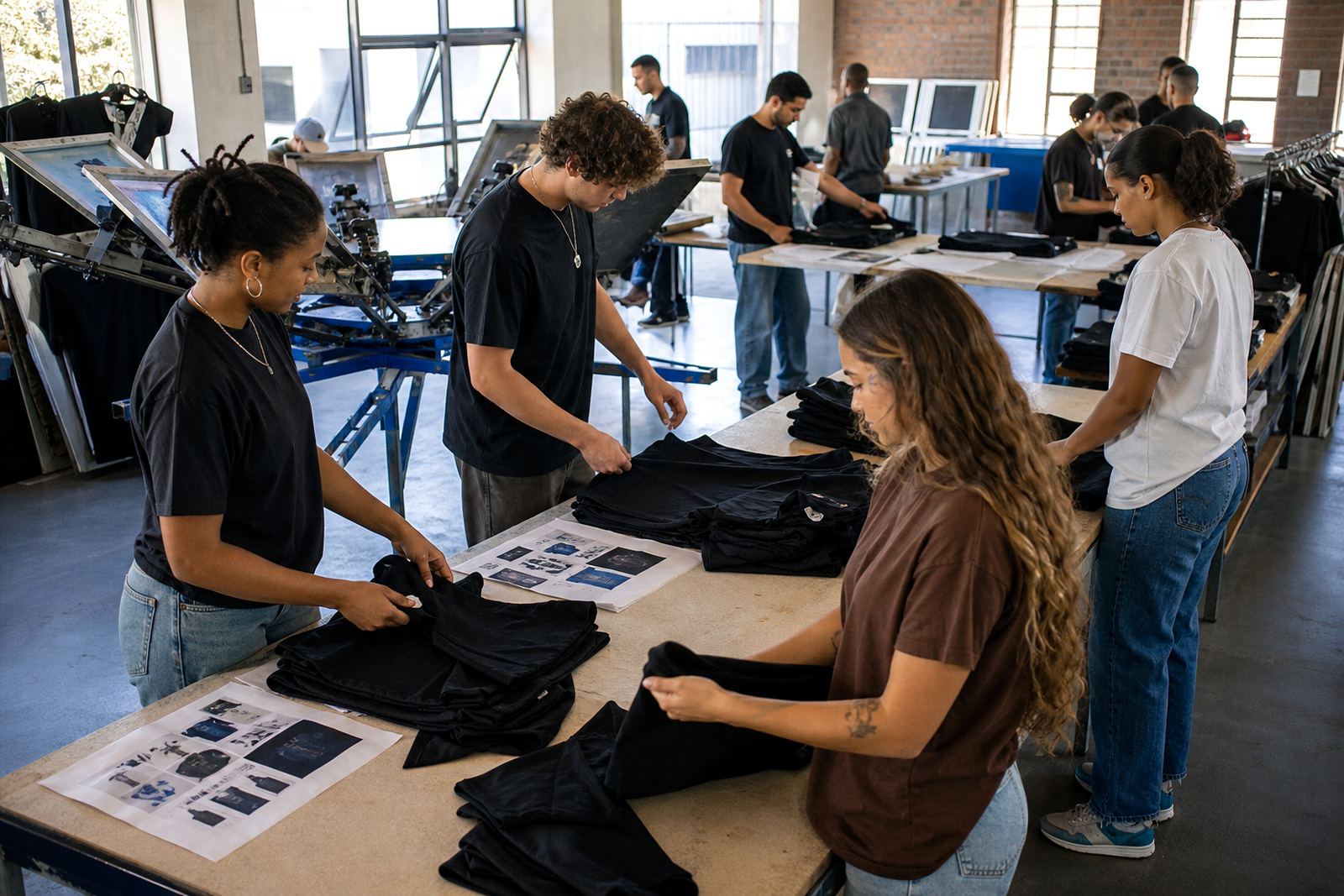
Some of the most practical jobs come from smaller production spaces. A home studio in Bellville may only need a few frames at a time, while a print room on the Paarl side may want regular supply runs without stopping the line. The job is still the same: keep the screens true and ready.
Collections suit clients who want to drop off tired frames, pick up finished work and keep the schedule moving. Supply routes help when a shop needs a steady flow of stretched screens without sending staff across town. For both, the aim is simple: less waiting, fewer surprises.
- Bellville collections for quick handover jobs
- Paarl supply route for regular production support
- Screen care advice for storage and handling
- Frame inspections before re-use or resale
Choosing the Right Story for Your Own Job
If you are unsure which story matches your setup, start with the condition of your frames. If they are sound but the mesh is tired, restretching may be enough. If the frame is dirty or the bond has failed, cleaning, mesh removal or adhesive work might be needed first.
For printers who work under pressure, the fastest way to decide is to think about your next run, not the last one. A small job can still need urgent handling, and a large job can still move smoothly if the screens are prepared properly. That is the point of these stories: to show how different print shops solve different problems, without overcomplicating it.