

Garment Printers Starting Small
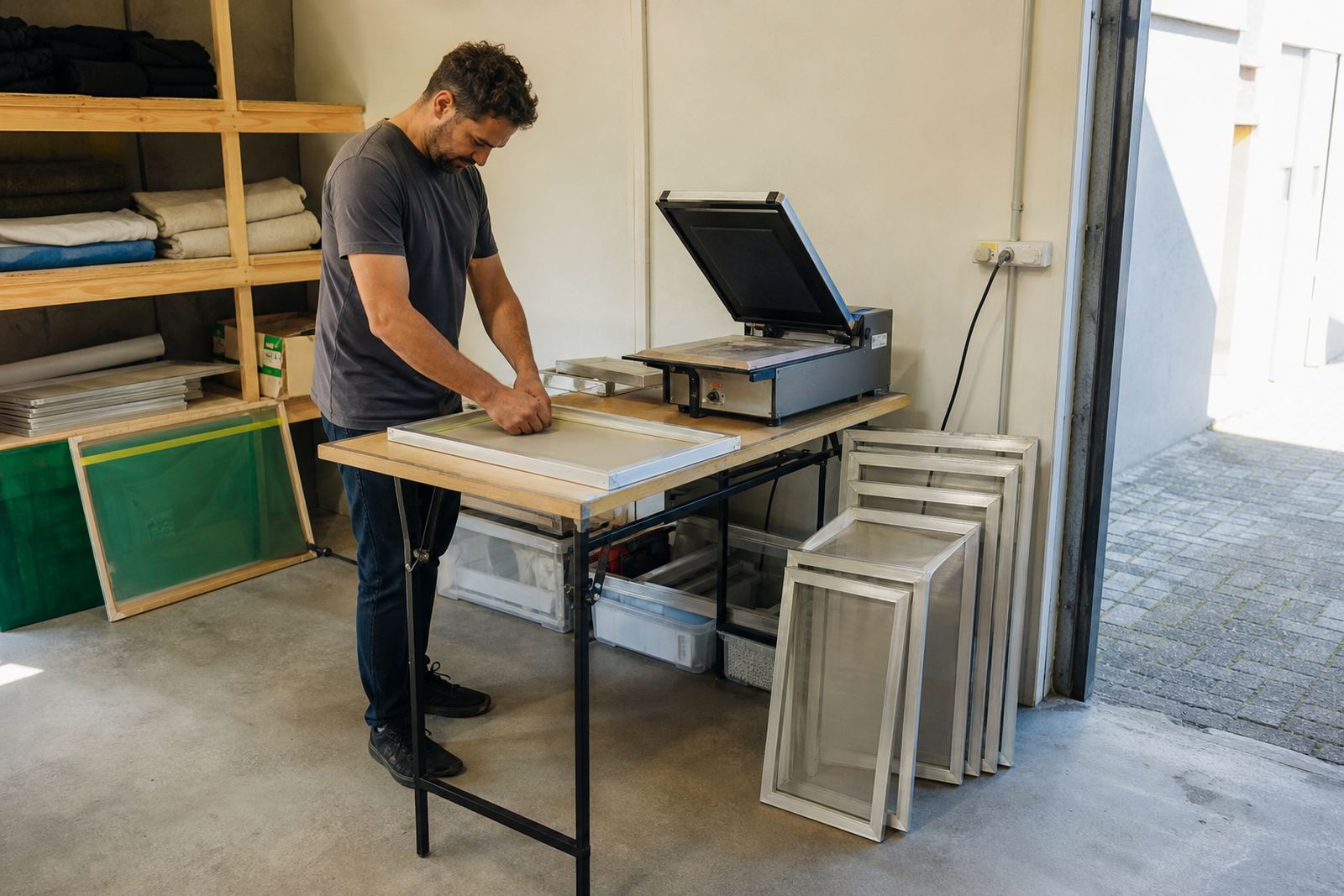
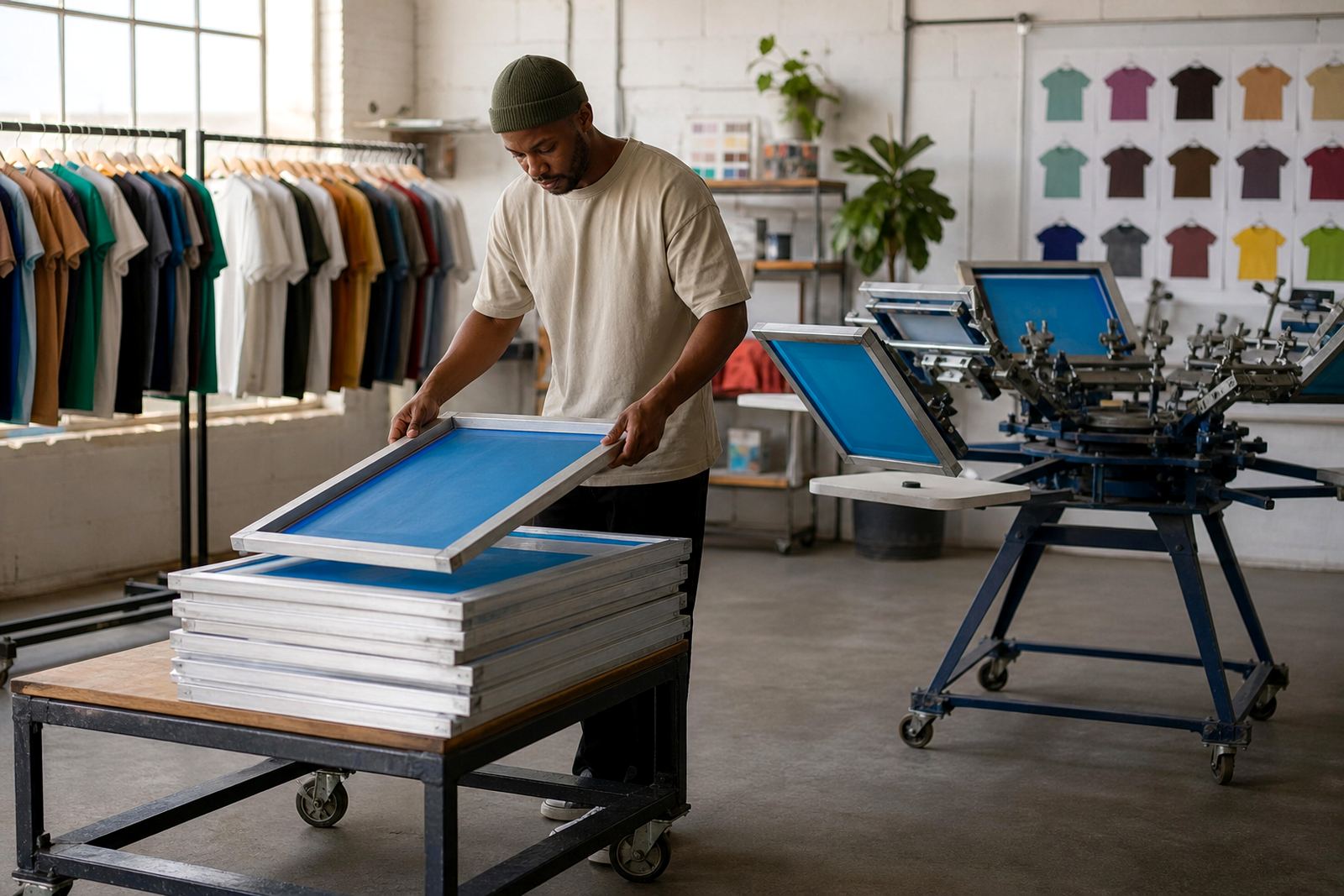
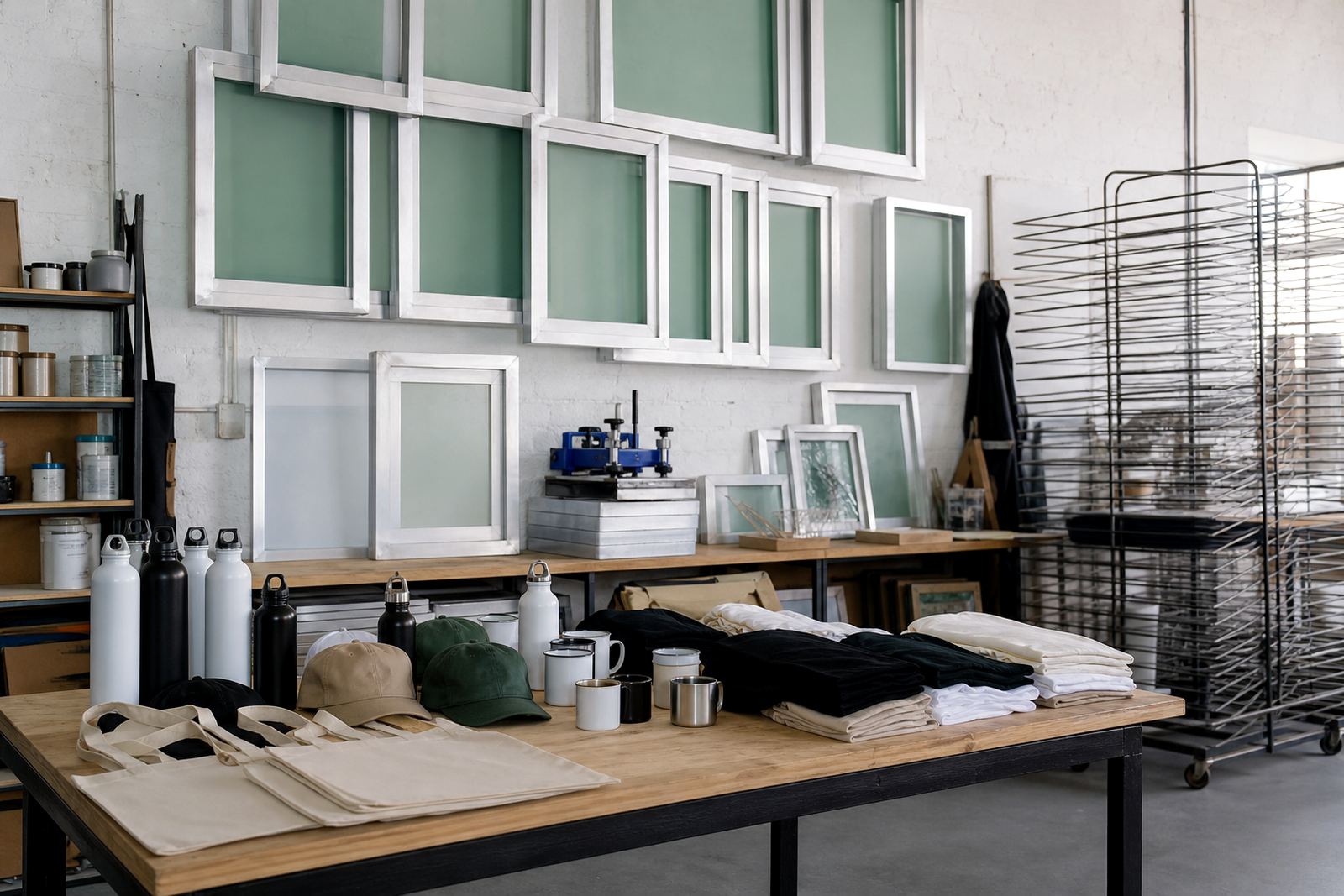
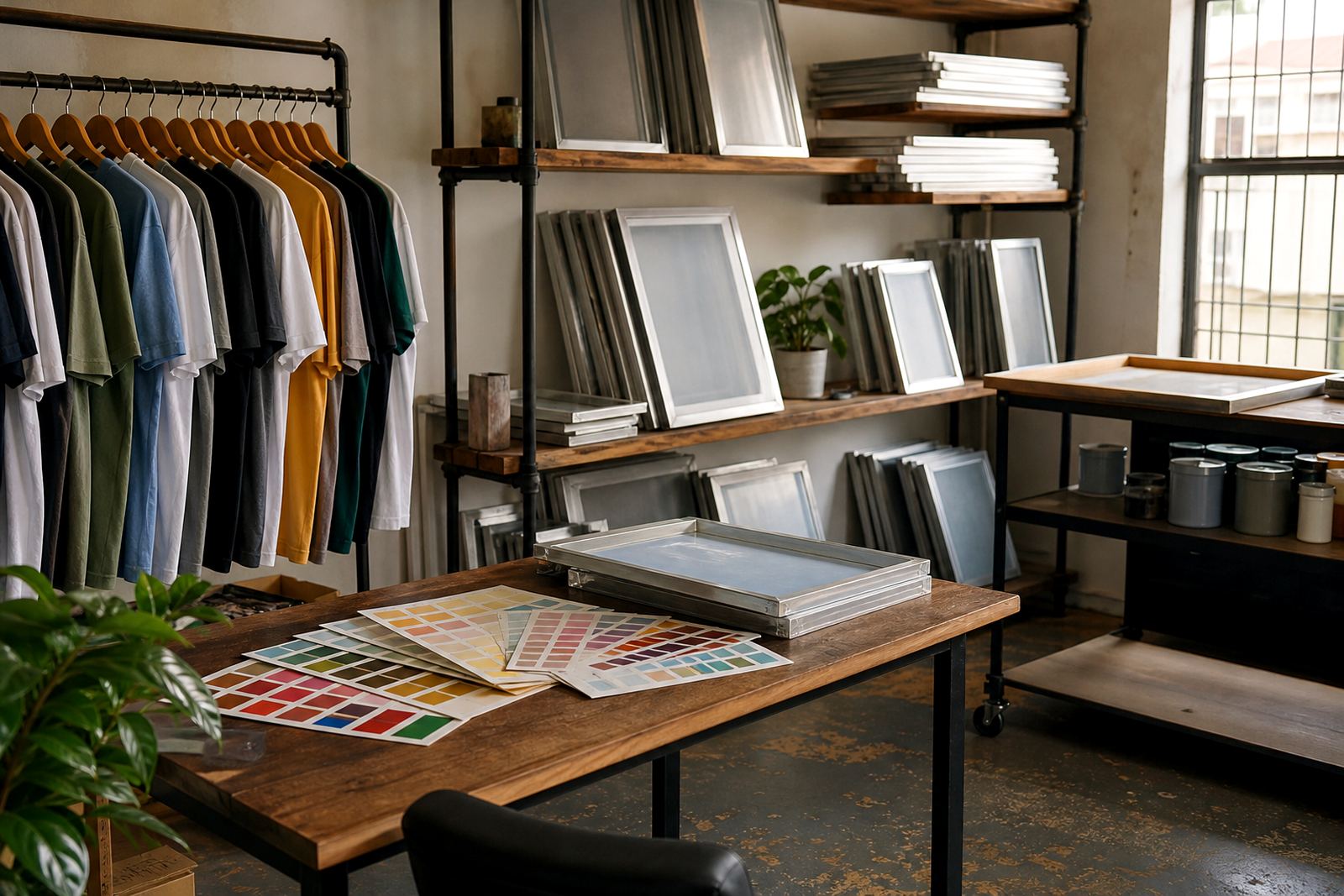
If you are printing a few tees from a home garage, studio or shared workspace, the right frame makes day-to-day work easier. Our aluminium frames are light enough to handle comfortably, but strong enough for repeated use when you are doing single-colour prints, short runs or test orders.
For new printers, the main decision is usually size and mesh type. A smaller batch needs a frame that is easy to clean and quick to store, while a growing setup may need several frames in standard sizes so you can keep work moving without waiting for one screen to dry before the next job starts.
- Good for starter screen-printing kits
- Useful for short runs and sample prints
- Handy where storage space is limited
Busy Shops Handling Daily Orders
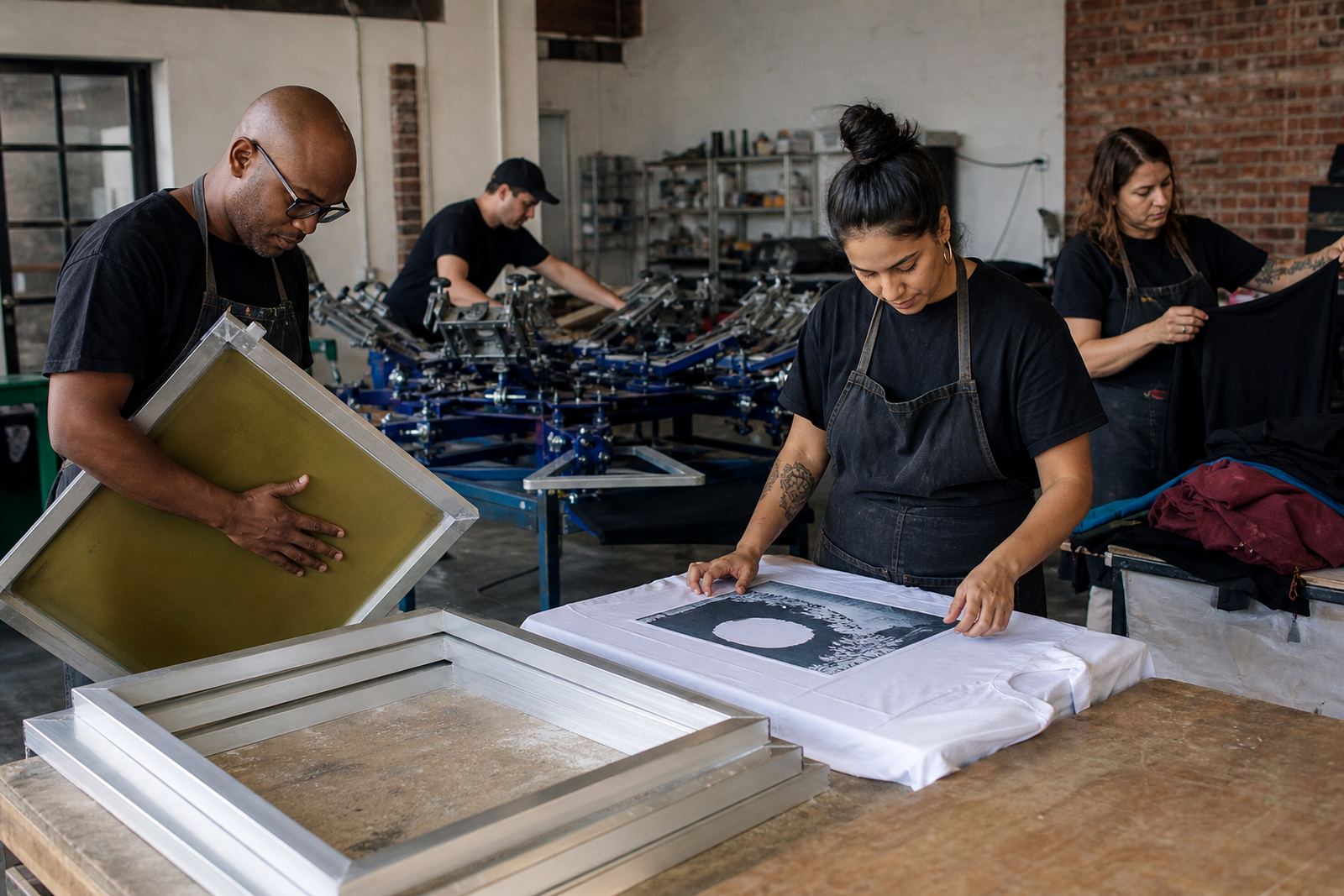
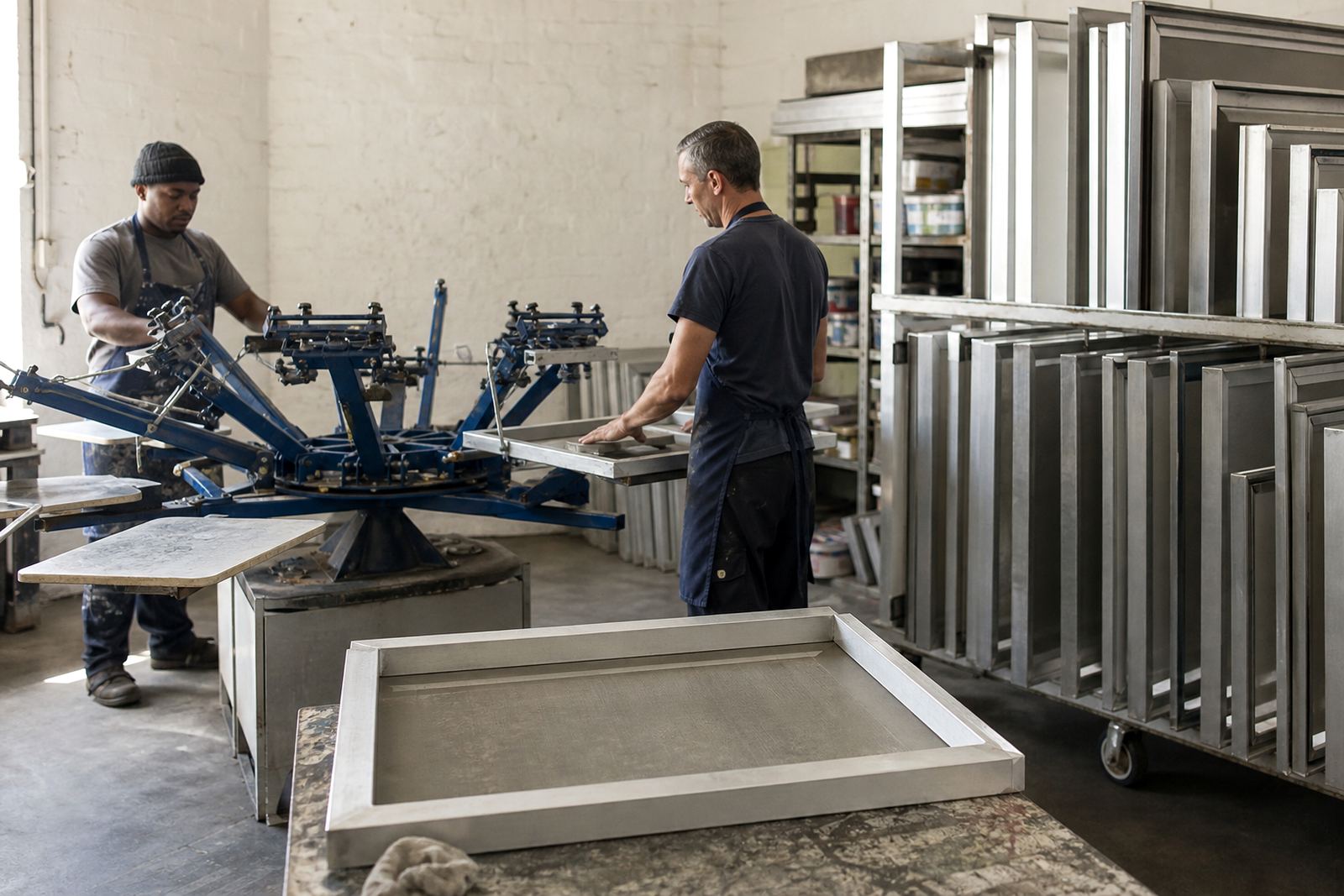
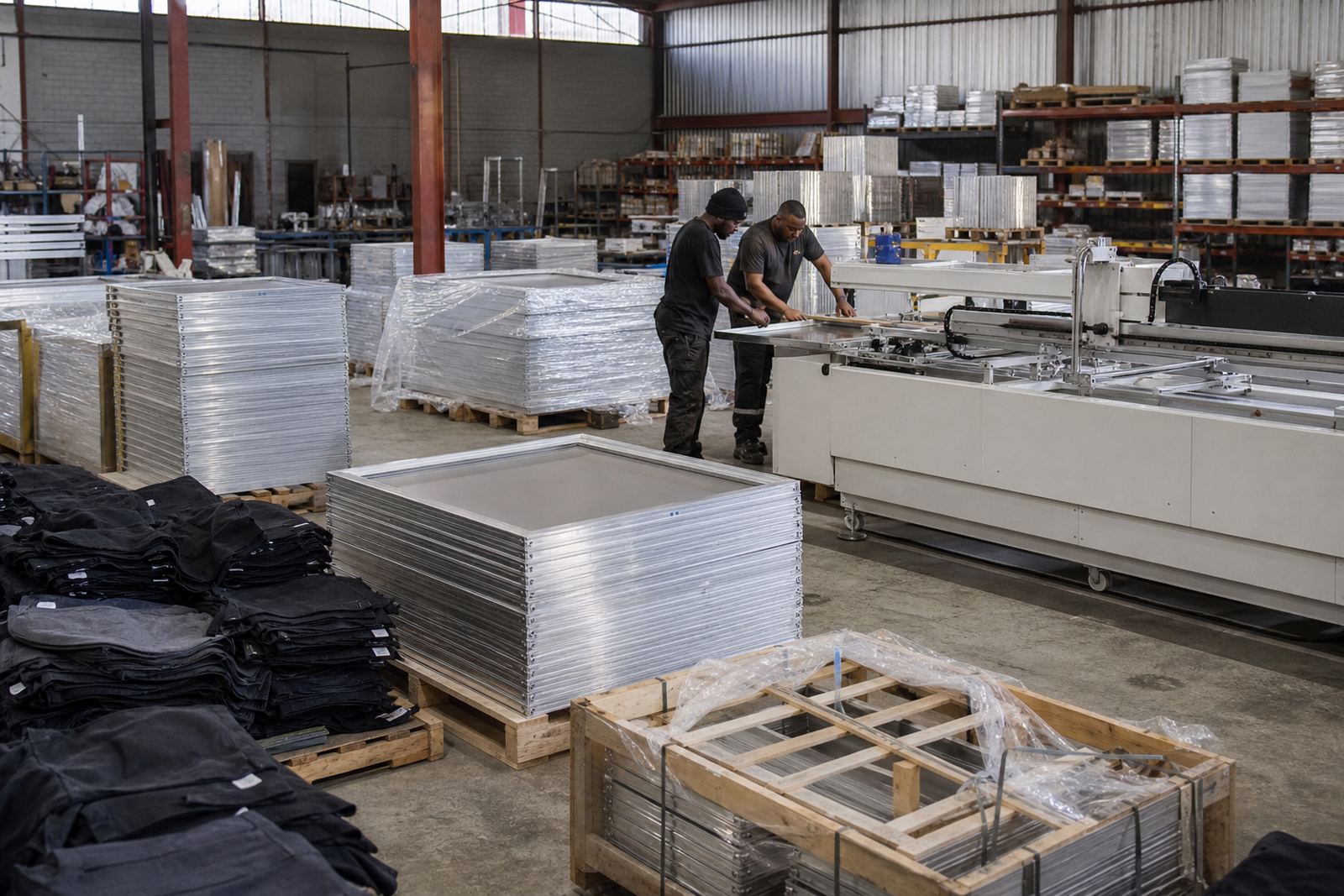
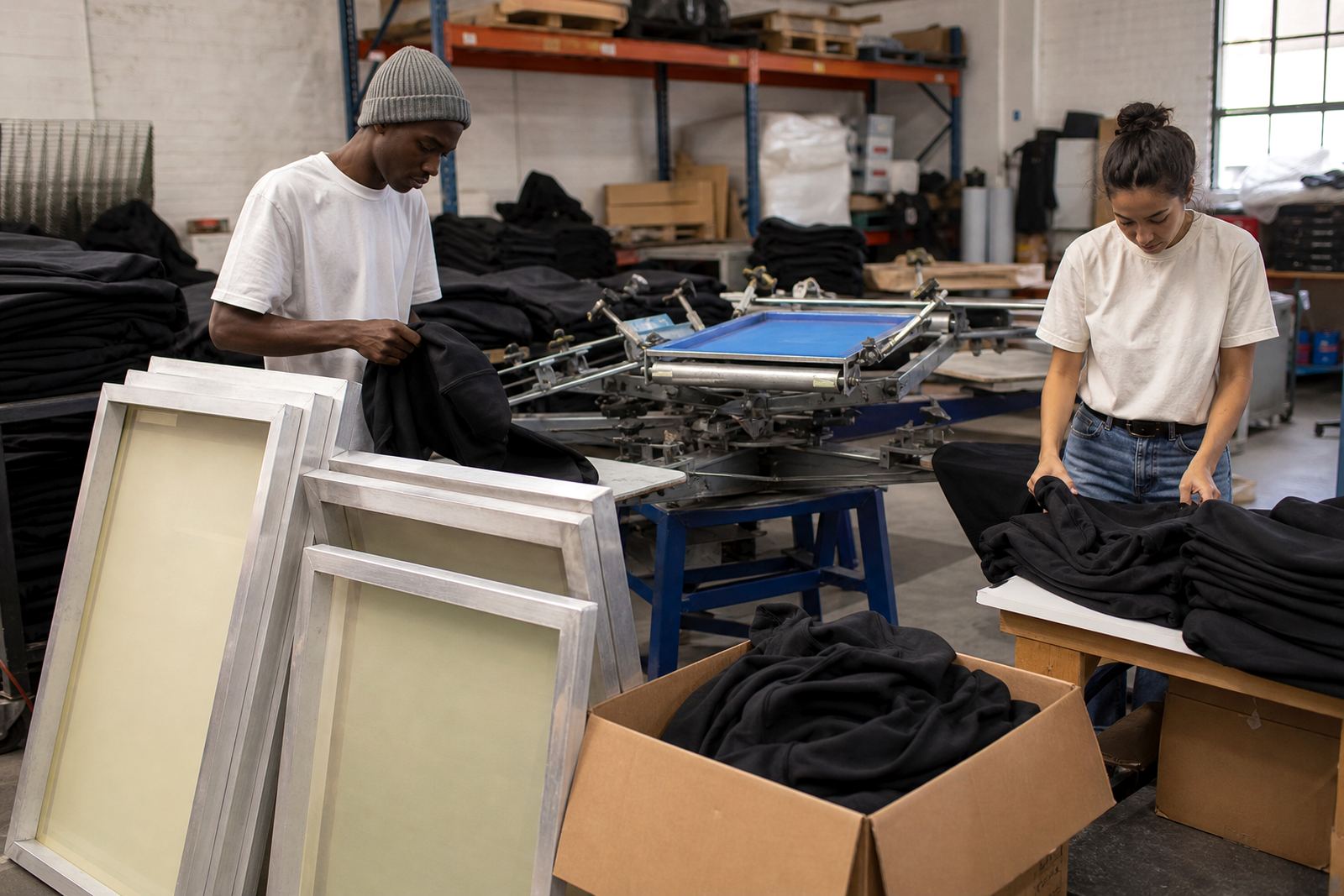
For established garment printers in Maitland, Bellville, Cape Town city areas and beyond, consistency matters. If your workshop runs multiple jobs a day, stretched screens must hold tension properly so registration stays steady and prints come out clean across repeated pulls.
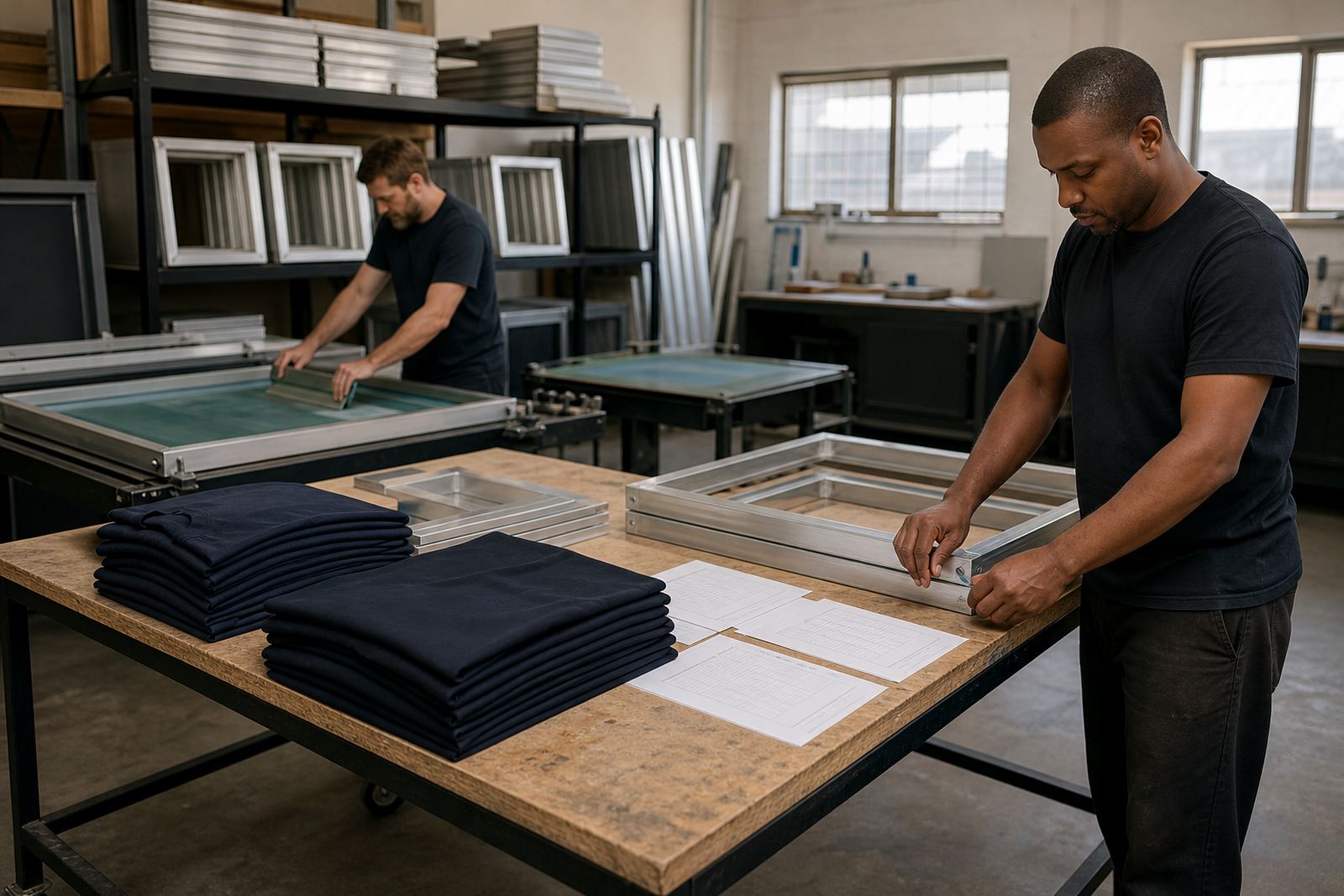
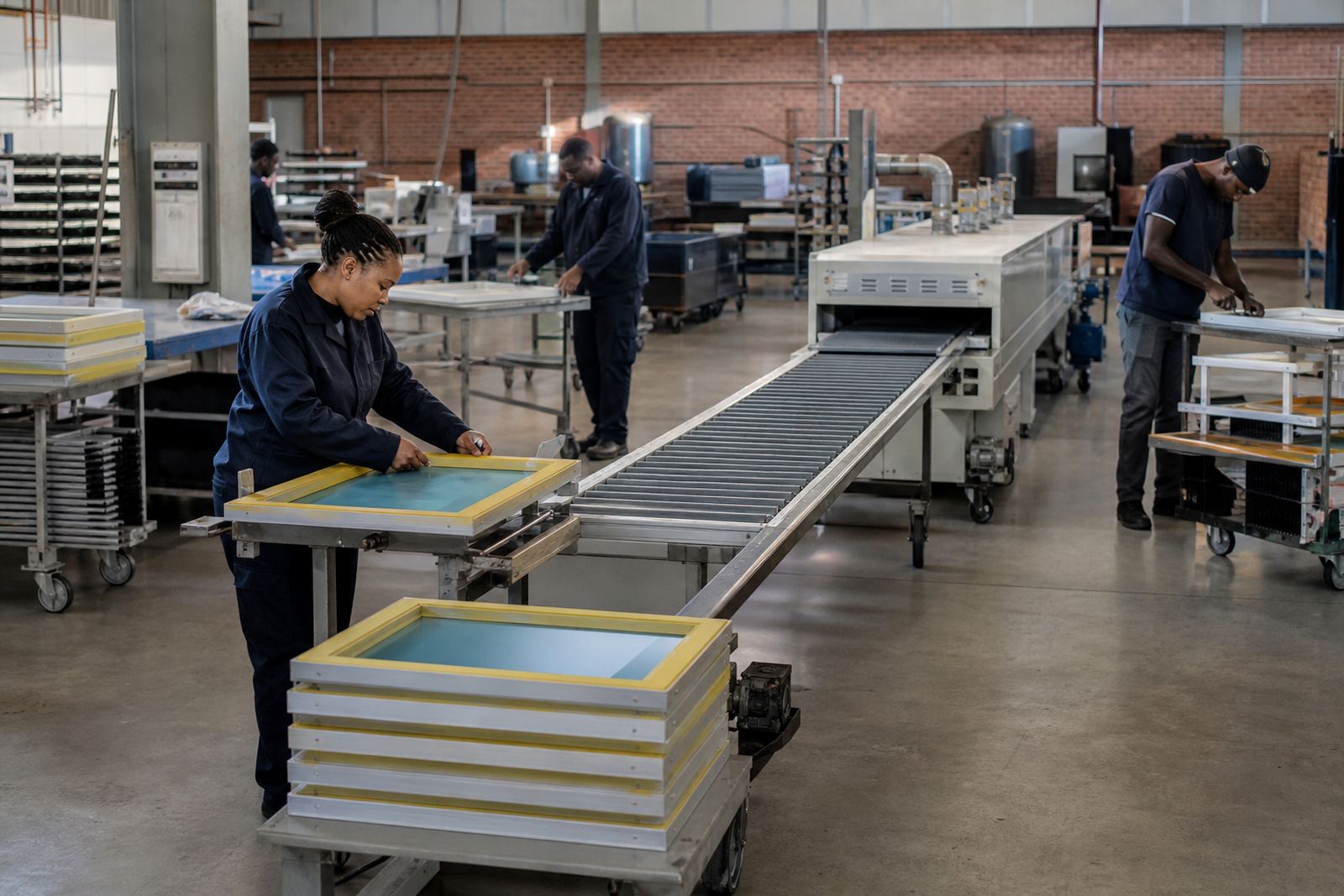
We support production-focused teams that need new screen stretching, restretching and checks before a frame goes back into use. That matters when you are printing uniforms, event shirts, workwear or repeat orders where a weak screen can slow the whole line down.
- Suitable for ongoing production work
- Useful for repeat orders and uniform printing
- Helps reduce downtime from loose or damaged mesh
Print Studios Working With Different Jobs
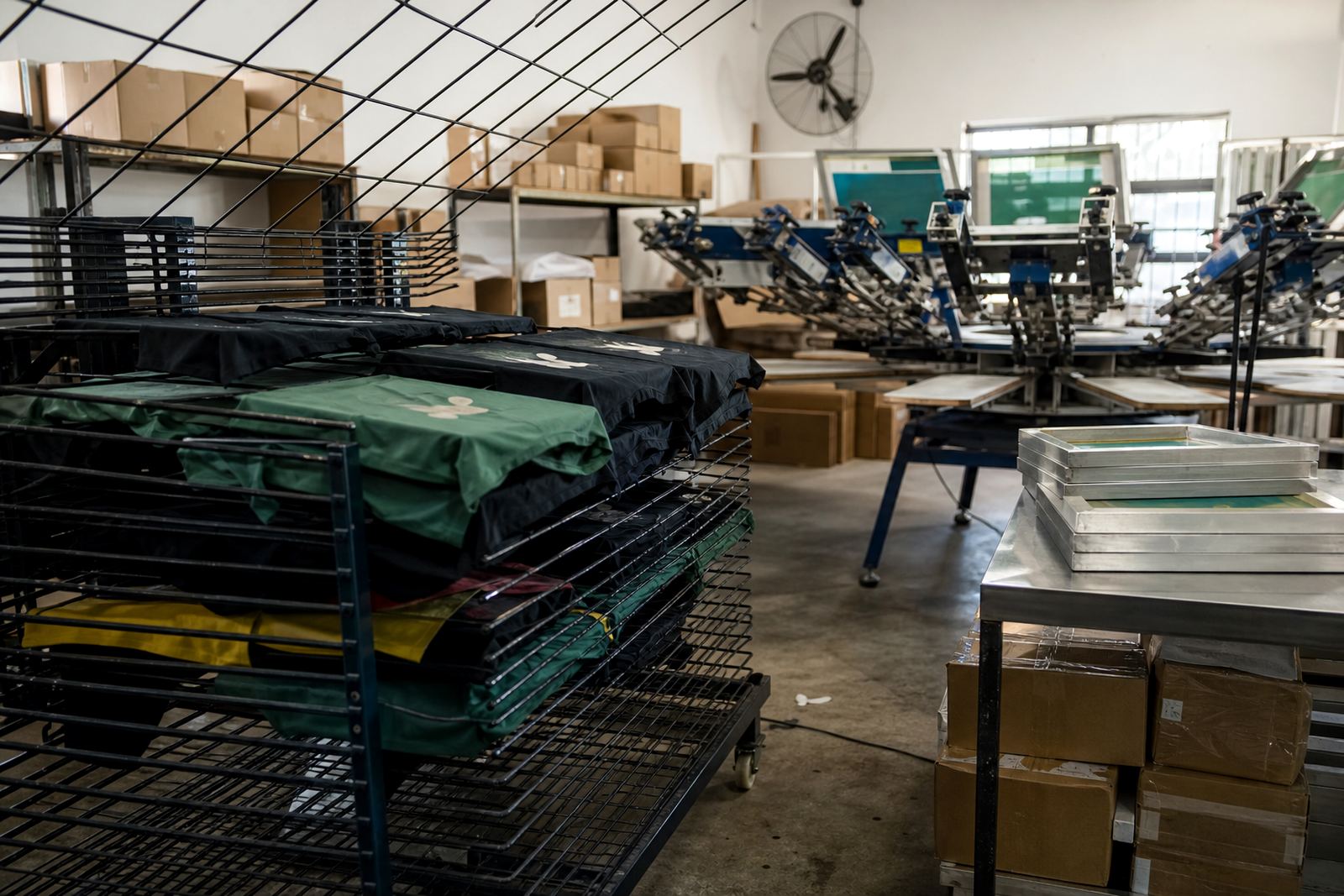
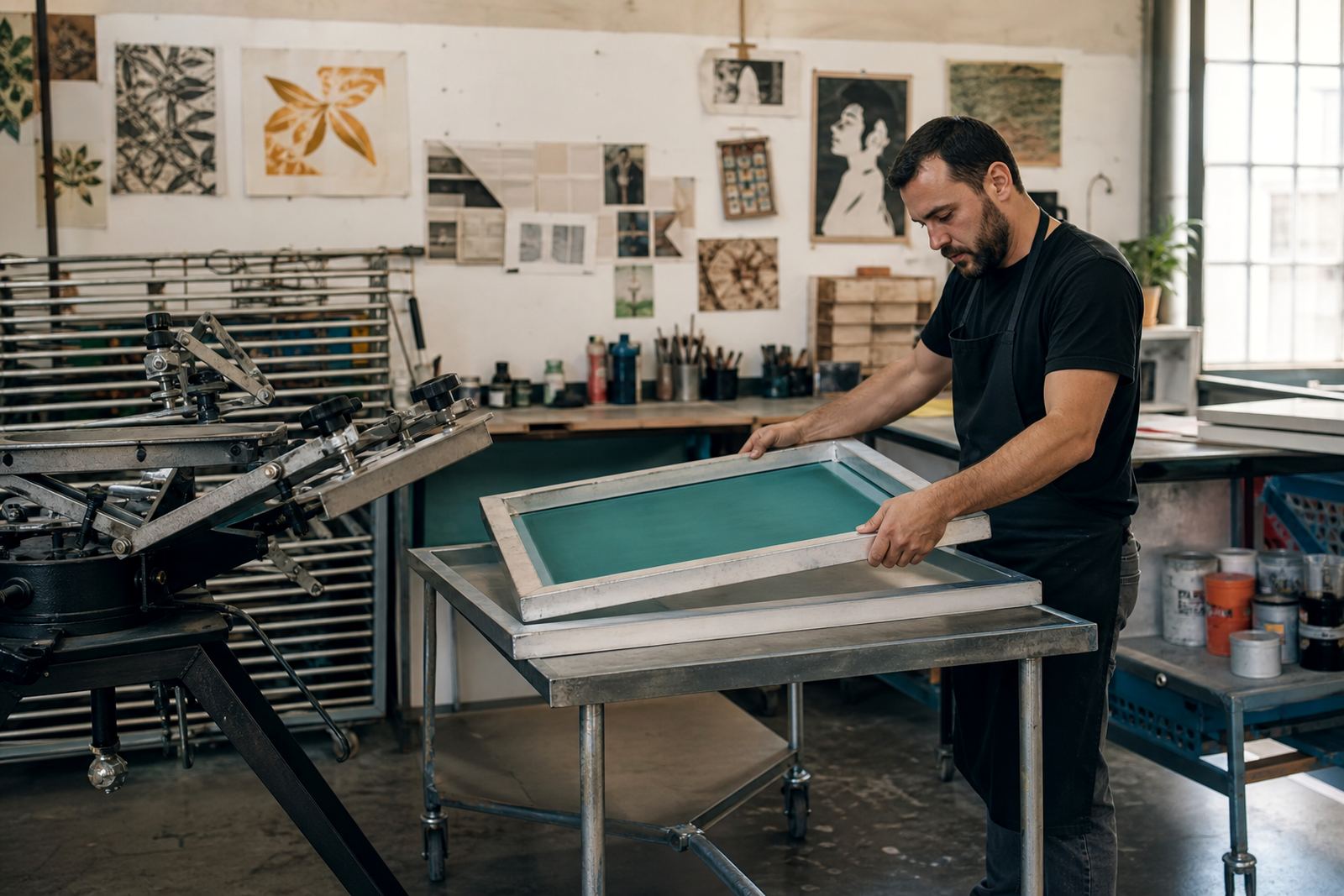
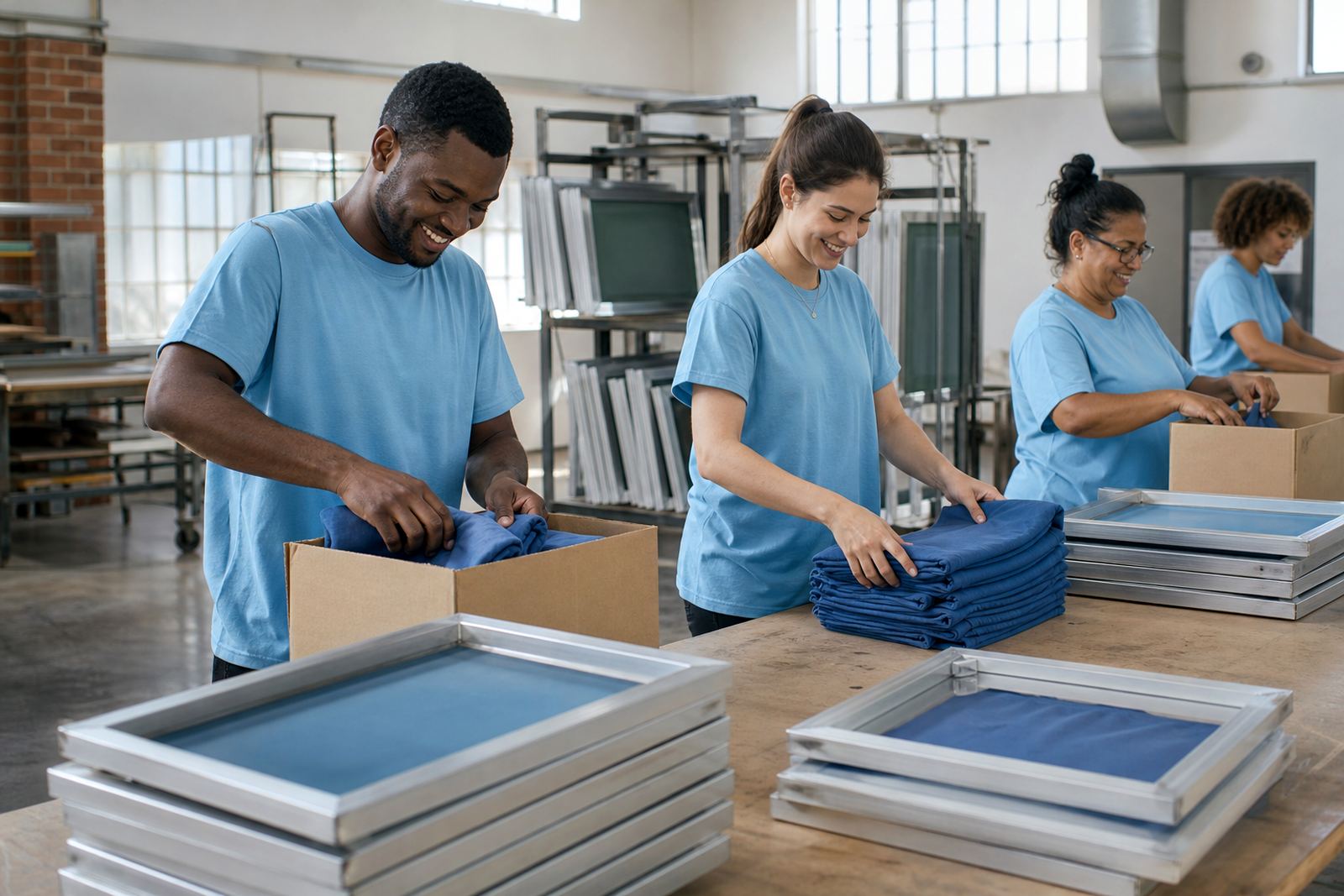
Some print rooms do not focus on one type of garment alone. They may print cotton tees one day, poly blends the next and heavier workwear after that. Different ink systems and mesh choices can affect the result, so the frame must support the screen properly from job to job.
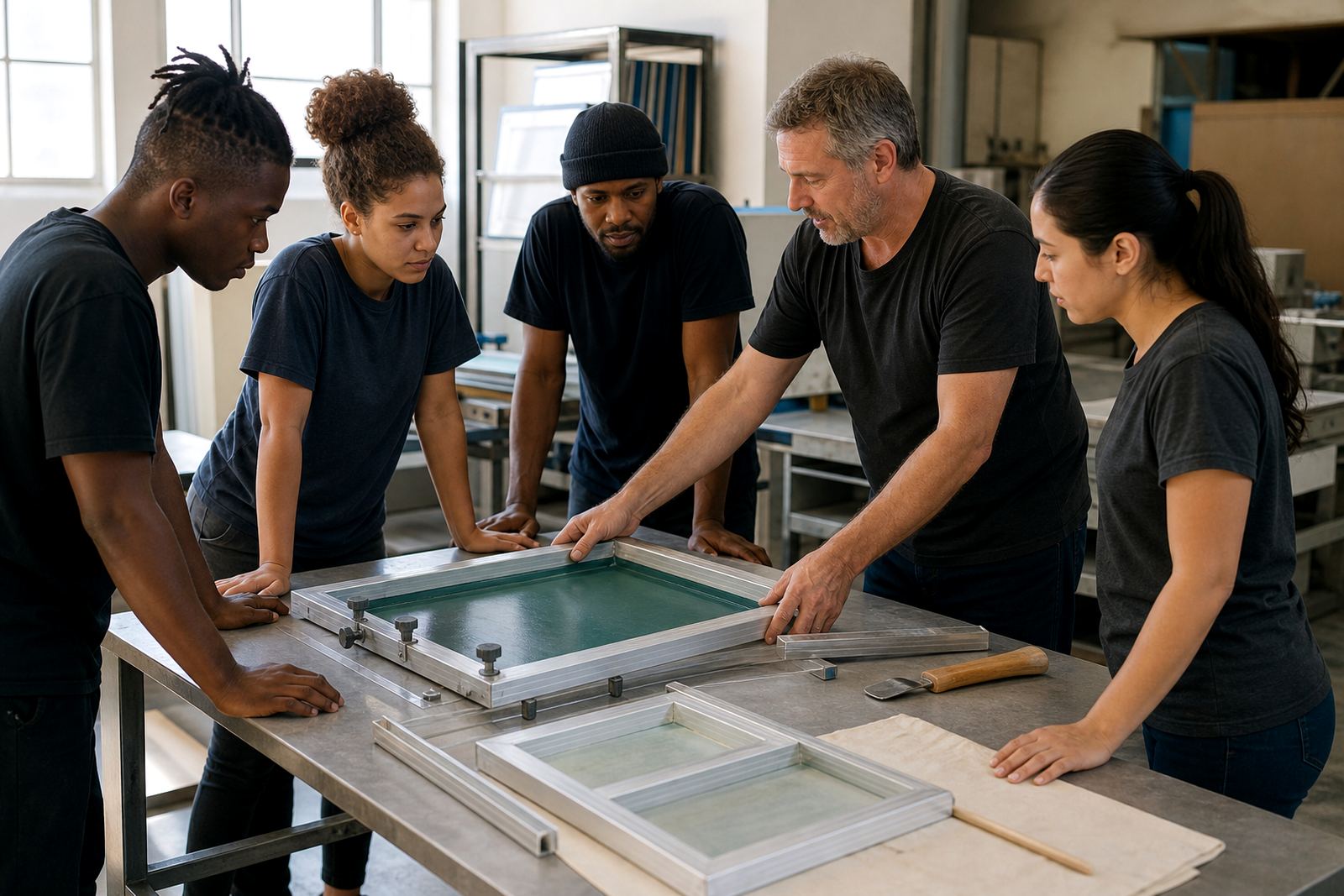
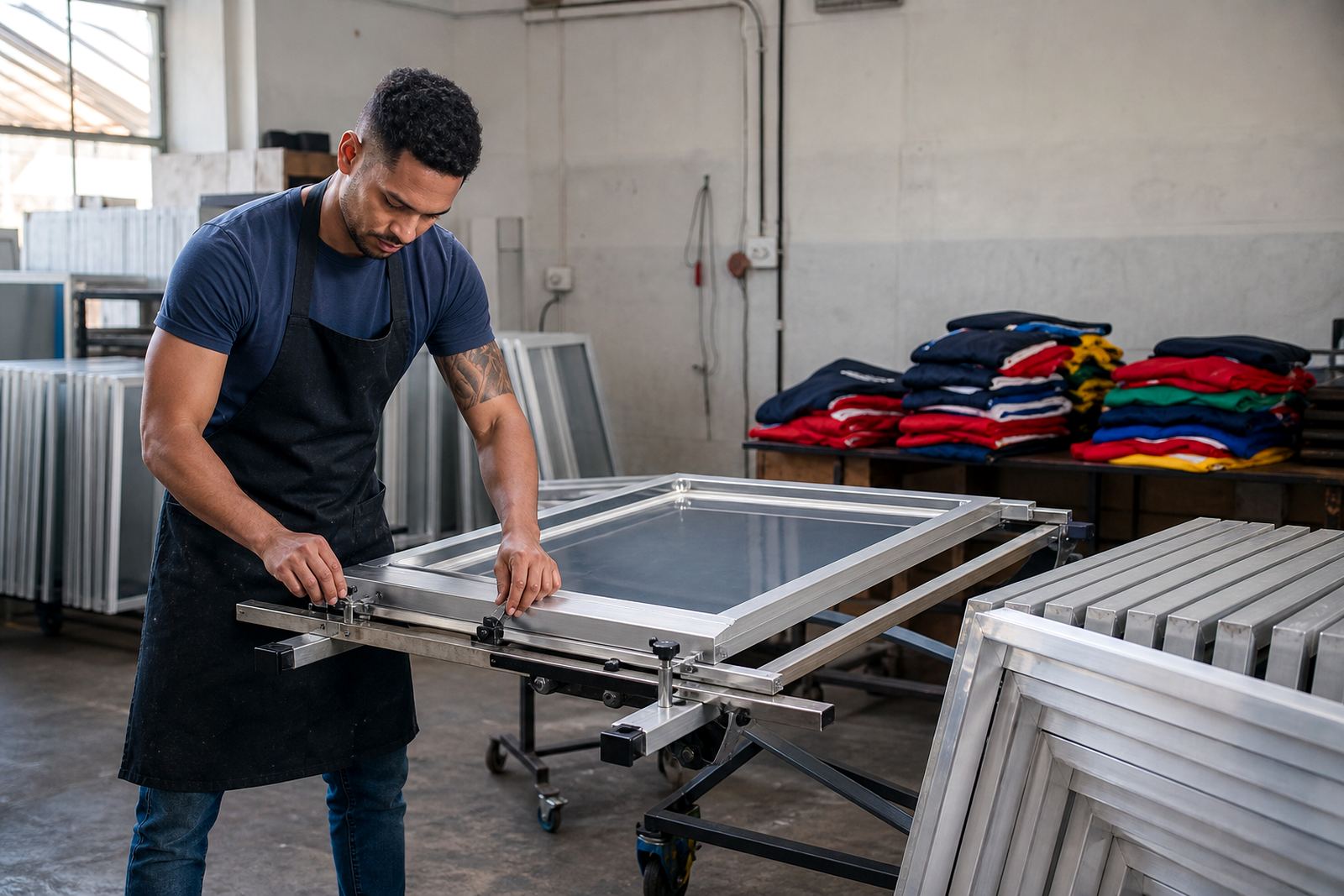
ScreenFrame works well for studios that need custom size stretching, frame inspections and adhesive application for new or existing setups. If a screen has seen better days, mesh removal and cleaning can help bring it back into service without wasting a serviceable frame.
- Useful for mixed garment ranges
- Supports different mesh and ink requirements
- Helps keep older frames in use where suitable
Hobby Printers And Small Makers
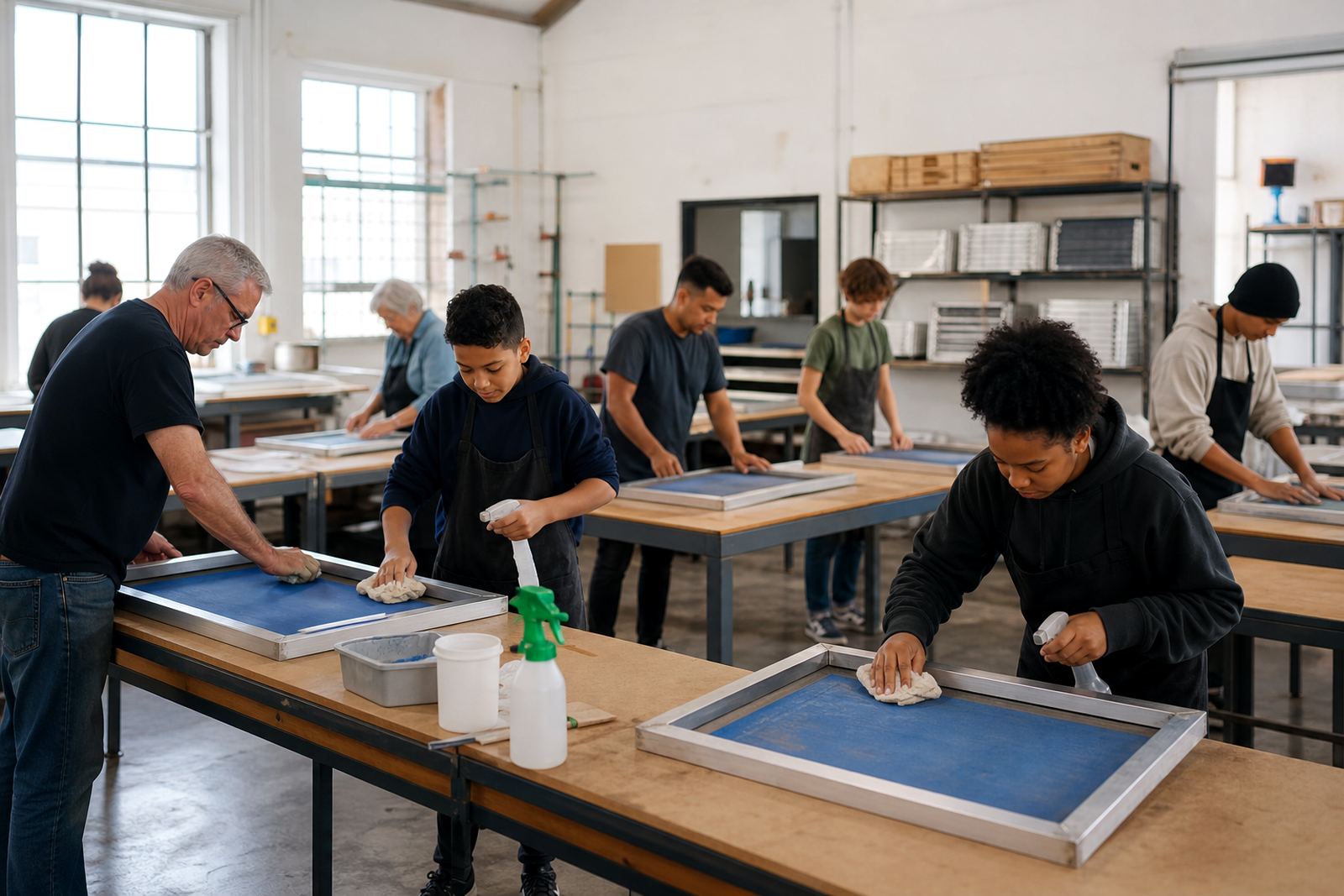
Some customers print for side income, school projects, club kits or local markets. You may not need a full production line, but you still need screens that are tidy, square and properly stretched. A frame that fits well saves time and keeps the print process calmer, especially when you are working after hours or during load-shedding slots.
For smaller makers, simple advice can make a difference. The right frame size, care routine and tension check can help you avoid warped mesh, messy edges and extra waste. That is useful when every metre of fabric and every batch of ink counts.
South African Production Conditions We Work Around
Screen printing in South Africa comes with practical conditions. Coastal humidity in Cape Town and Durban can affect storage and drying times, while dry inland air in Johannesburg and Pretoria can change how screens are handled. Workshops also need to plan around load-shedding, pickup windows and local traffic, especially when jobs must move between the workshop and the print floor on time.
Our service range is set up for real working conditions, from urgent turnarounds to pickup and return. Whether you are based in Gqeberha, on a Paarl route or collecting in Bellville, the aim is the same: screens that arrive ready for use and stay dependable in the shop.
How To Choose The Right Screen Support
If you are unsure where your business fits, start with the way you print now and the pressure you expect later. A hobby user may only need a few frames and some screen care advice, while a larger shop may need bulk screen orders, scheduled restretching and regular inspections.
As a rule, choose the option that matches your current workflow and leaves room for growth. If your screens are slowing jobs down, losing tension or wearing unevenly, it may be time for a new stretch or a full frame check before the next run.
- Match frame size to your press and artwork
- Plan for volume, not just today’s order
- Use inspections to catch wear early