
Why Frame Rotation Matters in Busy Print Shops
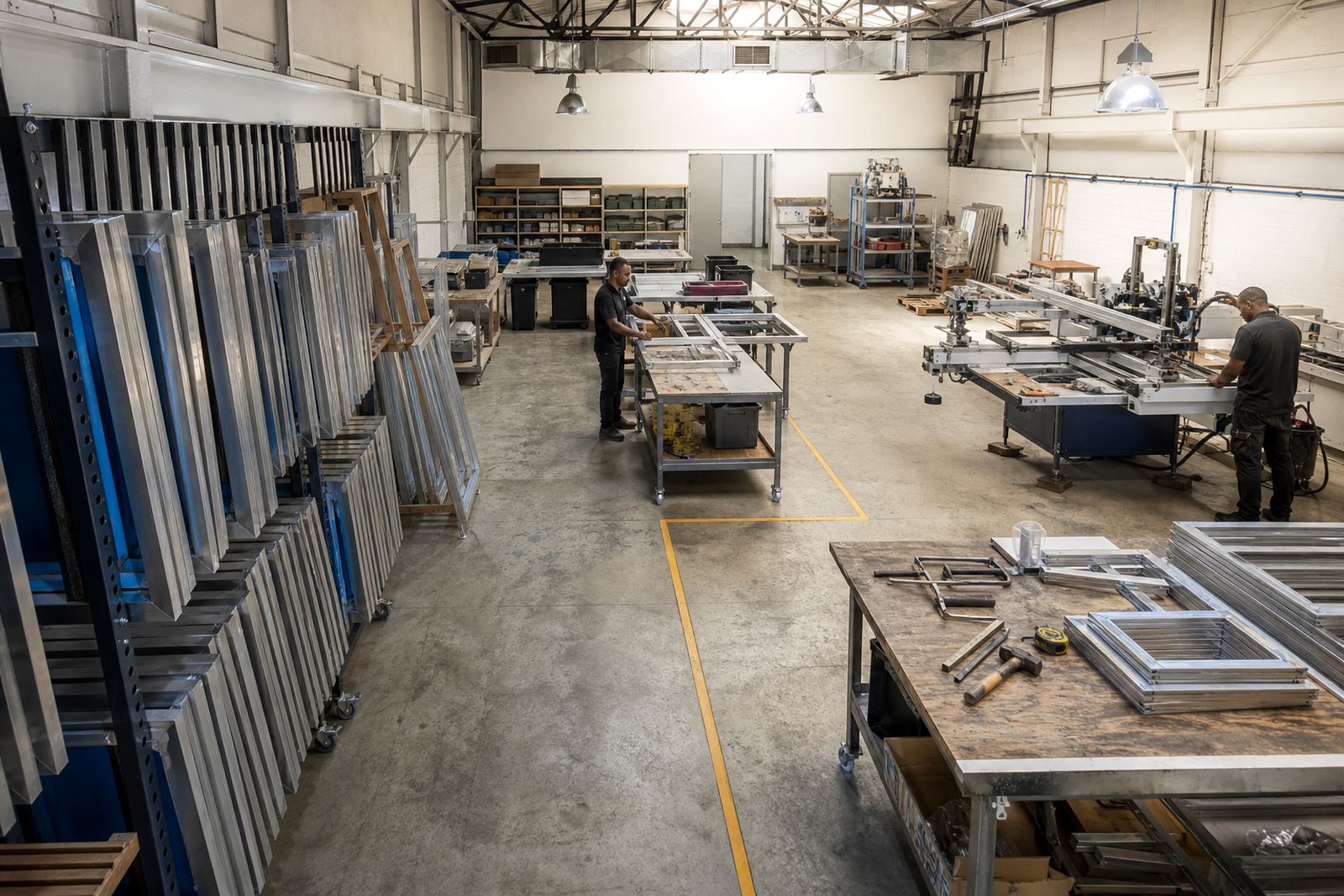
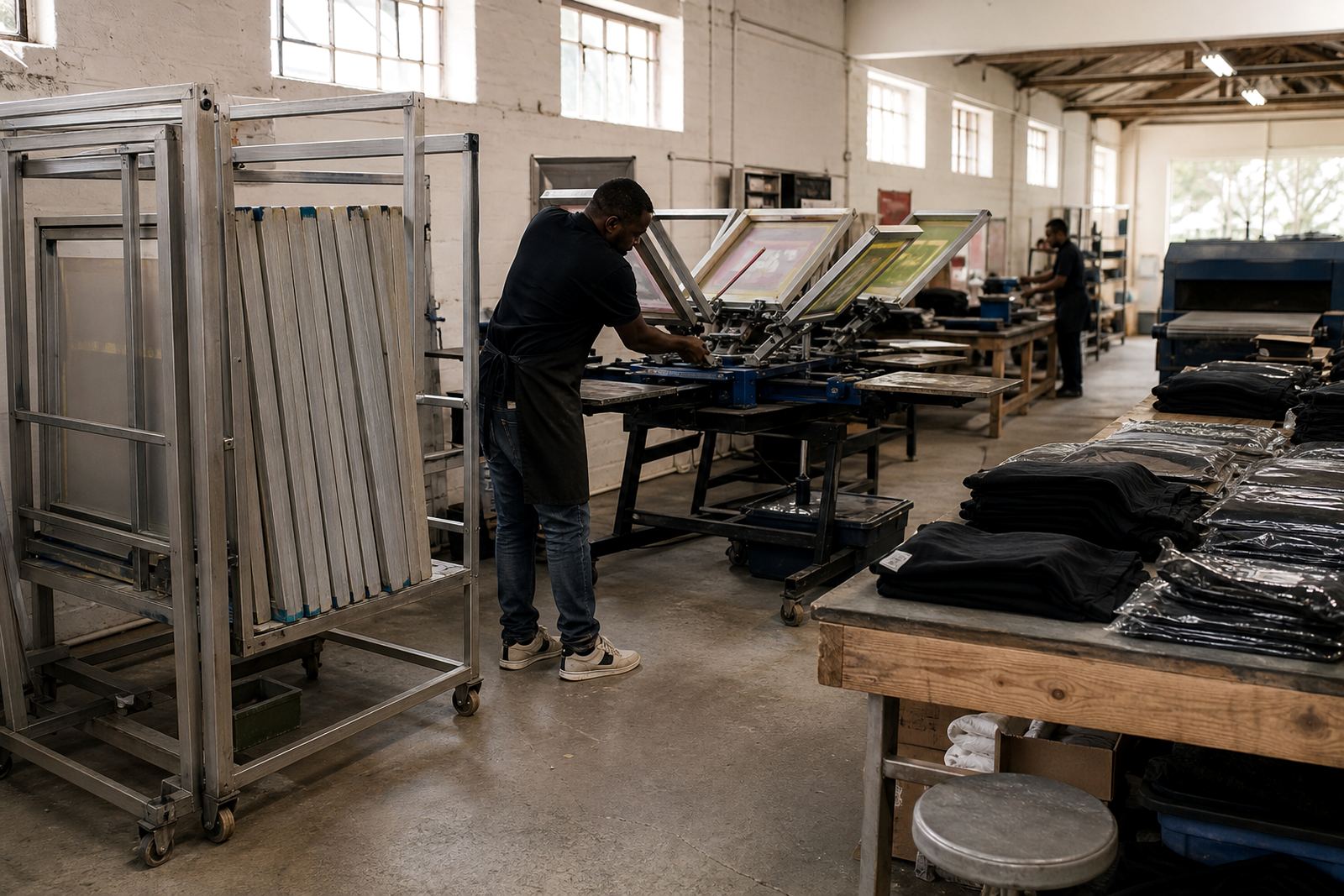
In contract printing, a screen frame is not just a piece of workshop stock. It is part of the job flow. If frames stay tied up on one order for too long, everything behind it starts to back up. That is when printers begin pulling from mixed stock, reusing the wrong size, or stretching screens in a rush just to meet a delivery date.
A proper rotation plan keeps the workshop organised. It helps you know which frames are in use, which are ready for stretching, and which need cleaning or inspection before they go back into service. In a city like Cape Town, where wind, coastal humidity and load-shedding can all slow production at once, that kind of planning saves real time and money.
Set Up a Simple Rotation System by Size and Job Type
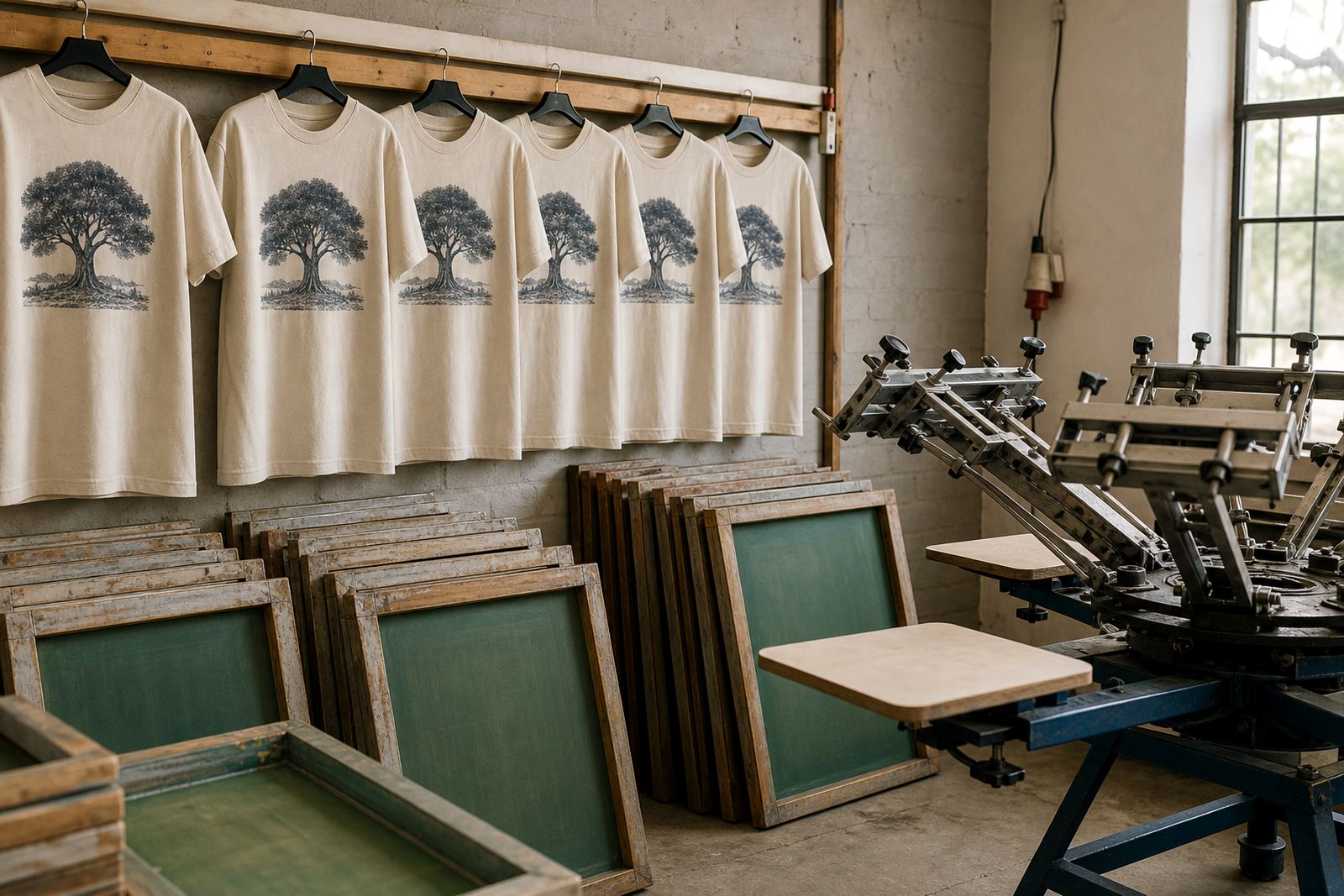
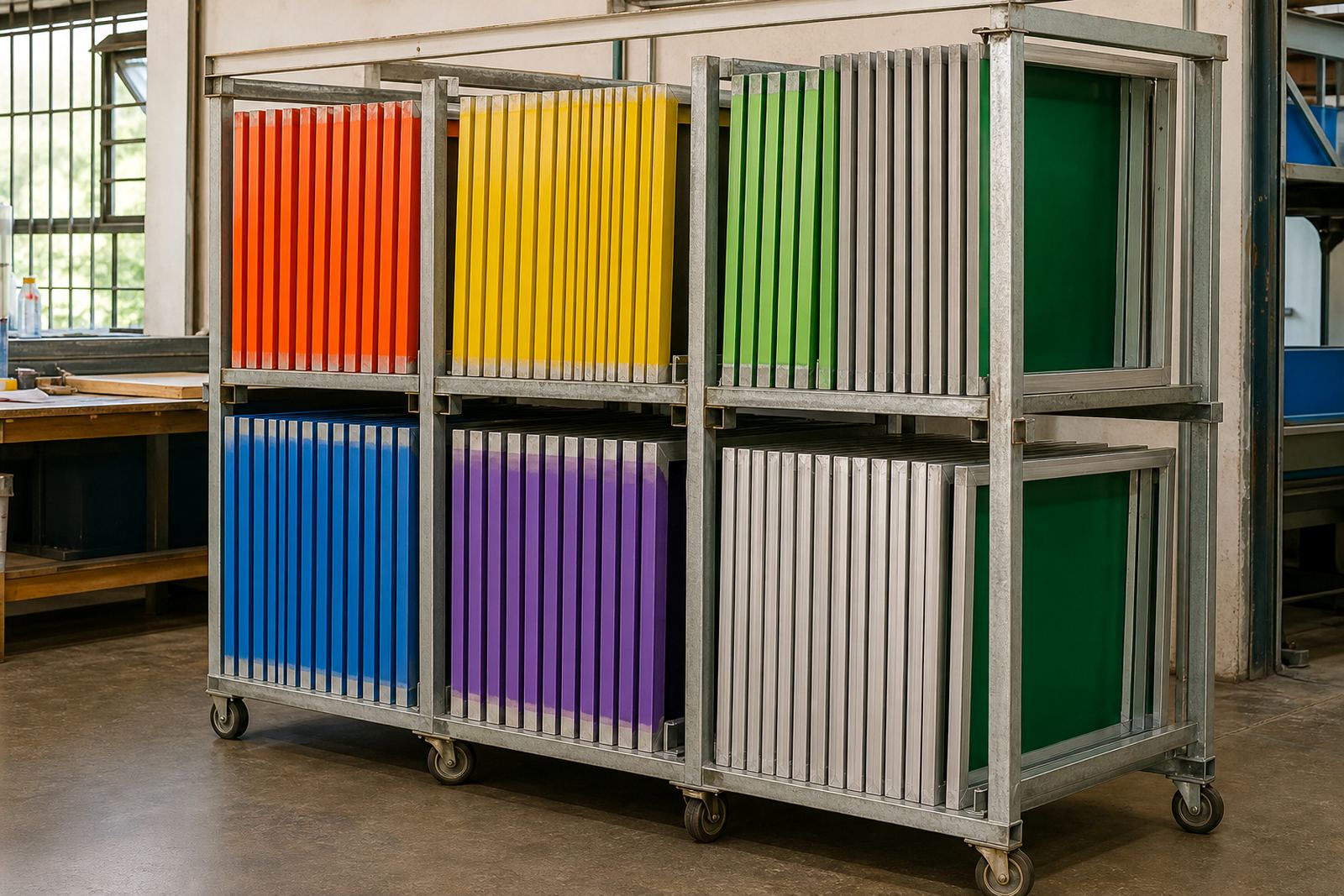
The best rotation systems are usually the simplest. Group frames by size, mesh count and expected use. A printer doing repeat apparel work may keep a standard set for one colour jobs, another set for high detail work, and a separate pool for larger runs. That way the team can grab the right frame quickly instead of checking every piece one by one.
Rotation should also match the kind of work coming through the shop. A custom promotional run with short deadlines needs different handling from a regular bulk garment order. If the same frame is used repeatedly without a return plan, small problems build up. Corners loosen, mesh tension drops, and the frame starts holding you back.
- Separate frames by common sizes used in your shop
- Mark screens that are in production, in cleaning, or ready for stretch
- Keep a clear order of use for urgent jobs and bulk work
- Inspect returned frames before they go back into rotation
Avoid Bottlenecks by Planning Around Turnaround Times
Contract printers often get into trouble when they treat frame work as an afterthought. A print run may be booked for Friday, but the stretching only happens on Thursday afternoon. If a frame needs mesh removal, cleaning, adhesive application and tension checks, there is not much room for delay. One late step can push the whole job out.
A better system is to build frame rotation into the production schedule. If the team knows which frames will be needed next week, those can move first through the workshop. This is especially useful for printers serving Johannesburg, Durban and Pretoria from Cape Town based stock, because transport lead times can affect how quickly a replacement frame arrives.
- Plan frame work at the same time as print scheduling
- Keep a small buffer of ready-to-use frames for urgent jobs
- Allow time for drying, tension checking and final inspection
- Use pickup and return where possible to reduce waiting time
What Goes Wrong When Frames Are Not Rotated Properly
Poor rotation usually shows up in small ways first. A screen does not sit square, a mesh loses tension too quickly, or a frame comes back with old adhesive still on it. Then the printer spends extra time correcting the problem instead of printing. Over a full week that lost time adds up fast.
There is also the risk of uneven wear. If the same few frames are always used while others sit idle, the workload is not balanced. Some frames become worn out while others are not earning their keep. On larger jobs, this can lead to rushed rework and rejected prints, which nobody wants when a client is expecting a clean garment finish.
For shops working through season peaks, that pressure gets worse. November, summer campaigns and school event work can all land at once. Without rotation, the workshop ends up firefighting instead of producing.
A Practical Rotation Plan for Maitland to Johannesburg Deliveries
At ScreenFrame, frame rotation works best when the workshop, logistics and sales teams all follow the same plan. In Maitland, screens can be grouped for collection, local supply, and delivery routes heading to Bellville, Paarl, Johannesburg, Durban, Pretoria and Gqeberha. That makes it easier to keep the right stock moving and reduce last minute confusion.
A contract printer in Cape Town might, for example, send out a batch of 40 frames for new stretching on Monday, keep another 20 ready for urgent turnaround work, and hold a separate group for restretch existing frames. By Thursday, any returned items can be checked, cleaned and prepared for the next cycle. That keeps the chain moving and helps prevent bottlenecks at month end when everyone is pushing hard to finish orders.
- Use one route for outgoing screens and a separate note for returns
- Keep urgent turnaround frames clearly marked
- Log each frame after inspection so it does not get lost in the pile
- Match rotation to your busiest print days, not just your spare time
Why Regular Inspection and Tension Checks Protect the Rotation
Good rotation only works if the frames being reused are actually fit for service. That is why inspection matters. Before a screen goes back into the cycle, check the frame for damage, look at corner joints, and test the mesh tension. If one screen is slack, it can throw off registration and waste ink and substrate both.
Screen cleaning also plays a part. Old adhesive, ink residue and dirt can affect the next stretch. In humid coastal conditions, buildup can happen quicker than many shops expect. A clean frame stretches better and gives a more reliable result, especially when garment printers need repeat consistency across a run.
Some shops only notice the issue after the second or third reprint. By then, the actual cause has been sitting in the workshop for days.
Use Rotation to Keep Staff Time and Client Expectations Aligned
Frame rotation is also about people. When the team knows what is coming next, the workshop runs with less stress. The production manager can assign work more fairly, the workshop supervisor can track which frames are due out, and the logistics side can avoid unnecessary delays. That clarity helps everyone do their part properly.
For clients, the benefit is simple. They get fewer surprise delays and cleaner output. For printers, the benefit is fewer emergency fixes and less downtime caused by missing, damaged or unprepared screens. In a trade business, that is often the difference between finishing the week ahead of schedule or spending Saturday catching up.
When frame rotation is handled properly, the workshop feels lighter. Jobs move in order, rework drops, and the whole print cycle becomes easier to manage.