
Start with the exact outer size you need
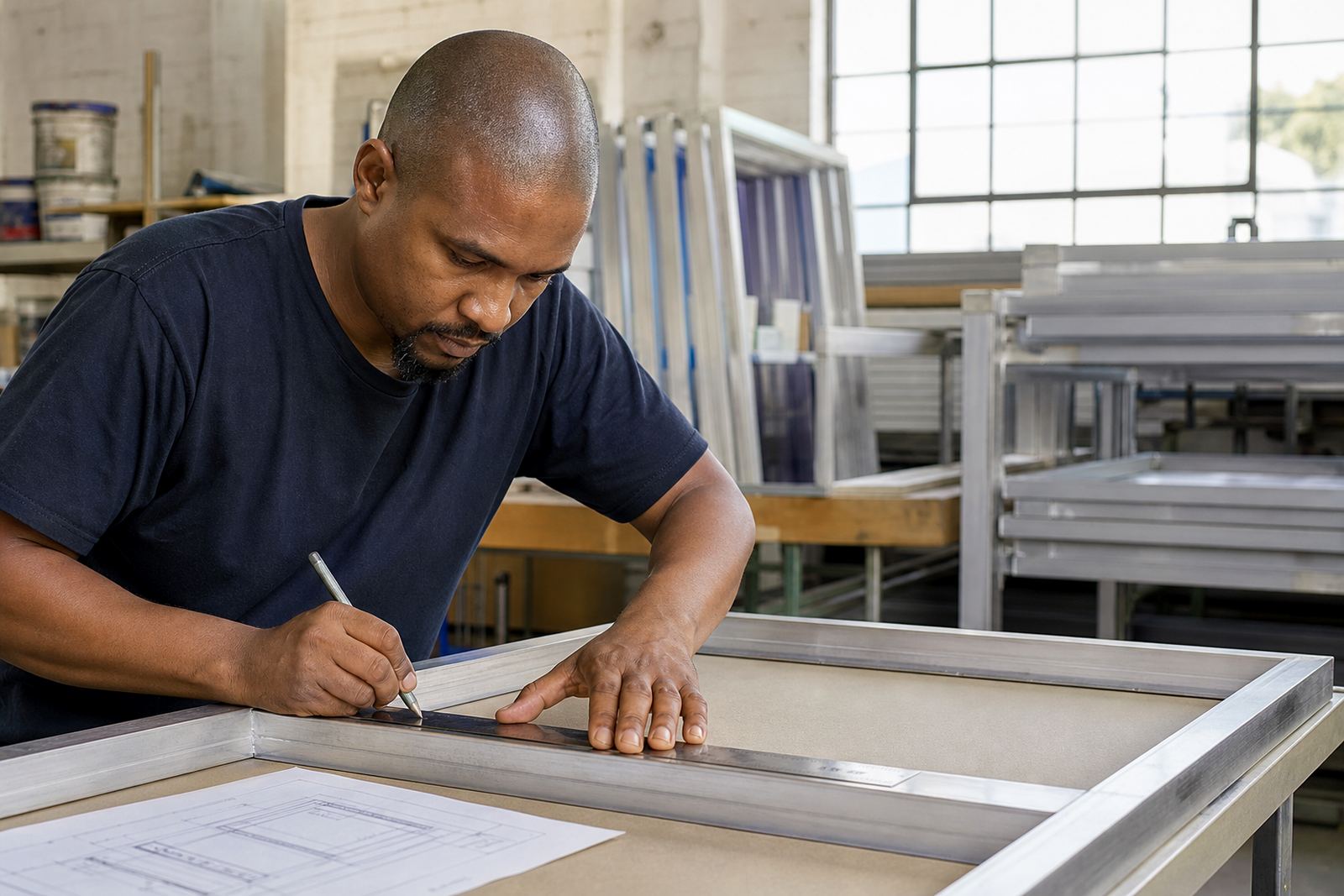
The first detail to confirm is the finished outside size of the frame. Measure the length and width in millimetres, not just by eye, and check whether the screen must fit into a specific press or drying rack. If your workshop uses more than one setup, write down the size that suits the machine or jig you use most often.
For garment printers in Cape Town, Johannesburg or Durban, this is especially important when you are matching existing screens. A few millimetres off can cause trouble with clamps, registration or storage. If you are re-ordering, send the size of the frame that already works well, plus the mesh type if you know it.
Say what the frame will be used for
Different jobs need different handling. A frame for fine detail work on light shirts is not the same as one for heavier ink deposit or larger artwork. Tell us whether the frame is for single-colour prints, multi-colour garment decoration, samples, or bulk production. That helps us advise on the most suitable frame depth and stretching approach.
- Garment printing for T-shirts, hoodies or tote bags
- Fine detail artwork or halftones
- Large format logos and bold spot colour work
- Short-run sampling or repeat production
- Frames for manual or semi-automatic use
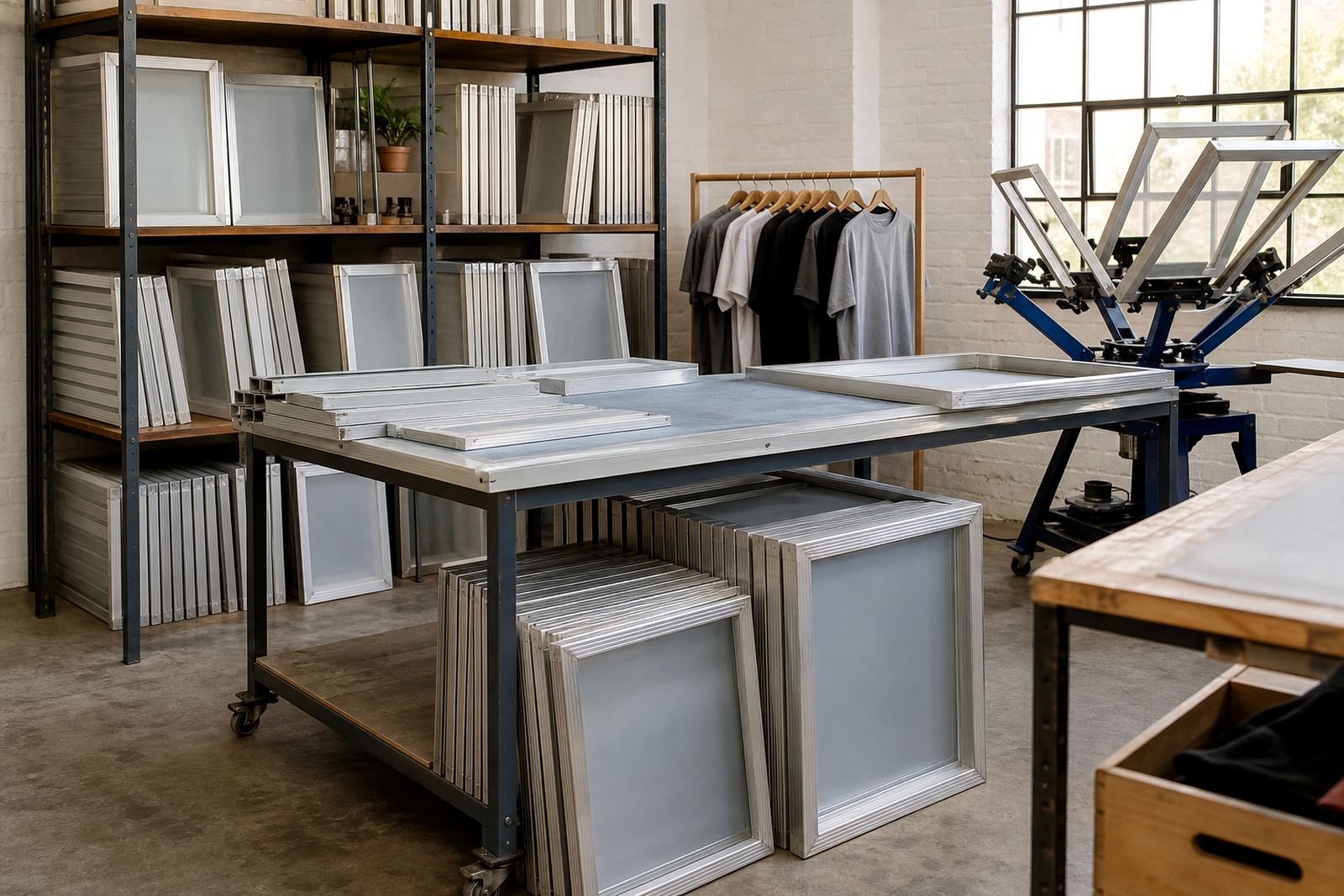
If the frame will be used daily in a busy Maitland, Bellville or Johannesburg workshop, mention that too. A frame that sees constant use needs to be prepared with durability in mind, not just the right size.
Include the mesh count and print requirements
If you already know the mesh count, include it with your request. Mesh choice affects ink flow, detail, and how the print behaves on fabric. Fine mesh is often better for detailed work, while a more open mesh may suit heavier ink deposit. If you are unsure, send the artwork type and substrate and we can guide you from there.
Also note the garment type. Printing on cotton, polycotton or synthetic fabric can change the way the screen performs. A screen for light fabric in Pretoria may not need the same setup as one used on darker garments in Gqeberha, where some printers prefer a different ink behaviour for cleaner coverage.
Check whether you need new stretching or a restretch
Some orders need a completely new frame and screen, while others only need the mesh replaced on an existing aluminium frame. If your current frame is straight and sound, restretching can save time and keep good hardware in use. If the corners are damaged, warped or loose, a new frame may be the better call.
- Send a photo if the frame looks bent, rusty at the joints, or worn at the corners
- Measure the current frame and note if the mesh is sagging
- Say whether you need mesh removal before stretching again
- Confirm if the frame must be cleaned first for adhesive work
In coastal areas like Cape Town and Durban, humidity can affect stored screens over time. If you have had tension problems after a wet season or a long storage period, mention that when you enquire.
Tell us the turnaround you are working to
Rush jobs are common in the printing trade, especially when a client sends late artwork or a municipal event order lands at short notice. If you need urgent turnaround, say so upfront and give the latest date you can collect or receive the frame. That lets the workshop plan the queue properly.
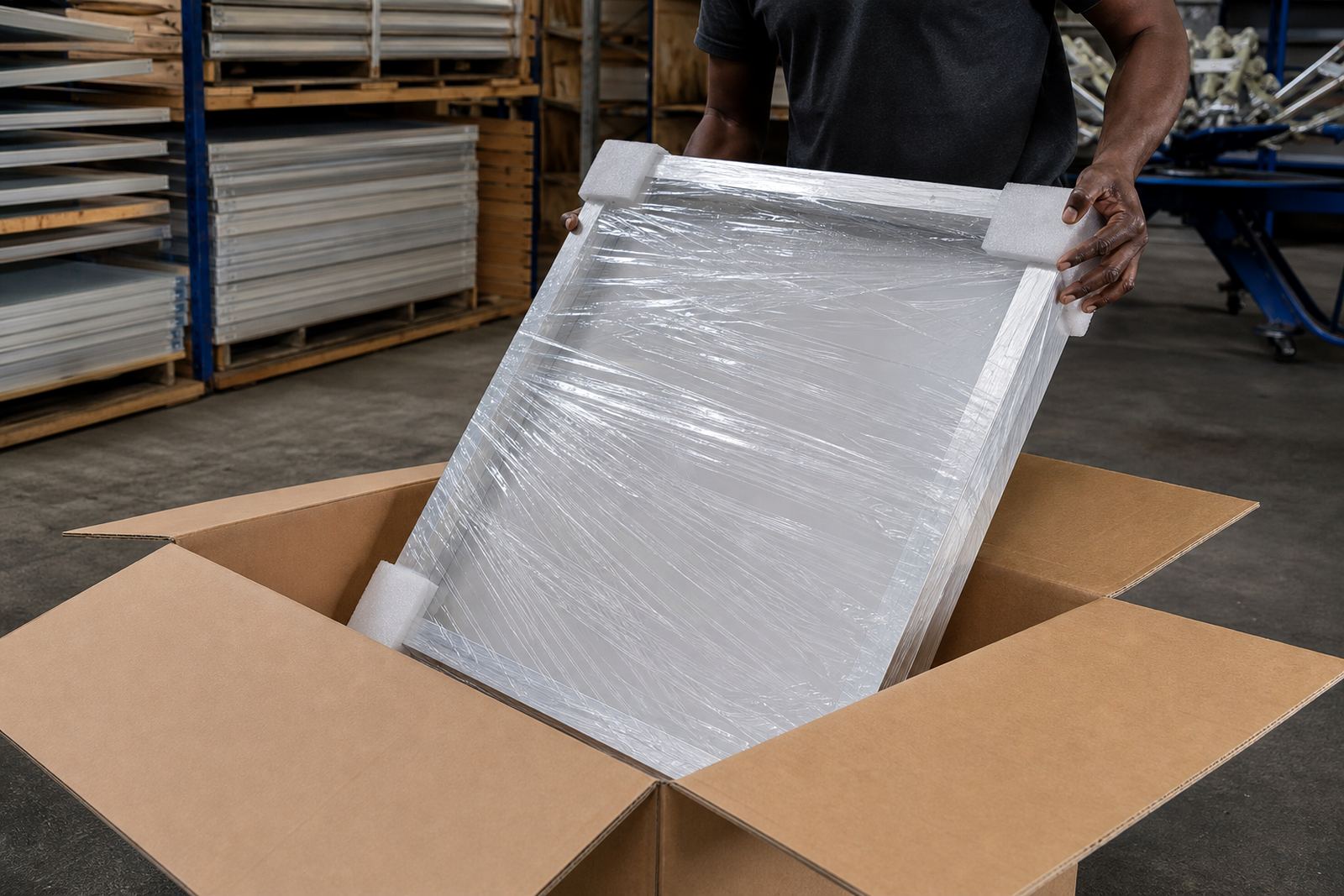
For customers who use our pickup and return option or who rely on deliveries to Johannesburg, Durban, Pretoria or Gqeberha, timing matters even more. Transport days can affect when a frame reaches your shop, so it helps to state whether the order is for collection in Bellville, local supply in Cape Town, or a route delivery outside the province.
A good request includes the practical basics
The most useful order requests are short but complete. Before you send anything through the enquiry form, gather the core details in one place. That keeps the back and forth to a minimum and helps avoid measuring mistakes, missed notes or delays from incomplete instructions.
- Finished frame size in millimetres
- Whether you need a new frame or a restretch
- Mesh count or print detail requirement
- Type of garment or substrate
- Urgency and preferred collection or delivery area
- Any special notes on cleaning, adhesive or inspections
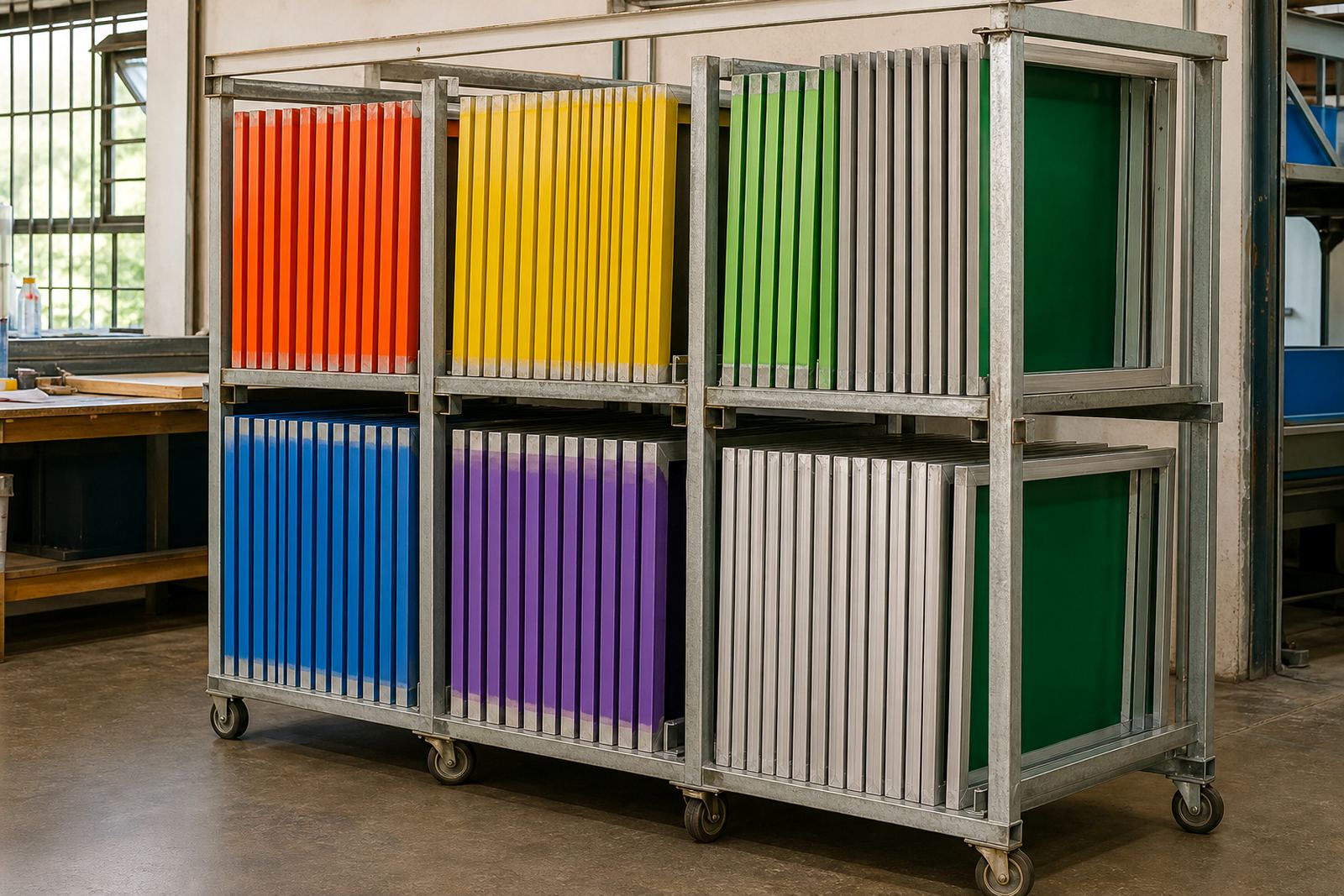
If you are ordering several frames at once, list each size separately and mark which ones are for immediate use. Bulk orders are easier to manage when the quantities and dimensions are written down clearly, rather than sent in one mixed note with no order.
Why local examples help get the size right
Here is a simple example. A printer in Maitland wants five frames for a weekend run of branded shirts and two larger frames for a separate contract in Paarl. If those sizes are written down clearly, with the intended use for each one, the workshop can stretch and check them in the right sequence. The printer gets the correct frames, and there is less risk of confusion when loading the job for collection or delivery.
That is the point of giving proper details at the start. A made-to-order aluminium frame should arrive ready for work, not requiring guesswork on site. When the measurements, mesh needs and timing are all clear, the job moves faster and the finished screen is easier to trust on press.