
Why matched frame sets save time on the workshop floor
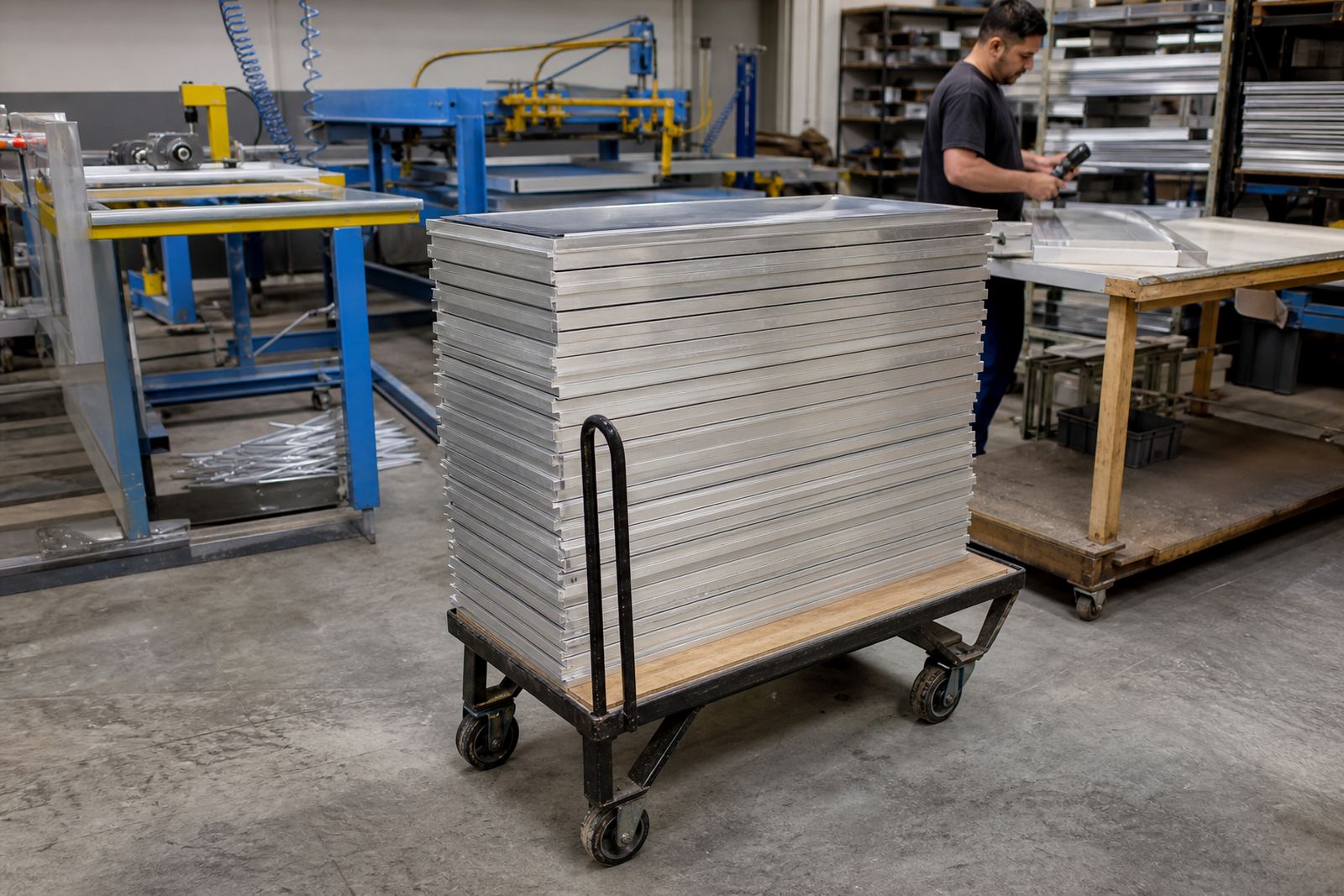
In a busy print room, time is lost in small ways. A frame that is too loose, a screen that was stretched to the wrong tension, or a batch with mixed sizes can hold up an entire run. When your frames are matched as a set, the team can sort jobs faster, stack them neatly, and keep each screen moving through the same workflow.
For garment printers in Maitland, Cape Town and beyond, that matters during rush periods such as schoolwear season, sports orders and short lead time retail work. If one operator is cleaning while another is stretching, and the press is waiting on the next screen, a set of coordinated frames keeps the rhythm steady. It also makes it easier to plan labour, because the work can be grouped by size and application.
Frame sets are not just about appearance. They support consistency across the workshop, which is what clients notice when prints line up properly and repeat orders match the previous run. A good set reduces waste, keeps storage neater, and makes it simpler to assign work when load shedding or interruptions shorten the day.
Choosing the right frame sizes for common garment work
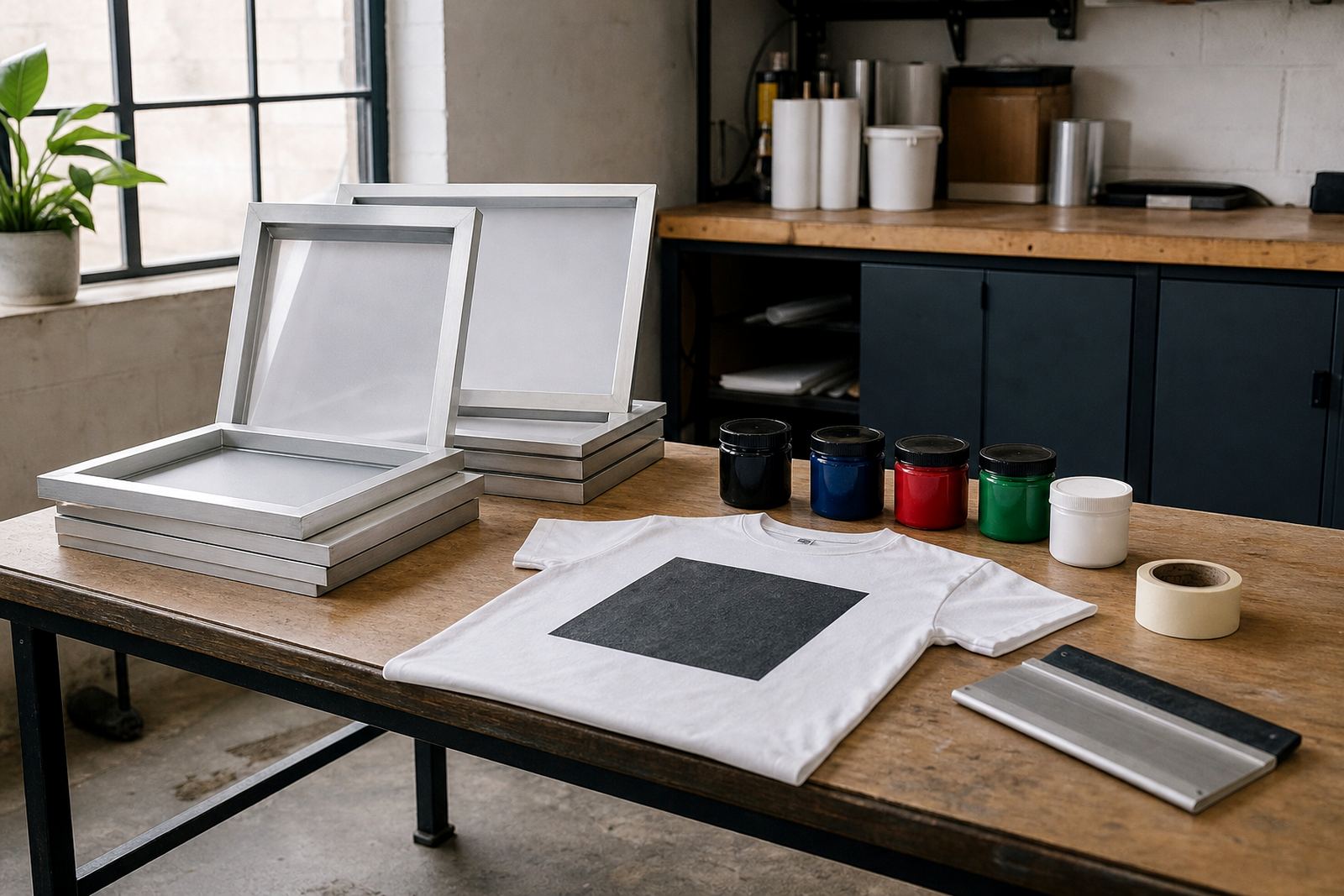
The right frame set depends on what your shop prints most often. A workshop handling T shirts, hoodies, tote bags and workwear needs different screen sizes than a small operation focused on custom runs. Most busy printers do best with a core group of sizes that can handle the bulk of daily jobs, plus a few larger frames for oversized artwork or special requests.
It helps to think in terms of repeat work. If you are printing 50 to 300 garments a day, your frame set should make it easy to keep common artwork formats ready. Standardising sizes also helps with storage racks, drying space and the way screens are moved around the room. In Cape Town, where coastal humidity can affect drying times, a tidy system saves more time than people expect.
When planning new frames, many shops ask for a mix that covers front prints, back prints and smaller placement work. That gives the team room to work without forcing every design into one size. If the frame sizes are too varied, the shop spends more time adjusting than printing, and that slows down the full schedule.
- Keep a few core sizes for daily orders
- Add larger frames for oversized designs and specials
- Match sizes to your drying and storage layout
- Plan for the garments you actually print, not the ones you print once a month
How tension consistency helps the press run smoothly
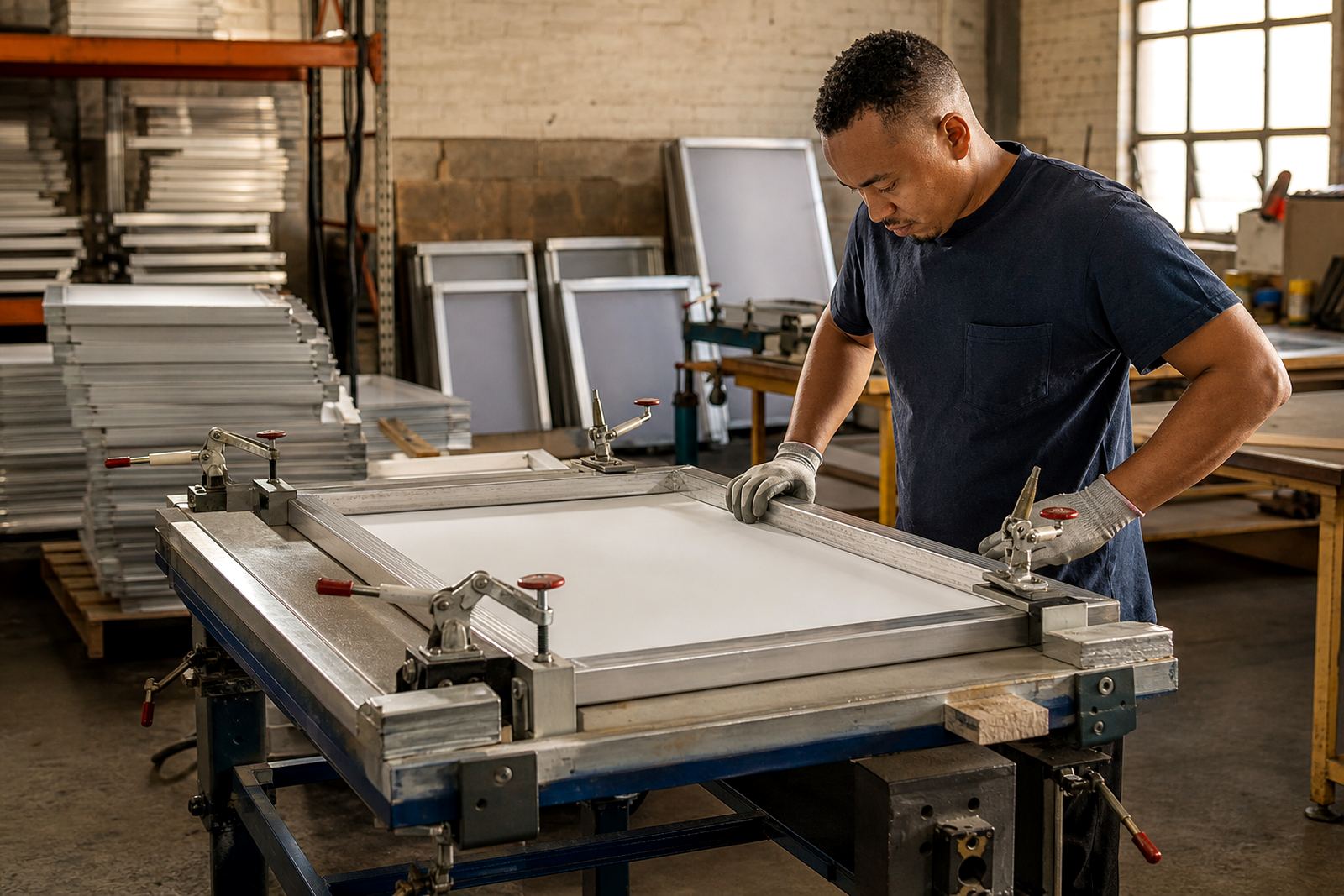
One of the main reasons workshops prefer coordinated frame sets is tension consistency. When screens are stretched to the same standard, the printer gets more predictable results from one screen to the next. Ink deposit, print sharpness and registration all become easier to manage, especially when jobs need to be repeated across different sizes.
That consistency matters for production planning too. A frame that is under tension can slow down set-up and lead to rework. Too much variation between screens means more test pulls, more checking and more small corrections on the press. For a shop trying to finish before knock-off, those minutes add up quickly. In Johannesburg and Pretoria, where many printers work to tight dispatch times, a steady tension level can make the difference between finishing today or carrying work over.
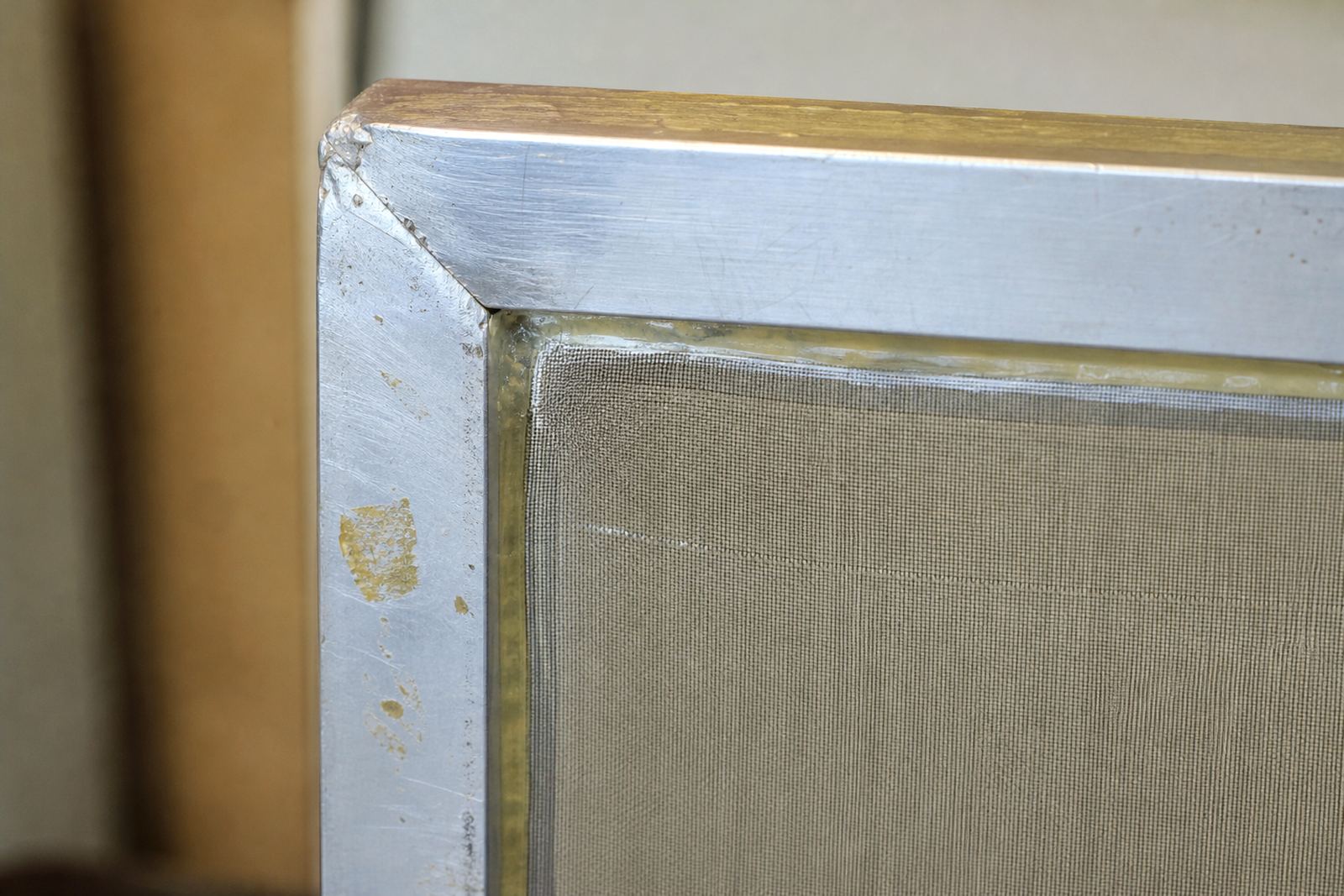
Regular tension checks and frame inspections help the workshop protect the set. If one frame is damaged or starts slipping, the whole batch becomes less reliable. Good screen care means the set stays useful for longer and the team does not have to keep compensating for poor preparation.
Scheduling around peak demand, load shedding and dispatch
Busy shops do not run on printing alone. They run on timing. A proper frame set helps with scheduling because it allows work to be grouped by urgency, size and drying needs. When orders are lined up in a clear sequence, the team can decide what must be stretched first, what can wait, and which screens should be sent for pickup and return.
In South Africa, timing also has to factor in load shedding, weather and transport delays. A workshop in Maitland may want urgent turnarounds before an evening outage, while deliveries to Durban or Gqeberha may need extra lead time for the courier side of the job. Having a standard frame set makes those decisions easier because the shop knows exactly what is available and what still needs attention.
For many garment printers, the smartest routine is simple. Inspect, clean, restretch if needed, then stage the screens by job. That way the press room stays orderly and there is less backtracking when a client adds more quantities at short notice. It also helps the production manager keep the whole week balanced instead of reacting to every call as it comes in.
- Group screens by order priority and garment type
- Separate urgent work from planned production
- Build in time for drying and inspection
- Keep delivery and collection days on the same board as print jobs
What a durable frame set should handle in South African conditions
Local conditions can be tough on workshop equipment. Coastal humidity, temperature swings and daily handling all affect the life of a frame set. Frames need to stay straight, clean and ready for repeated use, especially if they move between the workshop and a delivery route. A well made set should handle regular stretching, removal and cleaning without losing fit or alignment.
For shops near the coast, moisture control matters. If frames are stored badly, mesh condition can shift and adhesive performance can suffer. Inland workshops face a different problem, dust and dry air, which can still interfere with prep if the storage area is not kept tidy. Either way, the frame set should be easy to inspect and quick to prepare for the next job.
Busy shops also benefit from frames that can be restretched instead of replaced too often. That keeps costs under control and supports longer term planning. It is one thing to buy a few new screens when business is quiet. It is another when you have a week of repeat orders and every frame needs to be ready on time. A practical set should reduce that pressure, not add to it.
A Maitland example: keeping production moving for repeat orders
A garment printer in the greater Cape Town area may have a mix of corporate work, clubwear and school orders coming through the same week. On Monday the team could be preparing a small urgent run, on Wednesday a bulk order, and by Friday a repeat print that must match the first batch exactly. Without a coordinated frame set, that kind of week becomes harder to control.
With matching frames, the shop can assign each screen a place in the workflow. The production manager knows which ones are ready, which need mesh removal or adhesive application, and which need a final tension check before dispatch. That makes it easier to move screens between the Maitland workshop, Bellville collections and the Paarl supply route without confusion.
For a busy shop, the real value is not just the frame itself. It is the way the whole set supports daily decisions. Less searching, less waiting, better planning and fewer interruptions. That is what keeps garments moving from artwork to finished print in a way the whole team can manage.
When to restretch, replace or add to the set
Even a good frame set needs attention. If a screen keeps losing tension, shows damage around the edges, or no longer fits the job list the workshop is handling, it may be time to restretch it or add new sizes. The right move depends on how often the frame is used and how demanding the work is. Some screens can be brought back into service with cleaning and fresh mesh, while others are better retired.
A useful rule is to review the set whenever work starts to slow because of screen prep. If the team is spending too much time adjusting old frames, the business may save time by upgrading part of the set instead. That is often the case in shops that have grown quickly and now handle more orders than the original screens were built for.
At ScreenFrame, the focus is on helping garment printers keep their sets practical and ready for the next shift. A strong frame set should support the pace of the shop, not fight it. When the screens are in order, everything else becomes easier to schedule.