
Start with the jobs you print most often
If you are running a compact garment print setup in Maitland, Bellville, or even from a small industrial unit in Pretoria, the first step is to look at your regular order types. Count the last 20 to 30 jobs and note the print areas, garment sizes, and whether you are doing single colour runs, logo work, or multi colour prints. That tells you more than guesswork ever will.
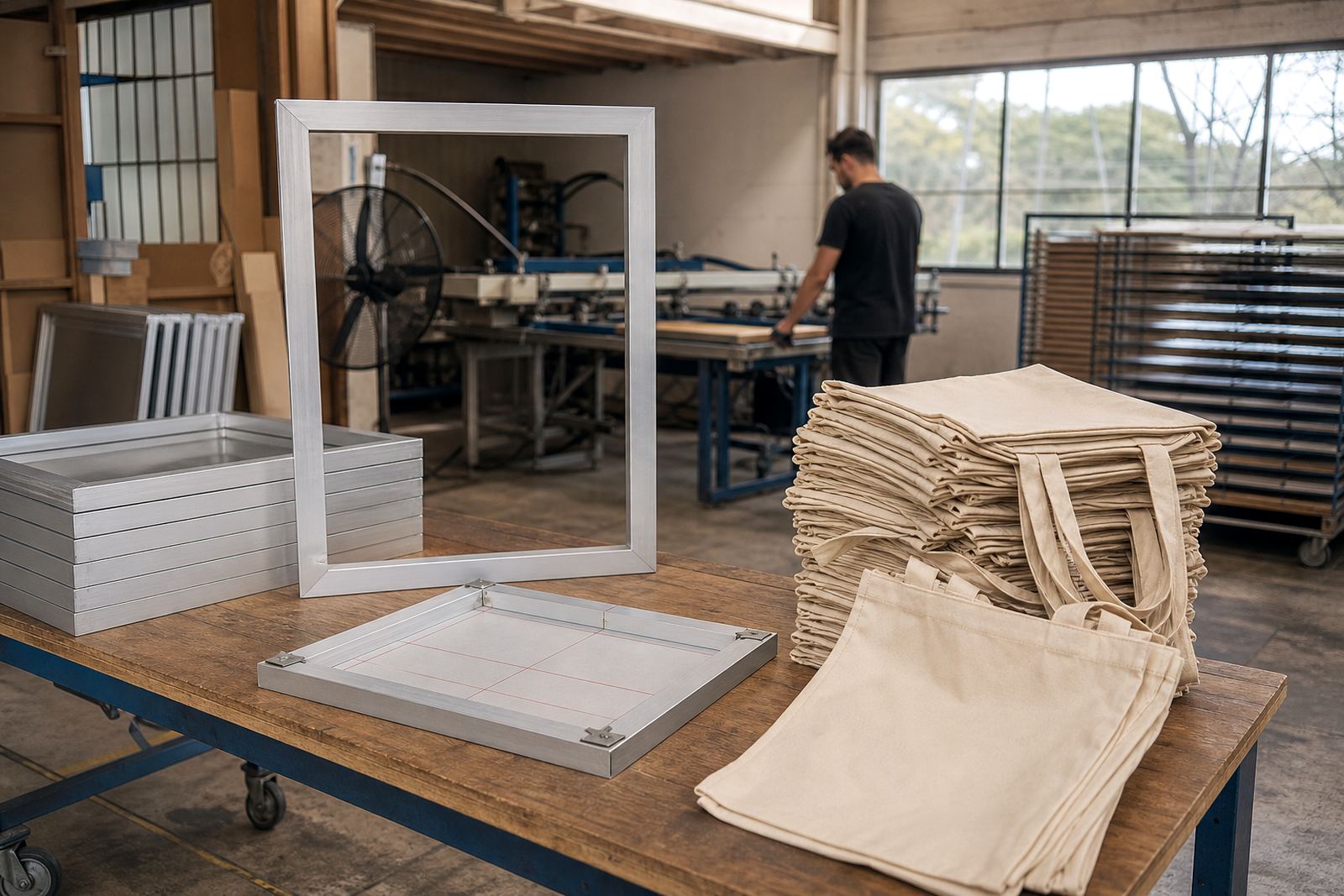
Most small shops do well when they keep a core set of frame sizes for standard artwork, then add only a few larger frames for oversized prints and specials. If you buy too many sizes too early, you end up with steel or aluminium stacked against the wall and money tied up in frames that rarely leave the rack.
- List your top 5 recurring print sizes
- Check which jobs are for T shirts, hoodies, bags, or workwear
- Note which screens need faster turnaround and which can wait
- Separate everyday production from one off custom work
Build a core mix that covers most orders
A practical frame mix should cover the bulk of your work without forcing you to stretch every odd size on demand. For many small garment printers, that means a few medium frames for common logo and chest prints, a couple of larger frames for full front work, and one or two smaller frames for fine detail or sleeve prints. This approach keeps setup simple and reduces waste.
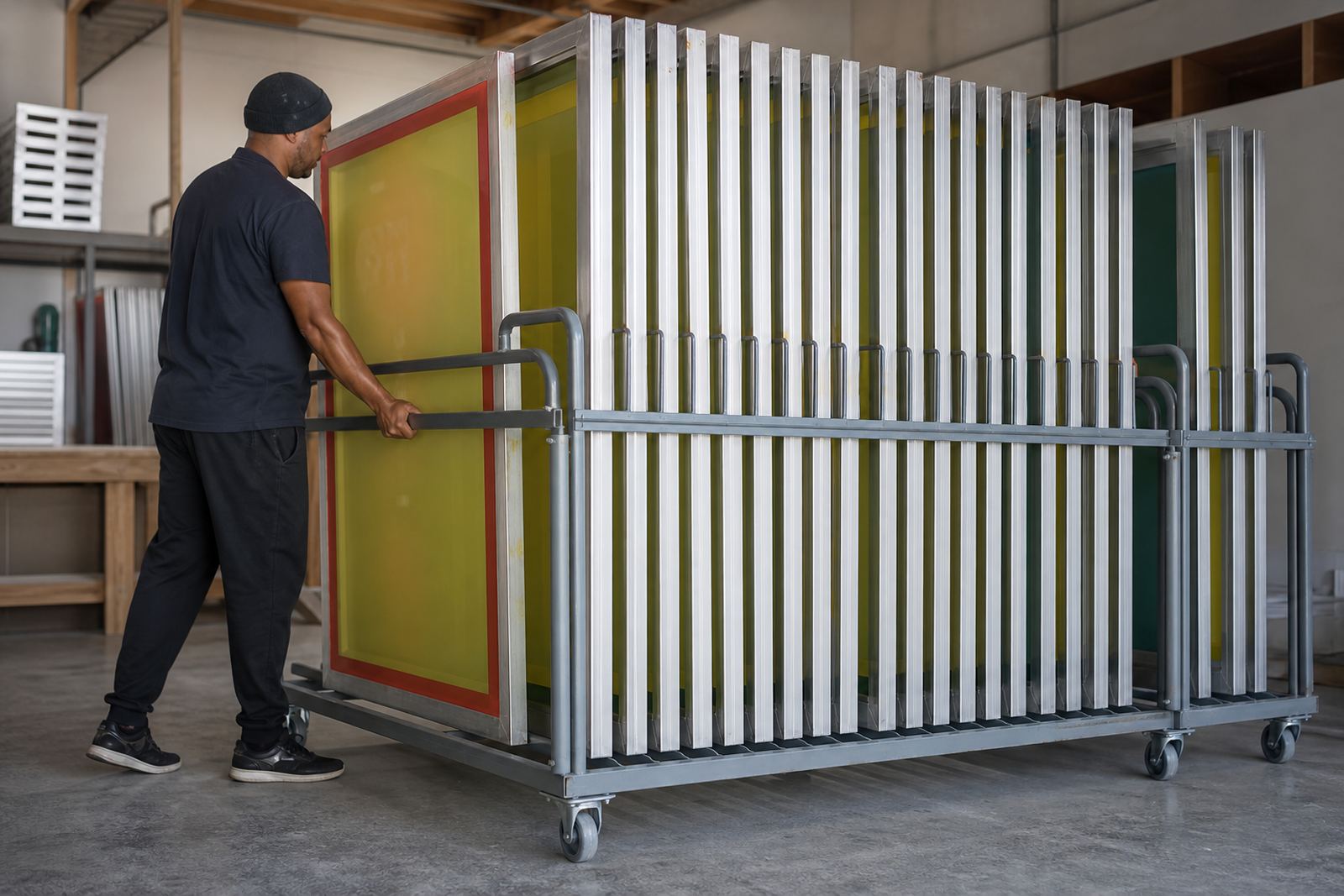
In coastal areas like Cape Town or Gqeberha, humidity can affect storage and screen condition, so it helps to keep the frame range compact and well managed. Fewer sizes means less clutter, easier inspection, and less chance of damage when the workshop gets busy. A clean, organised screen wall also makes it easier for staff to pull the right frame quickly when the load-shedding timer or courier collection window is closing in.
- Small frames for sleeve prints, neck labels and fine detail
- Medium frames for common chest logos and one colour artwork
- Large frames for full front, back prints and oversized designs
- One or two spare frames for emergency rework or rush jobs
Choose sizes that work across more than one garment type
Good frame planning is about flexibility. A frame that works for a left chest logo on a golf shirt may also suit a compact tote bag print or a small workwear transfer. The aim is not to own every possible option, but to own frames that can be used again and again across different products.
In a shop serving Johannesburg, Durban and Pretoria deliveries, that kind of flexibility matters because transport costs and turnaround times all add pressure. If one frame can handle several job types, you spend less time stretching new screens and more time printing. It also helps with stock control because you can carry fewer spare mesh sets and still keep production moving.
- Pick sizes that suit your most common print areas
- Avoid one purpose frames unless you use them every week
- Keep note of which mesh counts pair well with each frame size
- Track which frames are used most so replacements are planned early
Do not overspend on size before you need it
It is easy to be tempted by a full rack of frames, especially when a supplier list makes every option look useful. But for a small shop, overspending on frame sizes can squeeze cash that should be going into emulsion, ink, or a better flash setup. The better habit is to buy in stages, then add sizes when real orders justify them.
A good rule is to start with the frames that support at least 70 percent of your work. Once those are busy most weeks, then add the next size up or down. That way you are not paying for storage space, cleaning time, and handling on frames that sit idle. It is a practical way to keep your setup lean without limiting your growth.
- Buy the first batch around actual order history, not future hopes
- Hold back on special sizes until they repeat often
- Set aside budget for replacement stretching and repairs
- Review frame use every quarter so dead stock does not pile up
Plan for urgent work and reprints
Small shops often lose time when a frame is damaged, a print fails, or a customer suddenly adds another colour. That is why a sensible frame mix should include a few backups. You do not need duplicates of everything, but you should have enough to handle emergency reprints without stopping a job halfway through the day.
If your workshop in Maitland is handling pickups and returns, a spare frame or two can save a trip and keep the schedule intact. It also helps when there is a rush order before a market, school event, or staff uniform deadline. In that kind of pressure, a clean spare frame is cheaper than losing a customer over a missed collection.
- Keep at least one backup for your busiest frame size
- Hold a spare for urgent turnaround jobs
- Replace damaged mesh before it causes print faults
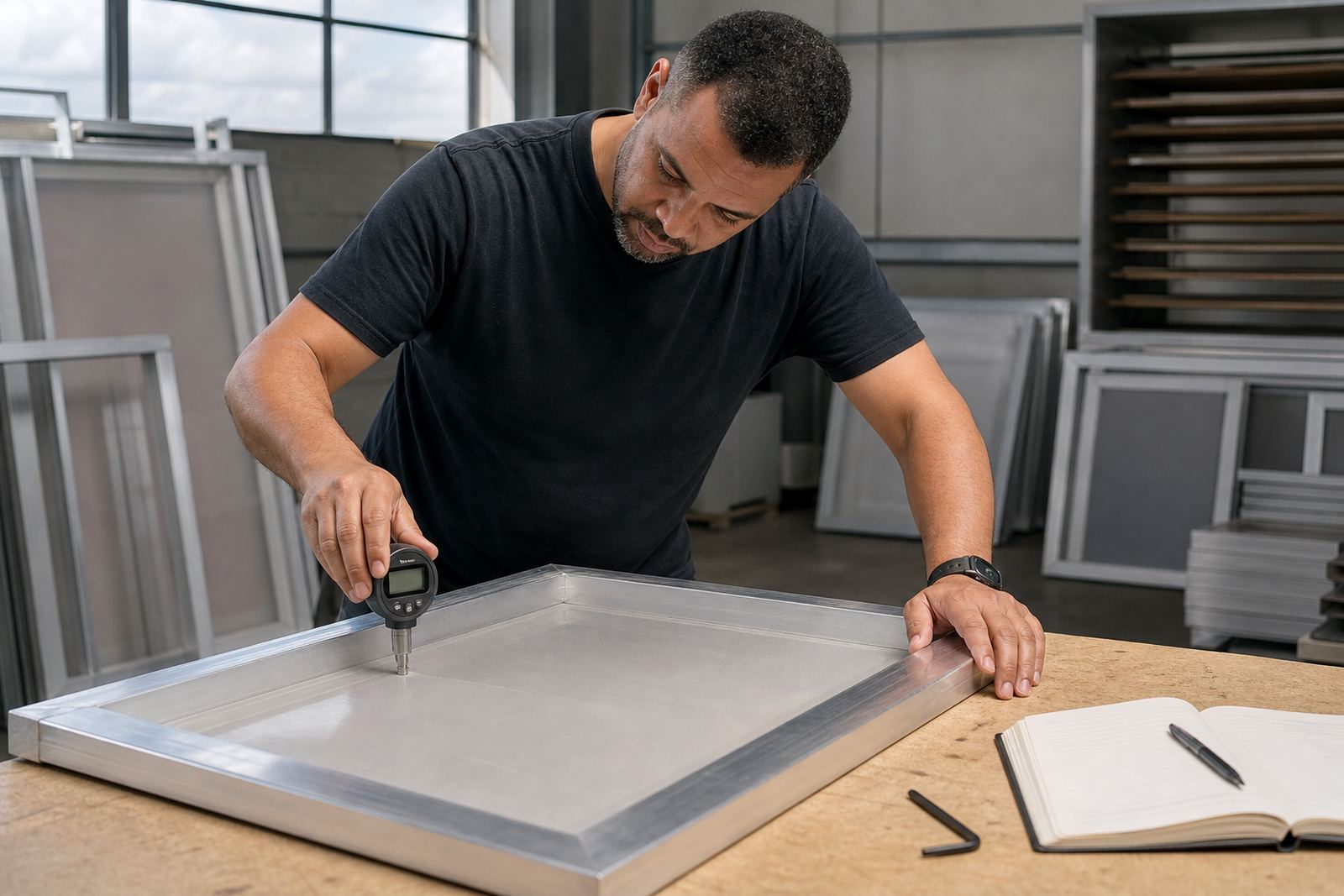
- Inspect frames after busy periods, especially if they have been handled a lot
A local example from a Maitland print shop
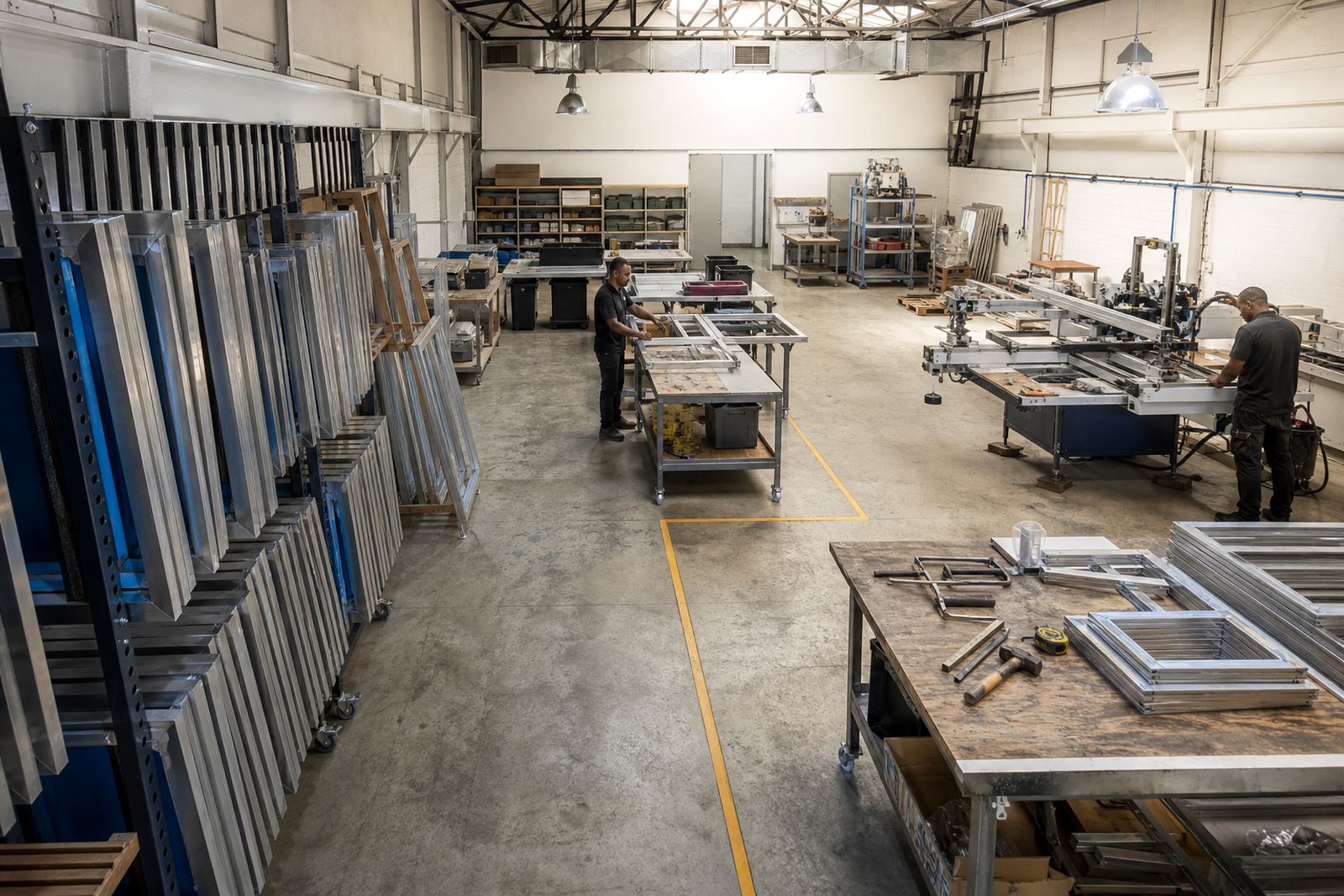
Consider a small printer in Maitland handling promotional shirts for schools, spaza suppliers, and local clubs. Their order mix is mostly one and two colour work, with the odd oversized back print for a run of hoodies. Instead of buying a wide range of frames, they keep a tight set: enough medium frames for everyday jobs, a few larger frames for standard garments, and one smaller frame for sleeve and label work.
That shop can still cover Bellville collections, Paarl supply route jobs, and couriered orders heading to Durban or Gqeberha without overloading the workshop. The money saved on unnecessary frames goes into better screen care, cleaner storage, and stronger production control. Over time, that sort of planning pays for itself because fewer frames are wasted and the team knows exactly what is ready for use.
For small shops, the goal is not to own everything. It is to own the right frames for the work you actually print week after week, with enough flexibility to handle a surprise job when it comes in.