
Why urgent replacements slow down when records are incomplete
Most urgent replacement jobs do not get held up by the making itself, they get held up by missing details. If a frame comes in with no size record, no mesh spec, or no note on what happened to the old one, the workshop has to stop and check everything before work can begin.
That delay matters for garment printers working under pressure in Maitland, Bellville, Johannesburg or Durban, especially when an order is tied to a delivery date or a municipal contract. A clear frame record helps the team confirm what can be reused, what must be replaced, and whether the job needs a new stretch or a full frame swap.
For urgent replacements, speed comes from being able to answer a few simple questions straight away. Not every shop keeps the same filing system, but the details that matter are usually the same.
- Frame outer size and internal opening size
- Mesh type and mesh count if known
- Frame condition, including bends, cracks or loose corners
- Whether the frame needs restretching or a full replacement
- How many screens are needed for the same job
The frame record details that save hours later
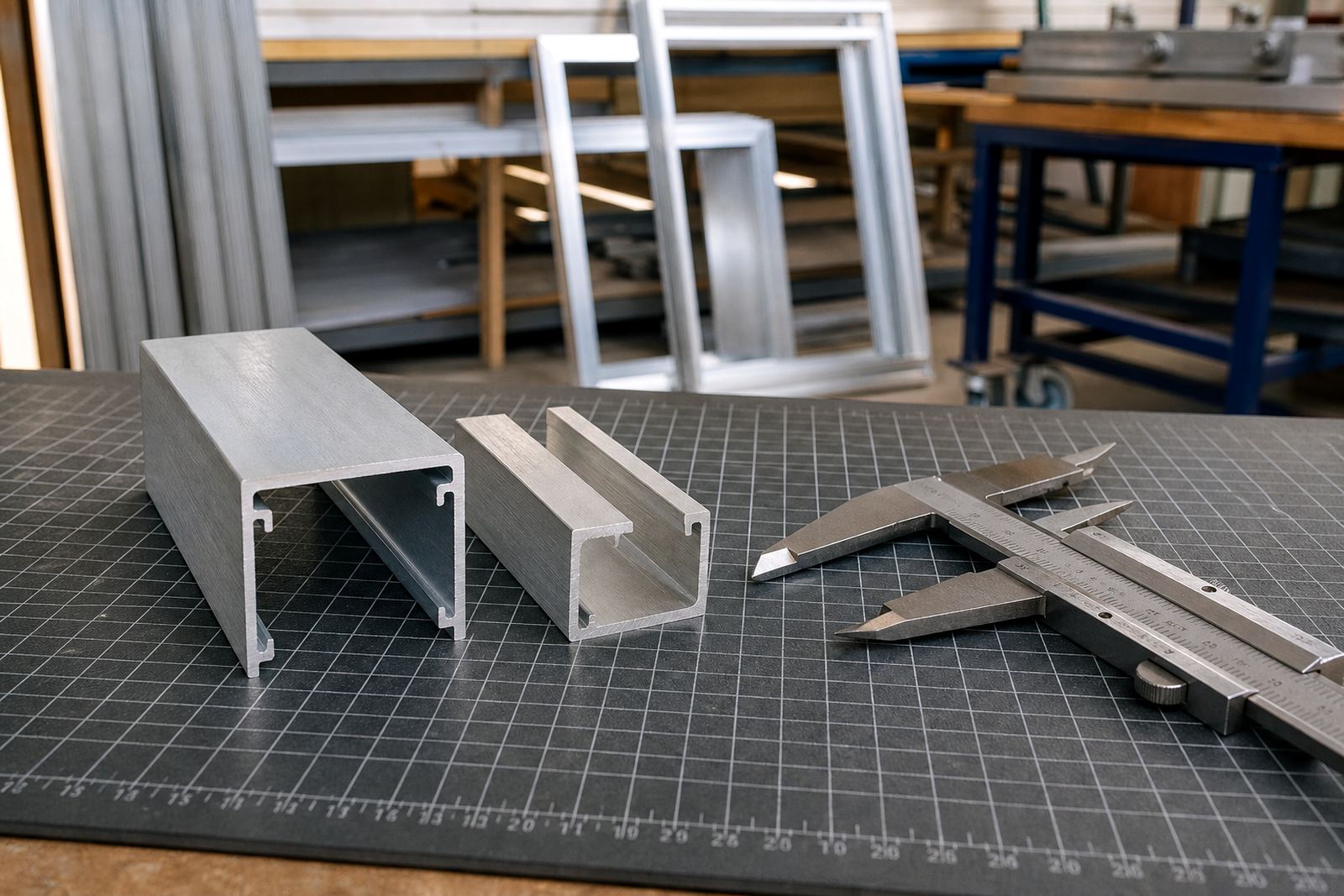
If you are building a simple record for each screen, start with measurements that can be checked quickly. A tape measure note is better than guessing, and a photo of the frame next to a ruler or measuring tape can settle a dispute before it starts. It also helps when a replacement has to be ordered for a screen that was used months ago and is now in storage.
Keep one record per frame, even if a batch all looks the same at first glance. Two frames can share the same outer size but have different mesh tension, different edge wear, or slightly different hole positions. Those small differences matter when a printer is trying to keep registration steady on a garment run.
Useful record fields include the basics below:
- Job name or internal reference number
- Date the frame was stretched or received
- Frame size in millimetres or metres, depending on your system
- Mesh colour, mesh count and mesh age
- Any repair history, including cleaning or adhesive work
- Who last used the screen and for what print type
A neat record does not need to be fancy. It just needs to be consistent. When a replacement is needed urgently, consistency saves time and avoids ordering the wrong size by mistake.
How to pack and label a frame before sending it in
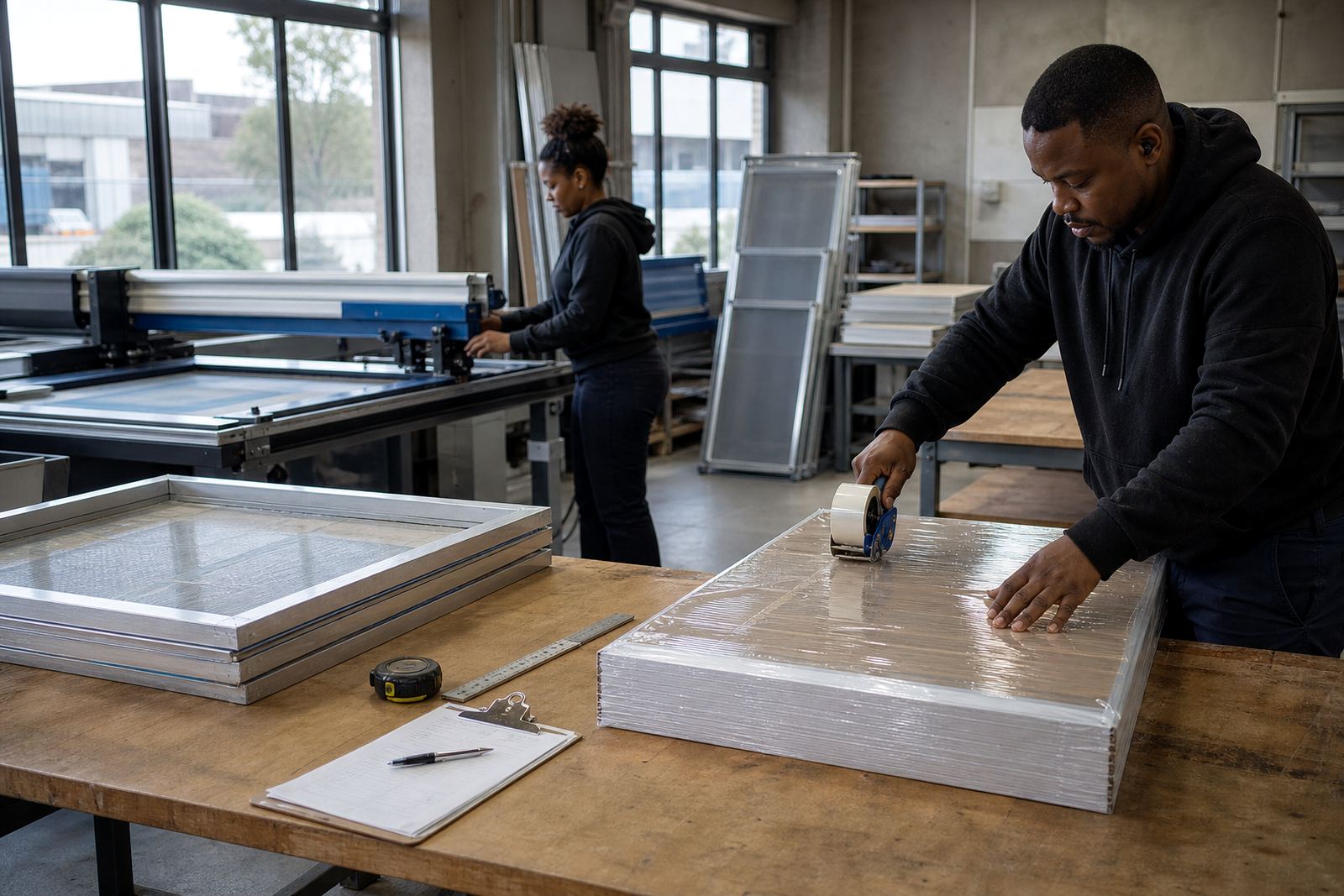
When a screen has to leave your workshop in a hurry, good packing protects the job and gives the replacement team a better starting point. If the frame is bent, cracked or contaminated with ink residue, wrap it so the damage is visible but the rest of the load stays clean. This is especially important on longer runs to Pretoria, Gqeberha or Durban where the screen may be handled more than once before it reaches the workshop.
Label the frame clearly with the job reference, size and contact name. If there are several screens in one order, number them 1 of 4, 2 of 4 and so on. That simple step prevents confusion when the team starts checking tension and matching parts. In a busy shop, unclear labels can slow the whole queue.
- Remove loose tape, scraps and old tags before dispatch
- Use a note inside the bundle with frame size and urgency
- Keep fragile corners protected with cardboard or foam
- Separate damaged frames from reusable frames
- Include any instructions about pickup and return if needed
A Cape Town example: one cracked frame, one morning saved
A print shop in Maitland can lose half a day if a frame cracks just before a small garment order must go out. In one common case, the shop already had a simple record: frame size, mesh count, last tension check, and a note that the screen had started lifting on one corner after repeated cleaning. When the crack appeared, the team did not have to guess what was needed.
Because the details were ready, the replacement could be sorted without a long chain of questions. The workshop could check whether the frame needed a full replacement or only mesh work, and the printer could keep the rest of the production line moving. That kind of preparation is useful whether the order is for local pickup in Bellville or delivery further afield. It helps reduce downtime and keeps smaller jobs from turning into missed deadlines.
The same approach works for hobby printers too. If you only use a few screens, a basic record on paper or in a folder is enough. What matters is that the information is there when the replacement is needed, not after the job has already stopped.
What to ask for when the replacement is urgent
If the frame must be replaced quickly, do not send a vague note saying it is urgent and hope for the best. Give the workshop the facts it needs to start work straight away. The clearer the instruction, the less time is spent on back and forth.
For ScreenFrame clients across South Africa, the enquiry form on the contact page is the easiest way to send the details together. Use it to include measurements, quantities and any note about turnaround pressure. If the job needs urgent help, say whether it is a replacement, a restretch or a repair. That helps the team route it correctly and plan the workshop queue.
- State the exact quantity of replacement frames needed
- Confirm whether pickup and return is required
- Include the town or delivery area, such as Cape Town, Johannesburg or Durban
- Share a photo if the frame is damaged or out of square
- Note any deadline tied to printing or dispatch
With those details in hand, the replacement process becomes much quicker and the risk of ordering the wrong screen drops sharply.
A simple record system you can keep using
The best frame record system is the one your team will keep using. A notebook, spreadsheet or folder of printed slips can all work if the same fields are used every time. In a workshop dealing with load-shedding, seasonal humidity and busy turnarounds, simple systems often work better than complicated ones.
Review your records after every urgent replacement. Add a note about what went wrong, what information was missing, and what would have sped the job up. Over time, that habit makes the next replacement easier and gives you a cleaner history of each frame. It also helps when you are planning bulk screen orders or checking which frames are due for inspection.
Good records do more than save time. They protect print quality, reduce waste and make it easier to keep work moving across Maitland, Cape Town and the rest of the country.