

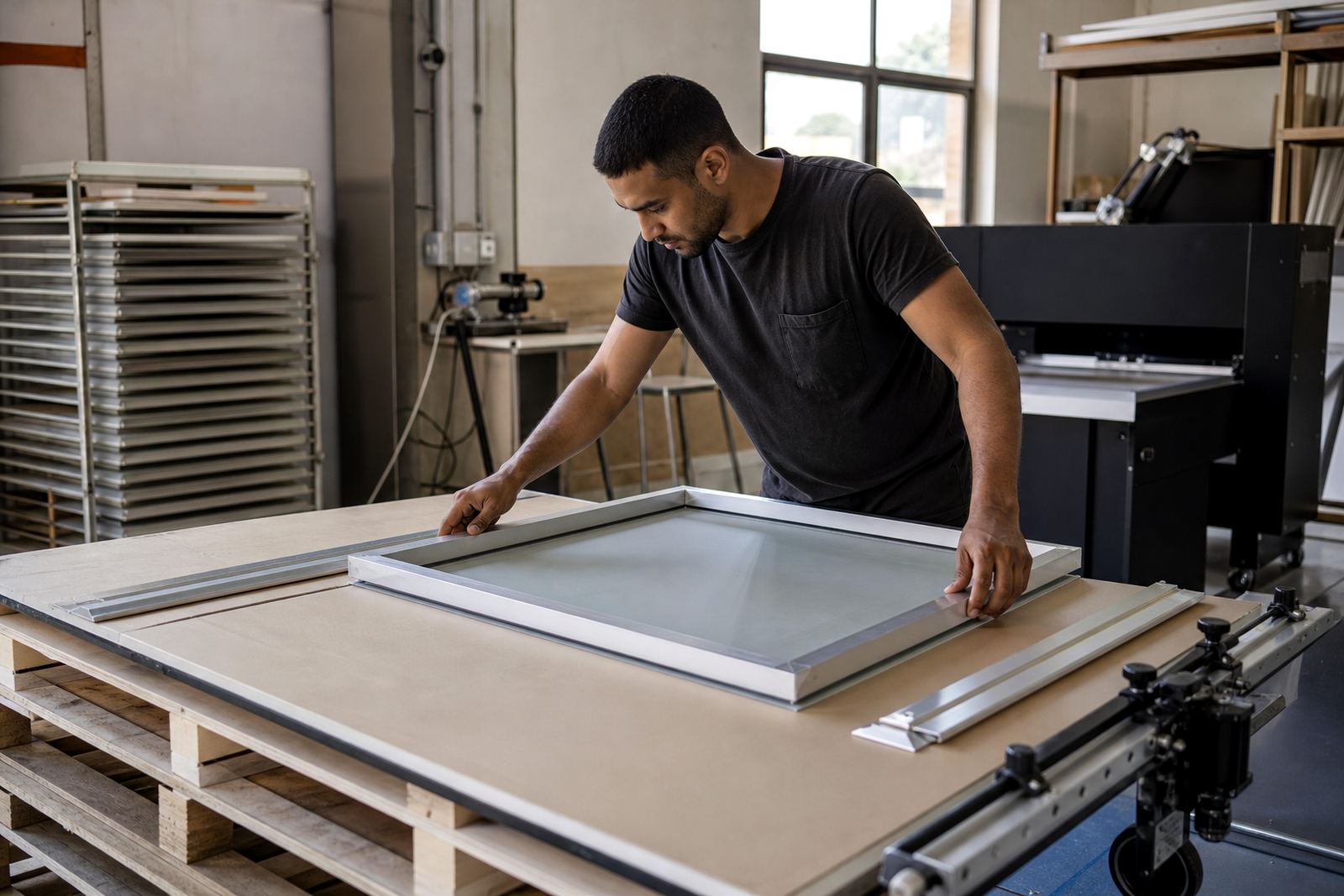
Choose the Right Frame for Your Printing Job
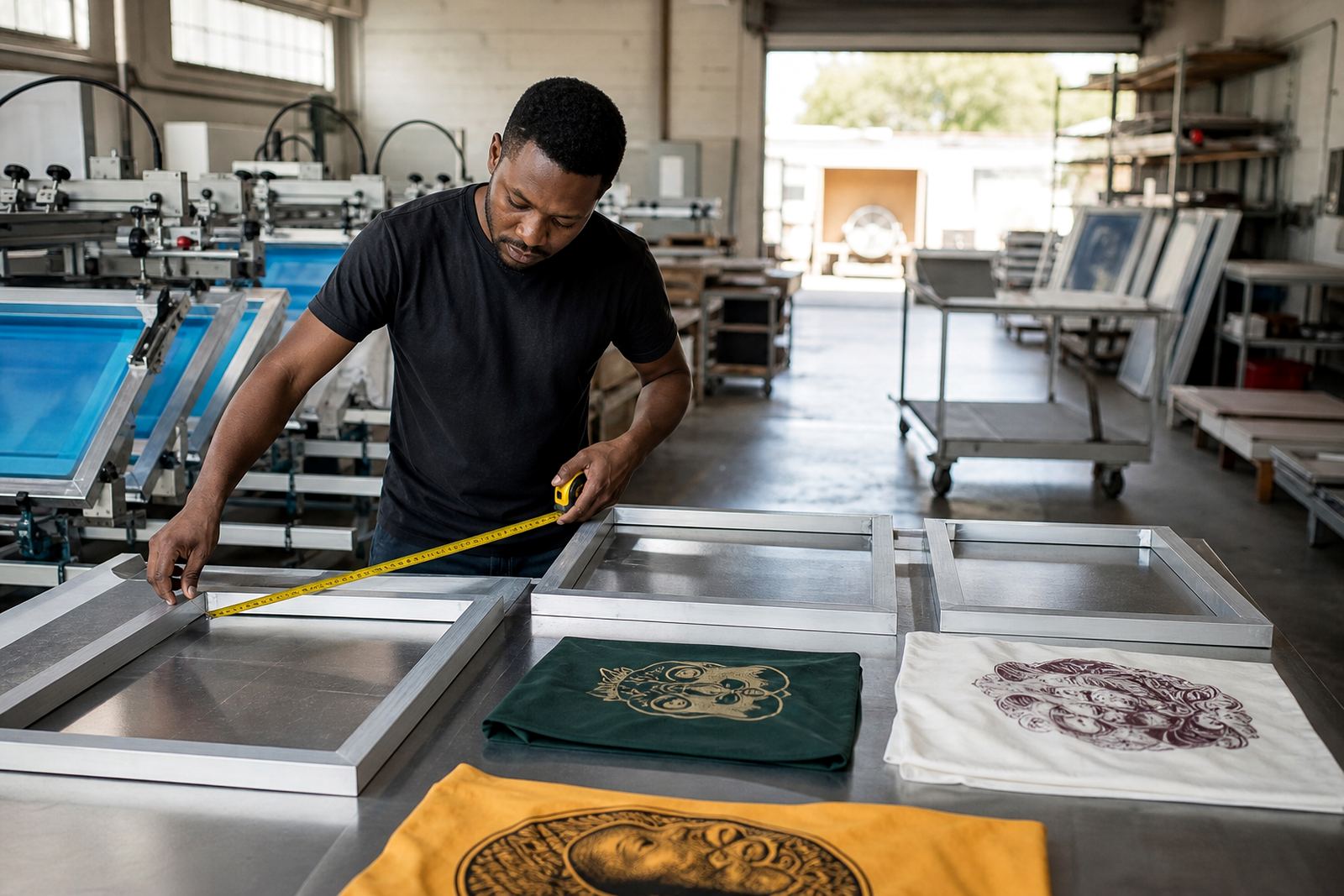
Picking a frame is not only about size, it is about the way you print, the mesh you use and how much volume you need to handle. A small garage printer in Cape Town may want a lighter setup for short runs, while a busy shop in Johannesburg might need a steadier frame for repeated use and less handling time. The right choice helps keep tension consistent and reduces waste on garments.
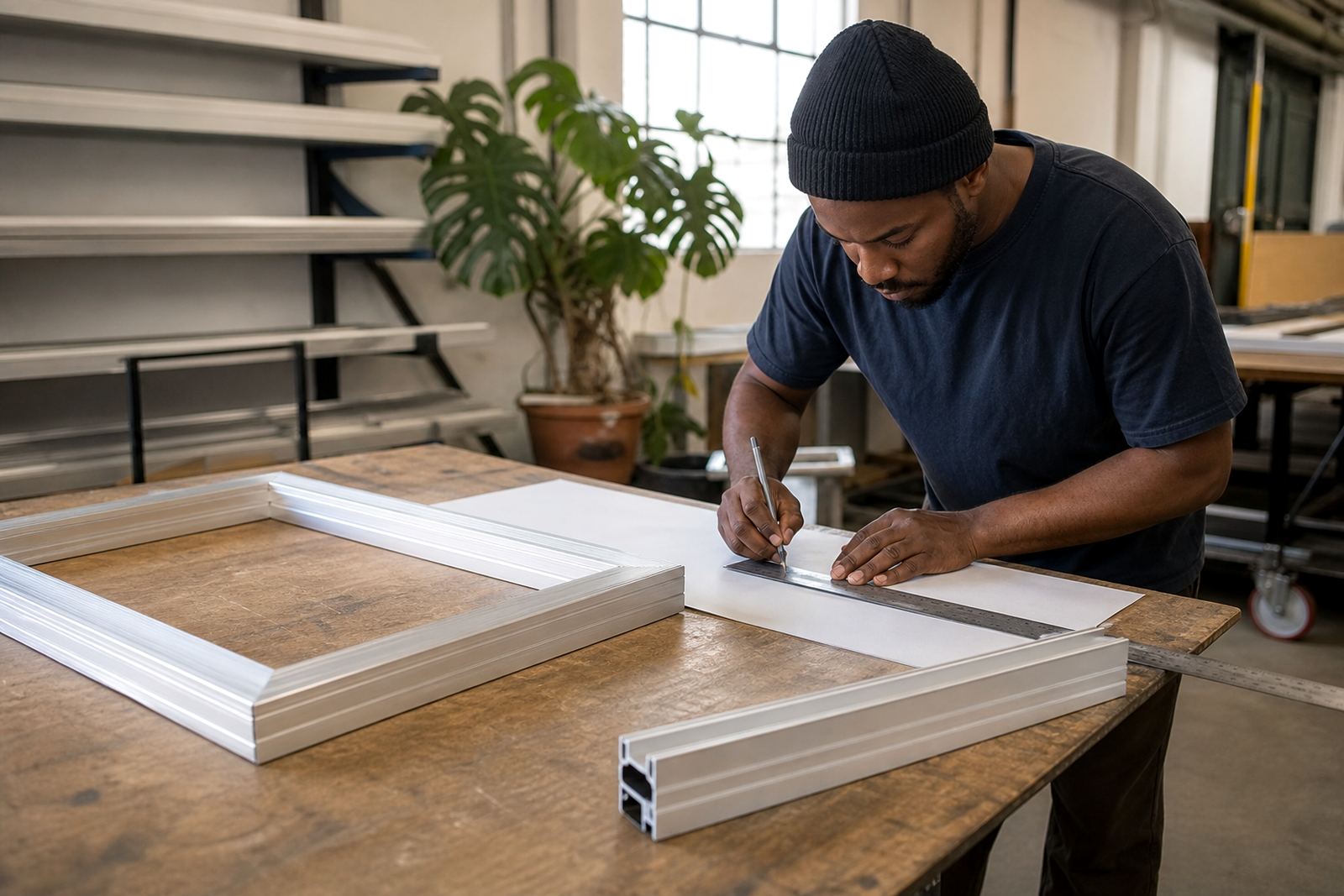
We supply aluminium frames for garment printers who want clean, repeatable results across different print runs. If you are not sure what suits your work, start with the screen size you use most often, then think about registration space, handling comfort and how much wear the frame will take over time.
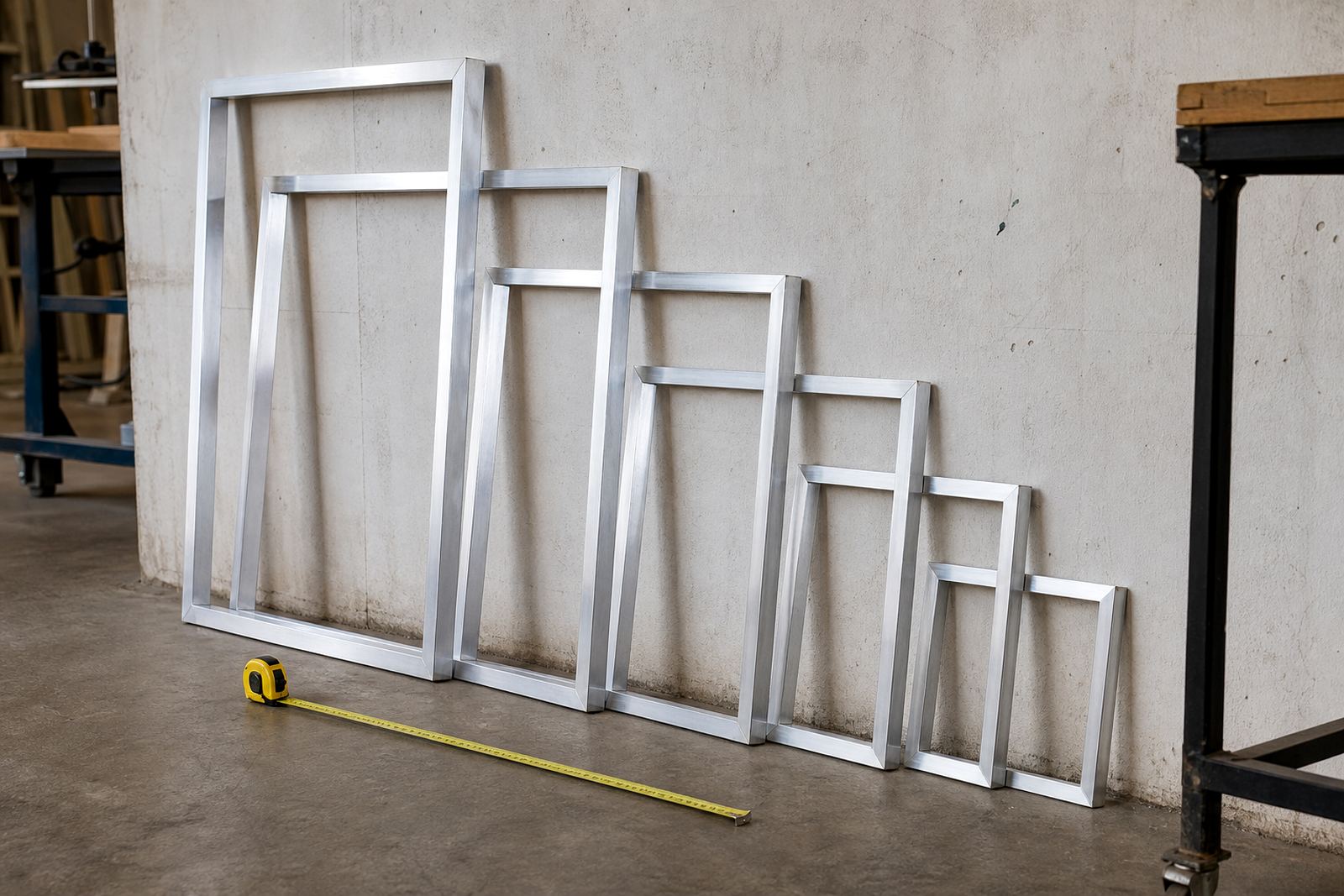
Frame Sizes That Suit Local Garment Printing
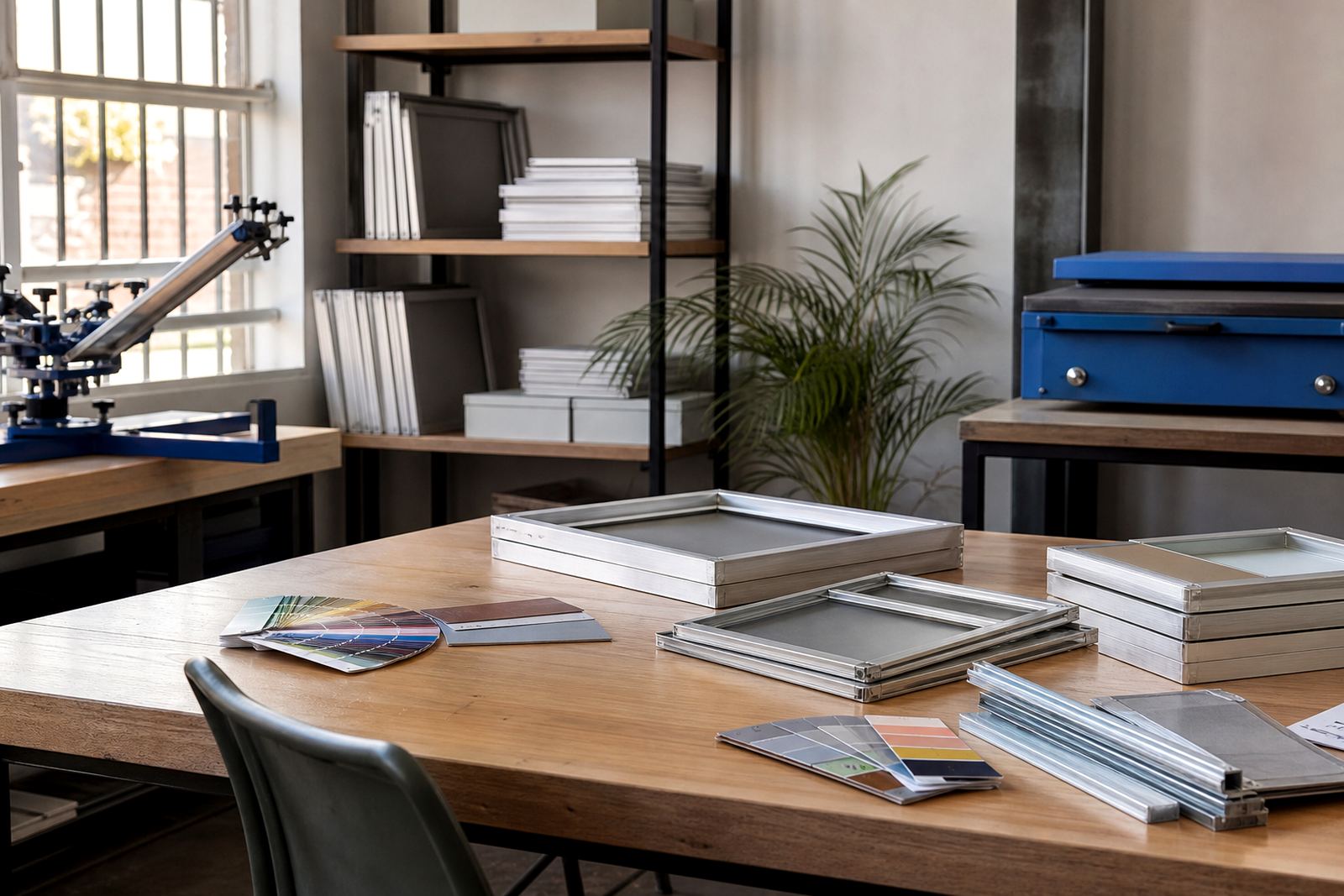
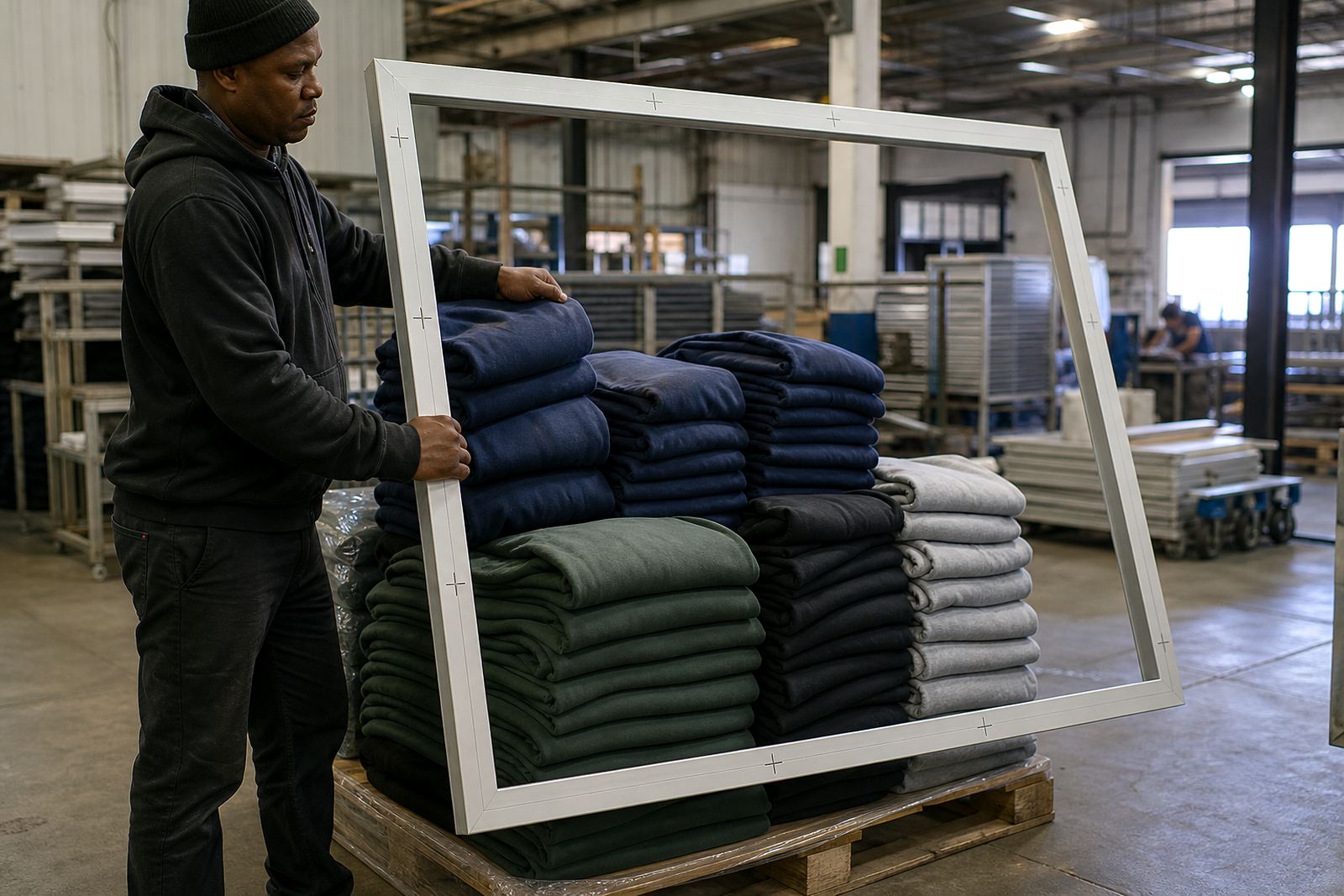
Most buyers want a frame that suits common garment placements first, then a few larger options for special jobs. In South Africa, printers often work across t-shirts, hoodies, tote bags and workwear, so it helps to match the frame to the product mix rather than buying one size for everything.
- Standard garment prints for left chest, back prints and schoolwear
- Oversize frames for large front prints and promo work
- Custom sizes for specialist jobs and repeat customer orders
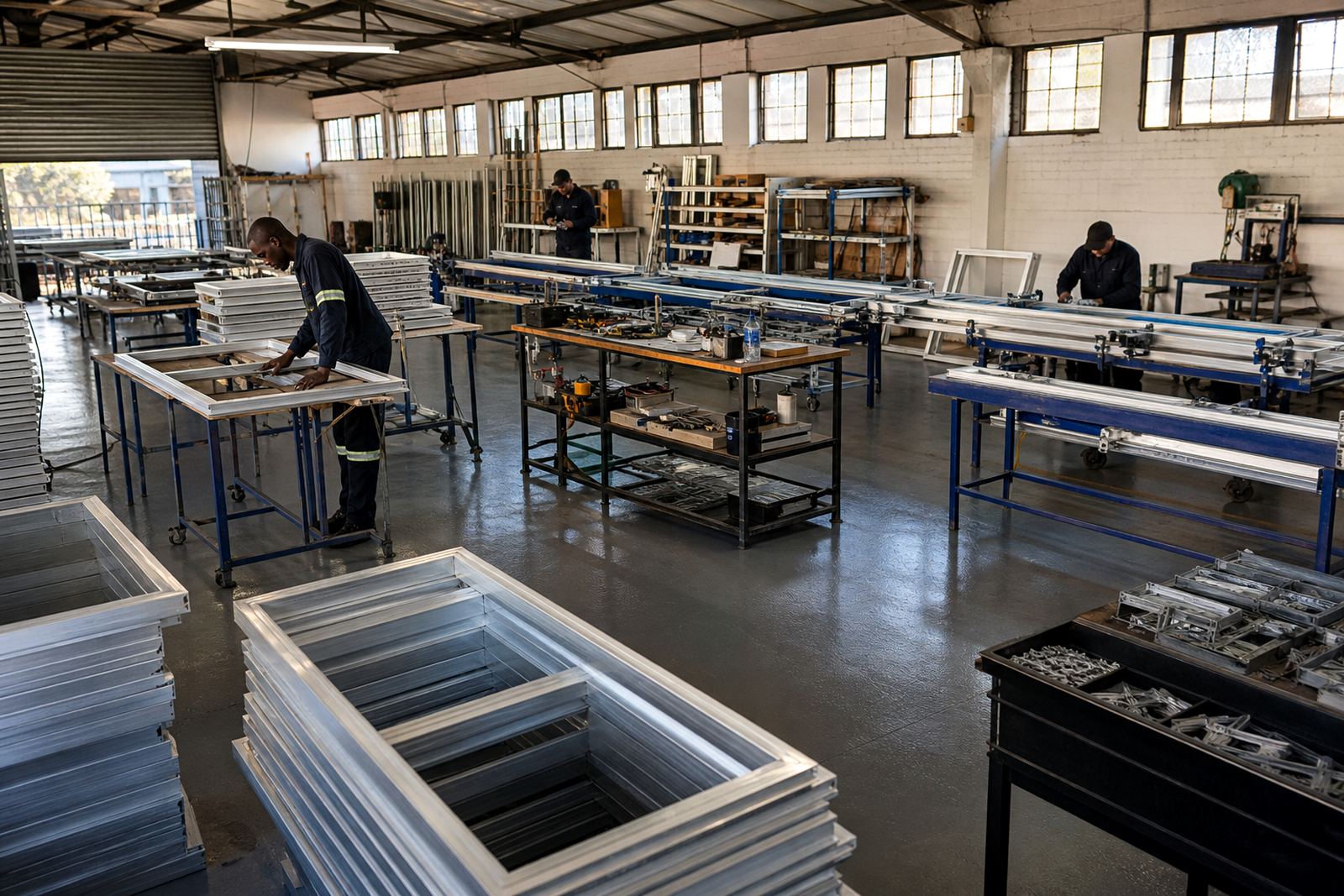
- Frames suited to busy production rooms and smaller workshop setups
If you print for coastal clients in Durban or Gqeberha, a well chosen aluminium frame also helps with handling in humid conditions where wooden alternatives can move more easily.
What Good Tension Means for Your Screen
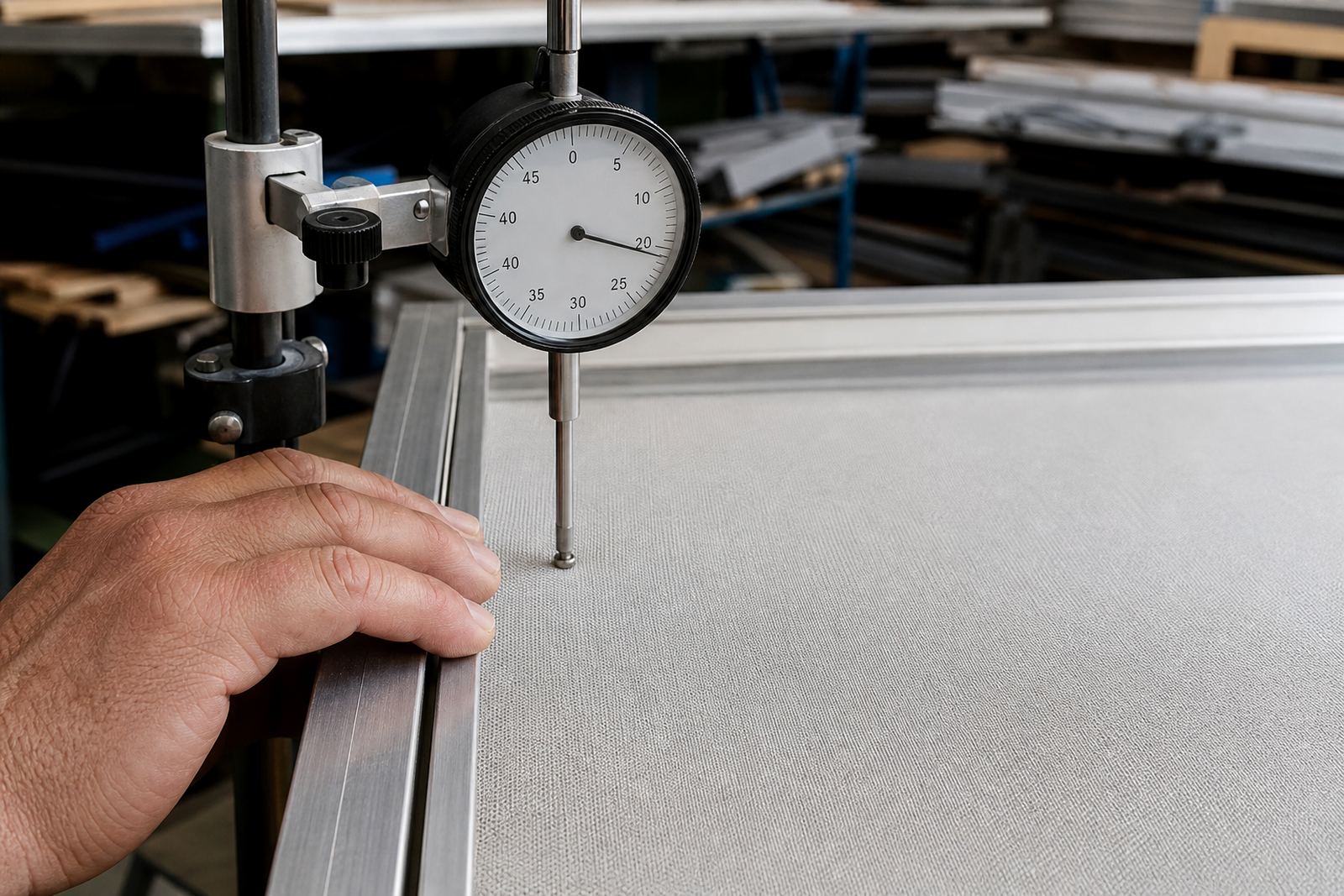
Tension affects detail, ink deposit and how long a screen can stay in service. A frame with proper tension support gives you cleaner edges, less blur and better control when you print fine logos or small text. Poor tension can cost time because you end up chasing registration or reworking a screen that should have been ready to go.
We check screens for tension as part of the stretching process, and that matters when you are printing under load-shedding pressure or trying to keep production moving through the week. If a screen feels loose, it can cause problems fast, so it is worth sorting early rather than trying to make do.
When to Restretch Instead of Buying New
Restretching is often the better choice when the frame is still sound and only the mesh has worn out. This saves money, keeps your workshop moving and avoids replacing equipment too early. It is also useful when you already have a set of frames that fit your workflow and you do not want to change your setup.
Frames that show damage, corrosion, or warping may need a closer inspection before you decide. For printers in coastal areas, salt air can shorten the working life of some equipment, so a proper frame check helps you know whether to restretch, clean or replace.
- Use restretching when the frame is still straight and solid
- Replace if the frame is bent, cracked or badly worn
- Ask for an inspection if you are unsure what is worth saving
- Keep a few backup screens ready for urgent jobs
How to Care for Frames Between Jobs
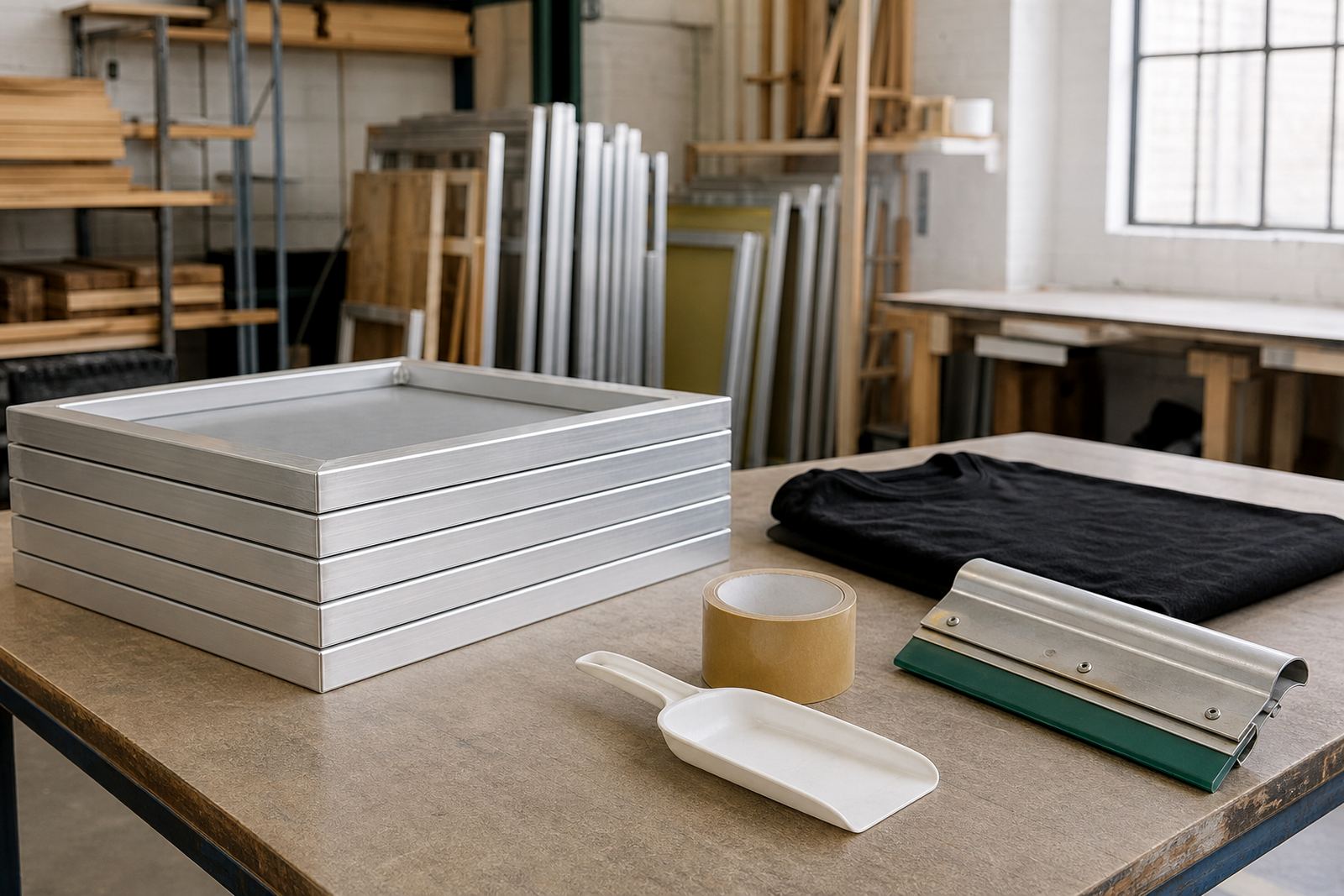
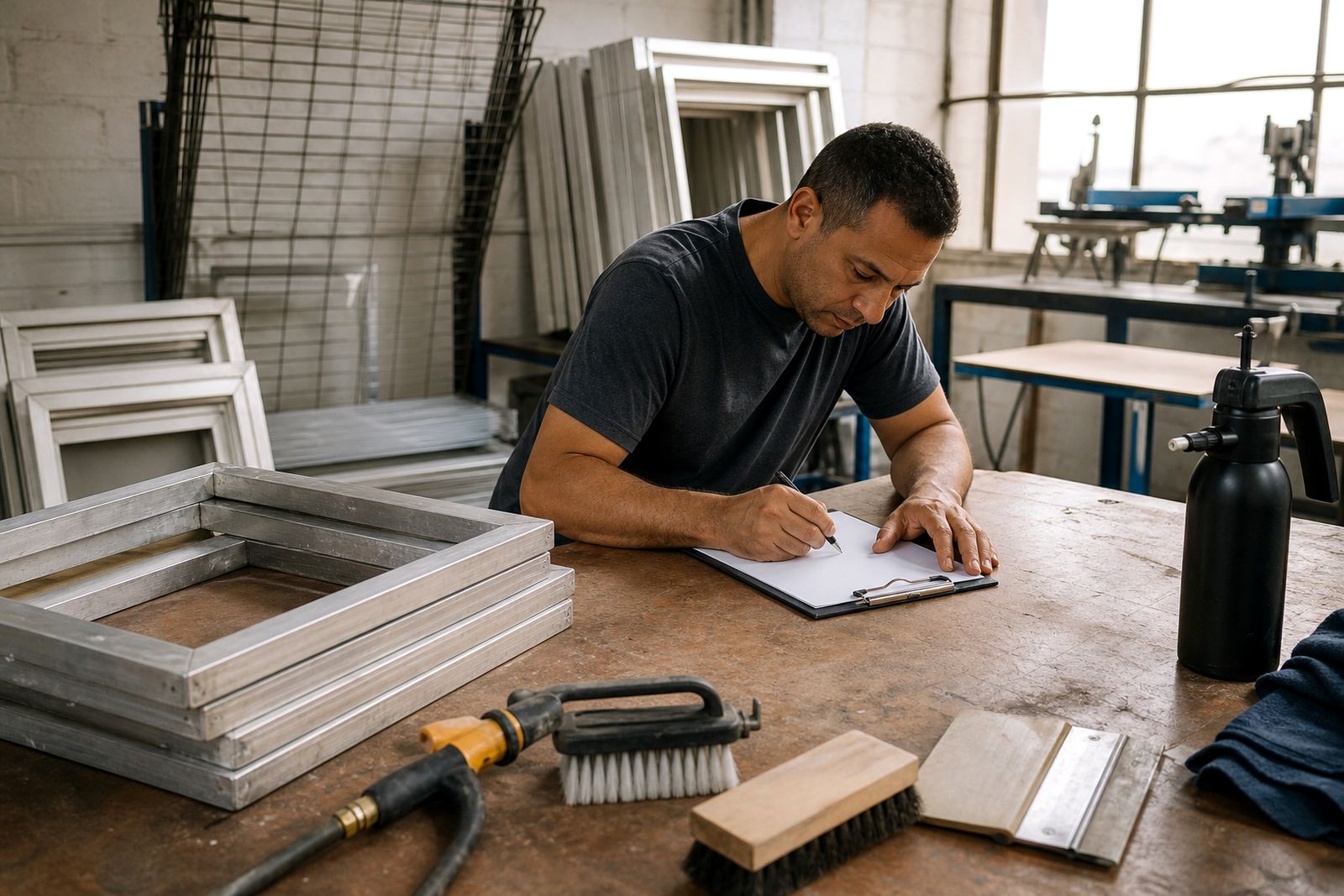
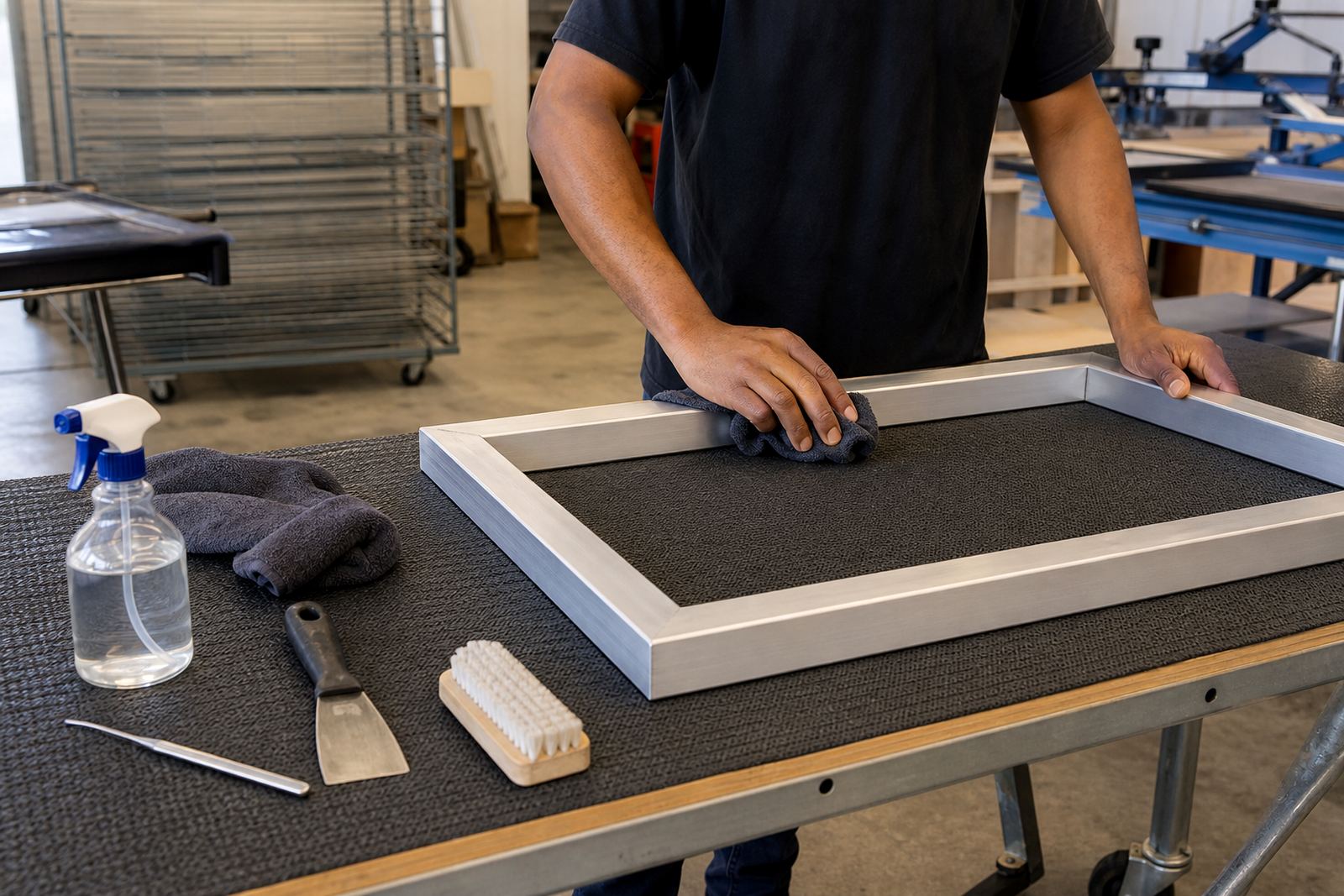
Good frame care makes a real difference, especially in workshops that run full days and need screens ready for the next shift. Clean frames last longer, hold mesh better and are easier to handle when you are moving between jobs. A quick routine after printing can prevent adhesive build-up and reduce downtime later on.
- Remove ink residue before it dries hard
- Check the frame edges for damage after each run
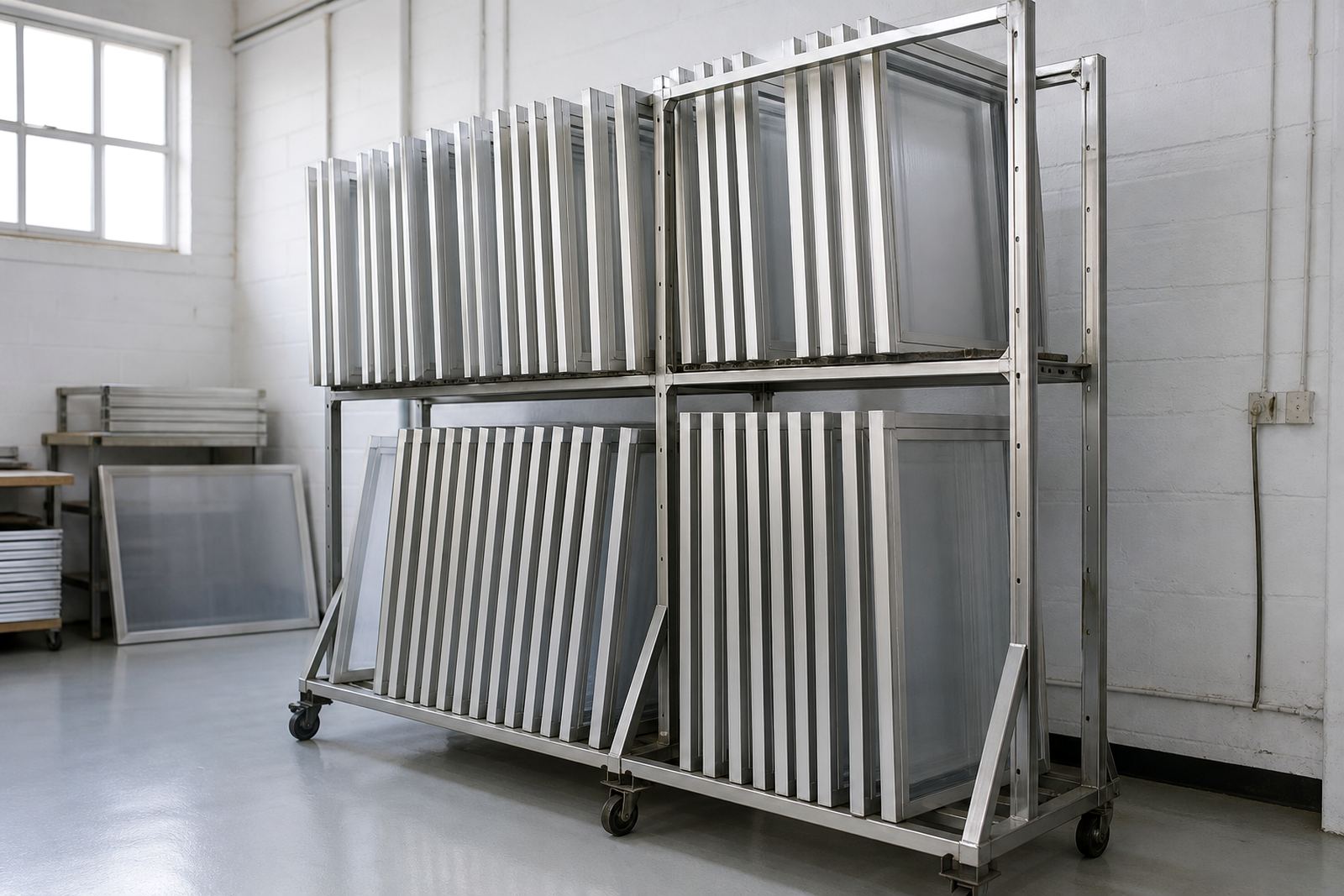
- Store screens flat where possible, away from heavy knocks
- Keep cleaned frames dry before re-use, especially in humid weather
For smaller teams, a simple care routine is enough if it is done properly. It does not need to be fancy, just consistent and tidy.
How to Use This Hub Before You Place an Order
This hub is here to help you compare the options before you choose a frame, order a batch or send screens in for service. Whether you are buying for a first setup in Maitland or managing deliveries to Pretoria and Paarl, the same basics apply: know your garment sizes, your print volume and how quickly you need the screens back.
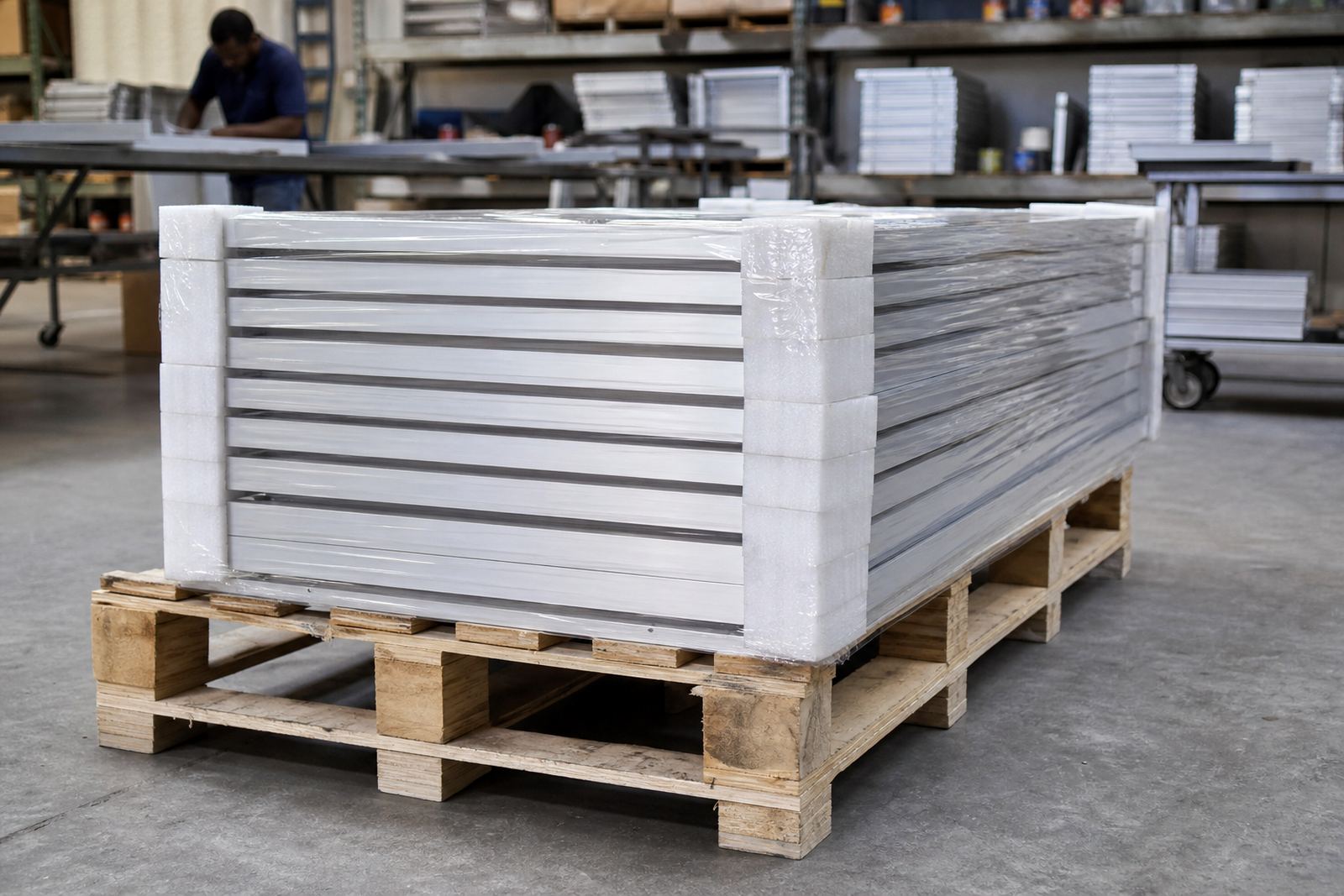
Use the guides here to decide between new stretching, restretching, cleaning or a larger bulk order. If you need help choosing, you can send your enquiry through the contact page and we will guide you based on your work and turnaround needs.