
Why spare screens matter when orders come back fast
Most garment printers in South Africa know the feeling: a customer phones back after a week and wants another 200 tees for a sports day, school event, or staff issue. The artwork is already approved, the inks are ready, but the screen is not where it should be. Maybe it has been washed out, the mesh is tired, or the frame has been sitting in a corner after the last run.
That is where spare screens earn their keep. A spare screen is not dead stock. It is time saved. It lets your team move straight into printing while the original screen is cleaned, checked or repaired. In a busy shop, that can be the difference between finishing before knock-off and pushing work into the next morning.
For printers handling repeat work across Cape Town, Johannesburg, Pretoria or Gqeberha, spares also help when the same design comes back with a small change. You may only need one colour adjusted or one artwork panel re-registered. If the base screen is already ready, the job can move quicker and with less stress.
What a good spare screen setup should look like
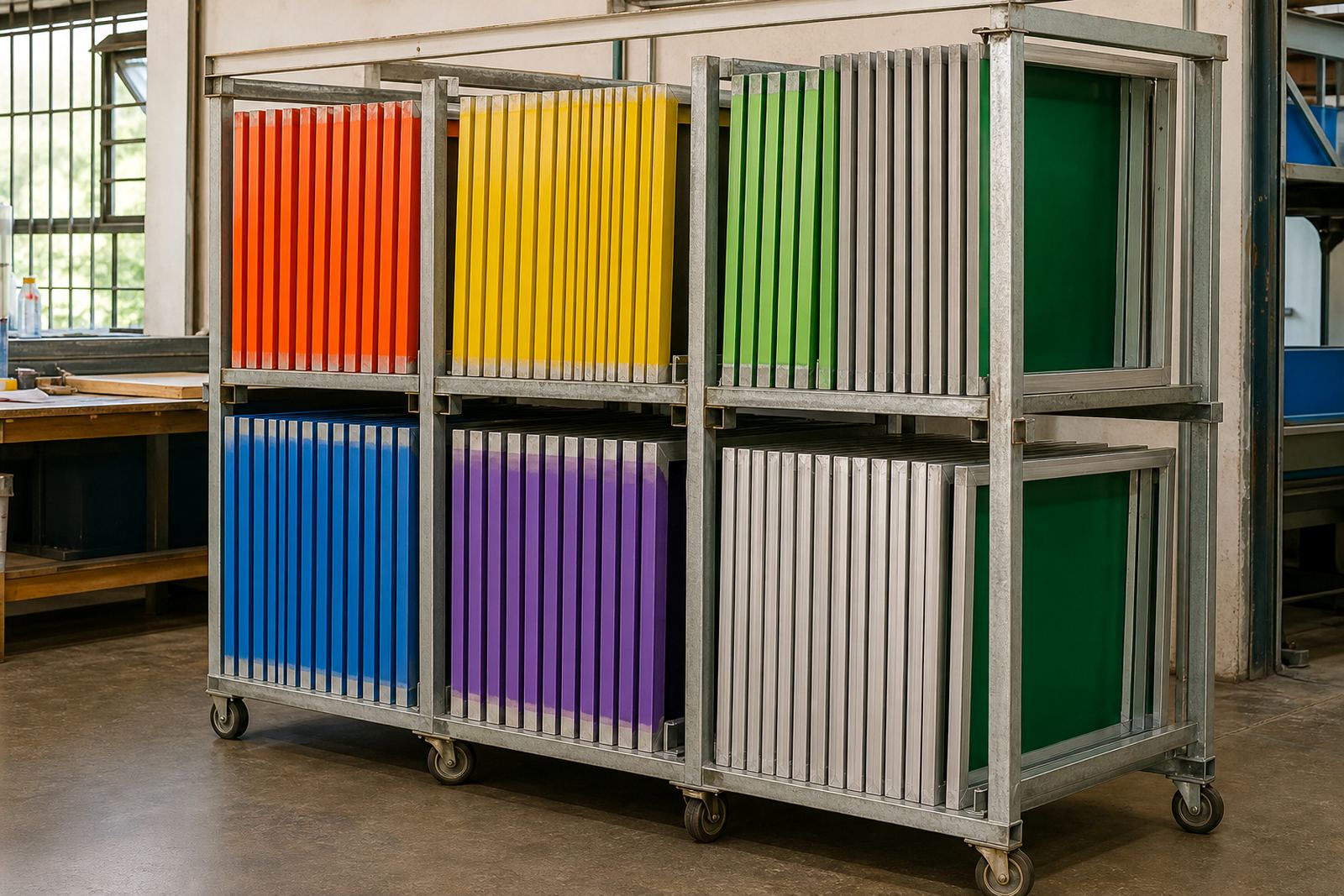
A spare screen setup does not need to be complicated, but it must be organised. If you are running several jobs a week, keep a small number of screens in the sizes you use most often. That usually means the common garment print sizes, plus a few custom frames if you do a lot of oversize prints or special placements.
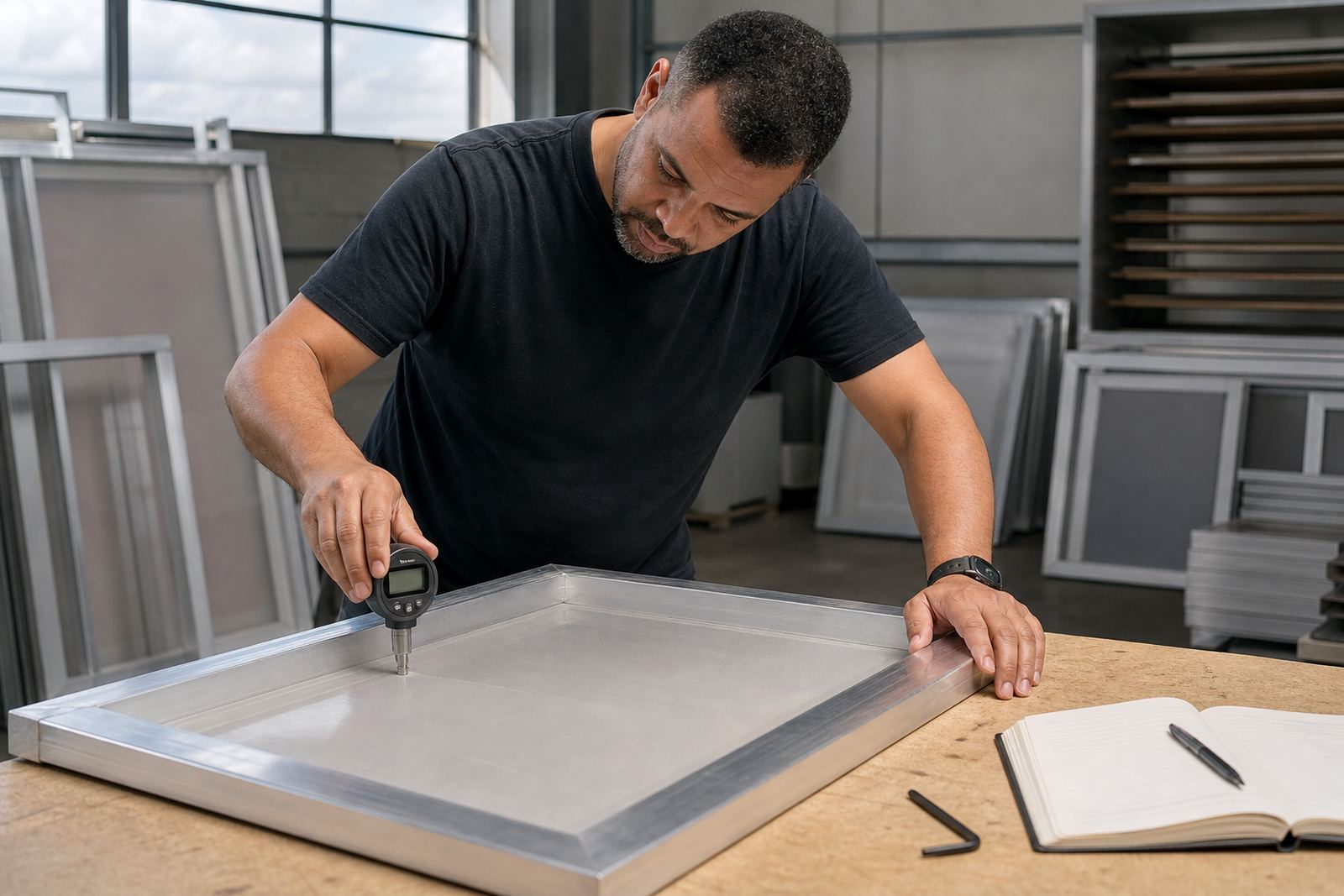
The key is consistency. Screens should be clearly labelled, stored flat or upright in a way that protects the mesh, and checked regularly for damage. A frame that looks fine from a distance may still have a loose corner, a glue failure, or a mesh surface that has dropped tension after storage. Those issues only show up when the squeegee hits the screen and the print starts to blur.
- Keep one spare for your busiest repeat designs.
- Hold extra screens for your most common mesh counts and artwork sizes.
- Label each screen with job name, mesh type, and last use date.
- Store screens away from dust, moisture and heavy stacking pressure.
If your workshop is in a coastal area like Cape Town, humidity can affect stored screens. In inland areas, dust and heat are often the bigger concern. Either way, a spare screen should be ready to use, not just sitting there looking available.
How spares reduce pressure on your workshop team
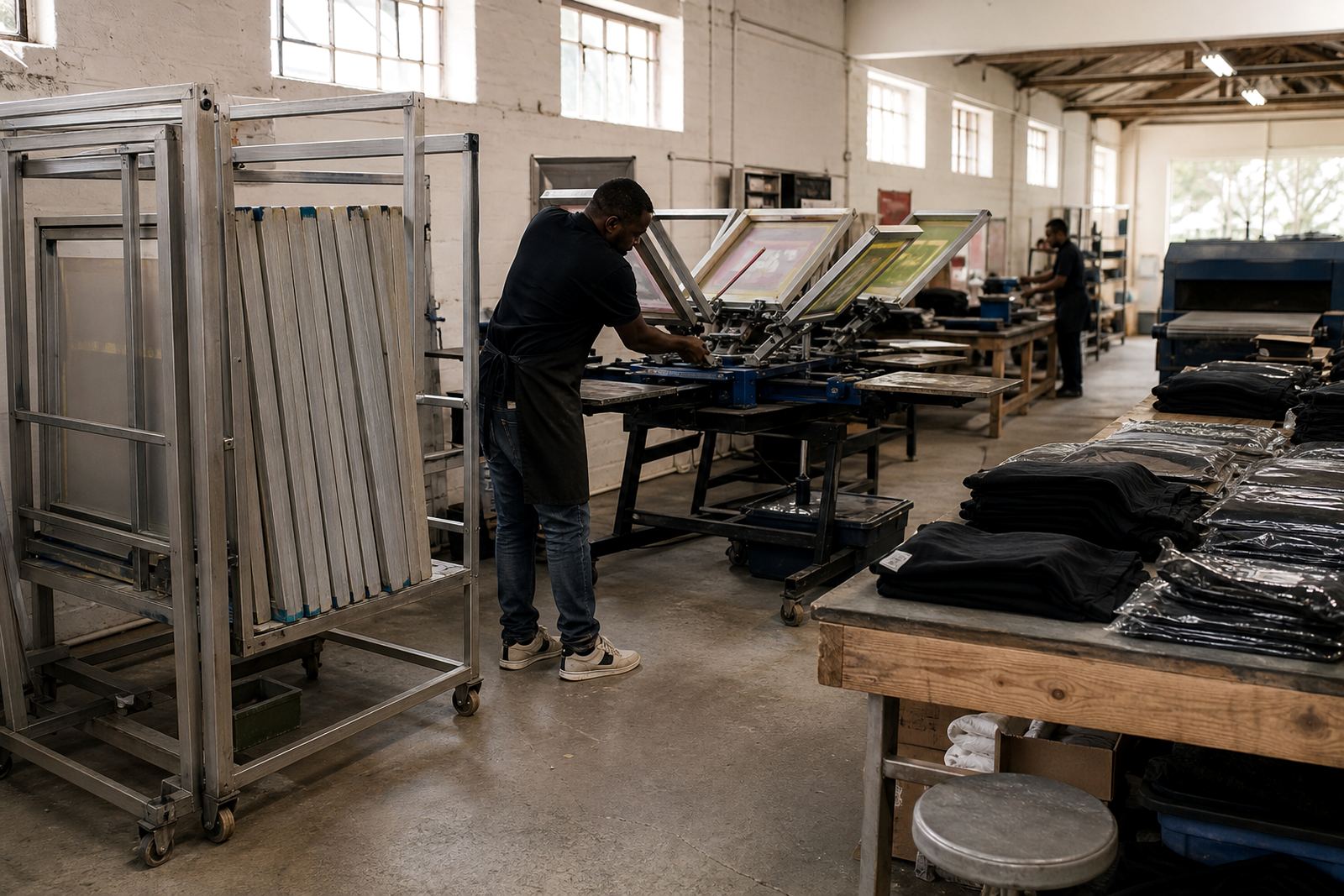
A strong spare screen system helps the whole production line run better. The stretching specialist does not have to rush a recovery job while a print order waits. The production manager can plan the day with more confidence. The sales team can give more realistic lead times when a repeat customer asks for urgent work.
It also helps with load-shedding planning. When power cuts interrupt prep or curing, every minute matters. If a screen is already stretched and inspected, the team can use the available powered window for printing instead of wasting it on last minute screen work. That matters in smaller workshops where one interruption can push the whole shift out.
For the workshop supervisor, spare screens mean less panic around damaged mesh, blocked artwork, and quick restretch requests. For the logistics side, it can mean one less urgent run across town because the replacement screen is already on hand. In other words, fewer delays and less chasing around, which is always a help when you are trying to keep clients happy.
A local example from Maitland to Bellville
Take a simple job in the Cape Town area. A school sports team orders 150 shirts for Friday, and the artwork uses a two-colour logo. The first print run goes well, then the client phones back on Wednesday night and wants another 80 shirts for late sign-ups. If the screens were cleaned and filed away without a backup plan, your workshop may need to reclaim them, check the mesh, and reset the job from scratch.
But if you keep a spare set for that repeat design, the second run can start almost immediately. The screen is already stretched, the frame is inspected, and the team can focus on the print itself. That is especially useful for printers serving Bellville collections and Paarl supply routes, where timing has to match transport and customer pickup windows.
We see the same pattern with businesses in Johannesburg and Durban. A corporate re-order, a club event, or a rush of seasonal work can appear with little warning. Having spare screens ready takes pressure off the order and helps prevent the old story of “the job is ready except for the screen”.
Signs your screen room needs more spare capacity
Some workshops try to run with only the minimum number of screens, then end up paying for it in delays. If the same screen is being stripped and reused every week, or if your team keeps waiting for one frame to come free, you likely need a few more spares in the system.
Watch for these signs:
- Repeat orders are slowing down because screens are always in use.
- Artwork approval is ready, but mesh preparation is behind.
- Old screens are being reused even when tension is no longer ideal.
- Urgent jobs are forcing the team to work late more often.
- Screen faults are only found when the print run has already started.
If these sound familiar, it may be time to review how many screens you keep in rotation and which ones should be restretched or replaced. A better spare stock keeps production steadier and helps avoid rushed decisions under pressure.
How ScreenFrame supports faster repeat work
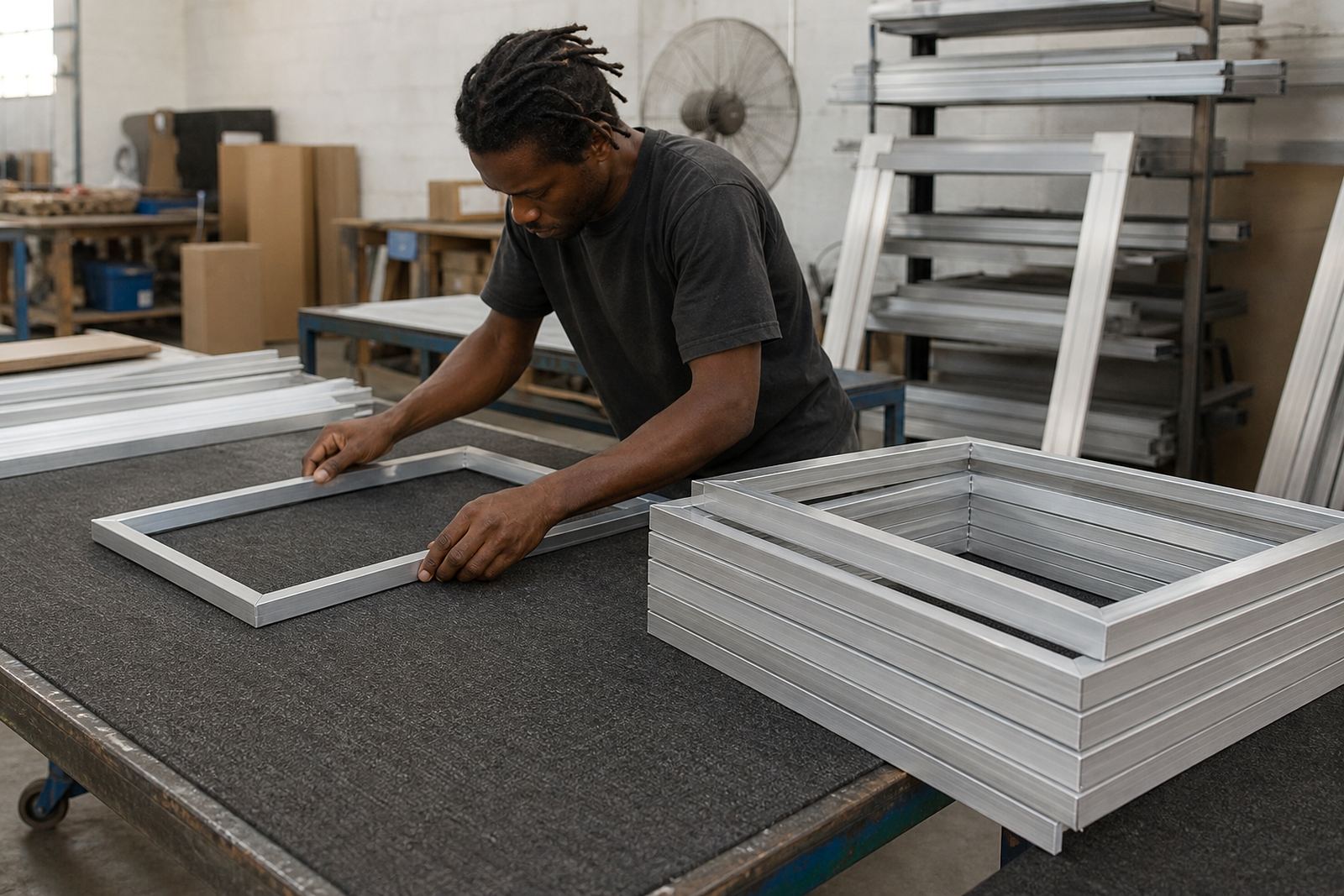
At ScreenFrame in Maitland, Cape Town, we help garment printers keep their screen rooms moving with new screen stretching, restretching of existing frames, mesh removal, adhesive application, tension checks, frame inspections and custom size stretching. We also assist with bulk screen orders, urgent turnarounds, pickup and return, and practical screen care advice for shops that need dependable turnaround times.
That matters for printers handling regular repeat orders across South Africa. A clean, well stretched spare screen is easier to slot into production when a job comes back unexpectedly. It also reduces the chance of avoidable problems such as weak tension, glue failure or poor registration. In a busy shop, those small issues can cost a day.
Our team, led by Mandla Petersen with Ayesha Daniels, Sibusiso Mthembu, Bianca Jacobs, Ruan van Wyk and Lindokuhle Dlamini, works with printers who need practical support and not sales talk. If you want fewer last minute scrambles and a better screen buffer for repeat jobs, keeping spares in good condition is a smart place to start.
Clients reach us through the enquiry form on our contact page, and we help with collections, deliveries and supply routes where needed. The main point is simple: the more prepared your screen room is, the faster your workshop can respond when the next urgent order lands.