
Start With A Proper Frame, Not A Cheap Shortcut
The frame is the part most hobby printers get wrong first. A straight, well made aluminium frame gives you better contact with the screen, less flex during printing and fewer issues when you pull a squeegee across the mesh. If the frame twists or dents easily, the screen will not sit properly and your print quality drops fast.
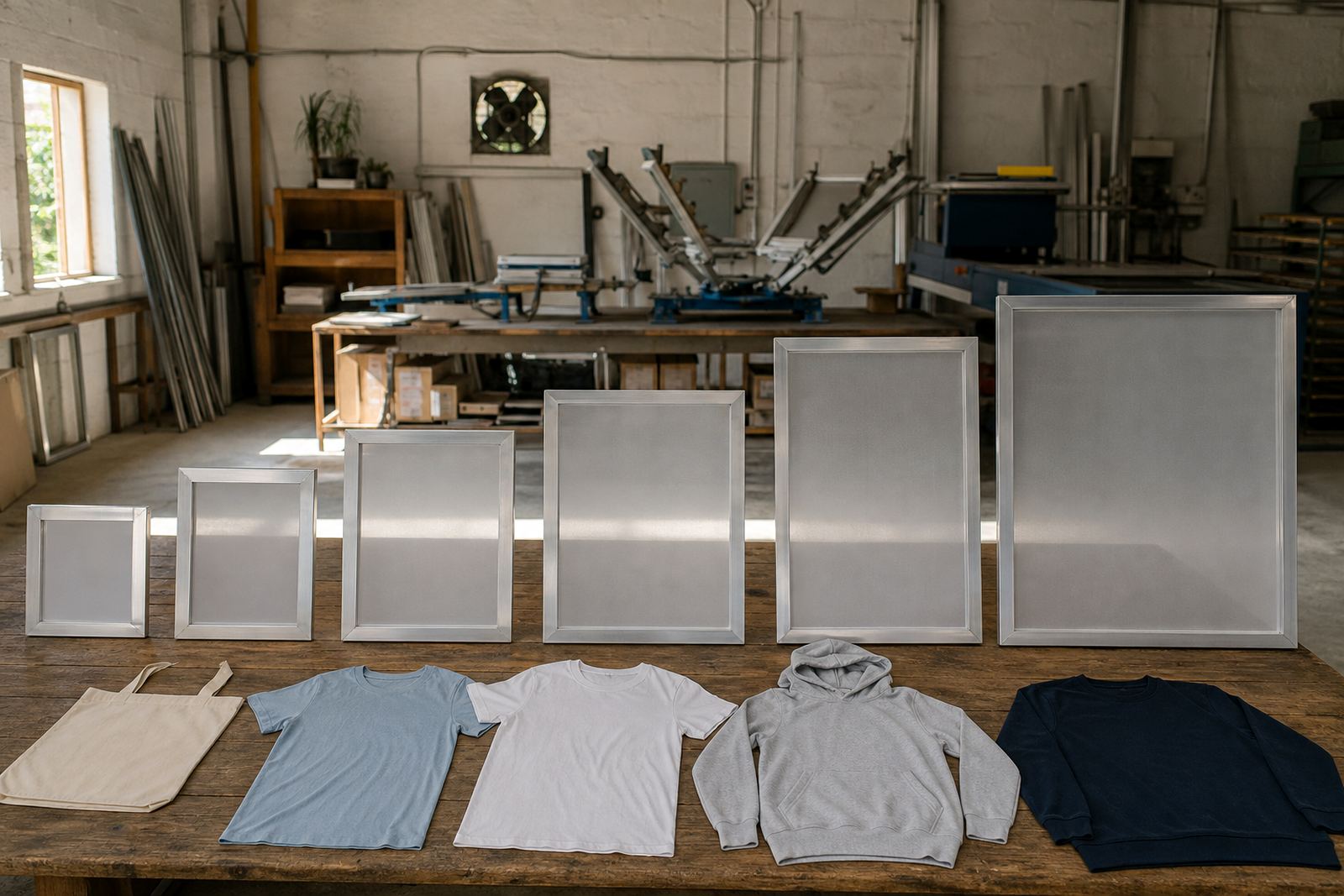
For small home runs, choose a frame size that suits the garments you actually print. A lot of hobbyists only need one or two useful sizes, not a full rack of every size available. Think about the biggest design you plan to print, then make sure the frame gives you enough open area around it for clean registration and comfortable handling.
- Buy one solid all purpose frame first
- Choose aluminium for better handling and longer use
- Match the frame size to your most common shirt prints
- Check that corners are square and joints are neat
Mesh Choice Depends On The Artwork You Print
Mesh count matters more than many beginners expect. Fine detail, halftones and smaller text need a tighter mesh, while heavier ink deposits and bold artwork usually print better on a more open mesh. Hobby printers often buy one mesh and try to use it for everything, which usually means they spend more time fixing problems than printing.
A sensible home setup starts with one general purpose mesh for simple garment work and a second option if you plan to print finer artwork. That gives you flexibility without tying up too much cash. In Cape Town humidity or in coastal areas like Gqeberha, stored screens can also shift slightly over time if they are not handled well, so proper tension and storage matter just as much as the mesh choice itself.
If you are unsure, base the decision on the artwork you already have, not the artwork you hope to print one day.
Buy The Tools That Help You Print Neatly
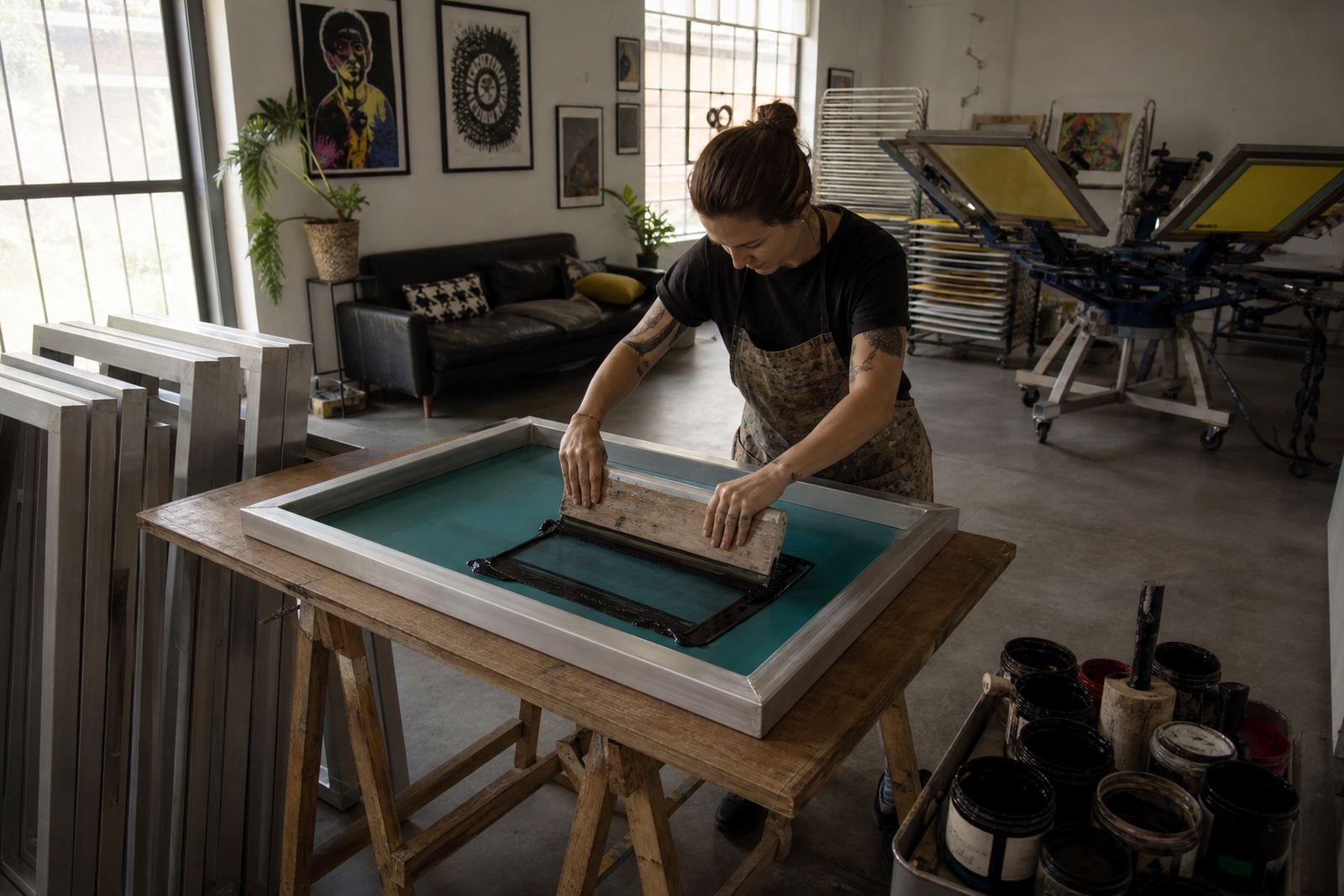
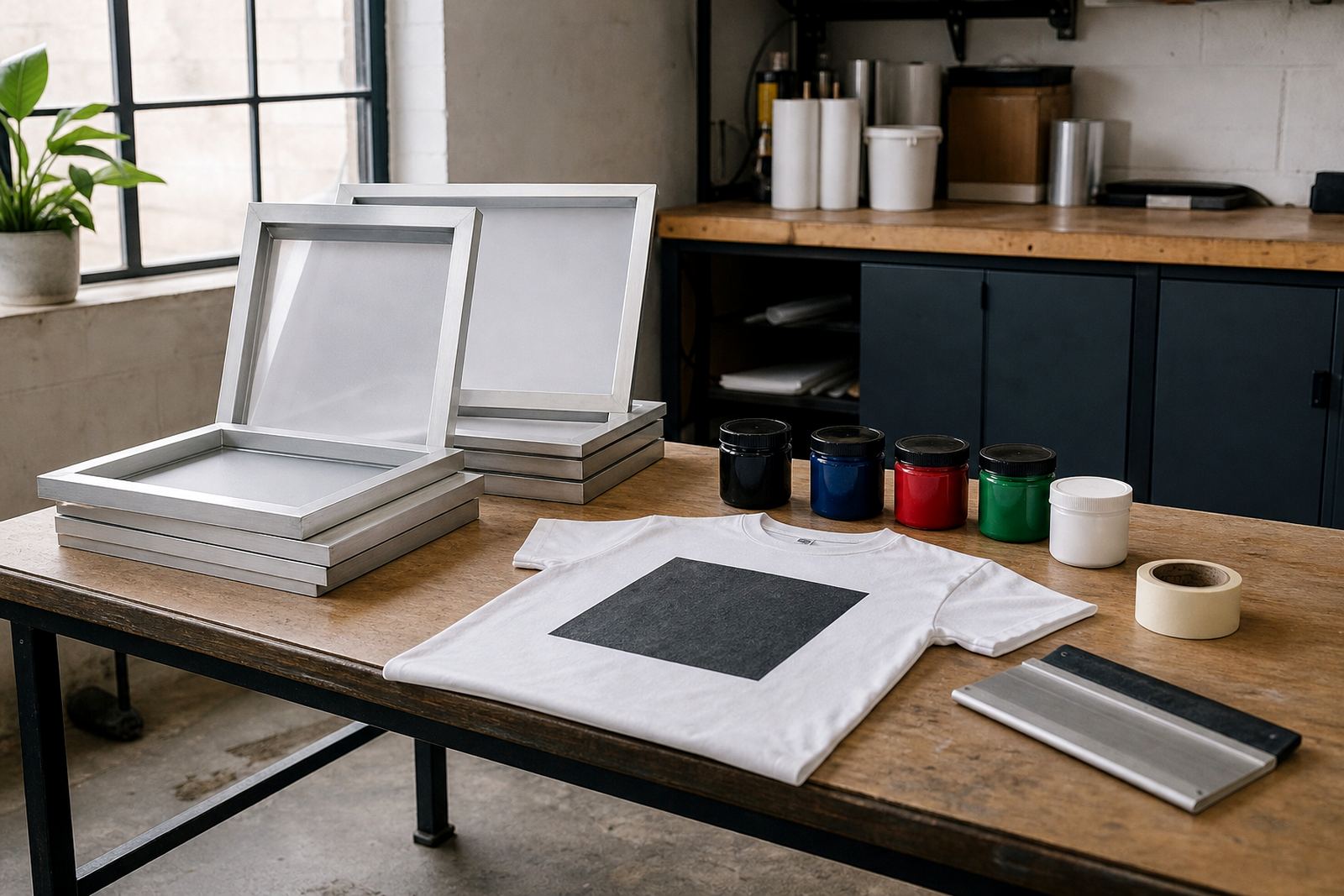
Hobby printers do not need a workshop full of extras, but a few basic tools make a big difference. A good squeegee, masking tape, screen cleaner, and a simple way to check registration will save time and reduce waste. If you are printing in a garage or spare room, keep the setup clean and organised so dust does not stick to the mesh or wet ink.
It is also worth buying proper drying space. Even if you are air drying garments at home, you need a place where prints will not touch each other while they cure. In winter, or during load-shedding, drying times can change quite a bit, so plan for that instead of rushing shirts off the line too soon.
- One good squeegee suited to your frame size
- Masking tape for sealing edges and blocking light
- Screen cleaner for fast turnaround between jobs
- Drying space that keeps printed garments flat and separate
Do Not Overspend On Gear You Will Barely Use
It is easy to get tempted by equipment that sounds impressive but does not suit hobby use. If you print a few shirts for family, friends or a side hustle, a large multi station setup may be more trouble than it is worth. The same goes for buying too many frames before you know your real workflow.
A better approach is to start with the essentials, then add only when you feel the limit. If your work starts to move beyond casual printing, you can build from there. That way, your money goes into items that improve actual output instead of sitting unused in the corner.
A good rule is simple: if a piece of equipment will only be used once a month, delay the purchase. Spend first on the items that affect every print.
Restretching Can Beat Replacing Every Frame
For hobby printers, one of the smartest ways to save money is to keep the frame and replace the screen when needed. If the aluminium frame is still straight and clean, a restretch can give it a new life at a lower cost than buying new every time. This is useful when you already have a few frames and want to get more value from them.
It also helps if you are learning. When you are still testing mesh counts, artwork styles and ink types, you will probably change your screens more often than a professional shop would. Keeping the frame and updating the mesh is usually the practical move.
- Keep frames that are straight and undamaged
- Replace worn mesh before it starts affecting print quality
- Check tension before every serious print run
- Clean frames properly so old adhesive does not cause trouble
Pick Gear That Fits South African Conditions
South African hobby printers need to think about more than just the print itself. Coastal humidity, dusty storage rooms and load-shedding all affect how screens behave and how long they last. A screen stored in a damp room in Durban may not stay in the same condition as one kept in a dry, shaded space in Pretoria.
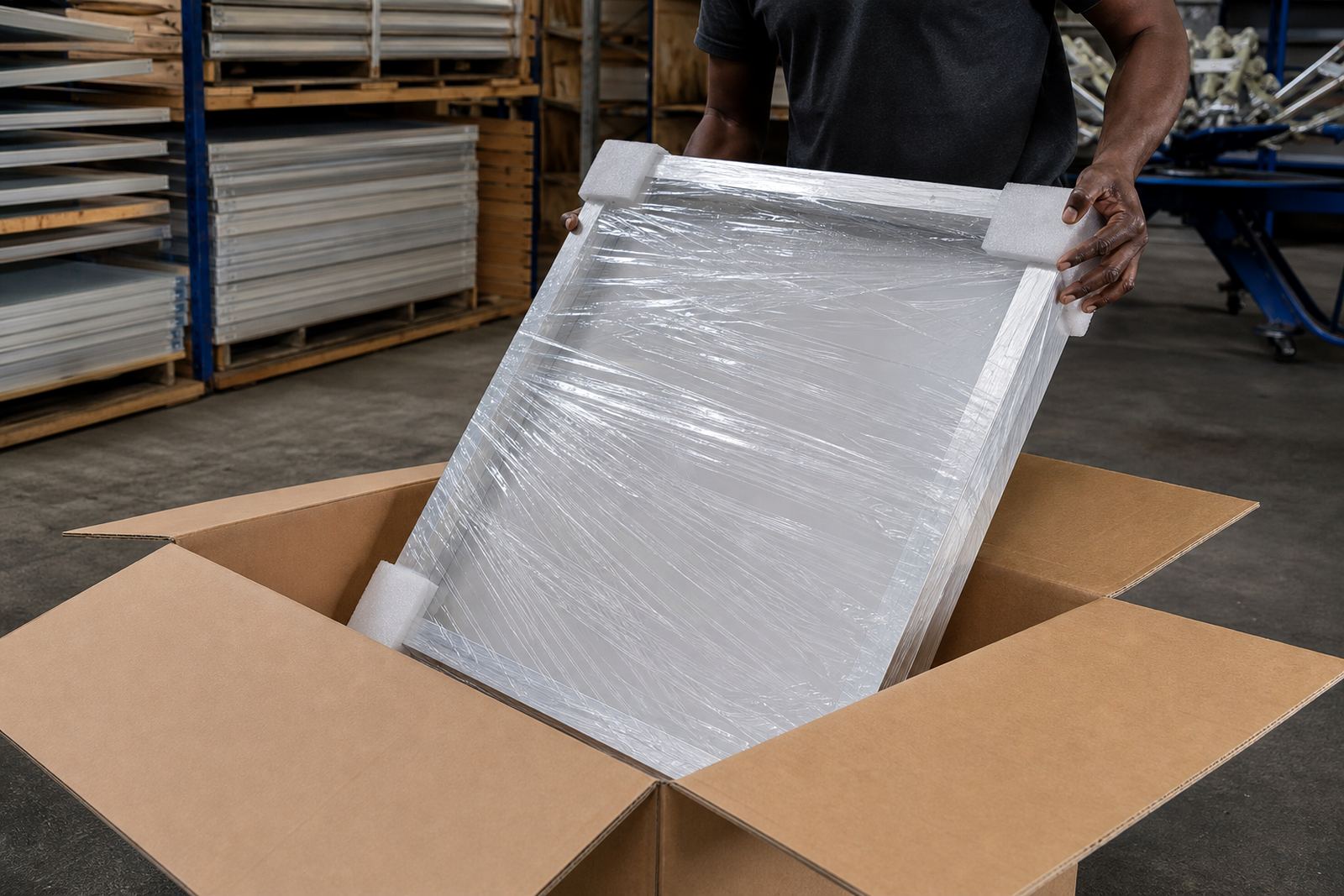
That is why practical buying matters. Look for frames and screens that are easy to clean, easy to handle and simple to store. If you often print in a small space, choose sizes that can be moved safely and kept flat. If you work from a home garage in Maitland or a small setup in Bellville, you also need gear that is not awkward to lift or prone to damage when space is tight.
Good hobby gear is not about looking impressive. It is about still working properly after a few months of real use.
A Simple Buying Plan For A First Home Setup
If you are starting from scratch, keep the list short. One good frame, one suitable mesh, a solid squeegee and the basic cleaning and masking items will take you a long way. Add a second frame only when you know you need it, and add more sizes after you have printed enough to understand your own pattern of orders.
For many hobbyists, the smartest spend is on screens that are ready to use and easy to maintain. That keeps the learning curve manageable and reduces waste, which matters when you are printing for fun or turning the work into a side income. It also makes pickup and return planning easier if you are collecting or sending items from areas like Cape Town, Johannesburg, Durban, Pretoria or Gqeberha.
Buy slowly, print often and let the work tell you what comes next. That is usually the cleanest way to build a home setup that actually earns its place.