
Why profile thickness changes how a frame behaves
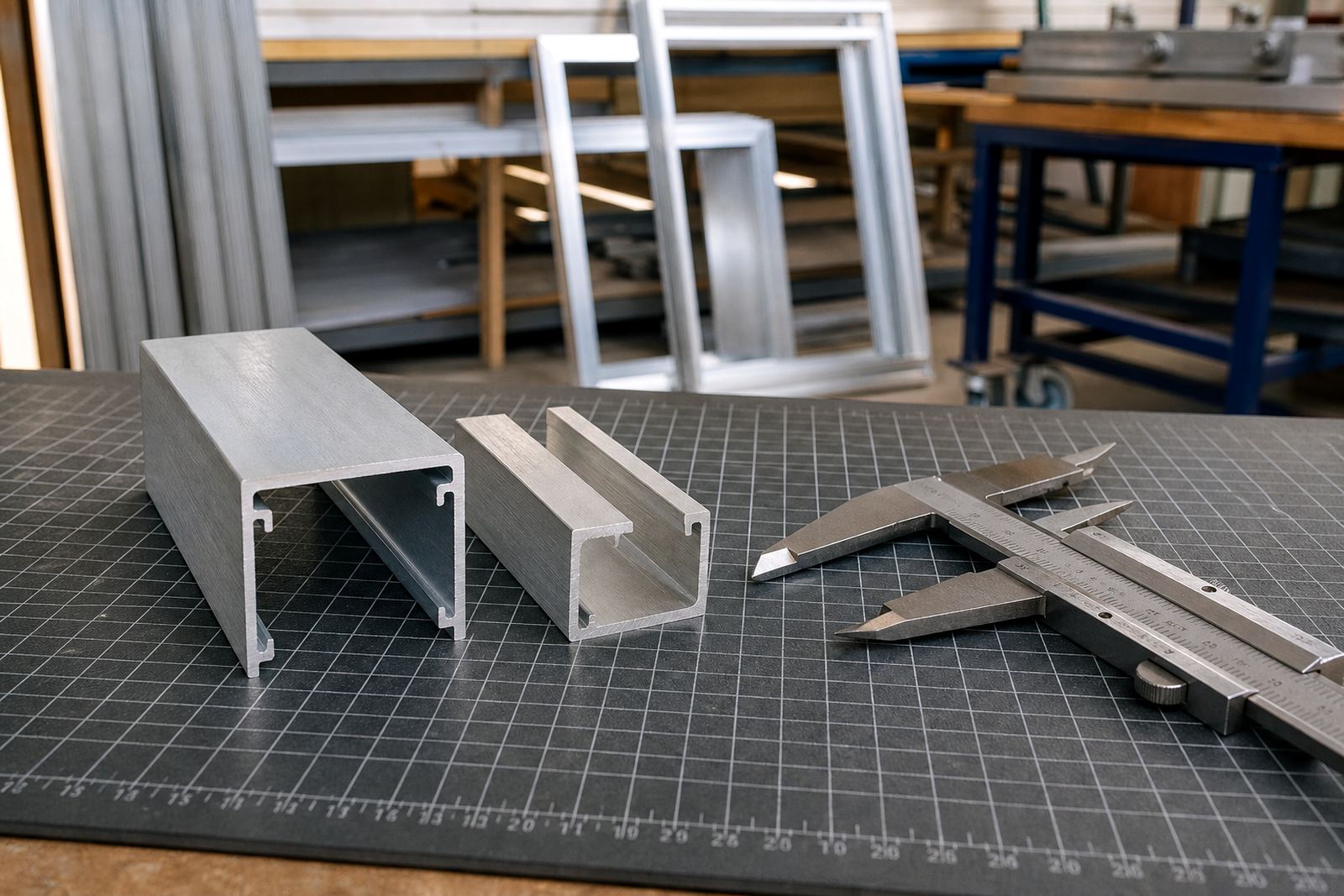
Profile thickness is not just a number on paper. It affects how much a frame can resist twisting, how well it holds tension and how it copes when a screen is handled, cleaned and stored day after day. On smaller garment screens, a lighter profile can be fine. Once you move into larger print areas, longer runs or repeat stretching, the profile starts doing more than just holding mesh in place.
A thicker aluminium profile gives the frame more body. That extra material helps keep the sides straighter under load, which is useful when a screen is stretched tight or moved between the workshop and the press area. In a Cape Town workshop with sea air and shifting temperatures, or in Johannesburg where the air is drier but the workload is heavier, that added stiffness can make the screen feel more predictable.
When a thicker frame is worth choosing
Not every job needs a heavy profile, but larger screens usually benefit from it. If you are printing bigger artwork, working with broad garment placements or handling high volumes, the frame must resist flex. A frame that flexes too much can create small changes in mesh tension, and those changes can show up in print quality.
- Larger print areas that need even tension across the full mesh surface
- Frequent stretching and re-stretching for repeated production use
- Screens that are handled often during transport or storage
- Jobs where cleaner edge control and better registration matter
For printers in Durban, where humidity can affect storage conditions, a thicker profile can also help the frame stay stable while the mesh is under load. That does not remove the need for proper care, but it gives the screen a better starting point.
The link between thickness and tension retention
Good screen printing depends on tension that stays where it should. If the frame profile is too light for the size of the screen, the sides can move slightly over time. Even small movement can reduce mesh stability and make the screen less reliable for fine detail or repeated use.
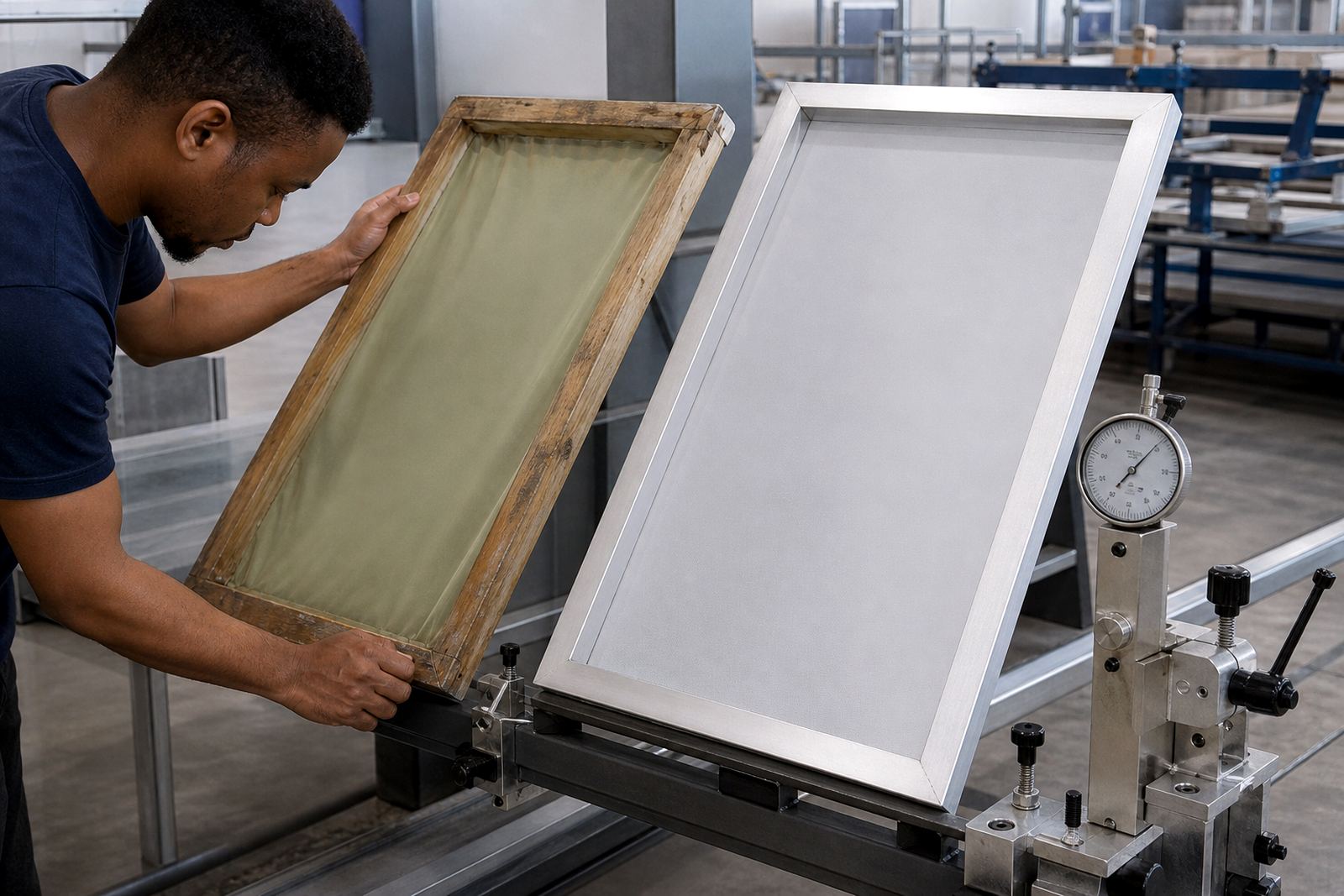
Thicker profiles help retain tension because the frame has more structural strength. That matters when adhesive is applied, the mesh is pulled tight and the screen is left to settle before use. It also matters after cleaning. A frame that holds its shape better is less likely to shift during wash-downs or during the rougher handling that often happens in a busy print shop. If a screen is being used for garment decoration every week, those small gains add up.
What to check before you order or restretch
Before choosing a frame, look at the whole job, not only the size. The mesh count, the type of garment inks used, the press setup and how often the screen will be reused all matter. A thick profile is useful, but only if it suits the rest of the setup. Too much frame for a small job can make handling harder than it needs to be.
- Measure the print area and allow enough room for clamps and handling
- Check whether the screen will be used once or kept for repeat runs
- Think about transport between workshop, client and storage areas
- Match the frame size to the press and the operator’s workflow
If you are restretching existing frames, inspect the corners and rails first. A strong profile cannot fix a frame that has already warped or been damaged by repeated use. In some cases it is better to replace the frame rather than keep stretching onto a weak base.
Local example: bigger garment runs in Maitland and beyond
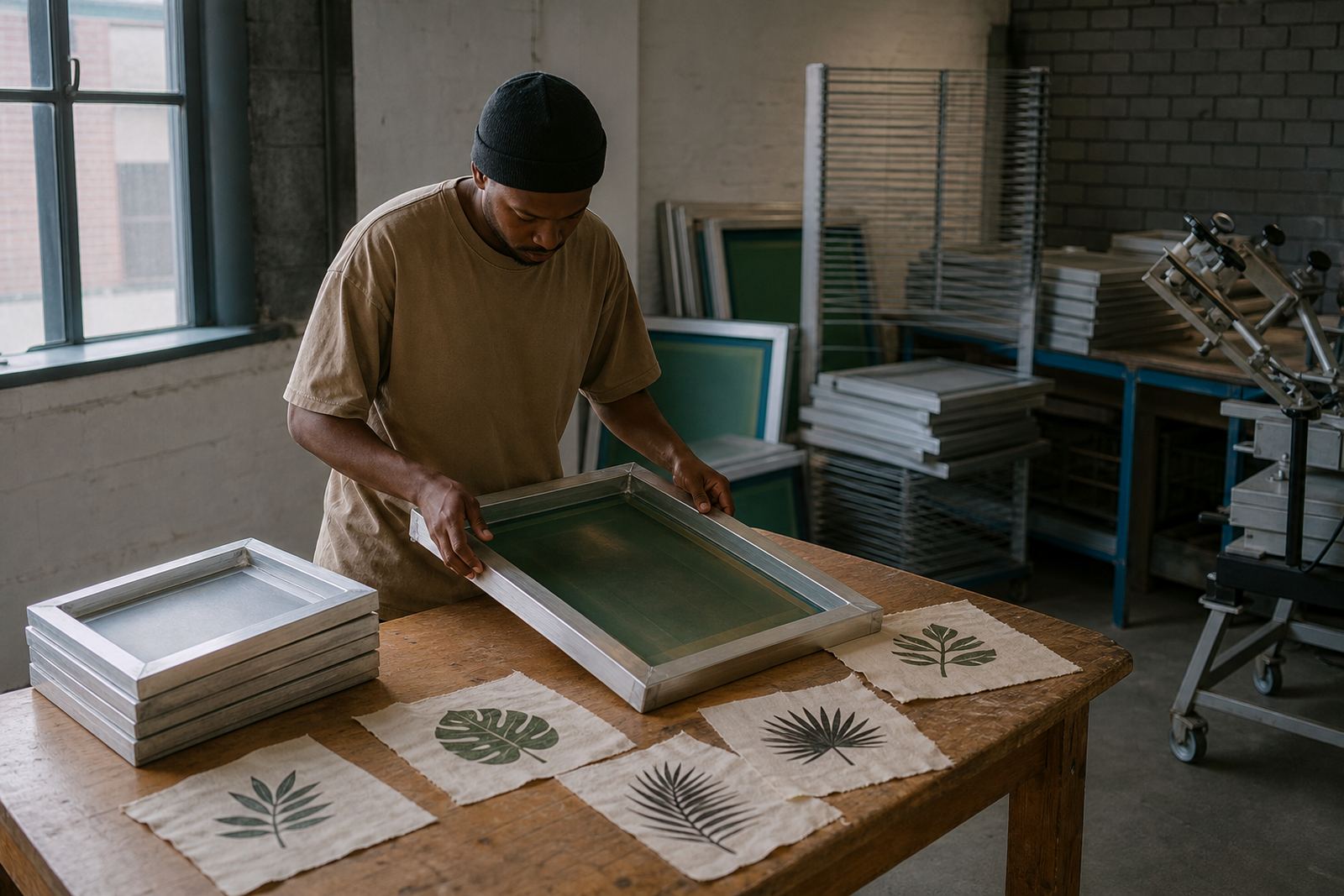
A clothing printer in Maitland doing repeat orders for schoolwear and promotional T shirts may start with smaller screens for simple logos, then move to larger screens for back prints and wider artwork. On those larger builds, thicker aluminium profiles can help keep the mesh stable through the full run, especially when the screens are picked up from the workshop and sent out on delivery routes to Johannesburg, Pretoria or Gqeberha.
That matters in practice. If a screen is stretched on a lighter frame and then loaded into production, the printer may see more movement at the edges, more touch-ups and more time spent checking tension. A thicker frame gives the workshop more confidence when preparing bulk screen orders or urgent turnarounds. It also helps when the job must travel, because the frame is better able to take handling without losing its shape.
Care and storage still matter, even with thicker profiles
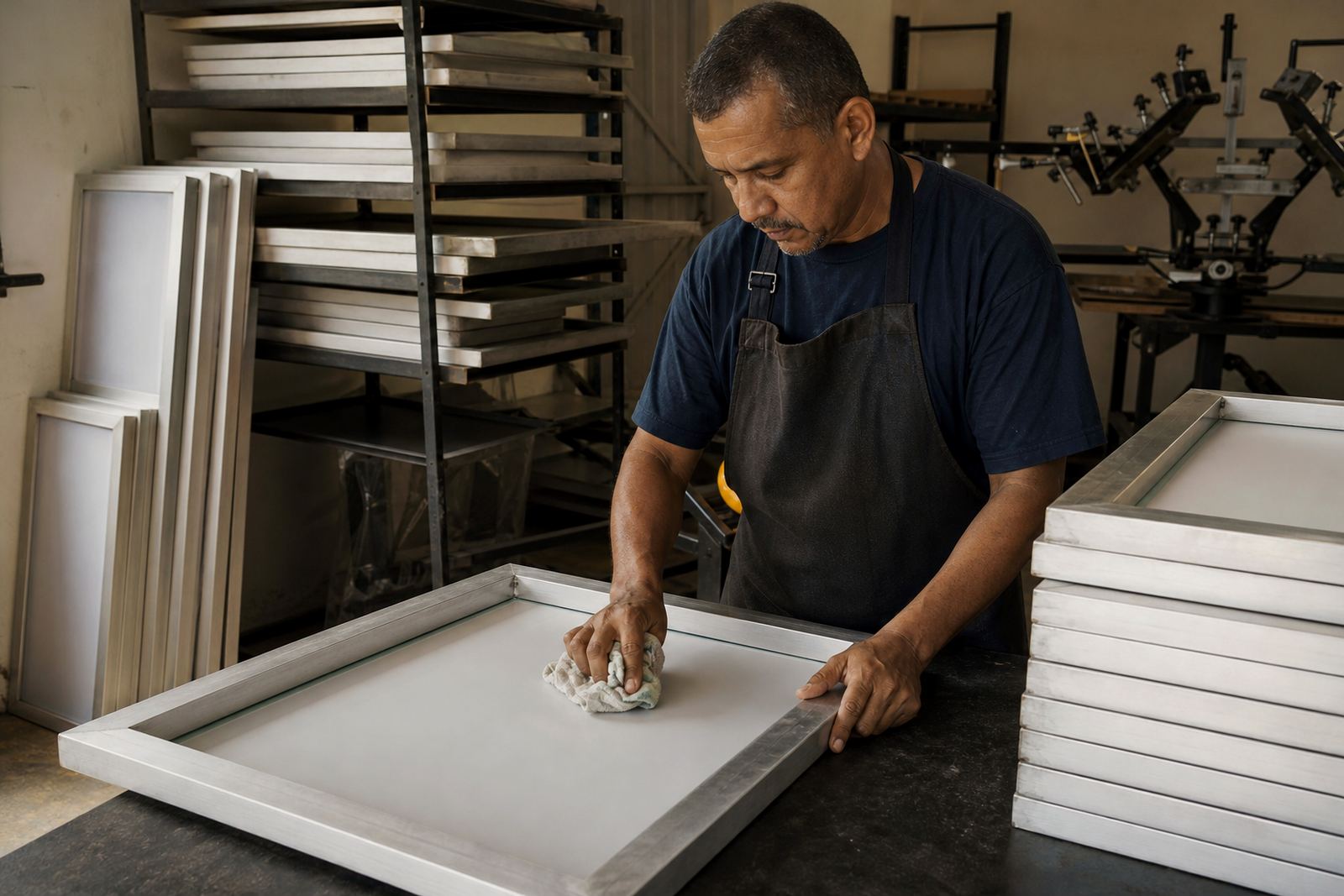
A stronger frame still needs proper care. Aluminium resists rust, which helps in coastal areas, but screens can still pick up adhesive build-up, ink residue and grime. If those are left on the frame, they can affect handling and inspection. Clean frames also make it easier to spot damage before the next stretch or print run.
Good workshop habits are simple and worth keeping. Store screens flat or in proper racks, avoid hard knocks on the corners and keep an eye on tension when a frame comes back for reuse. Even a thick profile can be damaged by poor handling, so the frame should be treated as part of the production process not just a carrier for mesh.
- Wipe down frames after use and remove adhesive residue promptly
- Check corners for movement after heavy jobs or transport
- Keep screens out of standing water and off damp floors
- Mark frames that are set aside for repeated production runs
Choosing the right balance for your print room
The best profile thickness is the one that matches the job, the screen size and the way your team works. Thicker frames are not a cure-all, but on larger and more demanding screen builds they can improve stability, support better tension and reduce the strain that comes with repeated use. That is why many garment printers choose thicker profiles for bigger screens while keeping lighter options for smaller, quicker jobs.
If you are planning new screens or thinking about restretching existing frames, it is worth looking at the full setup before you commit. The right frame thickness can save time in the workshop, support cleaner printing and give you a screen that lasts longer under local conditions. For printers working across Cape Town, Johannesburg, Durban, Pretoria and Gqeberha, that kind of consistency is worth the extra attention.