
Why frame choice matters when your edition is small
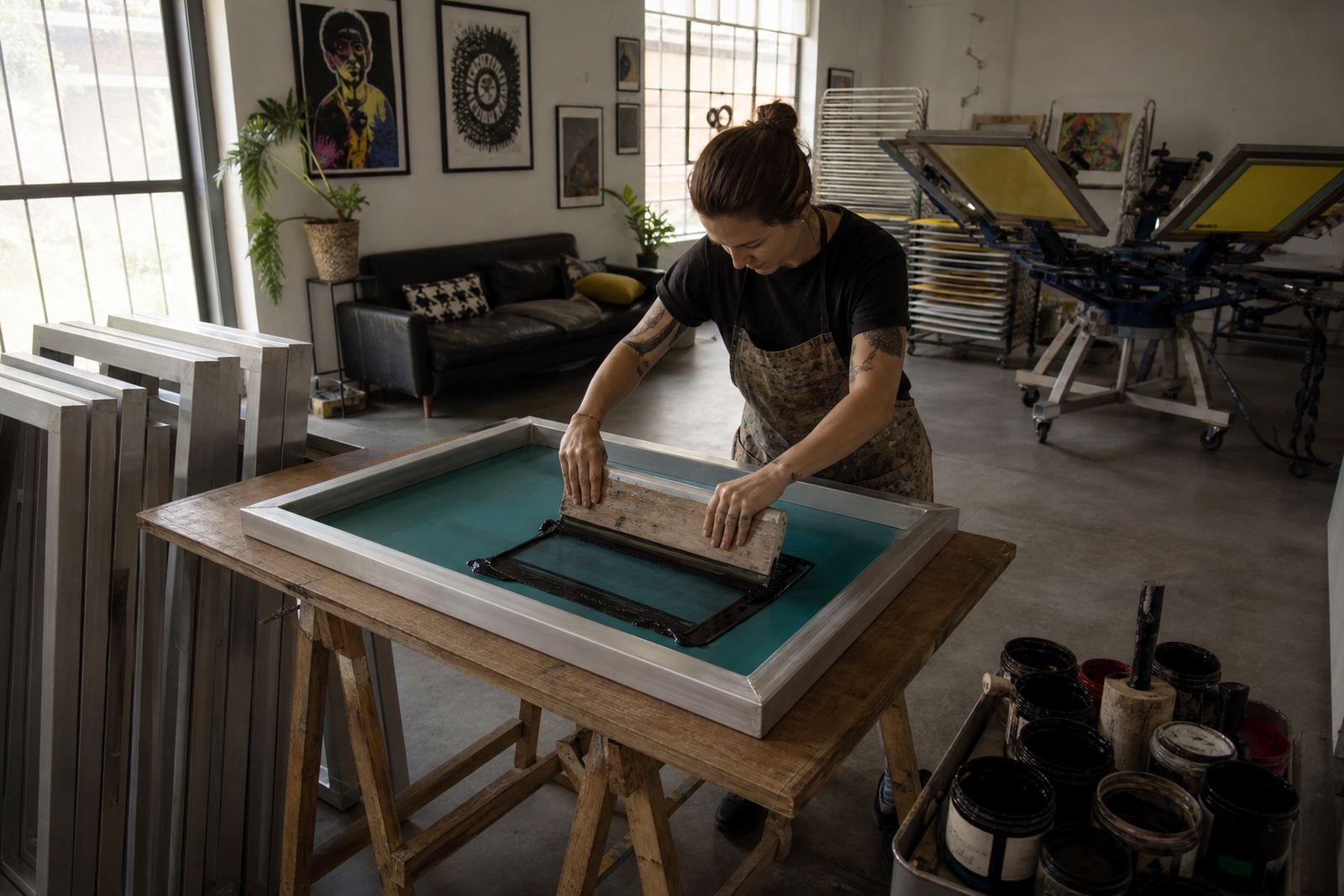
When you are printing posters, textile samples, zines or one-off garment runs, the frame is doing more work than many people think. A frame that twists, sags or feels awkward to handle can turn a neat idea into uneven edges, blotchy fills and a lot of rework. For artists, that matters because small editions leave little room for waste.
Aluminium frames are popular for a reason. They stay lighter than many timber options, they handle repeated wash-downs better, and they do not react as quickly to damp workshop conditions. In Cape Town, especially near the coast, humidity can change how a screen behaves from morning to afternoon. A good frame helps keep tension more consistent, which is important when you are working with halftones, linework or layered colour blocks.
- Better tension support for fine detail
- Cleaner registration on repeat prints
- Less movement during long print sessions
- More reliable results in humid or warm conditions
Choosing frame size for artwork, garments and limited runs
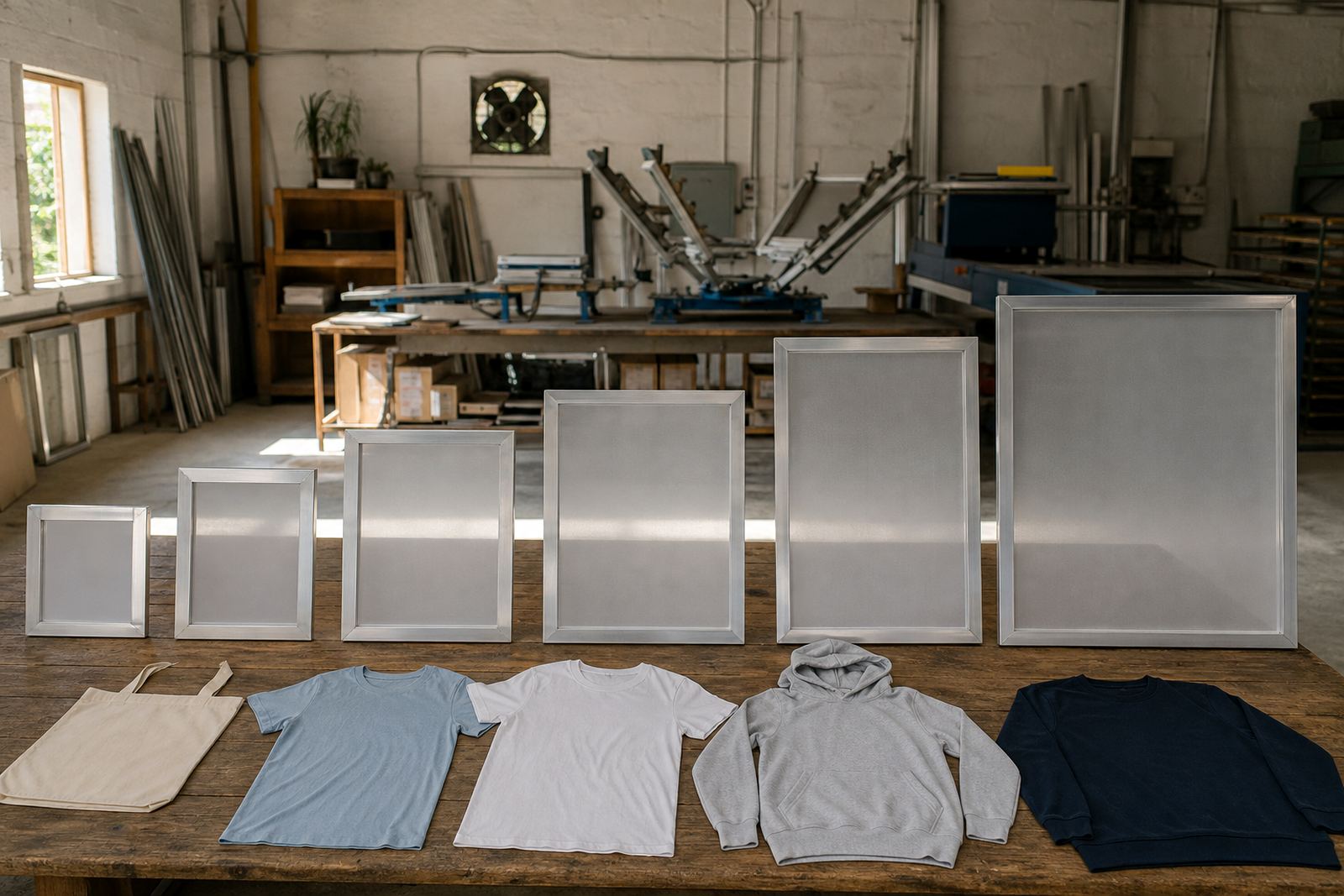
Artists often need one screen to do a lot of jobs. A frame that is too small can crowd the image area, while one that is too large can be awkward to flood and pull by hand. The best choice depends on the artwork size, the substrate and how many copies you plan to print. For garment decoration, you also need enough space for easy placement on tees, tote bags or hoodies.
As a rule, allow enough room around the image for clean clamp placement and for a comfortable margin between the artwork and the frame edge. If you print smaller edition runs, a well sized frame makes set-up faster and keeps each pull more consistent. That matters when you are printing 20 shirts for a market order or 40 art prints for a small exhibition.
- Small artwork: use a compact frame for easier handling
- Medium garment prints: choose a size that gives room for registration marks
- Oversized designs: allow extra margin for flood and pull pressure
- Mixed media work: keep one or two standard sizes for flexibility
Mesh tension, detail and the kind of mark you want
Frame selection is only part of the job. The way the mesh is stretched affects how much detail you can hold and how the ink passes through. Tight, even tension helps with sharp edges and smoother halftones. If the mesh is uneven or slack, you may see smudging, heavy ink deposit or subtle shifts in the image after a few prints.
For artists working in fine line illustration or layered colour, consistent tension is worth more than trying to force one tired screen to do everything. A screen that performs well for text and linework may behave differently on solid fills, so it helps to think about the print style before choosing the frame and mesh combination. If you switch between paper and garments, you may need different setups for each surface.
In practice, many artists keep a clear note of what each screen is used for. It saves time when you are revisiting a project weeks later and need the same results again.
Restretching existing frames can be a smart studio habit
Not every project needs a brand new frame. If the aluminium frame is still straight and the corners are sound, restretching can be the practical option, especially for artists who print in small batches. It is a good way to extend the life of a screen and reduce unnecessary spend when you are testing colourways or revisiting old artwork.
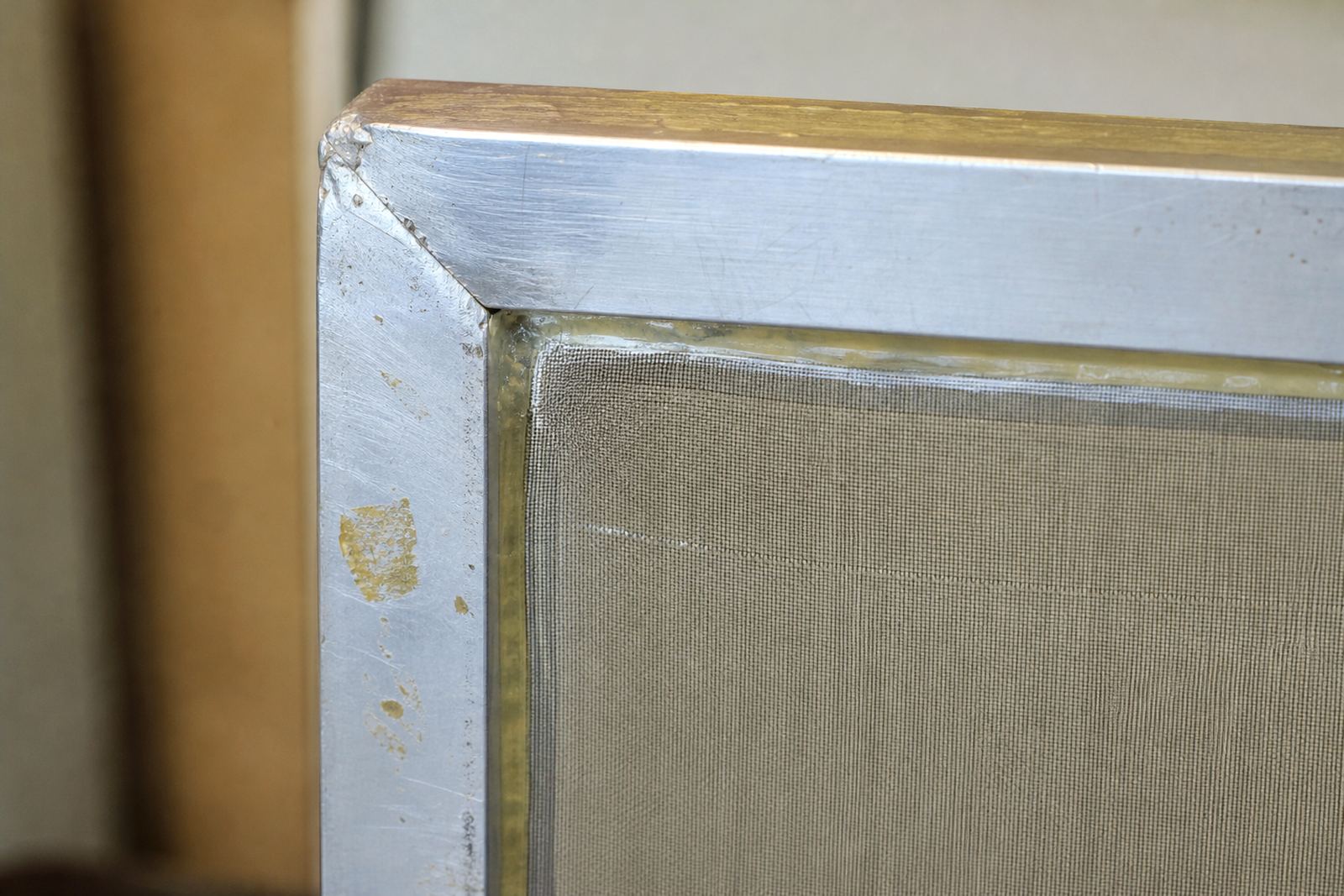
Before you decide, inspect the frame for dents, warping and old adhesive residue. If the surface is clean and the structure still feels solid, restretching can bring the screen back into use for a fresh edition. If the frame is damaged, it may be better to replace it rather than trying to save a screen that will only give you problems later.
- Check for straight edges and firm corners
- Remove old mesh and adhesive fully before restretching
- Use cleaning methods that suit aluminium surfaces
- Ask for tension checks before starting a new run
Printing in Cape Town means thinking about climate and handling
Local conditions matter. In Maitland and along the western side of Cape Town, workshops can swing between dry air and coastal damp, while inland routes to Johannesburg and Pretoria bring a different set of temperature changes in storage and transport. Screen frames need to cope with that movement without losing their shape. If a screen is going between workshop, pickup and delivery, it should still arrive ready for use.
Artists working from home or from a shared studio also need practical handling. A frame that is light enough to move easily but strong enough for repeated use makes life simpler when space is limited. If you are hanging screens up after washing, or stacking them between sessions, frame quality becomes a daily issue not just a technical one.
For small studios, basic care helps a lot. Keep screens dry after cleaning, avoid leaving them in direct sun for long periods, and store them flat or safely supported so they do not twist. That kind of routine can add months of useful life to a screen.
A local example from edition printing in Maitland
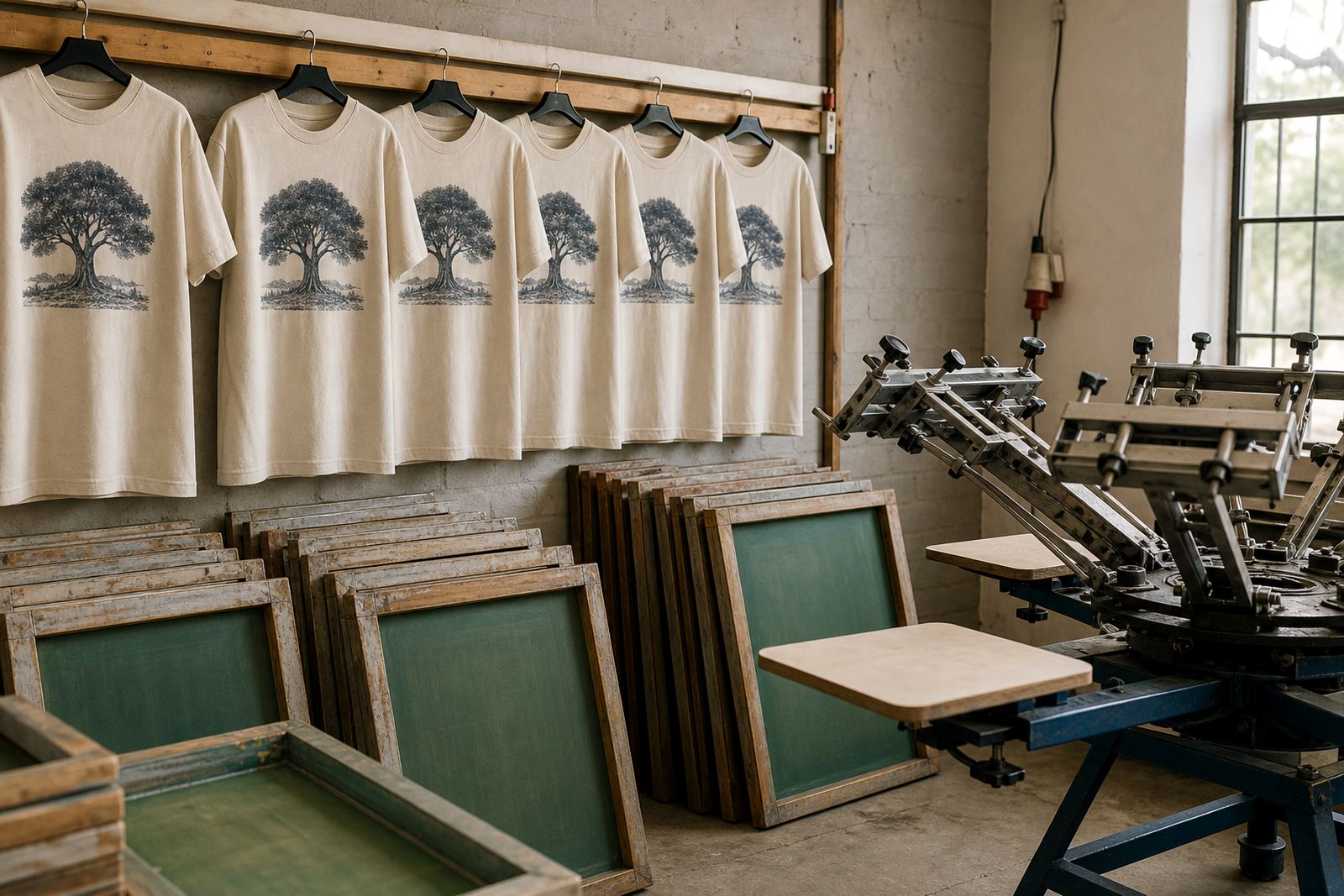
A printmaker in Bellville preparing a 30 piece garment run for a weekend market needed clean detail on a bold two colour artwork. The job had fine type, a few thin line elements and a solid block of ink on cotton tees. Rather than forcing one old screen to cover everything, the artist used a properly stretched frame for the fine detail layer and kept a second screen ready for the solid fill. The result was cleaner registration and less time spent correcting smears.
That kind of planning also helps with urgent turnaround work. When you know the edition is small but exact, the screen choice becomes part of the art process. The right frame can save a run that would otherwise need extra passes or reprints, and that matters when you are on a deadline for a gallery drop or customer order.
For artists across Cape Town, Johannesburg, Durban, Pretoria and Gqeberha, the lesson is simple: choose screens with the same care you choose ink and paper. It shows in the finished work.
What to ask before you order new screens
If you are ordering new frames or arranging restretching, it helps to be specific about how you work. A quick note on artwork size, substrate, print volume and turnaround time can save a lot of back and forth. Artists usually know what effect they want, but it helps to translate that into practical screen details before production starts.
- What size is the image area you need?
- Will the screen be used for garments, paper or mixed work?
- Do you need a fine detail setup or a general purpose screen?
- Is it a one off job, or a repeat run later in the year?
- Do you need pickup and return, or delivery to your area?
For artists who print regularly, keeping a simple screen plan can make future editions faster to set up. If you know which screens are for detail, which are for fills, and which ones are due for inspection, you spend less time guessing and more time printing.