
Start With A Clear Path From Stretching To Printing
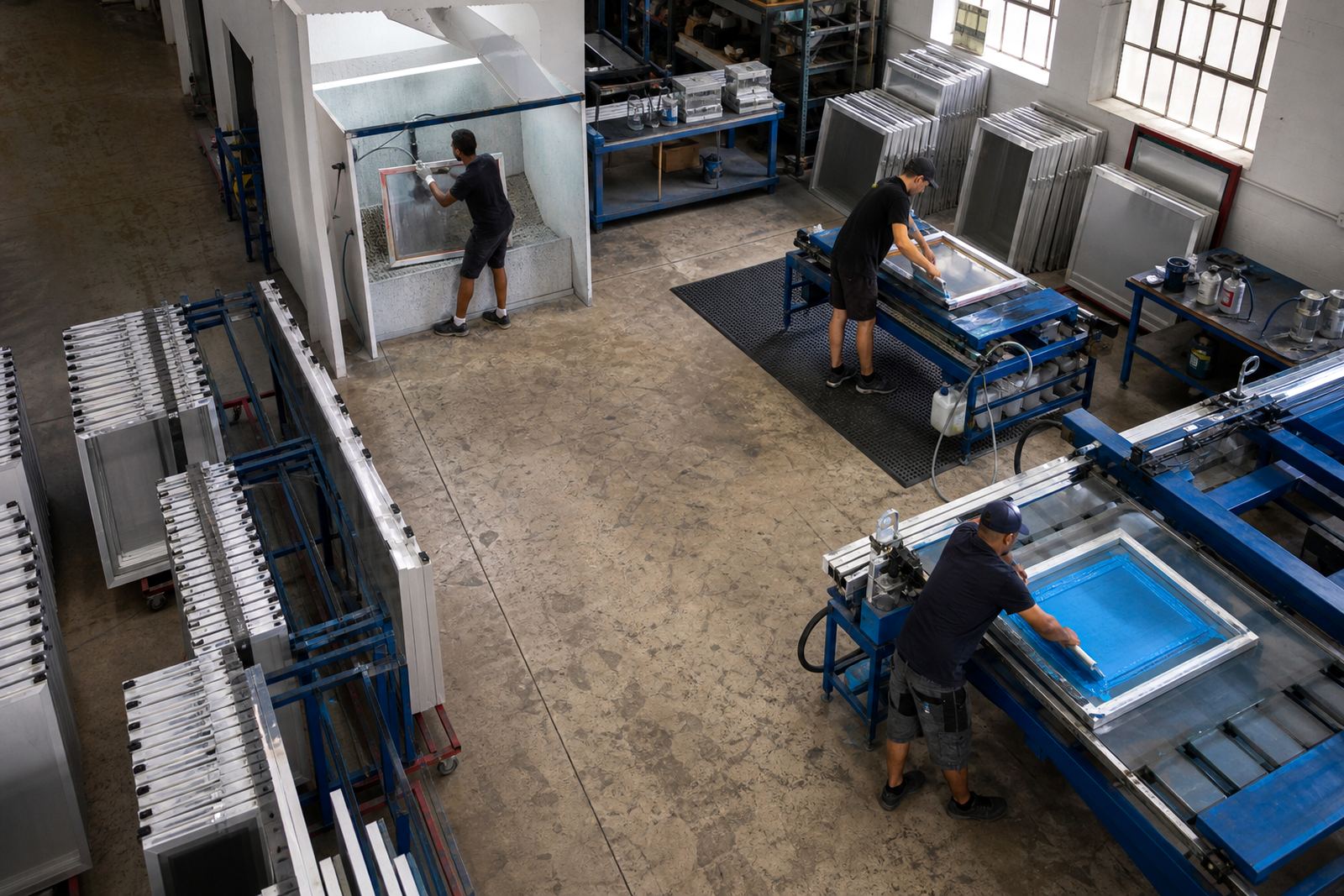
The best workshop layout starts with one simple rule: a screen should move in one direction, from stretching to drying, checking, printing, then storage or dispatch. If frames keep crossing back and forth through the same area, the team loses time and the chance of knocking corners, chipping mesh or picking up dust goes up fast.
In a busy Cape Town or Johannesburg shop, the path should be wide enough for one person to carry a frame without turning sideways. Leave space near the entrance for incoming screens, then keep the stretching area separate from ink mixing and print tables. That separation matters even more on windy days in Maitland or when dust comes in from an open roller shutter.
A practical flow also helps when load-shedding cuts the rhythm of the day. If the order moves in a fixed line, staff can pick up where they left off instead of hunting for half-finished jobs. Small layout changes can save a surprising amount of time over a month, and that is money well kept.
Give Each Screen A Home While It Waits
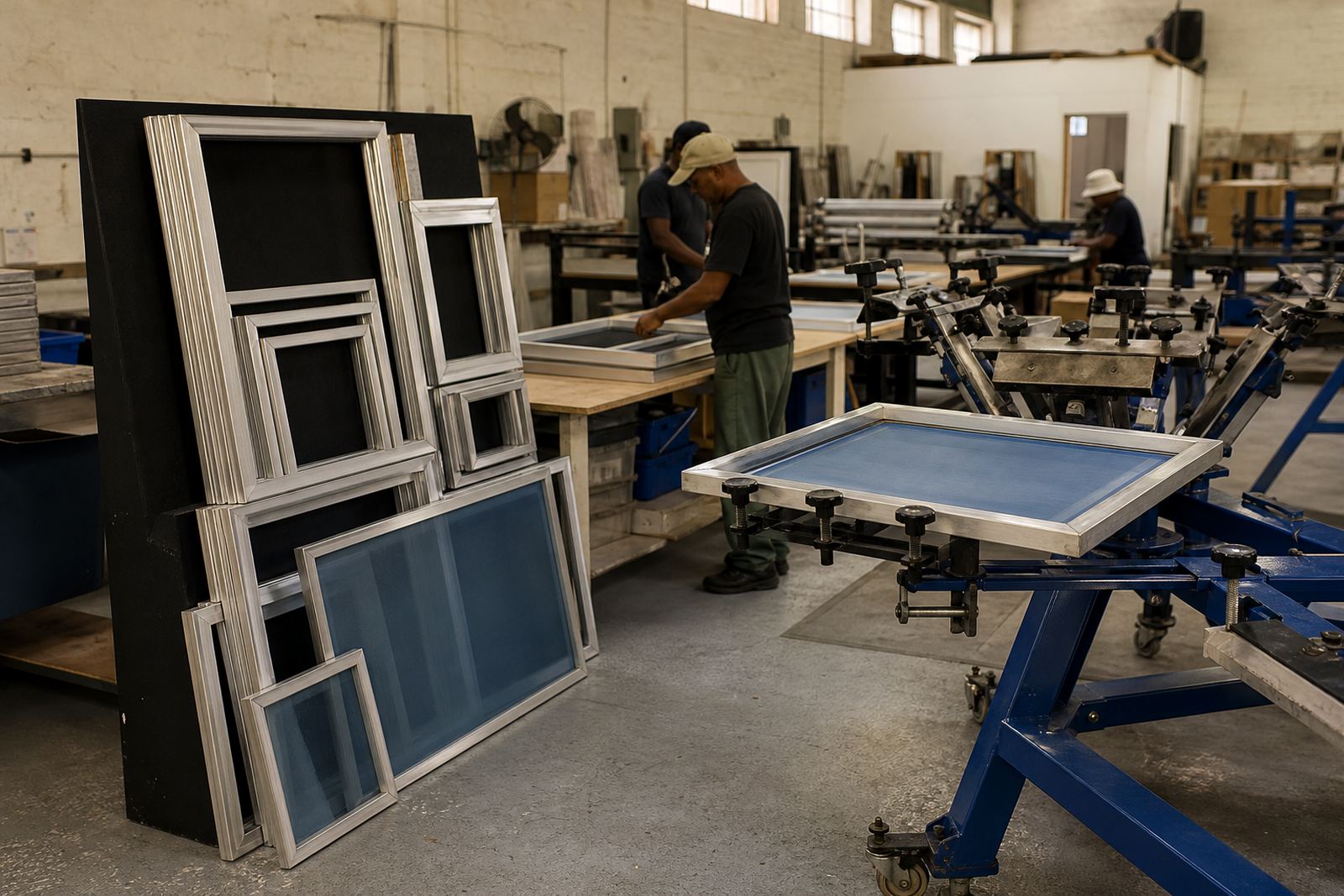
Screens should never be leaned against a wall in a mixed pile. Frames bent by poor storage often start with a small knock, then the mesh tension drops and the print result suffers. A proper holding area keeps screens upright, labelled, and easy to count.
Use racking that suits the size range you actually print. Many garment printers need a mix of standard sizes and custom frames, so the storage must handle both without squeezing wider frames into the same gap. If you work with repeat orders, group screens by job or by mesh type so the team can find the right frame quickly.
- Keep finished screens in a clean, dry section away from floor traffic.
- Label each frame with job name, mesh count, and date stretched.
- Store damaged or retired frames separately for inspection or repair.
- Allow space between screens so the mesh does not touch or collect dirt.
In coastal areas like Cape Town and Gqeberha, humidity can affect how screens are stored. A damp corner or a closed room with poor airflow can leave frames looking fine but printing poorly the next day. Good storage is not fancy, it is just organised.
Design The Workshop Around Real Movement, Not Ideal Conditions
A workshop often looks tidy on paper and still wastes time in practice. The key is to watch how a screen really moves through the room. Where does a printer stop and wait? Where do people turn with both hands full? Where do screens get set down because there is nowhere else to put them?
Place the most used benches, inspection points, and drying space close together. Keep adhesive work and mesh removal near the stretching area so a frame does not travel across the whole shop before it is ready. If you have a pickup and return service, create one clean loading point so screens do not mix with stock or personal items.
Here is a layout check that works well for many South African print shops:
- Separate incoming, in-process, and ready-to-collect screens.
- Keep the inspection point near natural light or strong task lighting.
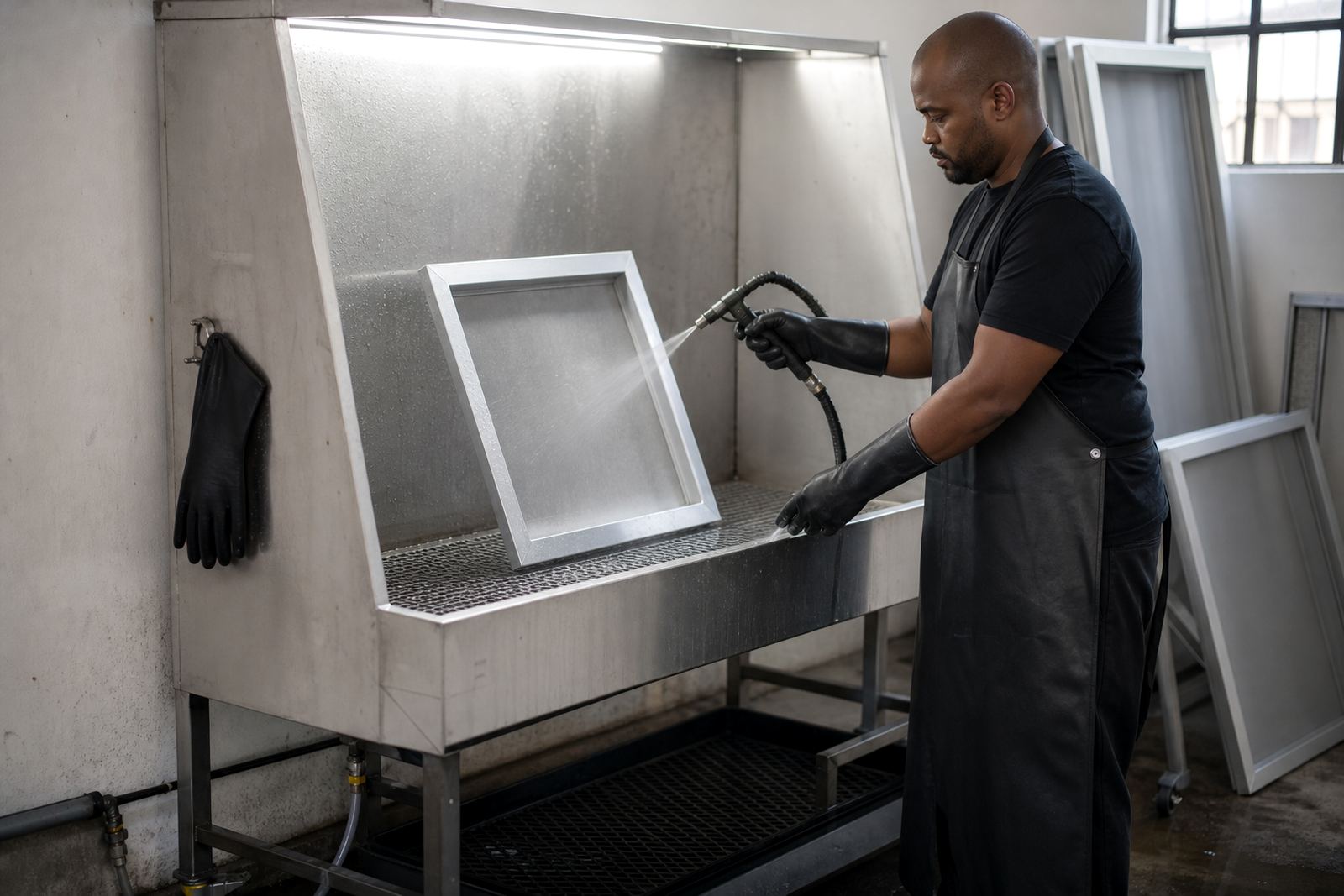
- Place cleaning supplies close to the wash area, not beside finished stock.
- Mark walking routes on the floor where staff carry larger frames.
This kind of layout makes it easier to handle urgent turnarounds. When a rushed order comes in from Pretoria or Durban, the team can slot it into the flow without moving three other jobs out the way.
Build In Protection For Frames And Mesh
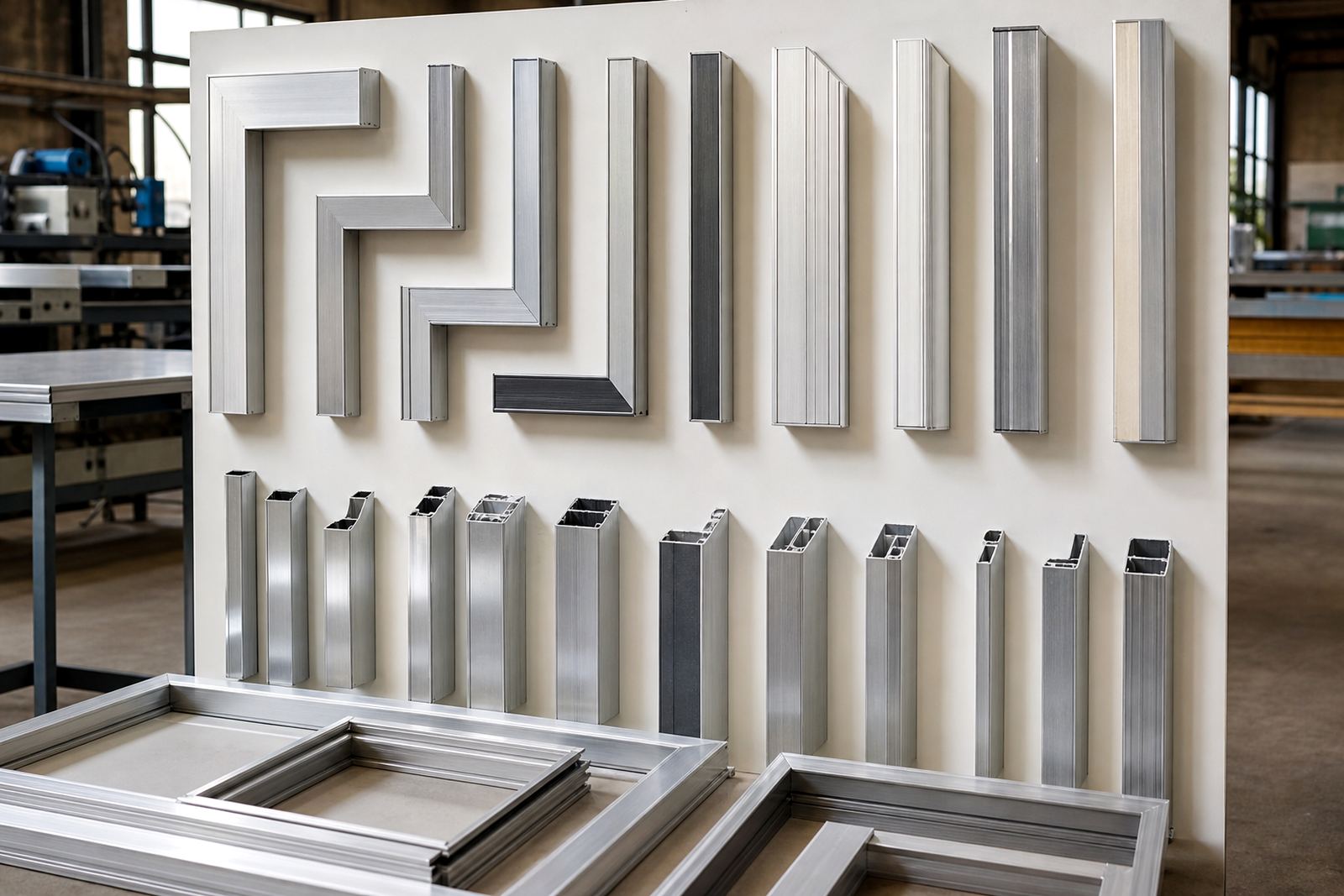
Aluminium frames are tough, but they still need care. Corners can take a knock, mesh can get scuffed, and adhesive areas can pick up grime if the workshop is too cramped. A good layout should protect the work already done, not just speed up the next task.
Use soft edge supports where frames are set down, and keep sharp tools in a fixed place so they do not scratch the aluminium. If your shop handles frame cleaning and mesh removal, keep those jobs on a surface that can be cleaned quickly between batches. It sounds basic, but it stops one dirty frame from affecting the next one.
When screens are being moved in bulk, the people carrying them should have a clear route and enough room to turn. If a frame has to be squeezed through a narrow gap, the risk of damage rises immediately. That matters for small hobby orders too, not only large trade runs.
Make Space For Checks Before Screens Leave The Workshop
A screen that leaves the workshop without a tension check is a screen that may come back with print problems. Build a final inspection point into the layout so every frame gets checked before it goes out. This is where loose mesh, uneven stretch, and frame damage can be caught early.
Set aside a bench or rack for finished screens that are waiting for a last look. This spot should be easy to reach from the stretching area and easy to reach from dispatch too. In a small workshop, that one decision can stop finished jobs from getting mixed back into active work.
At this stage, it helps to use a simple routine:
- Check corners and side rails for dents or twists.
- Confirm mesh tension is even across the frame.
- Inspect adhesive lines and clean any excess.
- Confirm the job label matches the order before dispatch.
For shops in Bellville, Paarl, or Maitland, where collections and supply routes may happen on tight schedules, this final stop keeps the handover smooth. It also gives the team confidence that the screen will print properly when it reaches the press.
Use The Layout To Support Better Stock Control
Good workshop layout is not only about movement, it also helps you know what is on hand. When screens are stacked at random, you cannot tell what is ready, what is reserved, and what still needs work. That leads to delays and duplicated jobs.
Keep a visible count of active screens, spare frames, and restretch work. Some shops use simple wall notes, others use numbered racks. The method matters less than the fact that everyone uses the same one. If a screen is out for delivery to Johannesburg or Durban, it should be marked as such before it leaves the floor.
A tidy stock system also helps when planning bulk screen orders. If you know which sizes are used most often, you can plan stretching work before the month gets busy. That means fewer last-minute scrambles and less pressure on the workshop team, which is never a bad thing.
A Maitland Workshop Example That Fits Local Conditions
In Maitland, a garment printer may be working with a compact floor, a few strong delivery deadlines, and changing weather that brings dust or moisture into the room. A practical layout would keep the stretching bench near the back, the inspection point by the brightest light, and the ready-to-go rack near the loading door. That way screens move in one direction and there is less chance of mix-ups.
If the same shop handles both collections and deliveries, the handover point should stay clean and uncluttered. Screens for Bellville collections can wait in one marked section, while screens bound for Cape Town supply routes or out-of-town deliveries stay in another. It is a simple habit, but it makes daily work much easier.
ScreenFrame works with garment printers across South Africa, from Cape Town and Johannesburg to Durban, Pretoria and Gqeberha. The same principles apply everywhere: clear paths, labelled storage, proper checks, and enough room to move screens without rushing. A workshop that is laid out well does not just look better, it helps every job run with less waste and fewer mistakes.