
Built for tight production floors
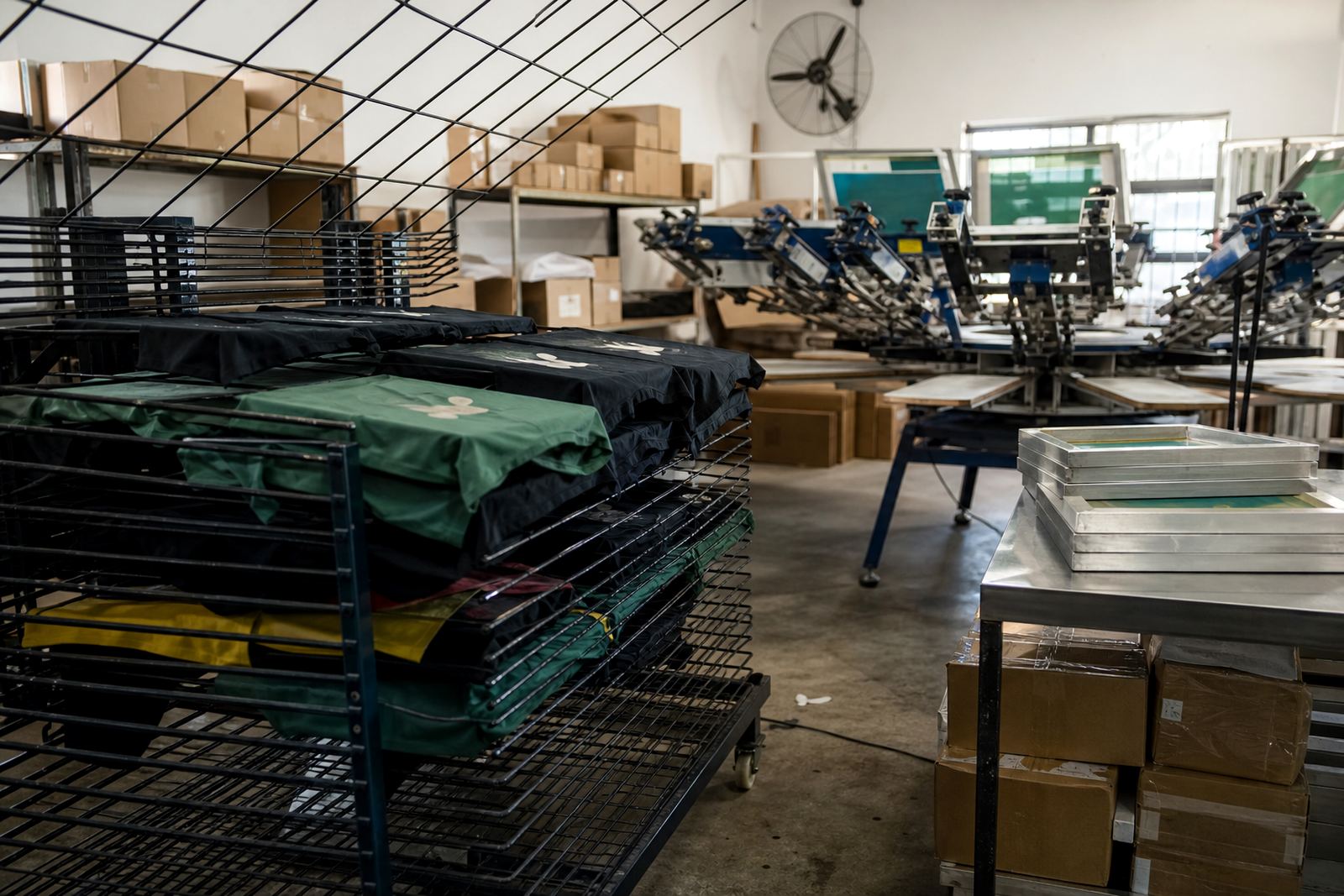
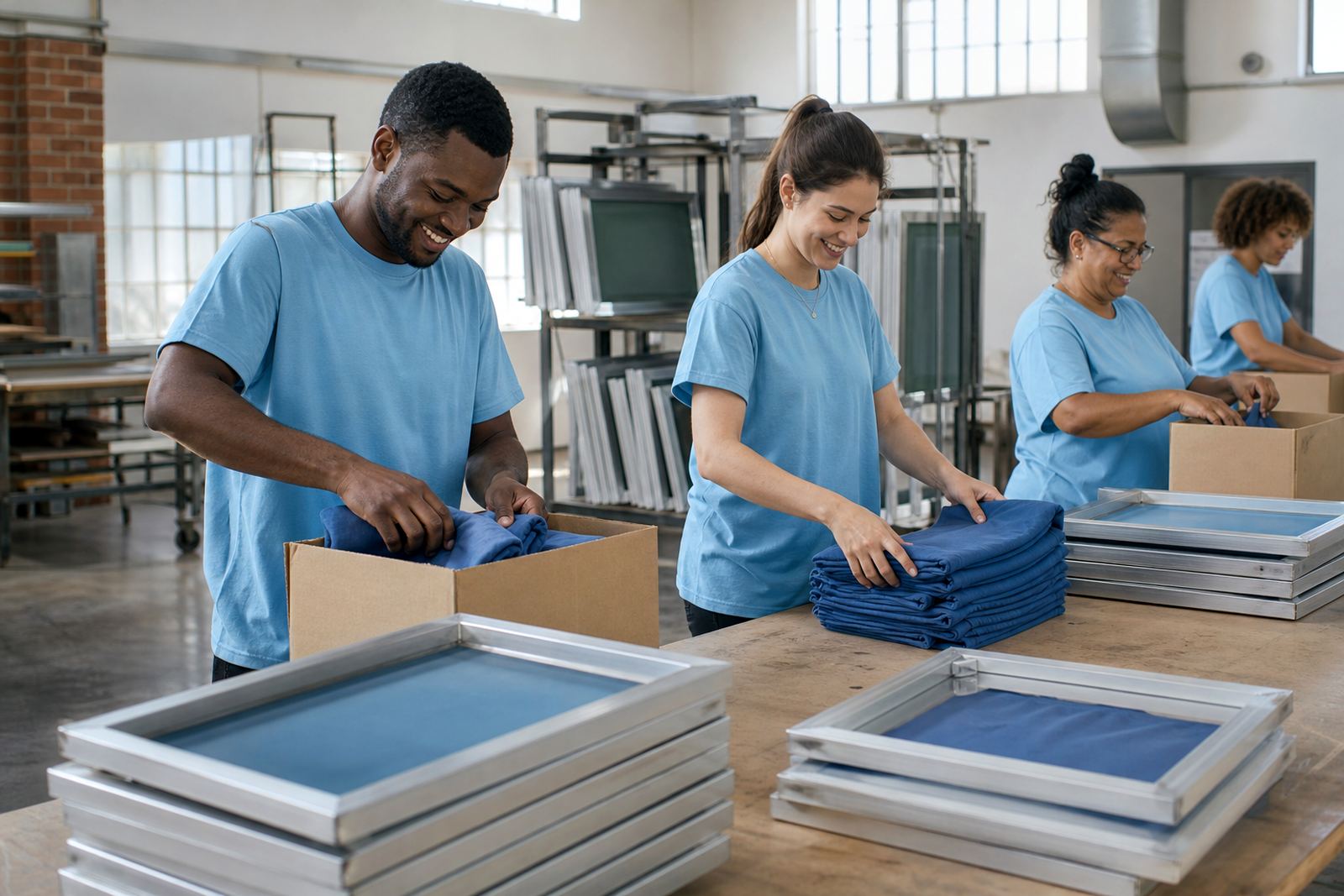
Micro factory lines are usually set up in a back room, light industrial unit, or a converted warehouse bay where every metre counts. The aim is to keep screens moving without cluttering the print floor, drying area or packing table. In places like Maitland, Bellville and industrial parts of Johannesburg, that often means one operator doing more than one task, with the screen set-up needing to be simple, repeatable and easy to stack.
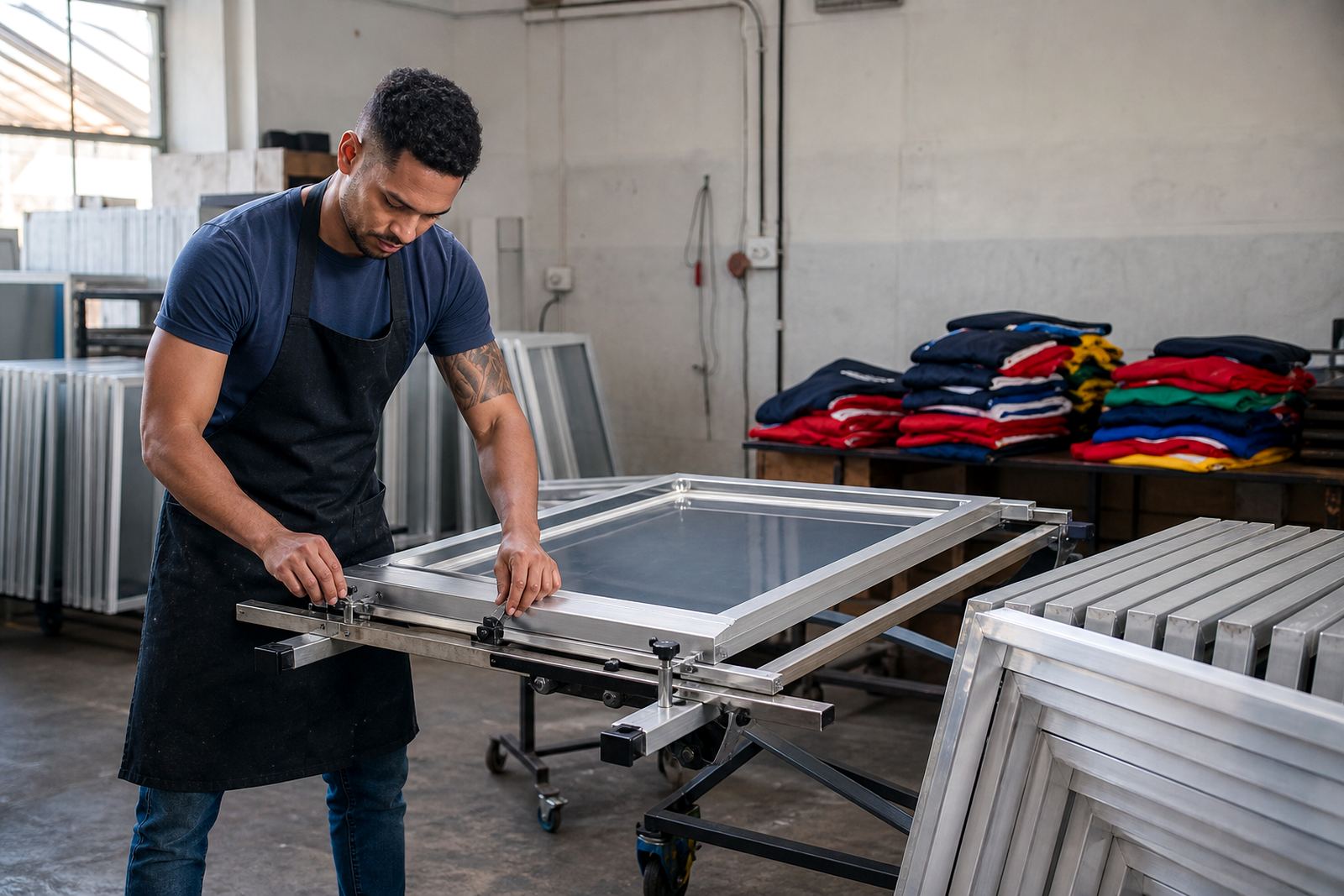
Aluminium frames suit this kind of work because they stay square, handle repeated clamping, and are easier to clean between jobs. For garment printers running small runs of 25 to 300 shirts, the right frame size and mesh tension can save time on every changeover. That matters when you are balancing labour, power cuts, and rent.
Typical equipment for a compact screen line
A micro factory line does not need a full plant, but it does need the right core items in the right order. Most small garment printers work best when the screen side is arranged to reduce walking and handling. The basic set-up usually includes:
- Aluminium screen-printing frames in the most used sizes
- One or two spare frames for urgent repeat jobs
- Stretching space for new mesh or restretched frames
- Cleaning and adhesive prep area for frame reuse
- Drying racks or a safe drying corner away from dust
- Storage for printed screens, inks and squeegees
If you are printing in Durban or Gqeberha, humidity can affect drying and storage, so screens should not be stacked damp. In Cape Town and Pretoria, temperature swings and dust are usually the bigger issue. A clean, level storage shelf and a clear numbering system will help your crew keep track of frame sizes and mesh types.
Layout choices that save time and floor space
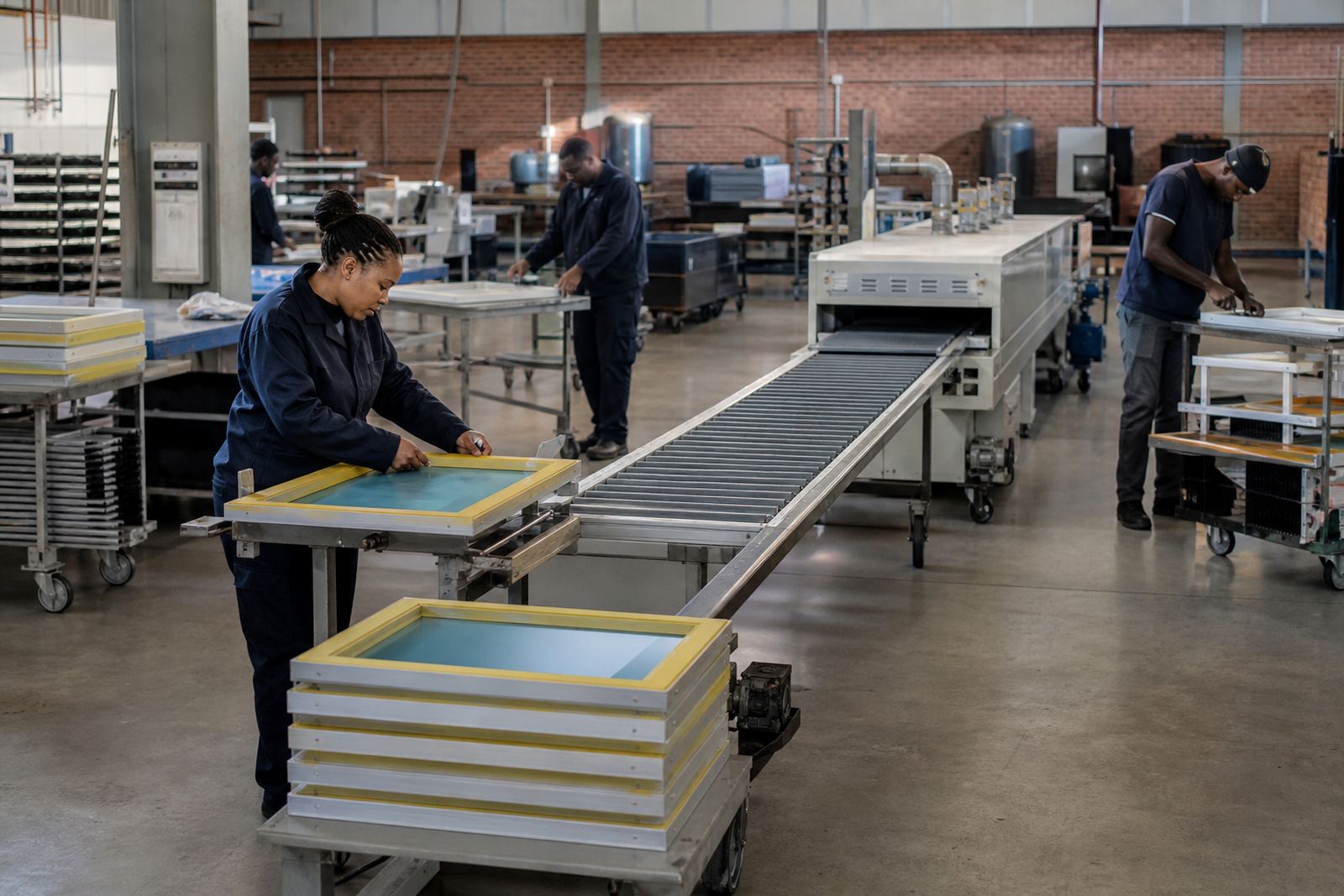
When space is limited, the best layout is one that follows the job flow, not the shape of the room. Put incoming screens near the inspection point, then move them in one direction through cleaning, stretching, tension check and final holding. If screens double back across the room, people waste time carrying frames past drying prints or through traffic from packing. It seems small, but over a week it adds up.
For micro factory lines, a narrow bench and wall-mounted storage often work better than bulky tables. Keep the heaviest frames at waist height where possible, and leave enough room for at least one person to pass safely with a loaded screen. If your workshop is in a building with load-shedding interruptions, make sure the screen prep area can still function with limited light and no powered extraction. A tidy manual process is often safer and more consistant than a cramped setup that depends on one machine.
Common mistakes small printers make
Small production teams often try to stretch every frame for every job, which usually leads to poor fit and wasted setup time. A frame that is too small for the artwork creates repeat adjustments and more spoilage. A frame that is too large uses up space and can be awkward to store on a compact line. The better approach is to match the frame to the most common garment sizes and artwork placements you actually print.
Another mistake is keeping worn frames in use too long. If the mesh has lost tension or the frame has twisted, registration becomes harder and prints can drift. That slows the whole line. Also avoid storing screens in damp corners or near open workshop doors, especially in coastal areas. Rust is not the only risk. Loose mesh, damaged adhesive lines and dirty frame edges all affect print quality.
- Do not overpack the stretching area with too many unfinished screens
- Do not mix damaged and sound frames in the same stack
- Do not skip tension checks on repeat-order screens
- Do not leave cleaned frames unlabelled before reuse
What to budget in Rand
Budgets for a micro factory line vary depending on how many screens you keep in circulation, how often you restretch, and whether you need bulk orders. As a practical guide, a small start-up setup with a few aluminium frames and basic stretching support might begin around R3 500 to R9 000. A more active line with multiple sizes, spare frames and regular turnaround work can sit closer to R12 000 to R28 000.
If you are building around repeat schoolwear, promotional wear or small retail runs, it is usually worth paying for better fit and stronger frame consistency rather than buying the cheapest option. The cost of one bad print run can exceed the savings on a few frames. For growing shops, phased buying works well: start with your main sizes, then add spares and custom sizes as orders settle.
How ScreenFrame supports small production lines
ScreenFrame works with garment printers who need dependable frames and straightforward handling, whether they are running from Maitland, Bellville or a jobbing shop in another province. We provide new screen stretching, restretching of existing frames, mesh removal, frame cleaning, adhesive application, tension checks, frame inspections, custom size stretching, bulk screen orders, urgent turnarounds, pickup and return, and screen care advice. That makes it easier to keep a compact line moving without chasing multiple suppliers.
For teams that need screens collected and returned, our delivery routes and collections are arranged around real workshop needs, not just office hours. If your line is running tight on time, a simple supply plan for the month can reduce stoppages and help your crew stay ahead of orders. In a small factory, a well fitted screen is not a luxury, it is part of keeping the line moving and the work profitable.