
For fundraisers that need clean prints and low waste
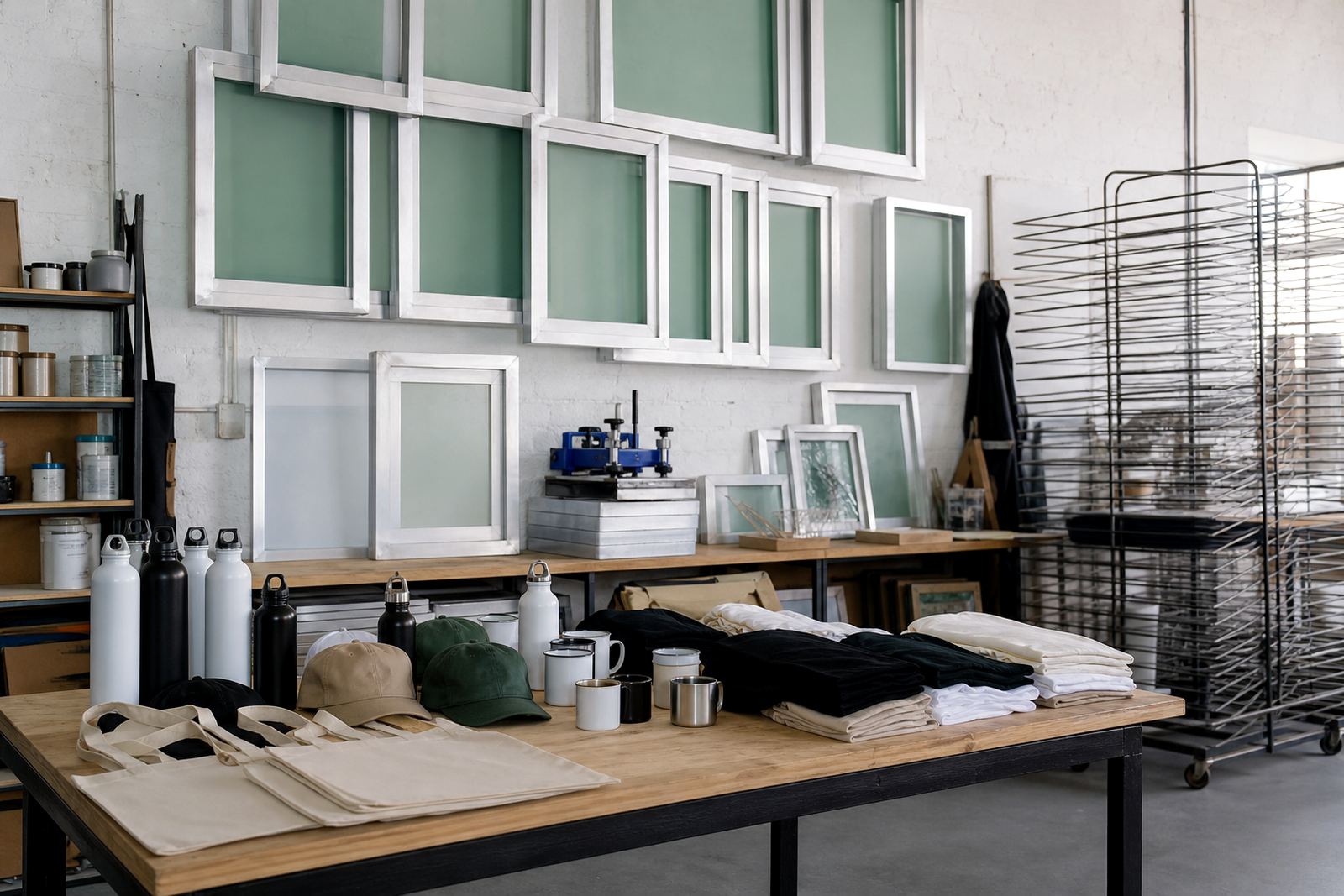
Charity fundraisers usually need a simple, repeatable print plan that can handle a few dozen shirts or a few thousand. Most groups are working with volunteers, limited cash and a deadline linked to an event date, so the screen setup must be easy to manage and tough enough for long print runs. In Maitland we often see jobs for church bazaars, breast cancer drives, school sports days and winter blanket campaigns where the artwork changes only slightly, but the print has to stay sharp across every size.
For this kind of work, aluminium frames make sense because they stay straight, hold tension well and cope better with local conditions like coastal humidity in Cape Town or storage in a warm hall in Durban. A good frame reduces wobble on the press and helps keep registration steady when volunteers are helping on the day. It also saves money over time because you are not replacing bent or warped frames after every fundraising season.
- Best suited to short runs, repeat logo prints and single or two-colour artwork
- Easy to label by size or campaign so multiple teams can work without confusion
- Useful for cotton tees, polycotton shirts, tote bags and aprons
- Can be restretched later if you need to re-use the same frame for another event
Typical frame and mesh setup for community shirt drives
Most charity jobs do well with a practical set of frames rather than a large complicated setup. A common starting point is one frame per colour, plus a spare for emergency rework or an urgent last-minute sponsor logo. If the event includes adult and youth sizes, it helps to keep one mesh count for solid spot colours and another for finer text or small sponsor details. That way the printer is not fighting the mesh on press.
Screen stretching should match the ink and garment type. For bold awareness messages, a medium mesh often gives the best balance of coverage and speed. For fine lines, small type or QR codes on event shirts, a tighter mesh may be better. We also check the frame size against the platen area so the print sits where it should on S, M, L and XL garments without running too close to the seams.
- One colour fundraiser prints: 1 frame, 1 stencil, 1 squeegee path
- Two-colour awareness campaigns: 2 frames with clear registration marks
- Volunteer-friendly setup: larger print area, simple artwork, strong tape edges
- For repeated campaigns: keep a master frame and use labelled storage sleeves
When the job is for a community outreach day, planning the shirt count early helps a lot. Even a small overrun can be useful for late donors, while under-ordering leads to rushed reprints and extra courier costs. It is also worth checking whether the garments are prewashed or still have factory finishing, because some fabrics print better after a simple test run.
Layout planning that saves time on event day
A fundraiser print table needs more than a screen and ink. You need a flow that lets the team move from prep to print to drying without people standing in each others way. If the print is happening in a school hall, community centre or warehouse in Bellville, leave enough room for garment stacking, screen wiping and drying racks. If there is only one power point and loadshedding is a risk, plan for manual drying space and keep the print count realistic.
For most charity orders, the smart approach is to keep artwork simple. Large centre prints, one sponsor line, and a short campaign message are quicker to register and far less likely to spoil. Avoid tiny details that disappear on textured shirts or stretch during printing. It also helps to standardise shirt colours where possible, because switching between black, white and bright fabric can change how the ink covers and how many passes you need.
- Keep one clear print order sheet with sizes, colour count and quantity
- Group garments by size before printing starts
- Use test prints on 2 or 3 shirts before the main run
- Leave drying space that matches the day’s humidity and temperature
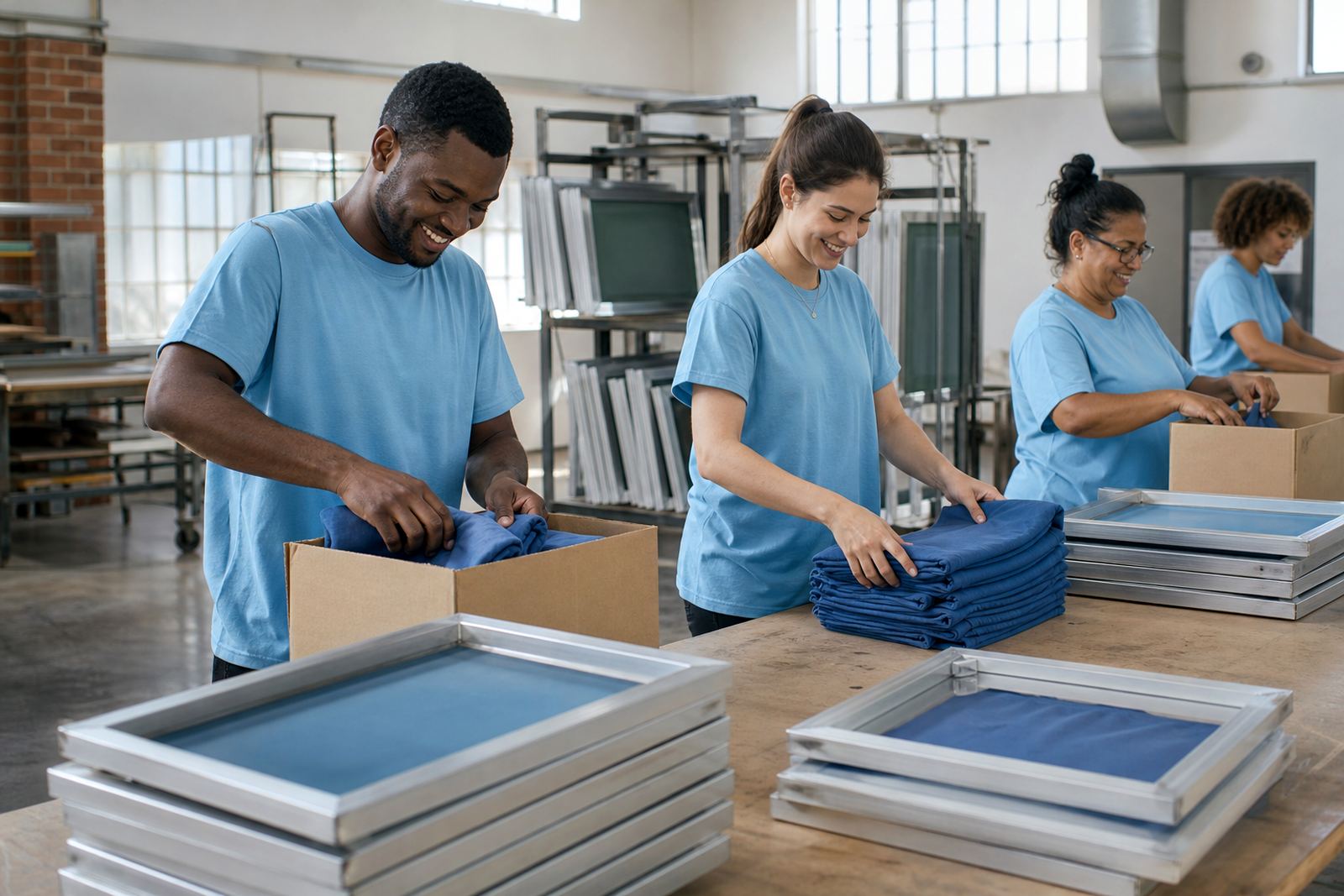
Pickup and return can also make a big difference for a fundraiser team trying to juggle volunteers, sponsors and venue bookings. If the screens are collected early and returned after the event, the organiser can focus on sales and attendance rather than workshop logistics.
Common mistakes on charity print jobs
The biggest mistake we see is underestimating the prep. A charity group often thinks the artwork is ready, but then the sponsor adds another logo or the event date changes and the whole screen has to be adjusted. Another common issue is using an old frame that has lost tension. That may seem cheaper at first, but loose mesh leads to blurry prints, ink pooling and wasted shirts.
It is also easy to overcomplicate the design. If the job has to be printed by a mixed team of experienced printers and volunteers, a simple layout is usually the safest option. Too many colours means more screens, more drying time and more chances for misregistration. On busy jobs, that becomes expensive quickly. We often recommend doing a tension check and frame inspection before the artwork goes to stencil, not after the first few shirts have been printed.
- Using worn mesh that cannot hold fine detail
- Choosing artwork that is too small for the shirt size range
- Not allowing time for drying between colour layers
- Skipping a test print on the actual garment fabric
- Forgetting to label screens when several teams are sharing the job
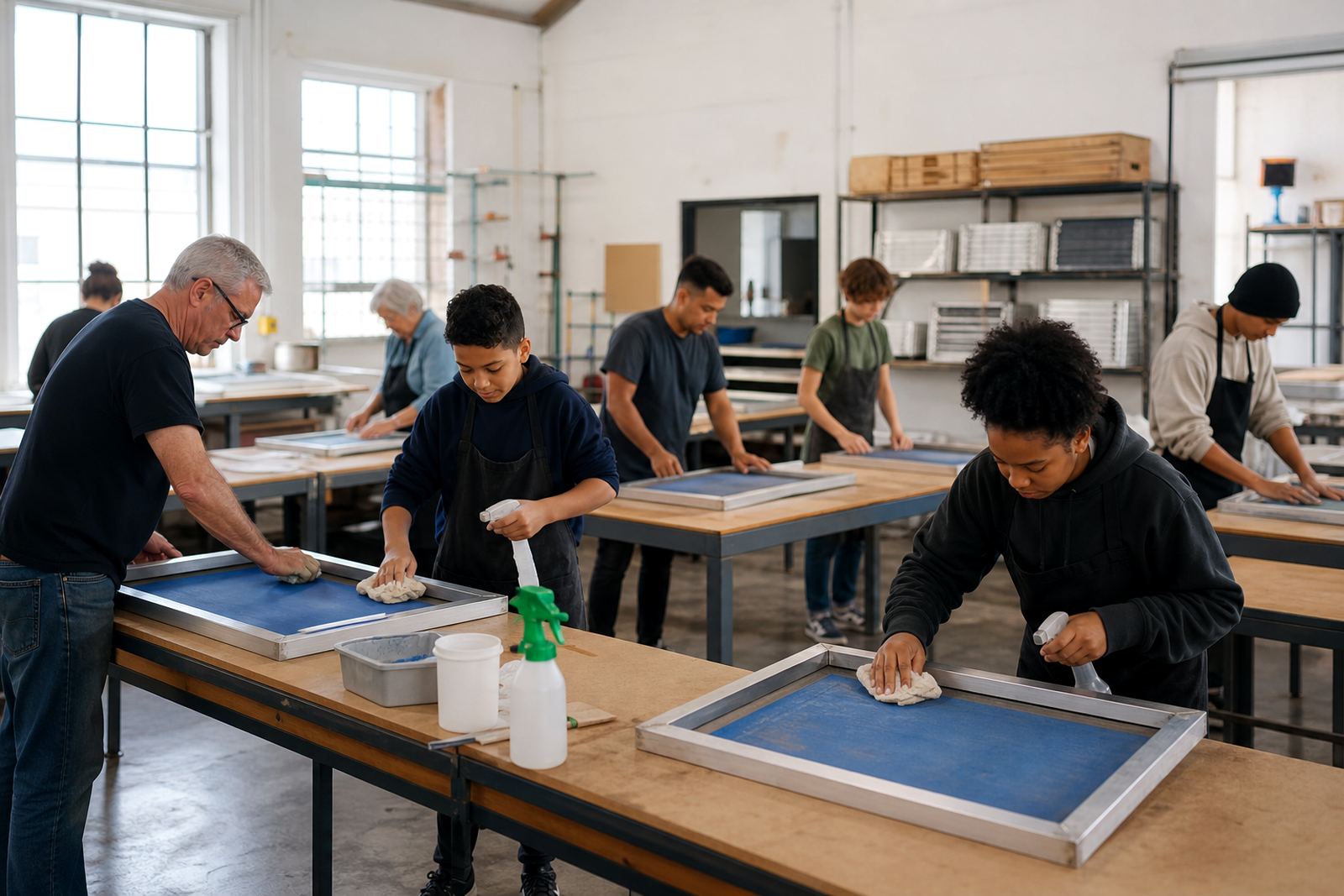
Another practical issue is storage after the campaign. If screens are left dirty with ink or adhesive, they become harder to re-use and the mesh can stain. A proper cleaning routine after the fundraiser keeps the frame ready for the next order and extends its working life.
Budget ranges for fundraiser screen work in Rand
Budget depends on quantity, mesh count, frame size and whether the job is a fresh stretch or a restretch. For small community orders, groups often budget around R450 to R950 per frame for basic stretching and preparation, while more specialised custom sizes or urgent turnaround work can sit higher. If the frame only needs cleaning, mesh removal or adhesive application before a restretch, the total can stay lower than replacing the whole setup.
For a modest charity shirt run, a practical print setup might use 2 to 4 frames and a simple one or two-colour design. That can keep the screen preparation side around R900 to R3 500 before ink, garments and labour. Larger campaigns, especially those with multiple shirt sizes and different sponsor marks, can move into the R3 500 to R8 000 range depending on the number of screens and the speed required. Bulk orders usually improve the unit cost because the work is repeated across the same layout.
When a fundraiser is being planned across Cape Town, Johannesburg, Durban, Pretoria or Gqeberha, the final budget should also account for delivery or collection timing. If you need a fast turnaround before a march, school event or awareness day, it is better to confirm the screen count early than to discover on the last day that another frame is needed. A quick quote based on sizes, quantity and colour count normally saves money in the end.
How ScreenFrame supports community campaign work
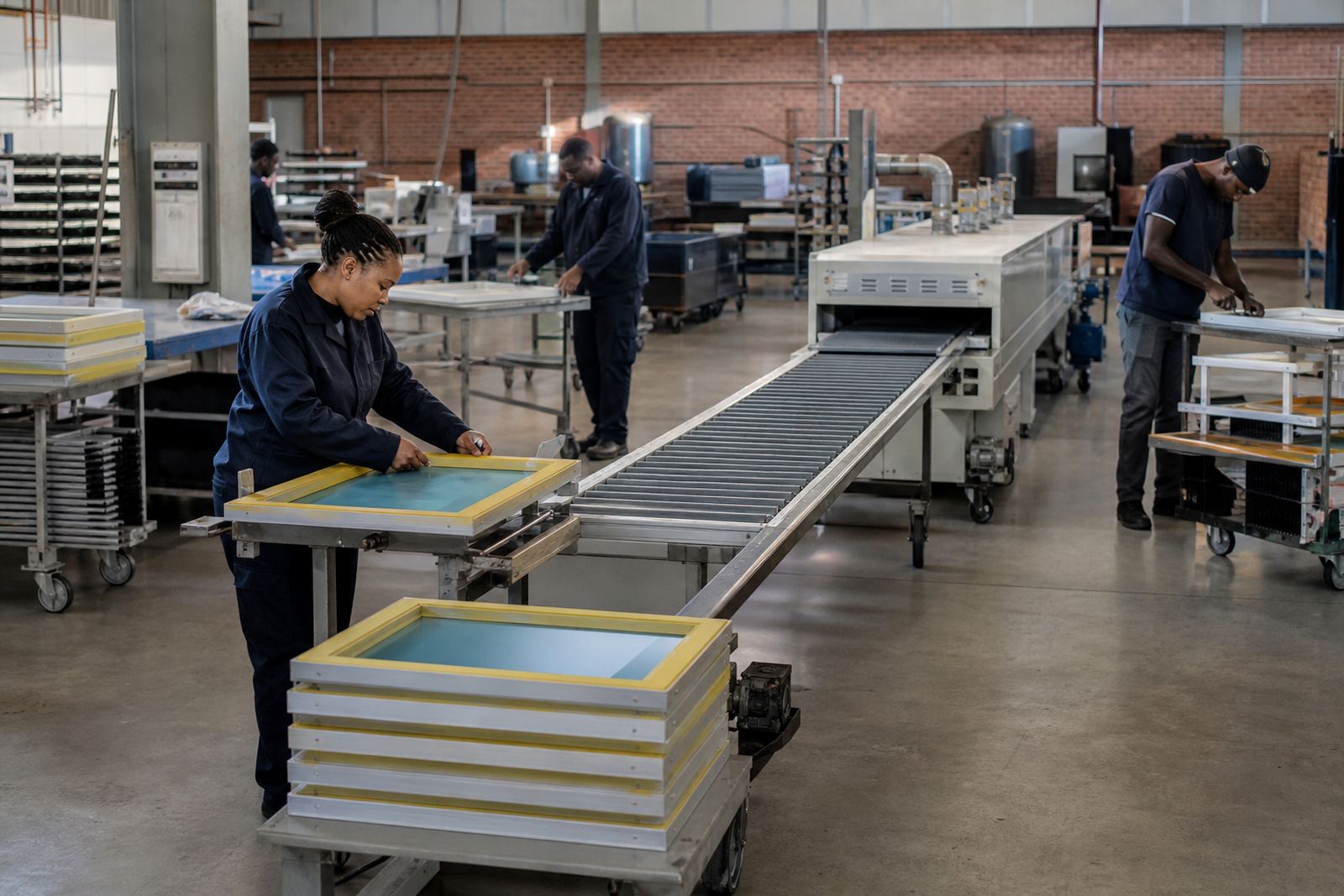
ScreenFrame works from Maitland, Cape Town and supports printers across South Africa with new screen stretching, restretching of existing frames, mesh removal, frame cleaning, adhesive application, tension checks and inspections. For charity fundraisers, that means you can bring in the frames you already have, or order fresh aluminium setups sized for the job at hand. We also handle custom size stretching for special artwork or unusual press setups.
If your campaign is heading to Bellville collections, the Paarl supply route, or delivery points in Johannesburg, Durban, Pretoria or Gqeberha, we can plan the frame work around your production date. The aim is simple: give you screens that sit properly on press, hold tension and are ready for a print run that needs to be done once and done right.