
What the Centurion team needed from us
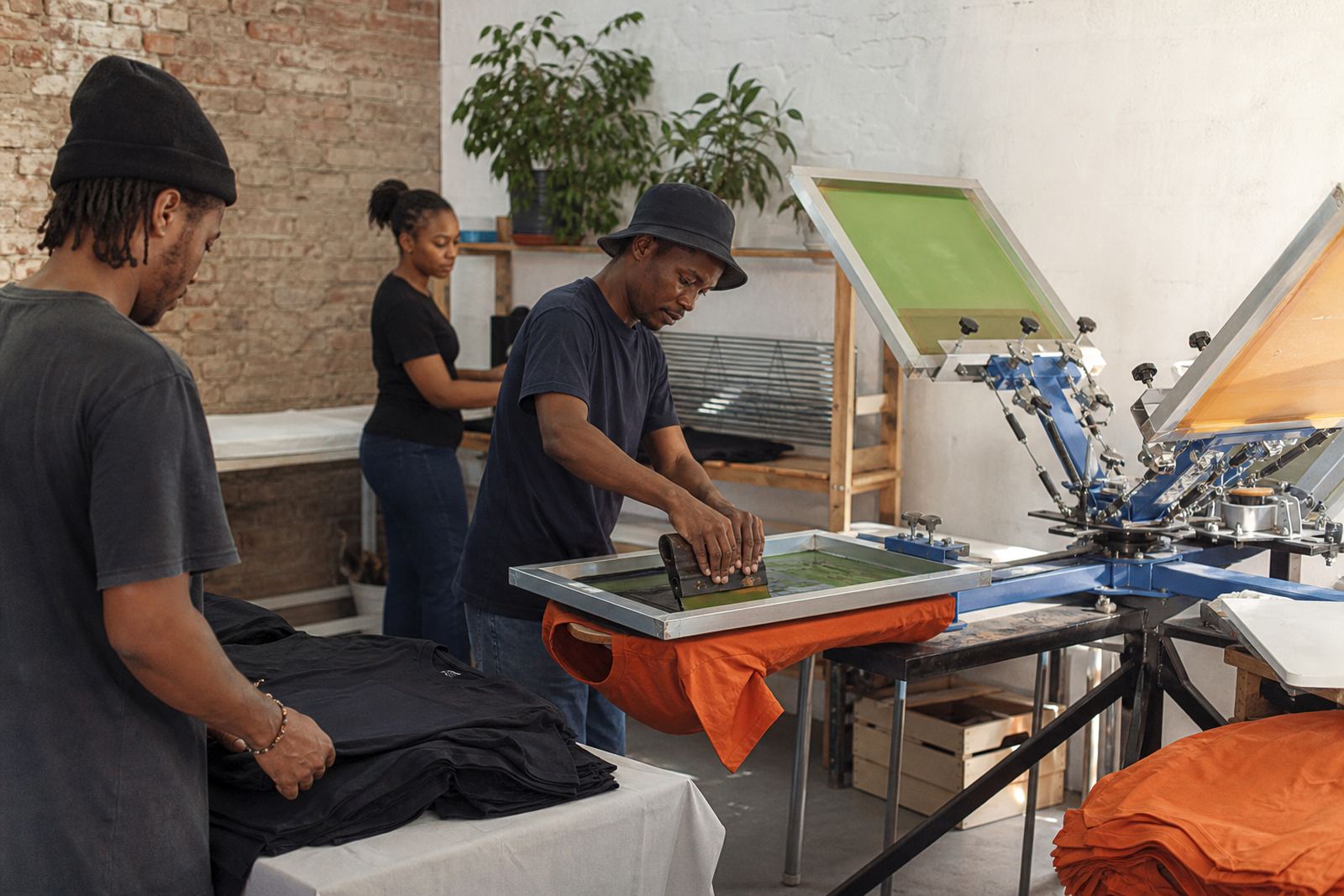
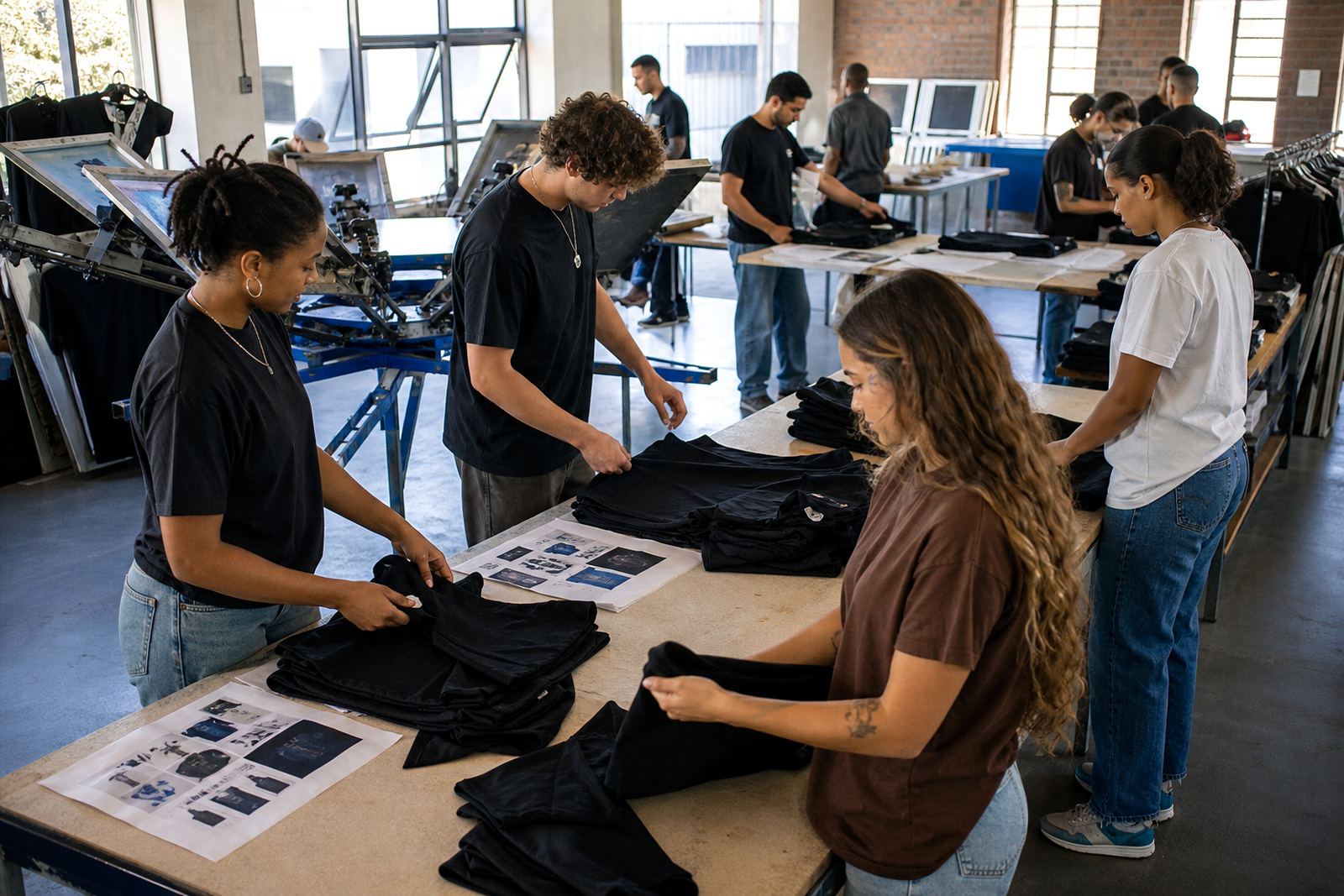
The client was a small garment decoration team in Centurion handling samples for retail buyers and in-house approval runs. Their old setup meant the same frames were being used for general production and sample work, so every changeover ate time and created small differences in print position, mesh tension and cleanup.
The brief was simple: give them dedicated frames for sample development and pocket-logo work so approvals could happen faster, with less handling between tests. They wanted frames that stayed square, held tension well in warm inland conditions, and could cope with frequent reclaiming without warping or loose corners.
They also asked for a setup that would be easy for their team to manage during load-shedding, with no fuss around moving screens between stations. In Centurion, workshop space is often shared and time is tight, so the frames needed to be clearly marked and ready for quick use. The team wanted fewer delays, not fancy extras.
The brief and the workshop constraints
We worked to a short lead time of 2 weeks from approval to handover. The main constraints were a tight sample schedule, frequent artwork changes, and a requirement for consistent registration on small prints. Pocket logos are unforgiving, especially when the mesh is not holding even tension or the frame is slightly out of square.
- Dedicated sample frames for approvals and test prints
- Separate pocket-logo frames for smaller print areas
- Aluminium construction for lighter handling and better corrosion resistance
- Frame sizes matched to their garment press and screen room layout
- Clear identification so sample frames were never mixed with production frames
Because the site sat in an inland industrial area, humidity was less of a concern than in Durban, but dust and heat still mattered. We set up the frames so they would clean down properly and keep their finish after repeated mesh removal and adhesive application. The client also wanted the screens to be easy to store between jobs, because sample work can build up quickly if a buyer asks for changes on the same day.
What we supplied for the sample room
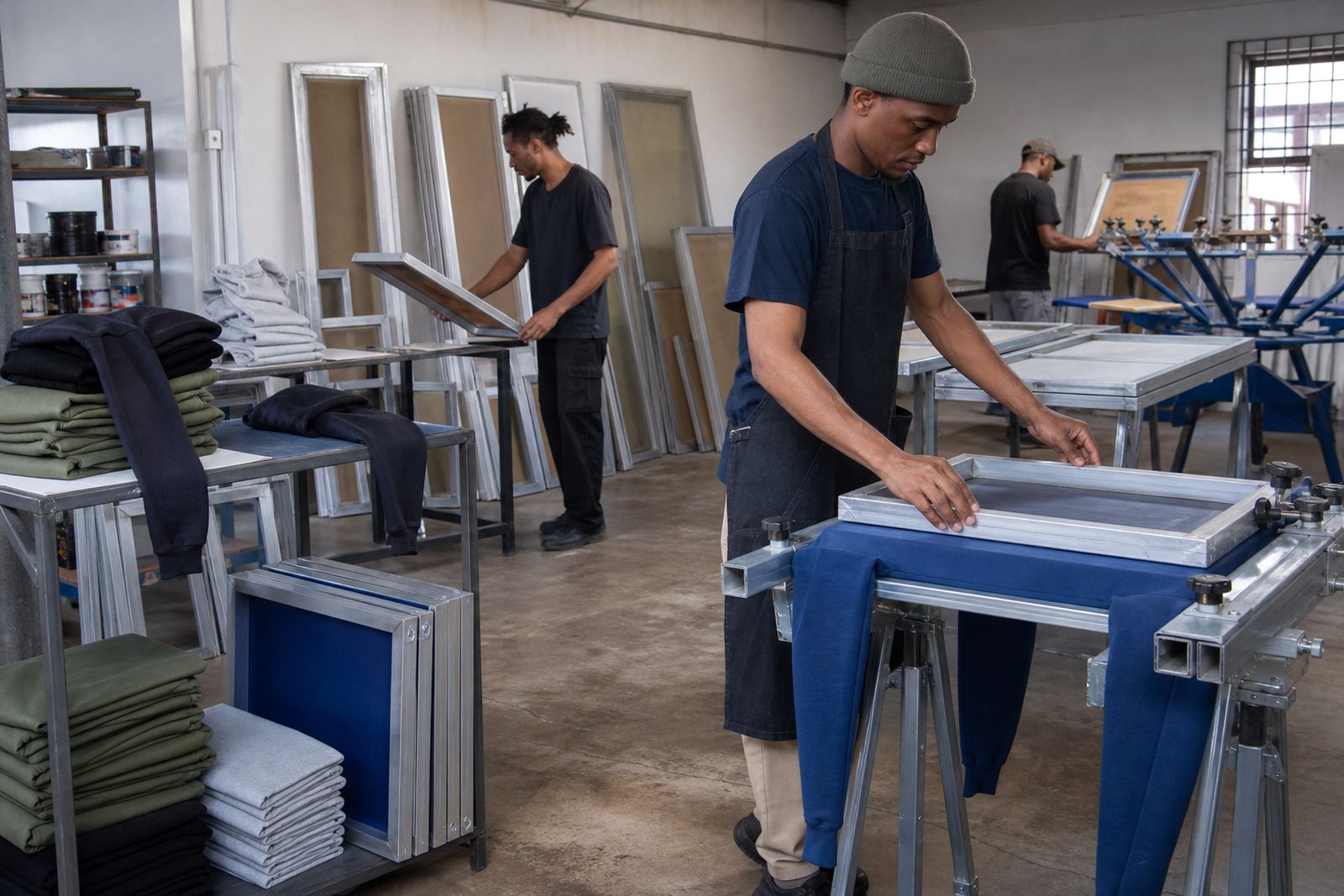
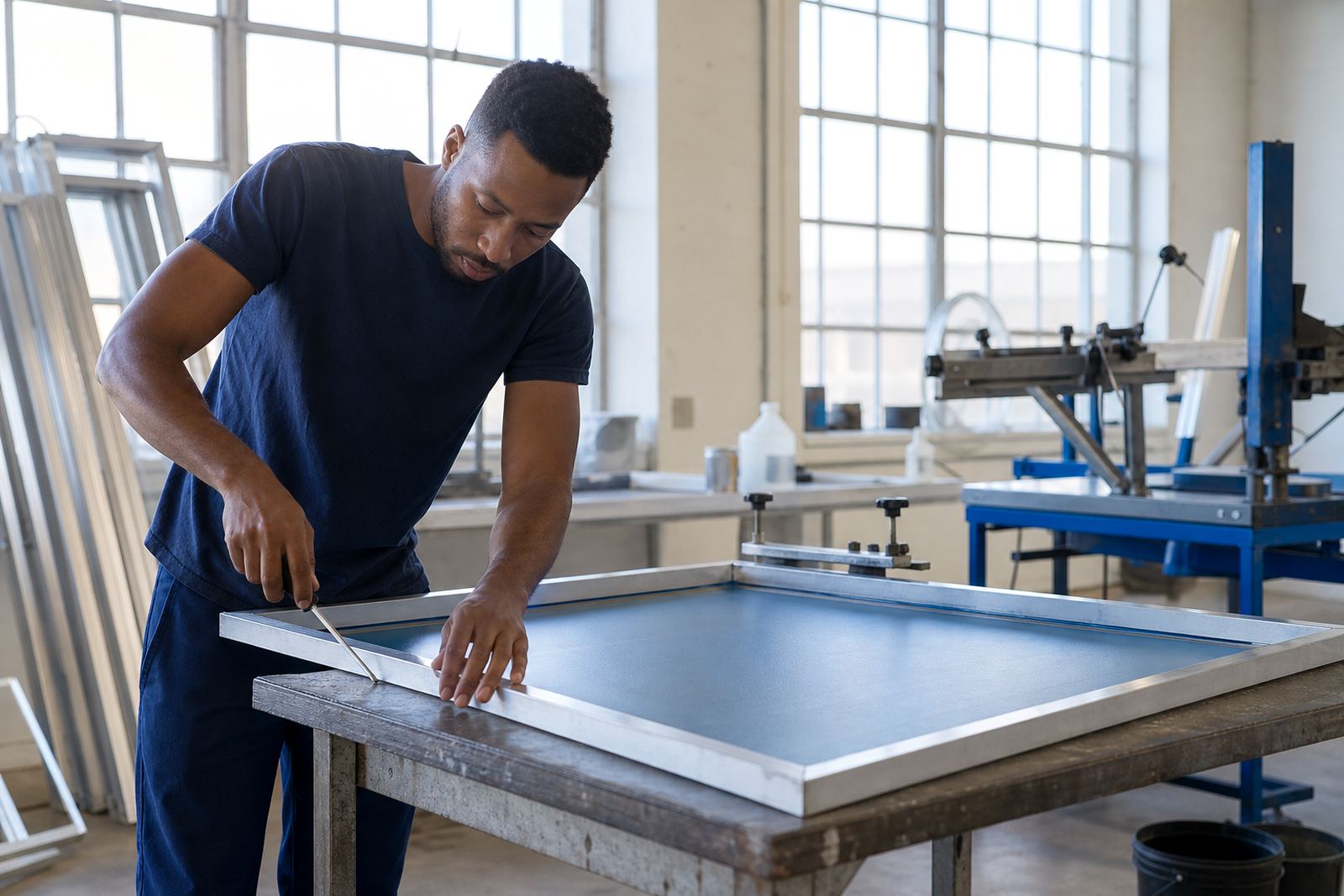
We supplied a batch of aluminium screen-printing frames with custom sizing for sample development and pocket-logo use, along with stretching and inspection before collection. The frames were prepared for garment printing, with attention to edge finish, squareness and holding strength so the team could move straight into testing.
Each frame was checked for fit, then labelled by use so the workshop could separate sample, approval and pocket-logo work at a glance. That sounds small, but in a busy room it stops a lot of mix-ups. We also made sure the frames were suitable for repeated re-stretching, since sample artwork often changes after the first round of buyer feedback.
- Aluminium frames in custom sample-room sizes
- Dedicated pocket-logo frames for compact artwork
- Mesh stretching and tension checks before release
- Frame inspection for square corners and clean edges
- Mesh removal and frame cleaning where old screens were reused
The client needed a setup that could keep up with garment decoration across a changing work schedule. Our approach was to keep the frames practical, easy to handle and suited to the way their team actually works, rather than adding unnecessary complexity.
How the turnaround worked week by week
Week 1 was measurement and confirmation. We checked the sample sizes, the pocket-logo format, and the way the team stored screens between runs. That let us match the frame sizes to their press setup and make sure the screens would sit comfortably in the room without crowding the benches.
Week 2 was production, stretching and final inspection. The frames went through tension checks, adhesive application and a final look over before handover. The team collected the order and started using the dedicated sample frames straight away. No rework was needed on the first batch, which helped them stay on schedule.
The whole process stayed practical from start to finish. Because the client was dealing with approval work, we kept communication direct and focused on the sizes, mesh specs and turnaround dates. That kept the job moving without unnecessary back-and-forth.
Results after the first approval cycle
The biggest change was speed. With dedicated sample frames in place, the team cut down on changeover time and approval prints moved through the room much faster. The pocket-logo frames also improved consistency on smaller prints, where even a slight mesh issue can show up immediately.
They reported cleaner handovers between sampling and production, plus less interruption when a buyer asked for a second round of changes. Because the frames were set up for the job types they used most, the workshop no longer had to strip and reset general production screens just to run a small sample.
- Faster approvals on sample and pocket-logo work
- Less downtime between artwork changes
- More consistent print placement on small garments areas
- Better screen separation between sample and production jobs
- Cleaner handling during busy weeks with mixed orders
In simple terms, they could quote, sample and approve faster without compromising the print finish. For a team working in Centurion, that meant less pressure on the production side and fewer last-minute scrambles when a customer wanted another revision.
What we would do again for a similar team
If we were setting up the same kind of sample room again, we would keep the same approach: dedicated frames for approval work, smaller pocket-logo frames for tight print areas, and clear separation between test and production screens. That structure saves time every week, not just on the first order.
We would also keep the focus on easy cleaning and proper tension control, especially for teams that handle frequent art changes. When a workshop needs to move fast, the frame has to do its job without being fussy. That matters whether the business is in Centurion, Pretoria or anywhere else with a busy garment pipeline.
For this client, the value came from matching the frames to the way they print, then making sure every screen was ready for use as soon as it left our workshop. Small details like that keep sample rooms moving.
Project facts at a glance
This job was for a garment decoration team in Centurion that needed dedicated sample-room hardware for buyer approvals and pocket-logo work. We supplied and prepared the frames in 2 weeks, with stretching, cleaning and inspection built into the process so the screens could go straight into use.
The result was a cleaner approval workflow, fewer delays and better consistency on repeat sample runs. It is the kind of setup that works well for busy printers who need practical kit and clear separation between sample work and everyday production.
Key facts
| Project town | Centurion |
|---|---|
| Client type | Garment decoration team |
| Scope | Sample room frames and pocket-logo frames |
| Frame material | Aluminium |
| Turnaround | 2 weeks |
| Services used | New Screen Stretching, Frame Inspections, Adhesive Application, Tension Checks, Mesh Removal, Screen Care Advice |