
Term Demand From a Busy Pinetown Print Room
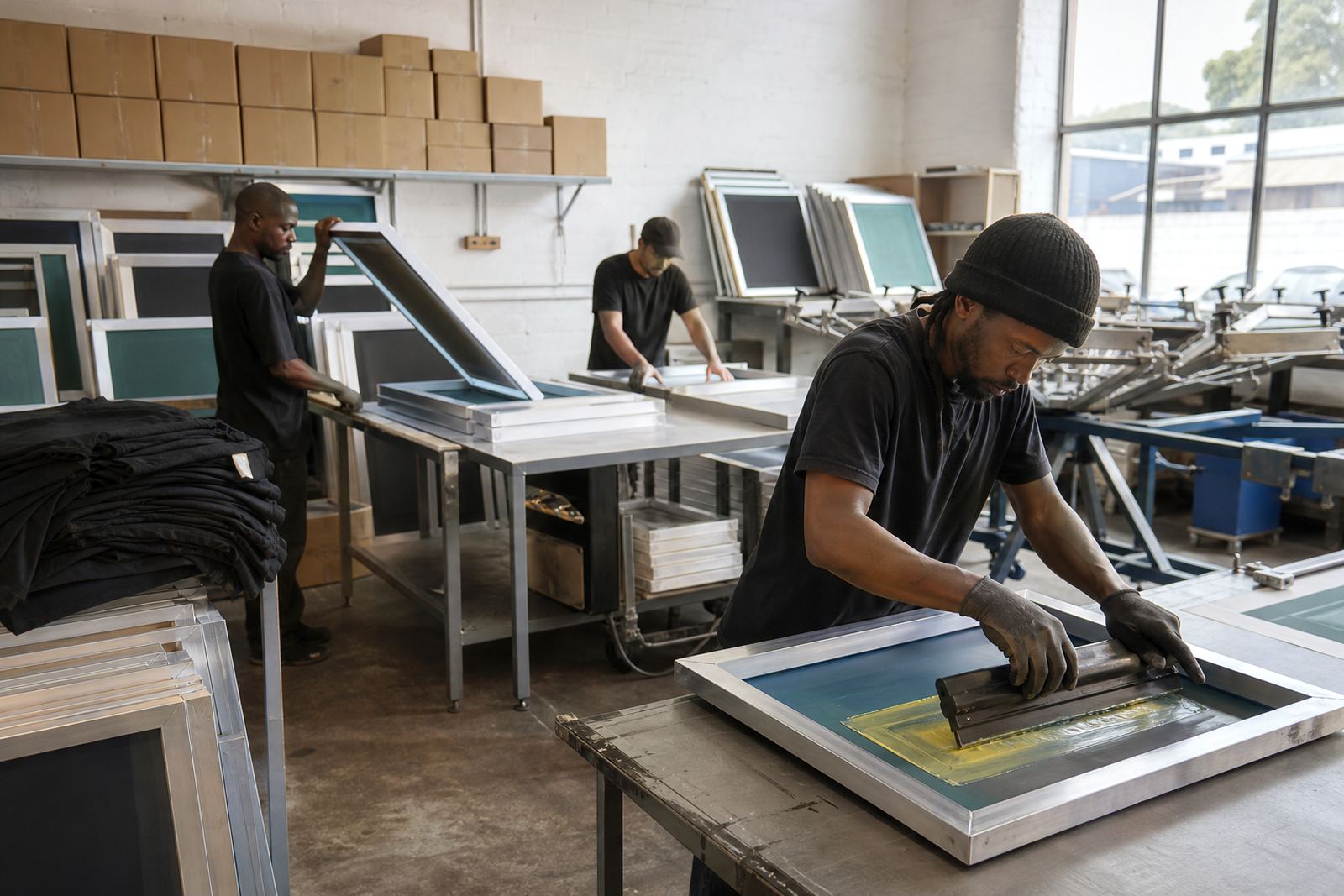
The client was a schoolwear printer in Pinetown, serving a steady flow of term uniforms, sports kit and basic branded garments. Their workshop needed fresh aluminium screen-printing frames that could handle repeat runs without losing tension or slowing down the press crew. The order was timed around back-to-school pressure, when even a short delay can push orders into the next week.
The brief was simple but strict. They wanted standard screens for garment decoration, sized for everyday production work, with clean mesh, even stretch and frames that would stay true in storage and on press. They also needed the order handled in a way that would not interrupt live production, so we worked to a staged handover plan.
- Client type: schoolwear and uniform printer
- Town: Pinetown, KwaZulu-Natal
- Need: new standard screens for term work
- Priority: quick turnaround and consistent tension
What Made The Job Time-Sensitive
School order work leaves very little room for drift. The printer was dealing with repeat sizes, mixed garment counts and a calendar that changes fast when schools confirm late additions. In Durban and Pinetown, the coastal humidity can also affect stored mesh and adhesives if frames are not prepared properly, so the client wanted screens stretched and checked before peak printing started. A few old screens were still in use, but they were losing consistency and needed replacement rather than more patch work.
We also had to work around workshop capacity. The printer needed screens that could go straight into production, with no extra trimming or rework. That meant matching the frame sizes, checking corners and making sure the mesh sat evenly across each frame. The brief called for good repeatability, not just a one-off fit. It was not a fancy job, just one that had to be right first time.
- Pressure from term deadlines
- Humidity-sensitive storage conditions
- Need to replace worn screens instead of patching them
- No room for rework once the screens reached the press
Frames, Mesh And Stretching Spec
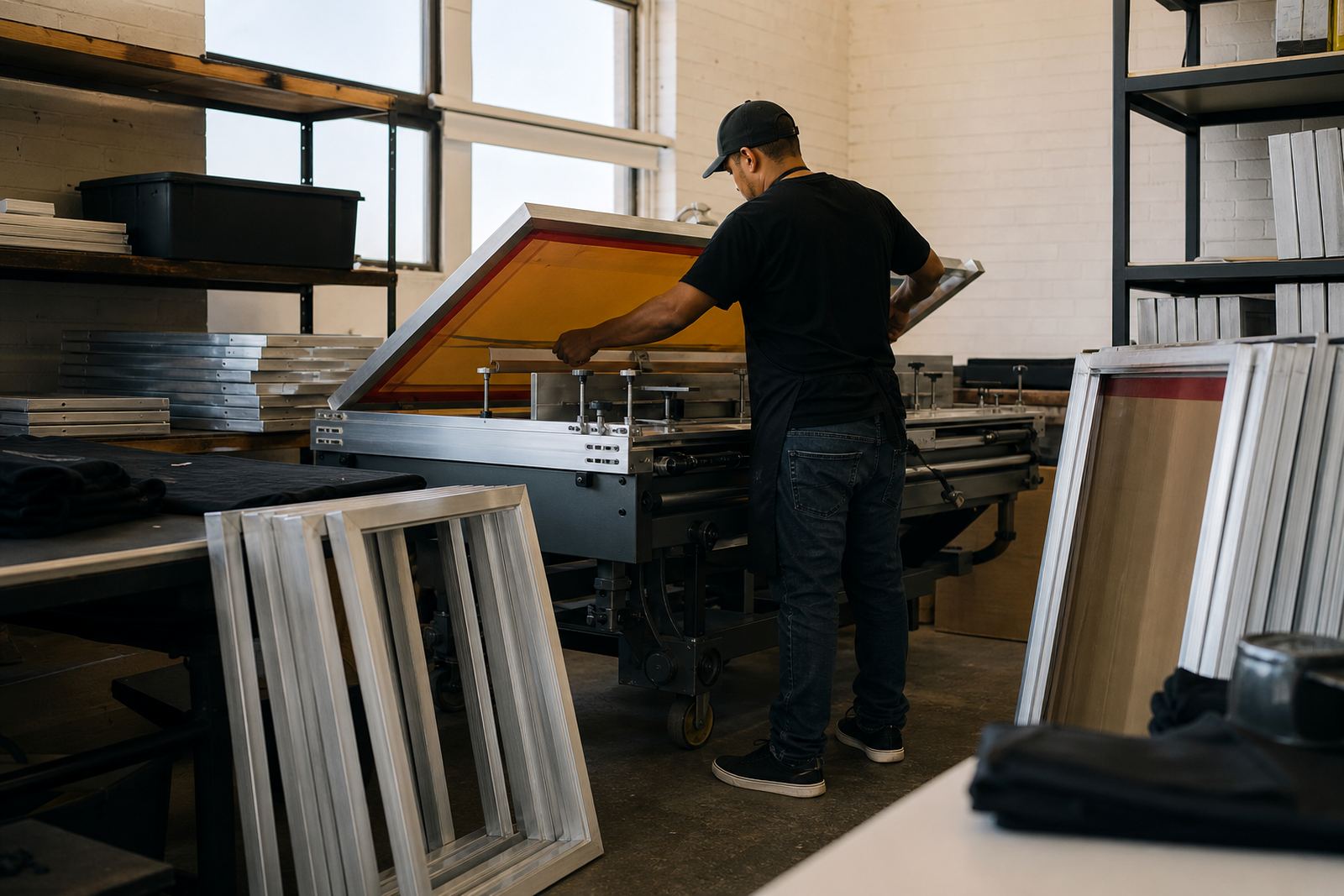
We supplied newly stretched aluminium frames for standard garment printing use. The work included frame inspection, mesh removal where needed, adhesive application, controlled stretching and final tension checks. Each frame was cleaned before stretching so dust and old adhesive would not interfere with the bond. The result was a set of screens ready for emulsion work and daily press use.
Because the client runs uniform jobs, the screens had to be practical rather than oversized. We matched a standard production format that suits common garment layouts, with enough print area for school logos, names and simple front or back placements. The frames were checked for straightness and the mesh tension was set evenly so the printer would get predictable stencil behaviour across the run. That matters when you are doing a lot of shirts in one batch, because small tension differences can show up on the print.
- Material: aluminium screen-printing frames
- Service: new screen stretching and inspection
- Prep: cleaning, mesh removal and adhesive application
- Checks: tension consistency and frame condition
Two-Week Turnaround To Meet The Queue
The project moved from enquiry to completed handover in two weeks. In week one we confirmed the frame sizes, checked the quantity needed and scheduled the stretching sequence around our workshop load. In week two we finished the stretching, carried out final inspection and prepared the order for collection and delivery coordination. The client wanted a tight timeline, but not a rushed one and that was doable with clear sizes and a fixed schedule.
We kept the process straightforward so the printer could plan around it. There was no need for back-and-forth once the sizes were agreed. The screens were made ready in one batch, which reduced handling and helped keep the tension consistent across the order. That made the changeover easier for the production team when the school work came in.
- Week 1: size confirmation and workshop scheduling
- Week 2: stretching, inspection and handover prep
- Total timeline: 2 weeks
- Outcome: screens ready for term production
How The Printer Used The New Screens
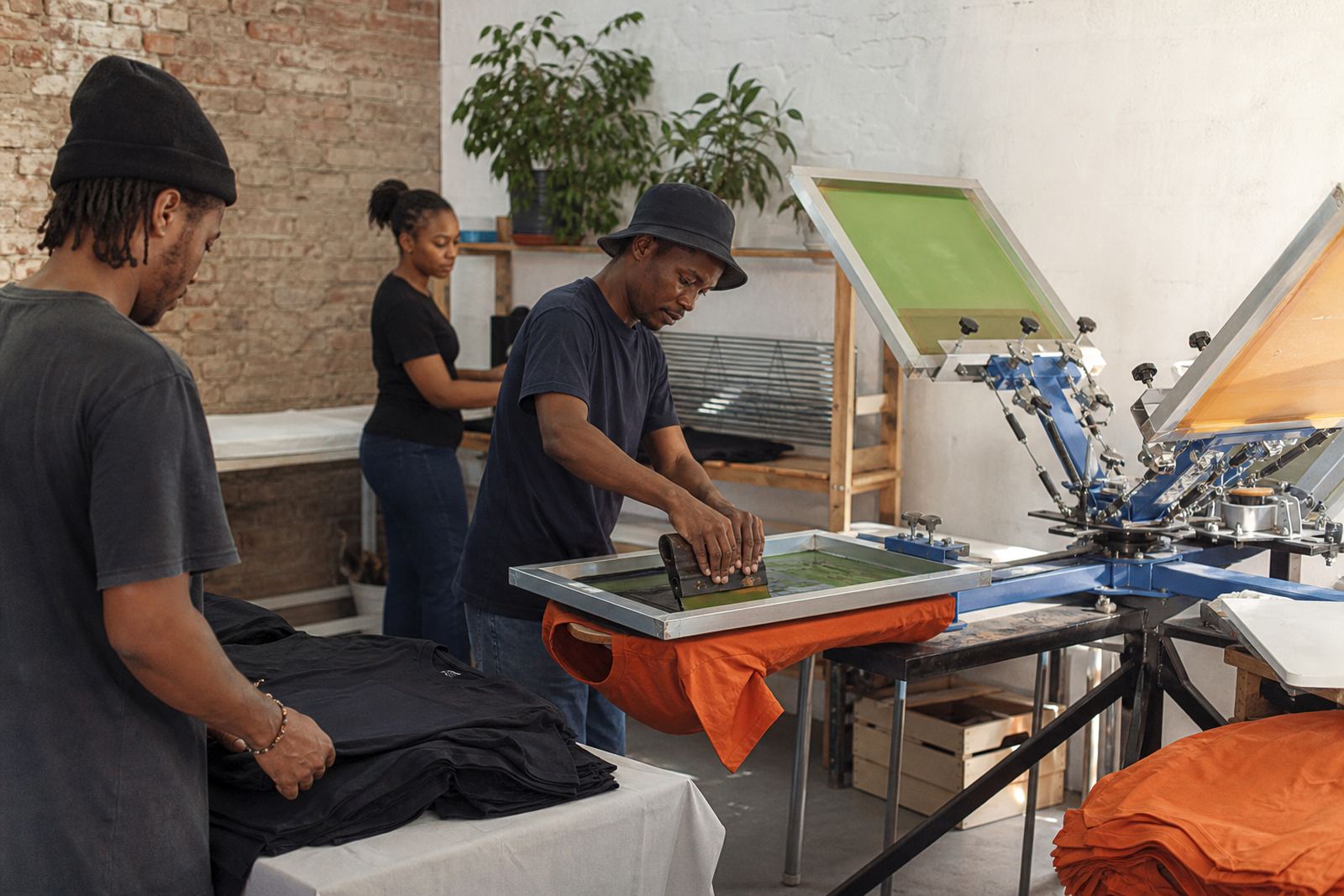
Once the screens were in use, the printer had a cleaner setup for repeated schoolwear orders. The even tension helped with cleaner stencil behaviour and reduced the usual stop-start adjustments that happen when old screens start to sag. For a uniform printer, that means less waste, quicker setup and a better chance of keeping the production line moving when orders stack up.
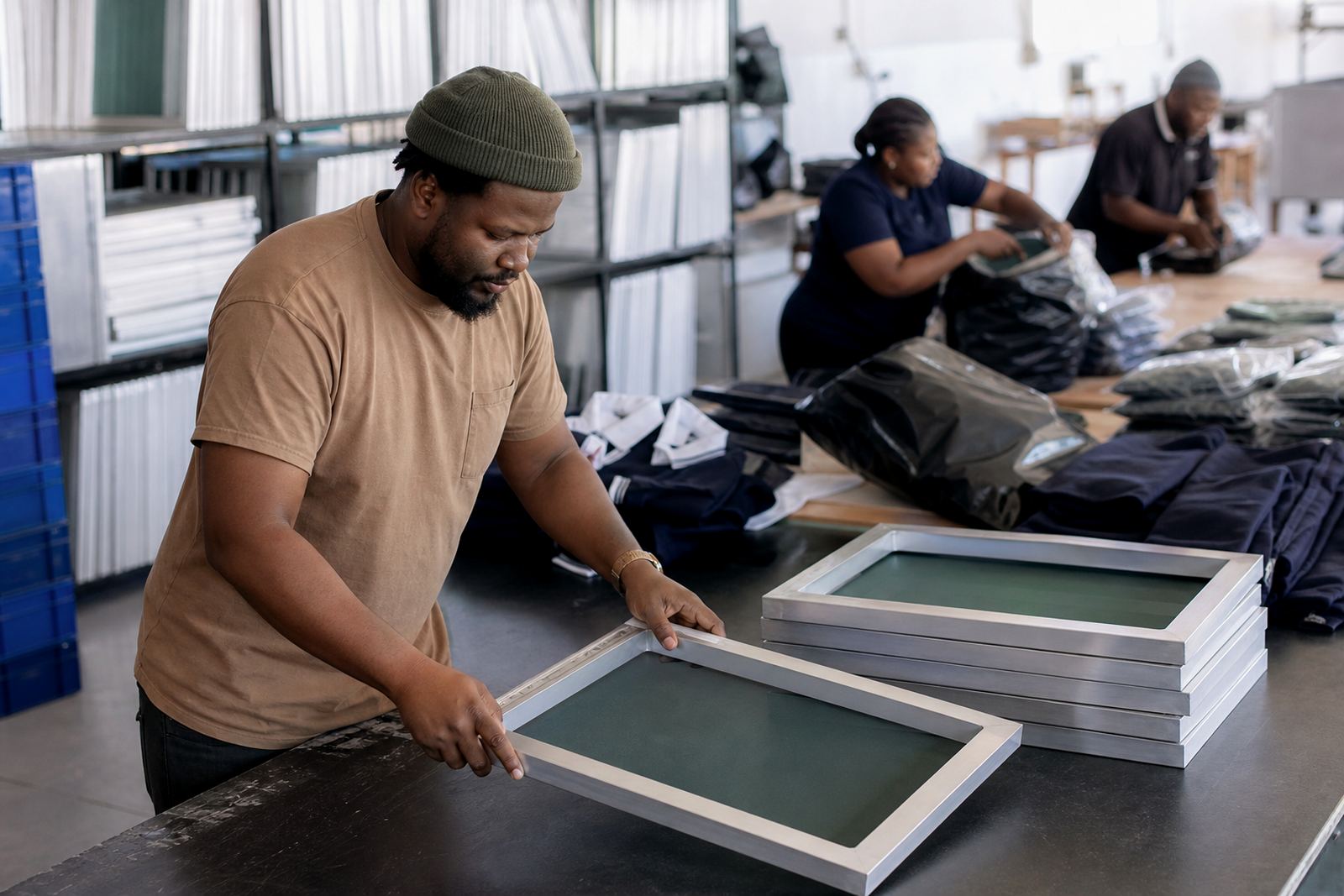
They also had better control over storage and handling. Fresh screens are easier to label, stack and reuse because the frame condition is known from the start. In a busy room, that saves time every day. The team said the new screens were lighter to manage than some of the older stock, which helped during longer runs. It sounds small, but on a full production day small savings add up quick.
- Cleaner setup for repeated uniform runs
- Less adjustment during printing
- Better storage and handling on the workshop floor
- More predictable output across the batch
What We Would Do Again For A Similar Order
If we had the same brief again for another schoolwear printer in Pinetown, Chatsworth or Springfield Park, we would keep the same approach: confirm sizes early, stretch in one controlled run and build in a short window for final checks before handover. That keeps the order moving without cutting corners. For term work, the best result usually comes from simple planning and steady workshop discipline.
We would also recommend a fresh inspection of existing screens before the school season starts. Some can be restored, some should be replaced, and it helps to know that before the rush begins. For clients who run strong seasonal demand, it is worth ordering a bit ahead so the screens are ready before the queue gets long. That prevents a last-minute scramble and keeps the press busy when it matters most.
- Confirm sizes before the season starts
- Stretch in one batch for consistency
- Allow time for final inspection
- Review old screens early, not after they fail
Key facts
| Project | Pinetown School Order |
|---|---|
| Client type | Schoolwear and uniform printer |
| Town | Pinetown, KwaZulu-Natal |
| Product supplied | Newly stretched aluminium screen-printing frames |
| Turnaround | 2 weeks |
| Services used | New Screen Stretching, Frame Cleaning, Adhesive Application, Tension Checks, Frame Inspections |