
Summer campaign brief from Durban
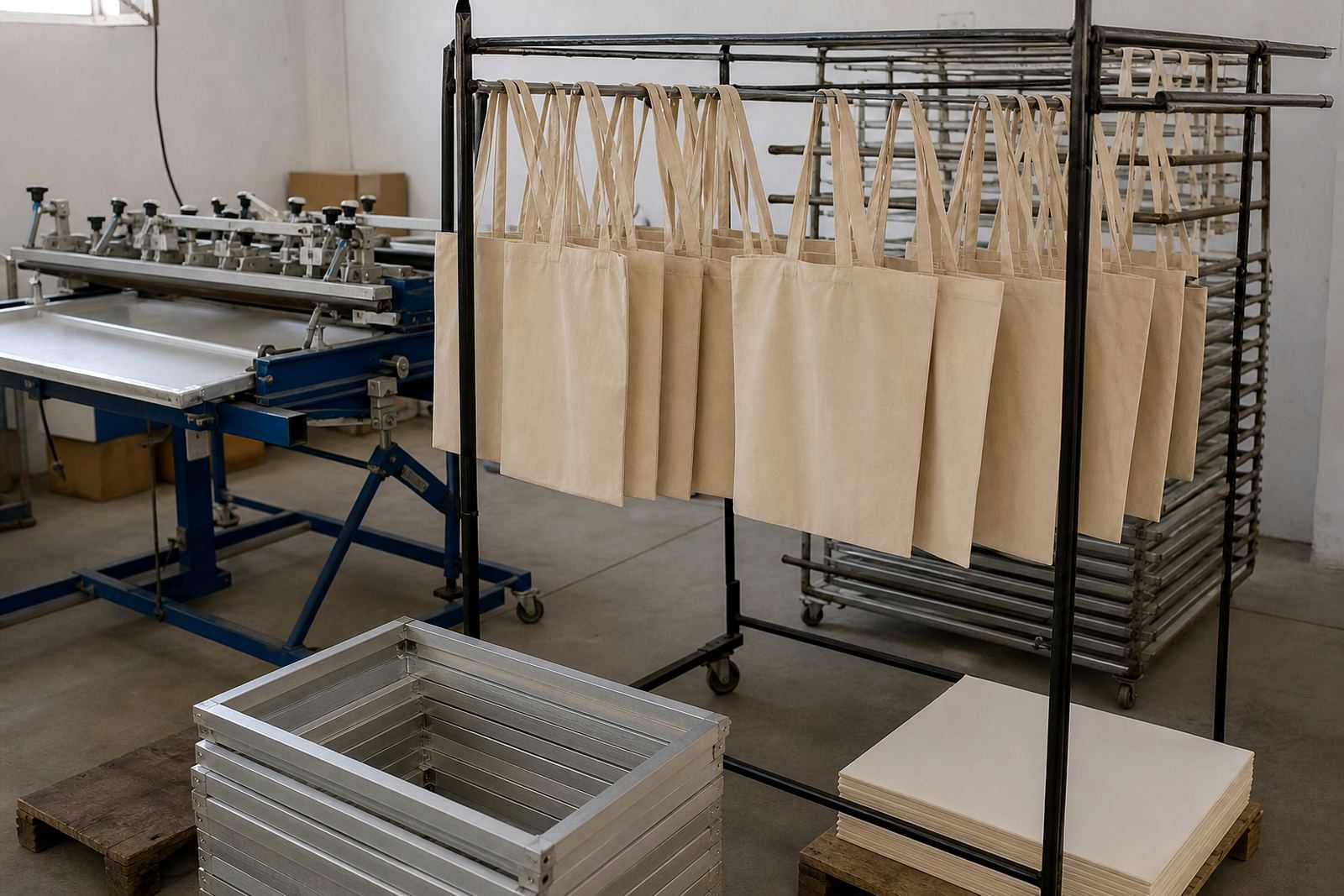
The client was a promotional printer working in Durban, handling a summer run of branded bags for a retail activation and a few matching garment items. The job needed frames that could keep up with quick turnarounds, regular colour changes and a busy workshop where the same screens would be washed down and reused through the season. They wanted dependable tension on both flatstock and bag frames, with enough size options to cover small logos and wider artwork panels.
The brief was straightforward on paper but tight in practice. The campaign was set to start during a high humidity stretch, with deliveries due before a weekend activation and very little room for rework. The printer asked for frames that would hold mesh well, resist twist during handling, and stay consistent after repeated cleaning. We also had to keep the setup practical for a team working through load-shedding windows and limited drying time between jobs.
What the workshop needed to solve
Durban heat and coastal moisture can expose weak stretching and poor adhesive work very quickly. The client had used older frames that began to lose tension after a few washes, especially on wider bag screens where the print area had more open surface. Their main concern was not only print quality, but speed. They needed a batch that would arrive ready to fit, with less time spent adjusting frames in the workshop.
- Flatstock frames for standard garment printing sizes
- Bag frames for larger, wider print areas
- Reliable tension for repeated washout and reuse
- Clean frame surfaces for proper adhesive bonding
- Fast turnaround to match campaign dates
We checked the artwork sizes against their press setup and confirmed the frame mix before stretching began. That avoided the common problem of getting frames that are technically sound but awkward to run on an existing table or screen rack. The aim was simple: fit once, print cleanly, and keep the batch moving.
Frames and screen work we supplied
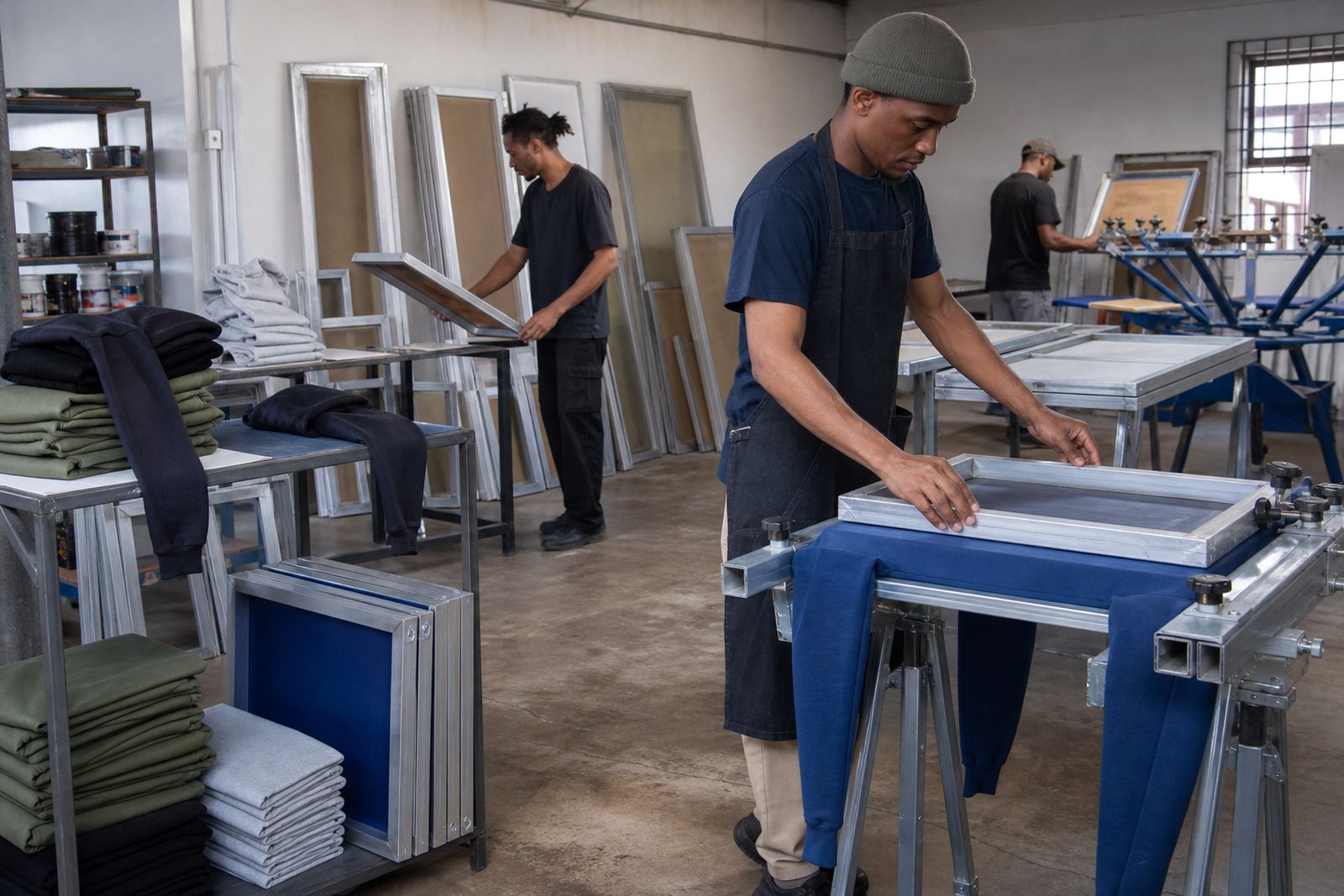
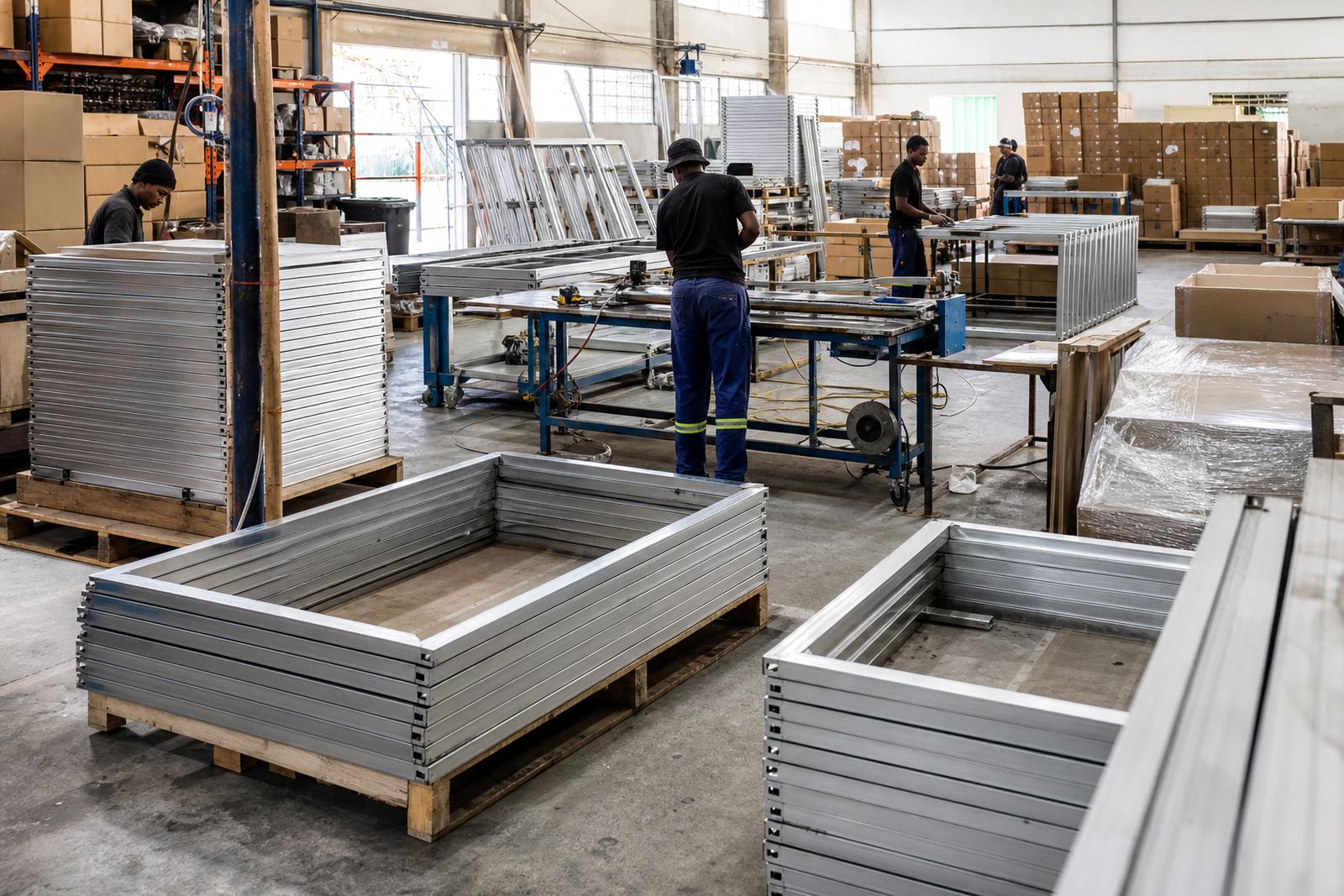
We supplied aluminium screen-printing frames and stretching for both the flatstock and bag runs. The frames were cut to the required sizes for the client’s press work, then cleaned, checked and prepared for mesh application. Each screen went through a tension check before release so the printer could move straight into production instead of spending time on workshop corrections.
For this project we handled the full prep sequence, including adhesive application and frame inspection. Where needed, we removed old mesh and prepared the frame surface again so the new stretch would bond correctly. The bag frames were built for broader artwork placement and the flatstock frames were set up for a cleaner, more compact print area.
- New screen stretching for fresh campaign work
- Restretch existing frames where the frame was still sound
- Mesh removal and frame cleaning before rework
- Adhesive application for secure bonding
- Custom size stretching to suit the press setup
The client also asked for a few spare frames to cover likely artwork changes during the campaign. That buffer helped them keep printing even when the client side changed the layout or added an extra size for a late promotion.
Timeline and turnaround in weeks
The full job was completed over 2 weeks from confirmation to handover. In the first week, we finalised the required sizes, checked the condition of the existing frames and started stretching the new batch. The second week was used for inspection, tension checks and final preparation for collection and delivery. Because the project was time-sensitive, we kept the work moving in the workshop and split the batch so the client could begin with part of the order while the rest was being completed.
This approach suited the realities of a Durban summer production schedule. When a printer has multiple bag sizes on one campaign, it is often better to stage the work than to wait for a single bulk release. It reduced pressure on their side and gave them enough screens to begin setup while the final items were still being finished.
Results on press and in the washout area
Once the screens were in use, the client reported cleaner print definition and less time spent chasing tension problems between runs. The wider bag frames stayed stable on press, which helped maintain consistent registration across repeated prints. The flatstock frames also held up well during the washout cycle, even with regular cleaning in humid conditions. That mattered because the campaign involved multiple artwork versions and a fair amount of switching through the day.
The practical result was fewer stoppages and less waste. The printer could run the summer bags with more confidence, and their team did not need to keep making small corrections that usually eat into production time. For a business working under tight deadlines, that translated into better output and a calmer workshop.
- Cleaner registration on repeated runs
- Less frame movement during printing
- Better reuse after cleaning and drying
- Reduced downtime during artwork changes
What we would repeat for a similar Durban job
If we were doing the same job again, we would follow the same process with a few practical checks up front. Durban projects benefit from early sizing confirmation, especially when the job includes bags, flatstock and quick changes in artwork. We would also keep a few extra frames in the mix for last-minute campaign changes, because that is often where time gets lost. In a coastal workshop, good prep is worth more than rushing a frame that was never set up properly in the first place.
For printers dealing with summer launches, school promotions or retail runs, the best approach is to match the frame spec to the press first, then build the order around that. It keeps the stretch consistent and makes the screens easier to manage when the work gets busy. That is the part clients usually notice most, even if it happens behind the scenes.
We also recommend asking for screen care advice at the same time as the order. A properly cleaned and stored frame lasts longer, and in places like Durban where humidity can shift quickly, that extra care pays off.
Key facts
| Client type | Coastal promotional printer |
|---|---|
| Project town | Durban |
| Product supplied | Aluminium screen-printing frames and stretched screens |
| Frame types | Flatstock frames and bag frames |
| Timeline | 2 weeks from brief to handover |
| Use case | Summer promotional bag campaign with garment printing support |