
The brief from a busy George apparel crew
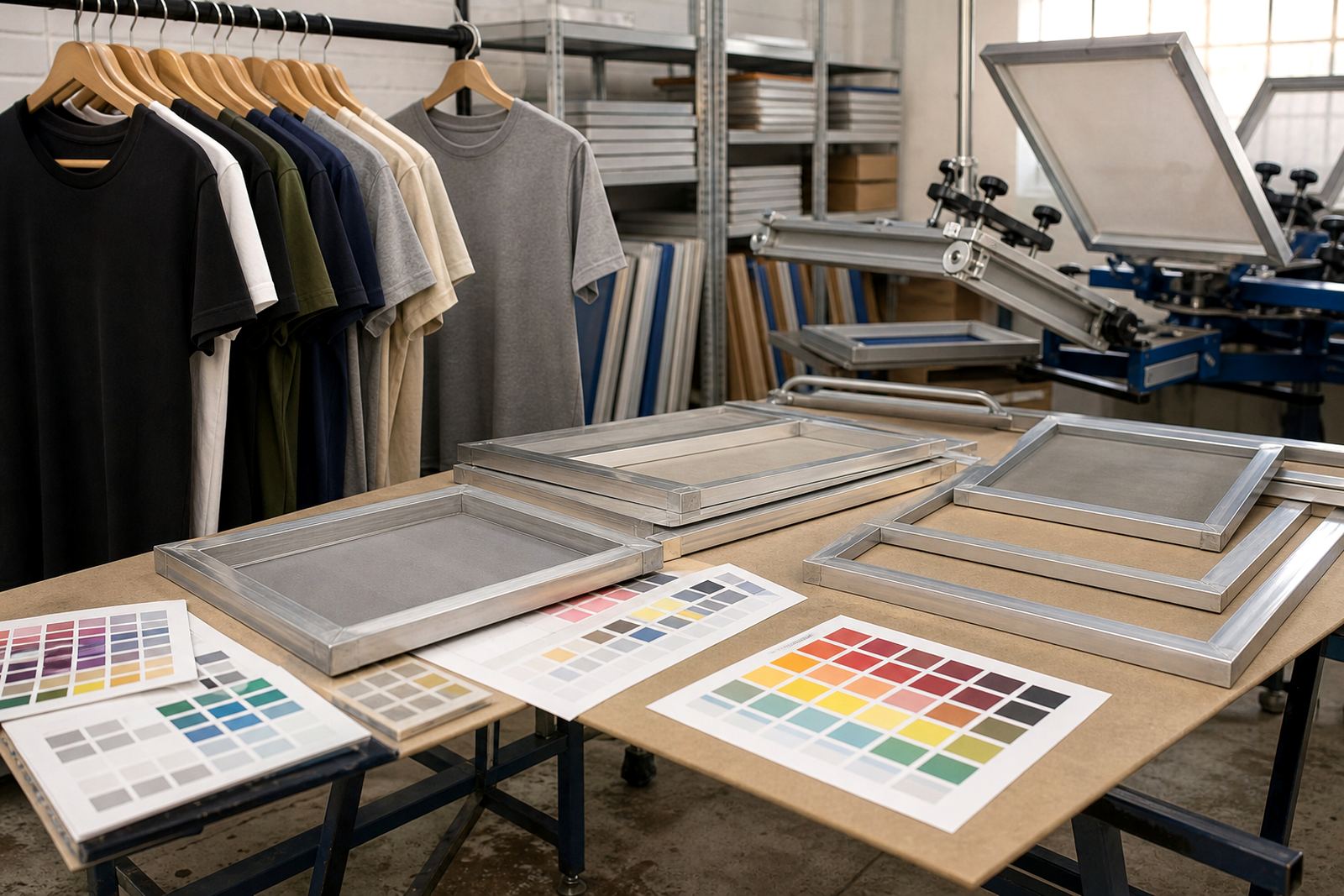
The client was a small garment print team in George working on festival tees, crew shirts and a few supporting items for a summer event run. Their orders were spread across different print sizes, and the job needed to move quickly because stock was being cut, printed and dispatched in stages. They asked for frames that would stay light in the hand, hold tension properly and cope with repeated use during a busy two week print window.
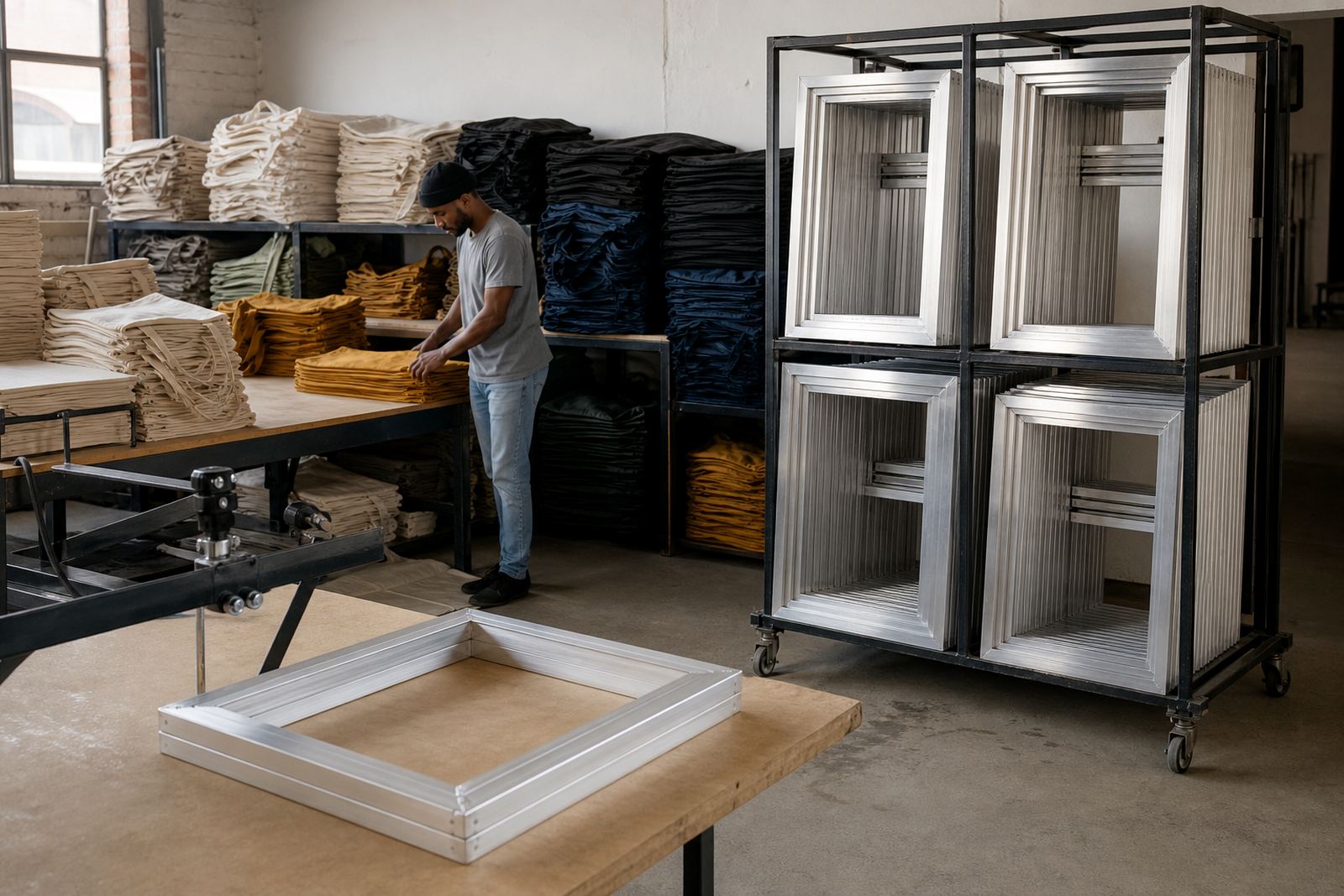
The main request was simple enough, but the timing was tight. They needed frames that could be handled easily by one person, stacked neatly in a compact workshop, and trusted for sharp prints on cotton tees and blended garments. With coastal humidity in the Garden Route, they also wanted a setup that would not give them trouble when the weather turned damp. That meant careful stretching and clean frame preparation from the start.
- Client type: small garment printer in George
- Job type: seasonal festival tee production
- Need: lightweight frames with consistent mesh tension
- Use case: repeated garment runs across several sizes
What we measured before stretching anything
Before any frame was prepared, we checked the print sizes, mesh count requirements and the handling needs of the workshop. The client was switching between front prints, back prints and a few smaller support marks, so the frame set had to be practical rather than oversized. We matched the frames to the artwork layout and made sure there was enough margin for clean registration and easy reclaiming after the run.
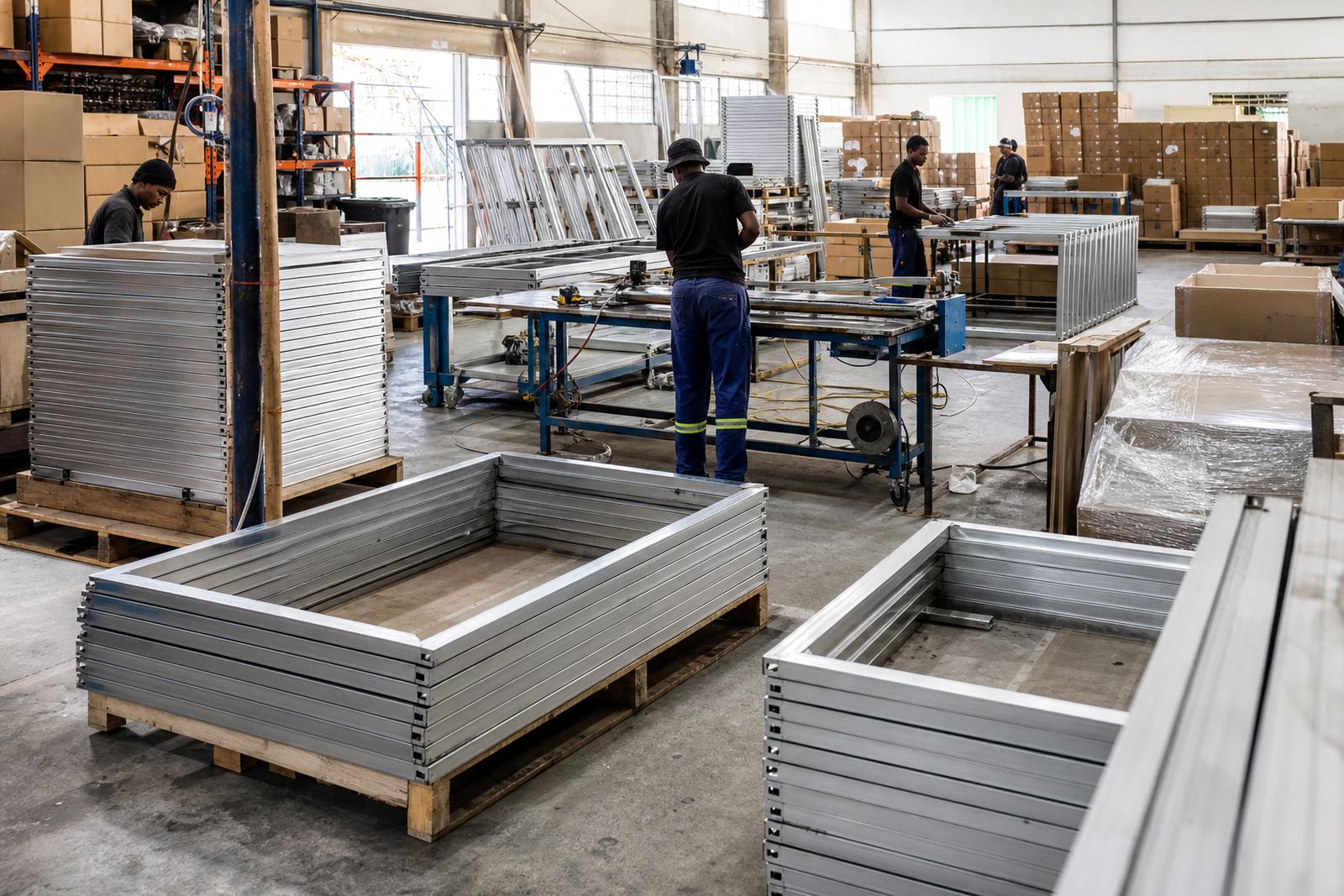
Because the order was for seasonal work, we suggested aluminium frames instead of heavier alternatives. The client needed speed, not bulk. Aluminium keeps the frame weight down, which helps during long printing sessions and reduces strain when screens are moved between wash-up, drying and print stations. We also checked that the frame edges were clean and ready for proper adhesive application, since any rough patch can affect screen life and tension stability.
- Frame material: aluminium for low weight and easy handling
- Screen use: garment decoration on tees and light apparel
- Stretching focus: even tension for repeat printing
- Workshop need: compact stackable frames for a small space
How we prepared the screens for the run
We carried out new screen stretching on the required frames and handled the usual preparation steps, including mesh removal on a few existing units, frame cleaning, adhesive application and tension checks. A few older frames were brought in for restretching rather than replacing, which helped the client save money and keep the order on schedule. We also inspected each frame for alignment, corner condition and any signs of wear before stretching.
The work was done to suit quick turnaround printing. That meant consistent tension across the full screen area and a finish that would hold up during repeated squeegee passes. We kept the setup practical for a team working through changing order quantities, and we made sure the screens would sit correctly on the press without extra fiddling. It sounds basic, but the small things save time every single day.
- New screen stretching on selected aluminium frames
- Restretching of usable existing frames
- Mesh removal and full frame cleaning where needed
- Adhesive application and tension checks before release
Timeline and delivery to the Garden Route
The project ran over 2 weeks from first enquiry to delivery. Week one covered sizing, frame assessment and the stretching plan. Week two covered the actual preparation, inspection and handover. The client needed the order split in a way that would not hold up the print schedule, so we planned the work around their production stages and arranged pickup and return options to keep things moving.
For a George-based operation, timing matters. Festival work can jump from calm to rushed very quickly and any delay causes a knock-on effect through the rest of the week. We coordinated the order so the client could start with the first batch of screens while later frames were still being completed. That let the workshop keep printing instead of waiting for the whole job to be finished in one go.
- Week 1: brief, sizing and frame assessment
- Week 2: stretching, inspection and handover
- Delivery support: pickup and return arranged for staging
- Order flow: staggered release to match print schedule
What changed on the shop floor
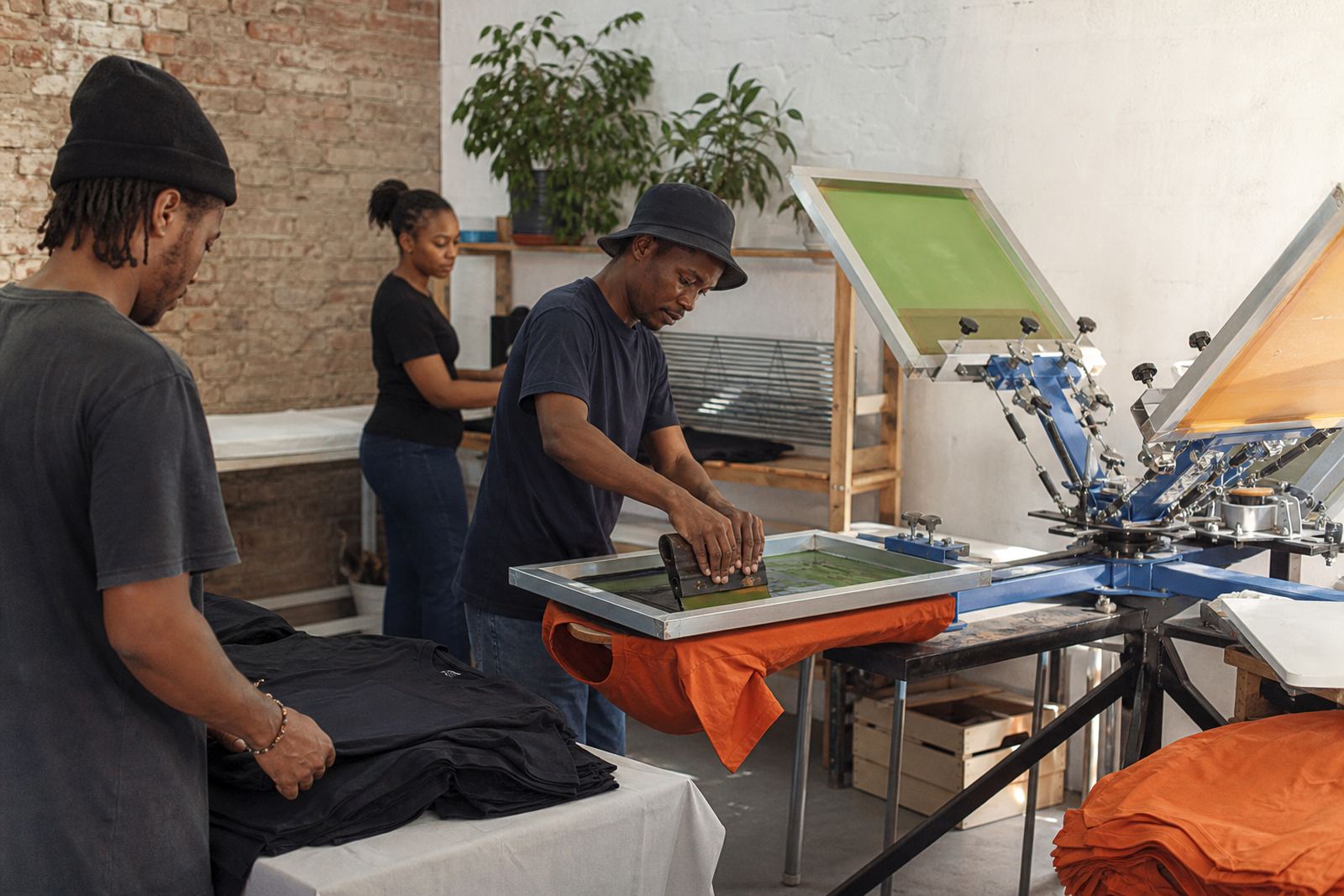
Once the frames were in use, the client reported steadier printing and less time spent adjusting screens between runs. The lighter aluminium frames were easier to move around the workshop, especially when the team was pushing through a high volume of tees in warm weather. They also found that the consistent mesh tension helped keep their print detail cleaner from the first garment to the last.
The biggest gain was practical. The crew could work faster without fighting the equipment. Screens were easier to store, easier to wash down and easier to return to the press after cleaning. The result was less wasted time and fewer hold ups during a production day that already had enough pressure on it. For a seasonal run, that kind of consistency matters more than fancy promises.
- Faster screen handling during production
- Better consistency across multiple garment sizes
- Less strain when moving screens around the shop
- Cleaner print results through steady tension
What we would repeat for the next seasonal run
If we were doing the same George festival job again, we would repeat the same approach: confirm the print sizes early, match the frame count to the real order volume and keep the stretching schedule tied to the client's production plan. We would also recommend a simple screen care routine so the frames stay in better condition between runs, especially where humidity and frequent washing can shorten screen life.
For garment printers working in George, Cape Town, Durban or anywhere along the coast, the lesson is straightforward. Use frames that suit the pace of the job, not just the size of the artwork. A lightweight aluminium set-up with proper tension and clean preparation makes seasonal work far easier to manage. This project showed exactly that, and it gave the client a set of screens they could keep using for future event orders.
- Repeat the sizing step before any stretching starts
- Plan for humidity and drying time in coastal towns
- Keep a screen care routine between seasonal jobs
- Use lightweight frames for faster workshop handling