
When Restretching Makes Sense
Restretching is the right call when the frame is straight, the corners are true and the aluminium still has enough life left in it. If the mesh has lost tension, the stencil starts to soften, or you are seeing uneven print pressure, a fresh stretch can bring the frame back into shape.
For garment printers in Cape Town, Johannesburg, Durban, Pretoria and Gqeberha, restretching is often the practical choice when you need to keep production moving without replacing a whole run of frames. It also helps when your workshop is working with mixed stock and you need a few sizes matched again for consistent registration.
- Loose mesh or visible sagging
- Worn adhesive or failed bond lines
- Frames that are still straight and usable
- Print quality dropping off even though your artwork is correct
What We Check Before New Mesh Goes On
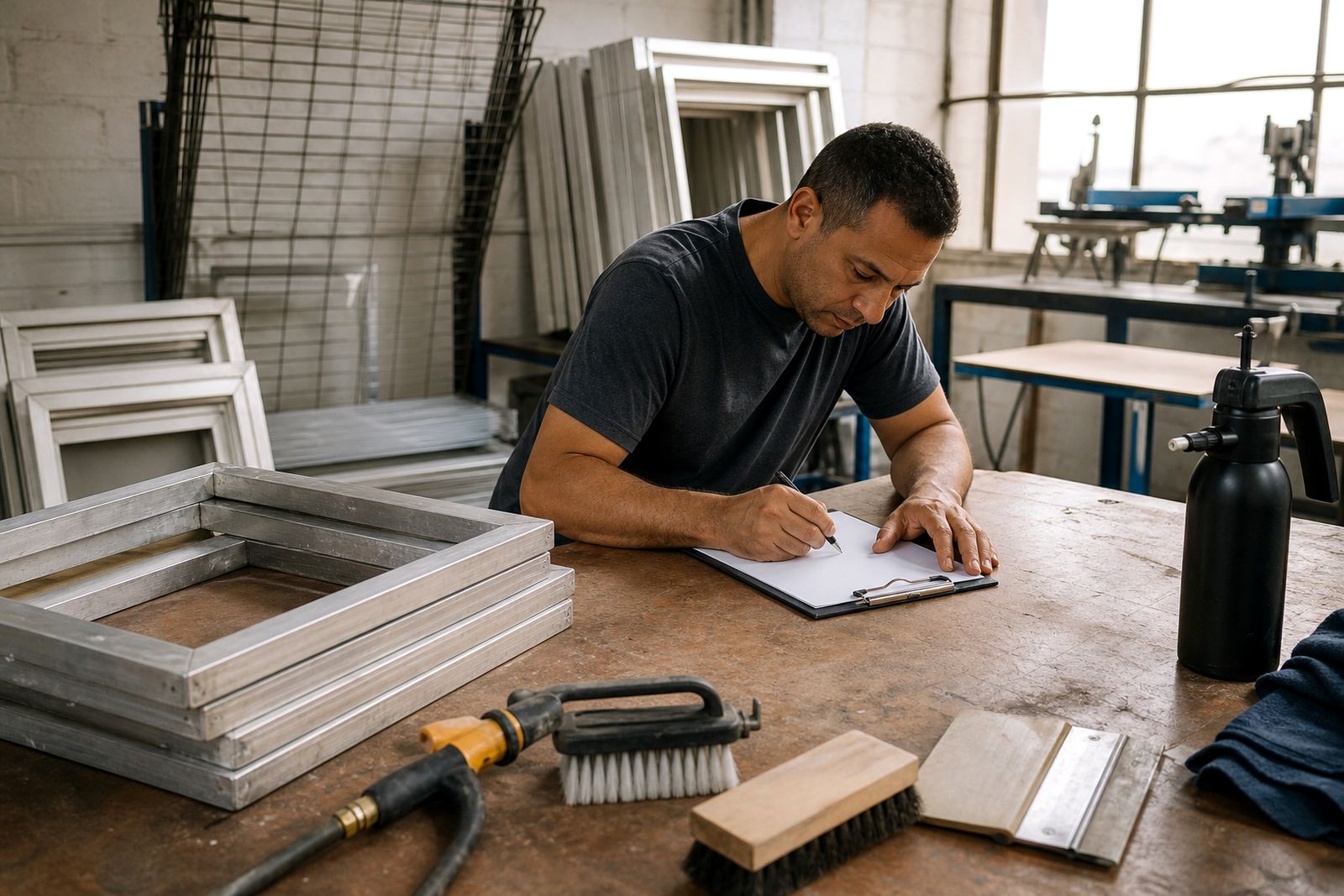
Every frame should be checked before it gets new mesh. A proper inspection helps avoid wasting material on a frame that is bent, twisted or damaged around the corners. In the workshop, we look at the aluminium profile, the edge condition and whether old adhesive or mesh residue must be removed first.
If a frame has been stored in a humid room or near a wash bay, we also check for corrosion, glue build-up and warping. Coastal air in Cape Town and Gqeberha can be hard on equipment, so small issues need attention before they become a bigger problem.
- Frame straightness and square corners
- Surface condition and adhesive residue
- Previous mesh removal needs
- Signs of damage, twisting or fatigue
How to Prepare Frames for Collection or Drop-Off
You do not need to do a full workshop clean before sending frames in, but a little preparation helps the job move faster. Remove loose ink, label any special sizes, and tell us if you want a custom mesh count or a specific application for garment work. If you are sending multiple frames, keep like sizes together where possible.
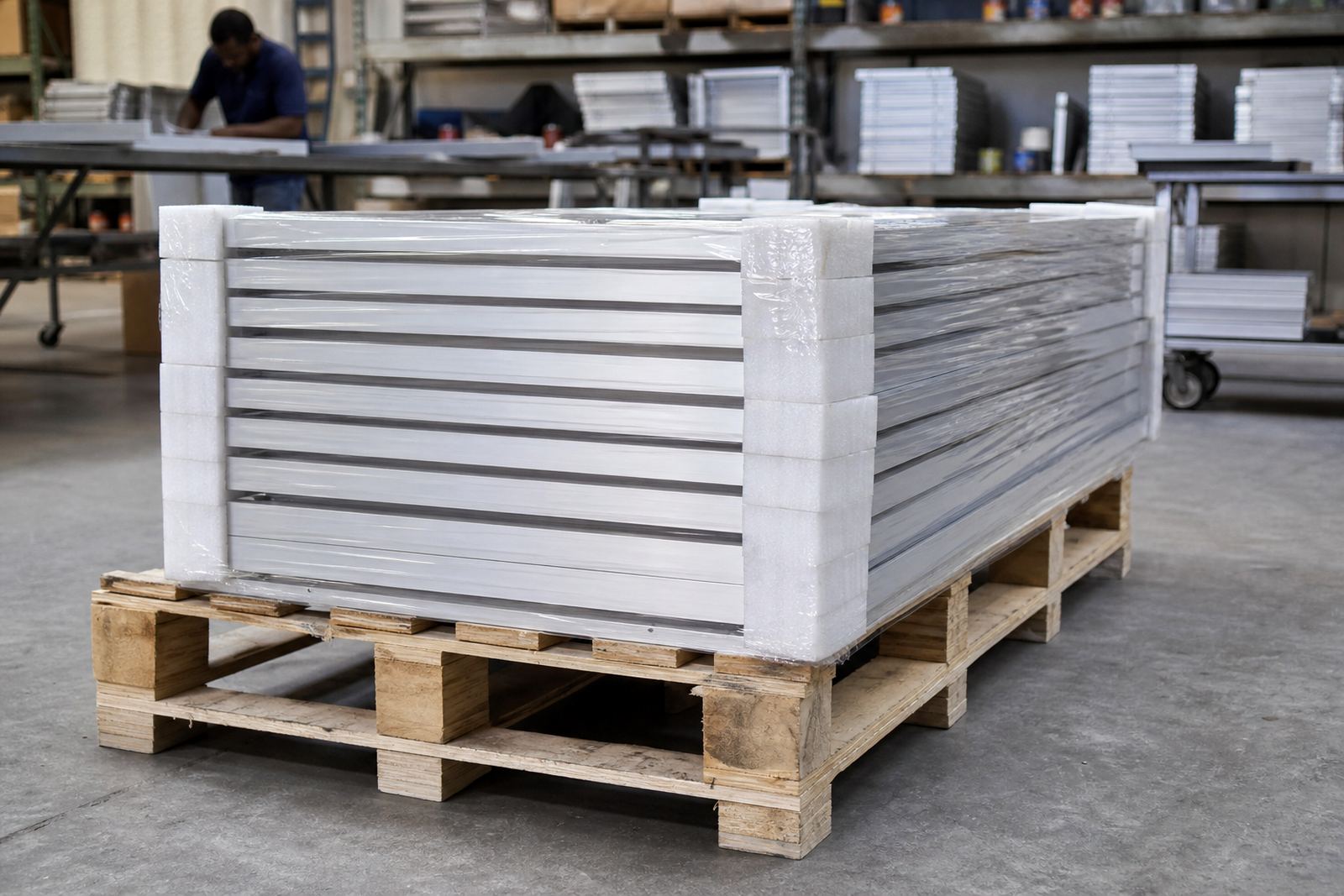
For customers using pickup and return or coming through Bellville collections, clear packing makes a big difference. Stack frames so they cannot rub against each other, and make sure the notes say which frames need restretching, which ones need cleaning, and which ones may only need inspection.
- Remove obvious ink and tape scraps
- Mark the frame size if it is not standard
- Separate frames that need different services
- Pack to prevent bending during transport
What Happens During Restretching
Once the frame reaches us, the old mesh is removed and the frame is cleaned down properly. The surface must be ready for a fresh adhesive application, otherwise the bond may fail later. After that, new mesh is stretched and fixed to the frame with tension set for the intended use.
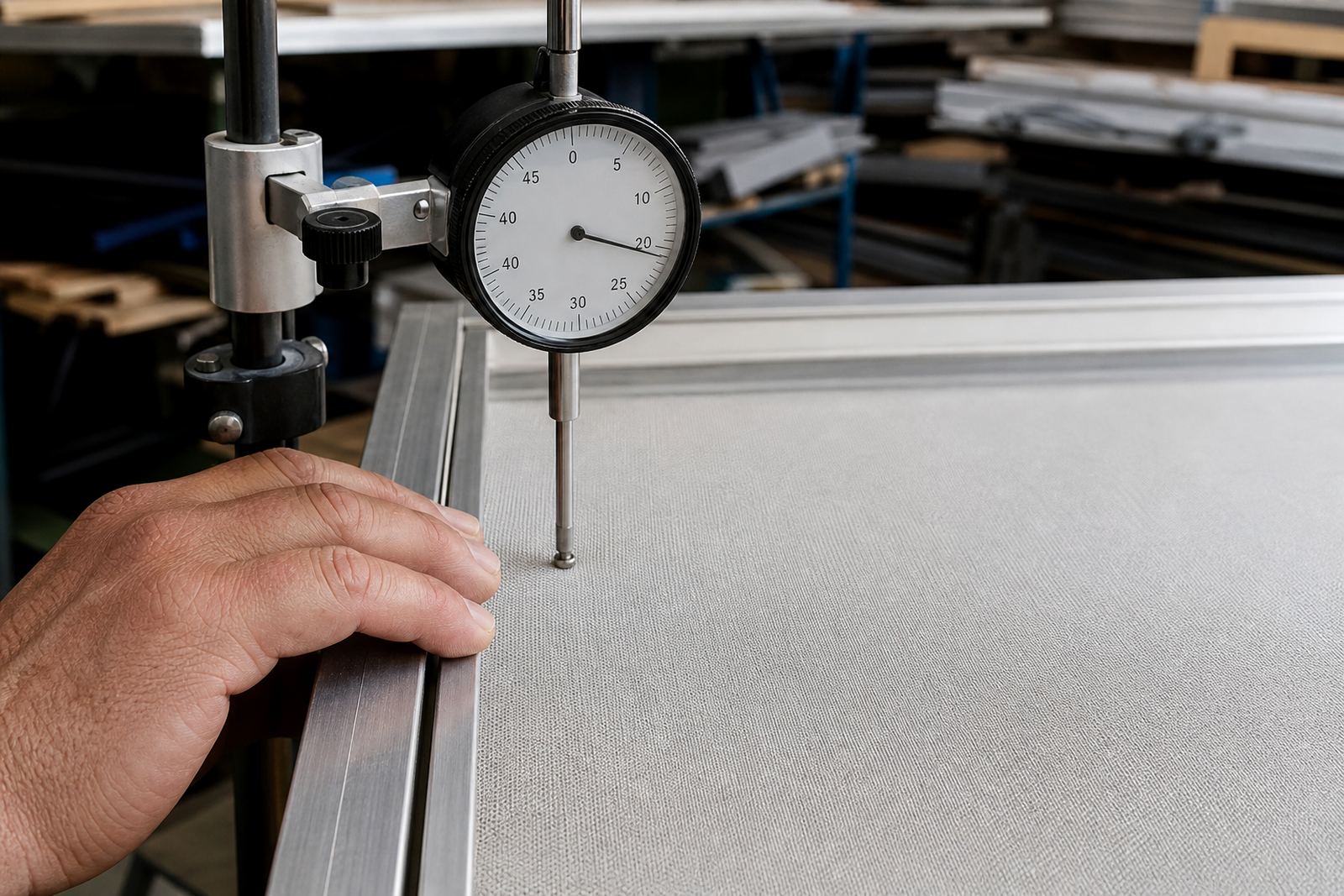
We carry out tension checks so the screen is not too loose on one side and over-tight on another. That balance matters when you are running multiple prints in a shift, especially if load-shedding interrupts your day and you need screens that still hold registration when production restarts. A well prepared frame should print more consistantly and give you less rework.
Turnaround, Urgent Orders and Bulk Runs
Turnaround depends on how many frames come in, what condition they are in, and whether they need extra cleaning or repairs before stretching. Smaller jobs can move quickly, while bulk screen orders are scheduled so the workshop can keep quality steady across the set.
If you are working to a deadline for a launch, teamwear order or a seasonal clothing run, ask about urgent turnarounds. We handle work for printers across South Africa, with deliveries and supply routes into Johannesburg, Durban, Pretoria, Gqeberha and beyond from our Maitland base.
- Single frames or repeated sizes
- Bulk batches for production runs
- Urgent work where timing matters
- Pickup and return for larger jobs
Aftercare for Freshly Restretched Screens
Fresh mesh needs a bit of care so it lasts. Avoid rough cleaning, sharp scraping and storing screens where they can pick up dust or pressure marks. In a busy print shop, screens get stacked and shifted often, so use a method that keeps the mesh clear of other frames and off the floor.
Good aftercare also means checking your screens before each run. A quick look for loose corners, residue or damage can save a wasted print day. If you are unsure whether a frame is due for another stretch or just needs a clean, bring it in for advice and inspection.
- Store screens flat or in proper racking
- Keep them away from heat and damp corners
- Wipe down after use, then let them dry fully
- Check tension before important production runs