
Start With Job Mix, Not Just Frame Size
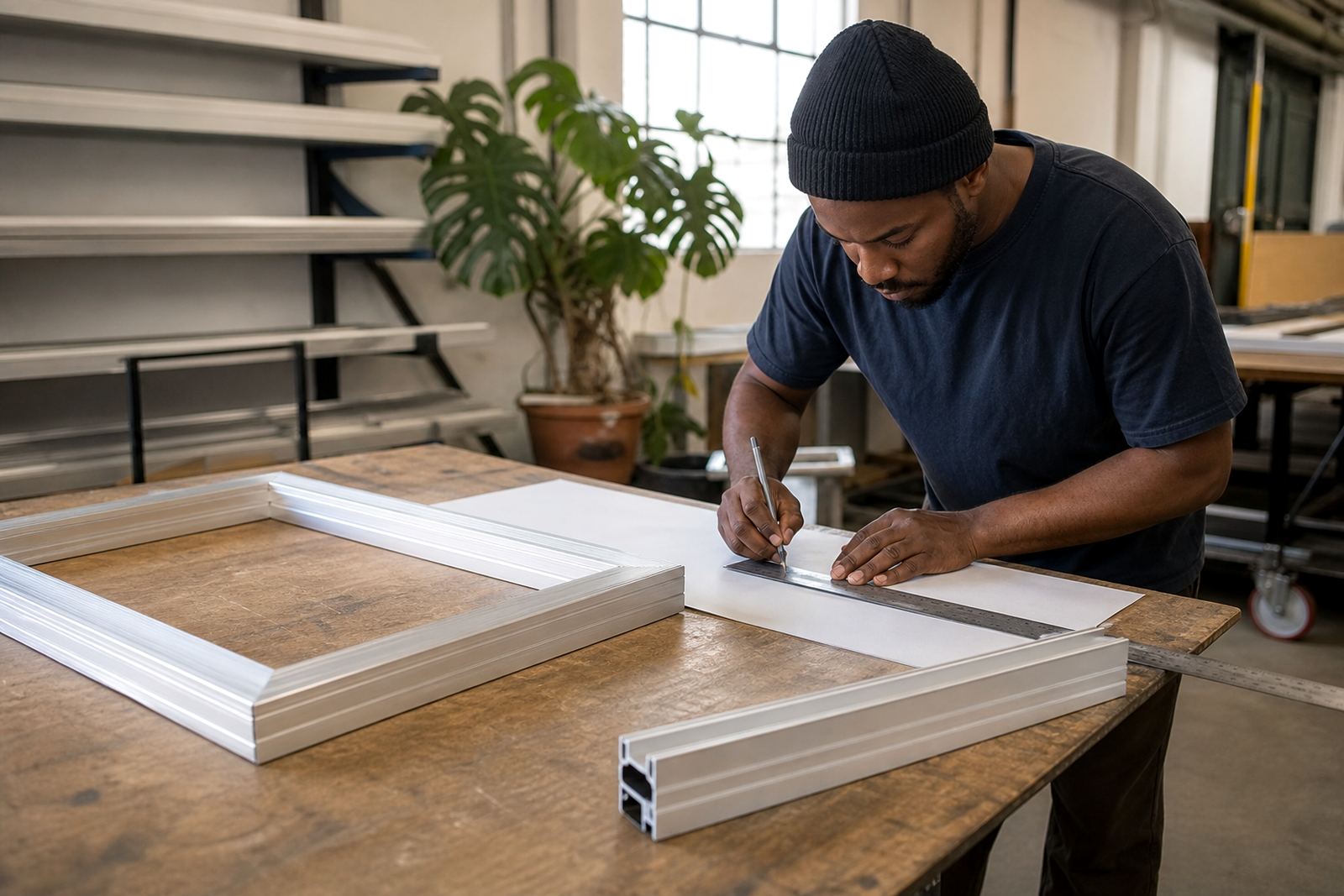
Before you place a bulk order, map the work you actually run each week. A shop doing T shirts, hoodies, tote bags and promo bags will usually need a different mix of mesh counts and frame sizes than a printer focused on high volume single-colour work. Start by listing your top repeat jobs, then note the mesh type, artwork area and how often each job returns.
For South African contract printers, this matters because repeat work often comes back at short notice. If a client in Johannesburg sends a reprint on Monday and you are dispatching to Durban on Wednesday, you do not want to be hunting for the correct frame size or checking old screens that are already tired.
- List your top 10 repeat jobs and the mesh count used for each one.
- Separate standard sizes from custom sizes used for speciality garments.
- Keep a record of which screens are reserved for urgent work and which are for planned runs.
- Check whether your frames fit your current clamps, exposure area and washout space.
Choose Frame Sizes That Reduce Waste
The right frame size saves mesh, adhesive and labour. A frame that is too large for the artwork takes longer to coat and dries slower in humid weather, while a frame that is too small can limit print area and force awkward positioning. In Maitland and along the coast, moisture can slow drying after cleaning and stretching so allow enough space between jobs for proper curing.
For volume work, it helps to standardise around a few core sizes. That makes ink use more predictable and keeps setup times down. If you are running by volume in Cape Town or sending work to Pretoria and Gqeberha, consistency is often worth more than having every possible size on hand.
Keep an eye on these points when selecting sizes:
- Artwork dimensions plus safe border space for coating and handling.
- Machine or manual clamp fit in your workshop.
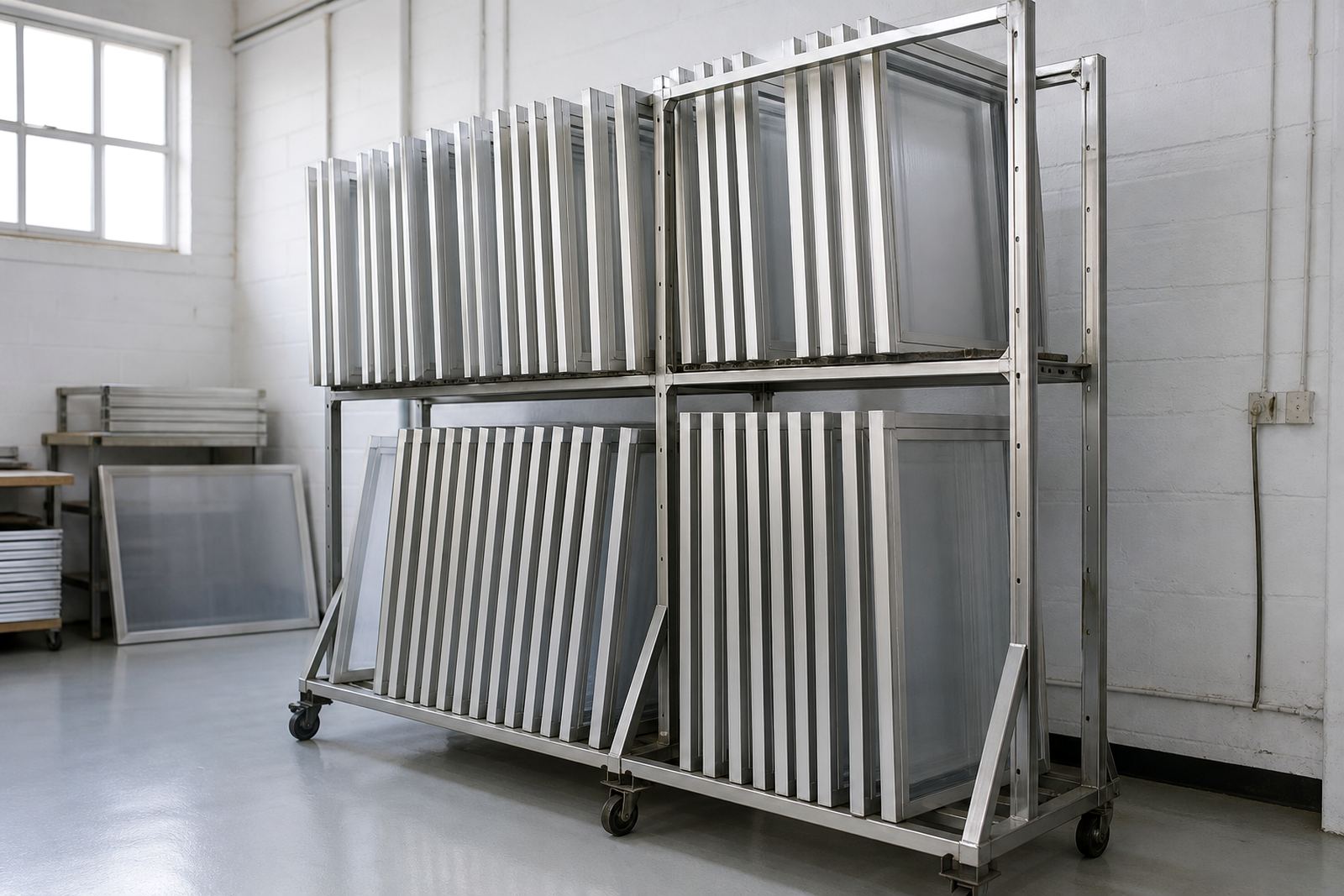
- Storage space for finished screens and work in progress.
- How easily the frame can be cleaned and re-used between jobs.
Plan Stretching Around Peak Production Days
Screen stretching should sit inside your production schedule, not interrupt it. If your team is busiest from Tuesday to Thursday, stretch and inspect screens before the rush. That way the workshop is not trying to do adhesive work, cleaning and dispatch at the same time. Good planning matters even more when load-shedding cuts into the day and you need to protect drying time.
Our team often sees printers lose time because too many screens are stretched at once without a proper queue. A simple job board can prevent mix ups. Mark each screen with the mesh count, order number, artwork size and the date it was completed. It sounds basic, but in a busy shop basic systems save hours.
- Build a weekly stretch schedule around your heaviest print days.
- Leave time for curing, tension checks and final inspection before dispatch.
- Label screens clearly so repeat orders can be pulled fast.
- During humid spells, allow extra drying time after mesh removal or adhesive application.
Check Tension Before It Becomes A Printing Problem
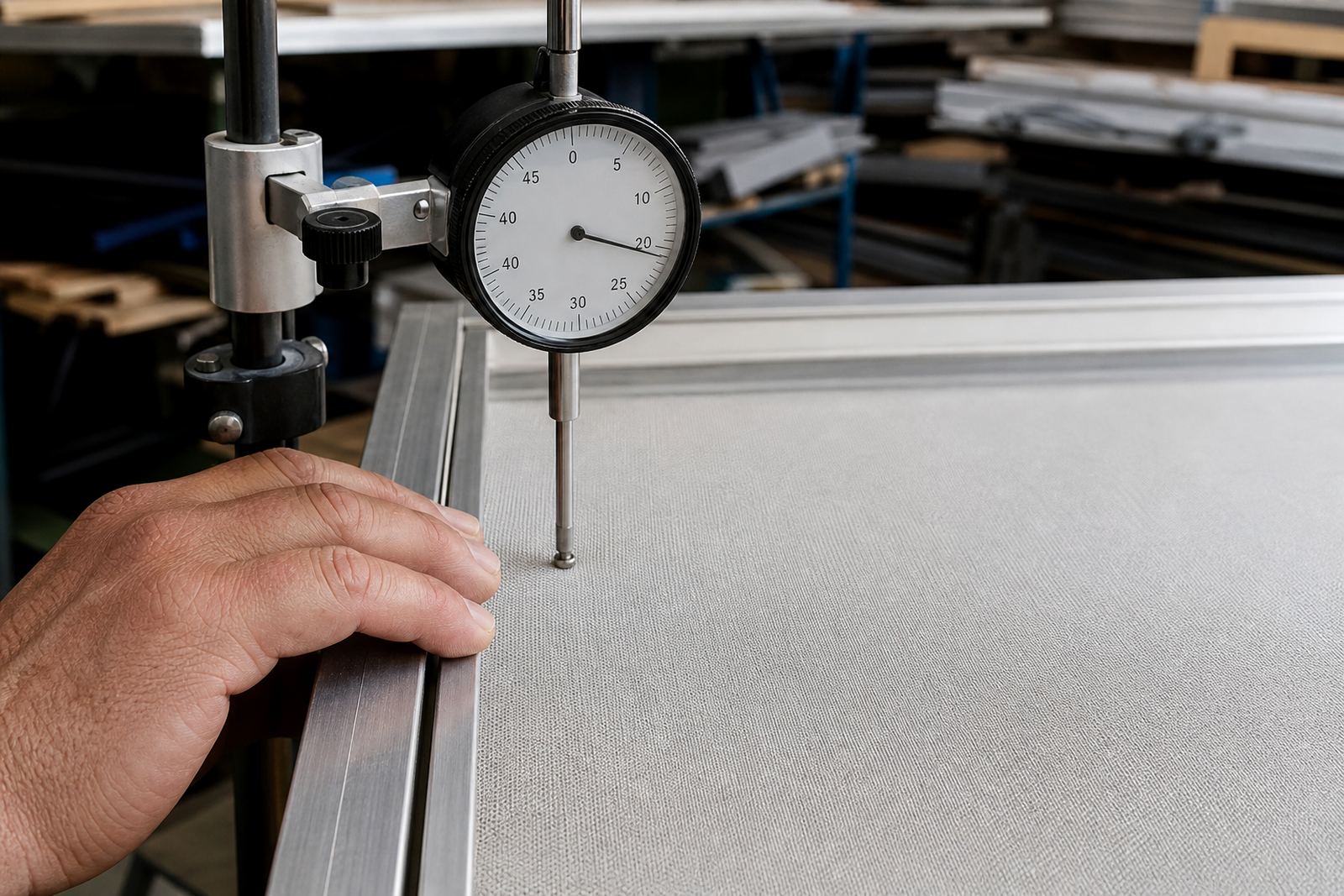
Tension loss is one of the easiest ways to lose print quality without noticing straight away. The screen may still look acceptable but detail starts to soften, registration becomes less reliable and ink deposit changes from screen to screen. For garment printers working with repeat logos or fine text, that inconsistency becomes expensive quickly.
A tension check should happen whenever a screen is received back into the workshop, before a new mesh is fitted and again before the screen goes back out. If the frame has taken damage, or if the mesh has slackened after a heavy wash cycle, it may need full restretching rather than a quick patch. This is where a proper inspection routine makes all the differnce.
- Check for frame warping, dents and loose corners.
- Look for mesh slackness across the full printing area, not only the centre.
- Inspect glue lines for lifting or contamination.
- Confirm the frame is clean and ready for the next job before storage or dispatch.
Keep Cleaning And Adhesive Work Consistent
Frame cleaning and adhesive application are small steps that have a big effect on service life. If old residue is left behind, the new mesh bond can fail early. If adhesive is applied unevenly, tension can be inconsistent across the screen and that affects print detail. A disciplined workshop routine helps keep every frame at the same standard.
In coastal areas such as Cape Town and Gqeberha, airborne moisture and salt can also affect storage. Keep cleaned frames off damp floors and away from open loading bays. If your shop stores finished screens for dispatch to Johannesburg or Durban, wrap and label them so they arrive in usable condition and do not pick up dust in transit.
- Remove all old mesh and adhesive before stretching a new screen.
- Clean frame edges properly so the next bond has a clean surface.
- Store finished screens flat or in proper racks to avoid bending.
- Separate clean screens from dirty returns to avoid cross contamination.
Match Your Ordering Plan To Delivery Routes
Contract printers often lose time because frames arrive in bursts instead of in a planned flow. If your work is spread across Cape Town, Johannesburg, Durban, Pretoria and Gqeberha, think about how delivery timing affects production. A bulk order for one site may be more efficient than several small orders spread across the month, especially when you have urgent turnarounds to manage.
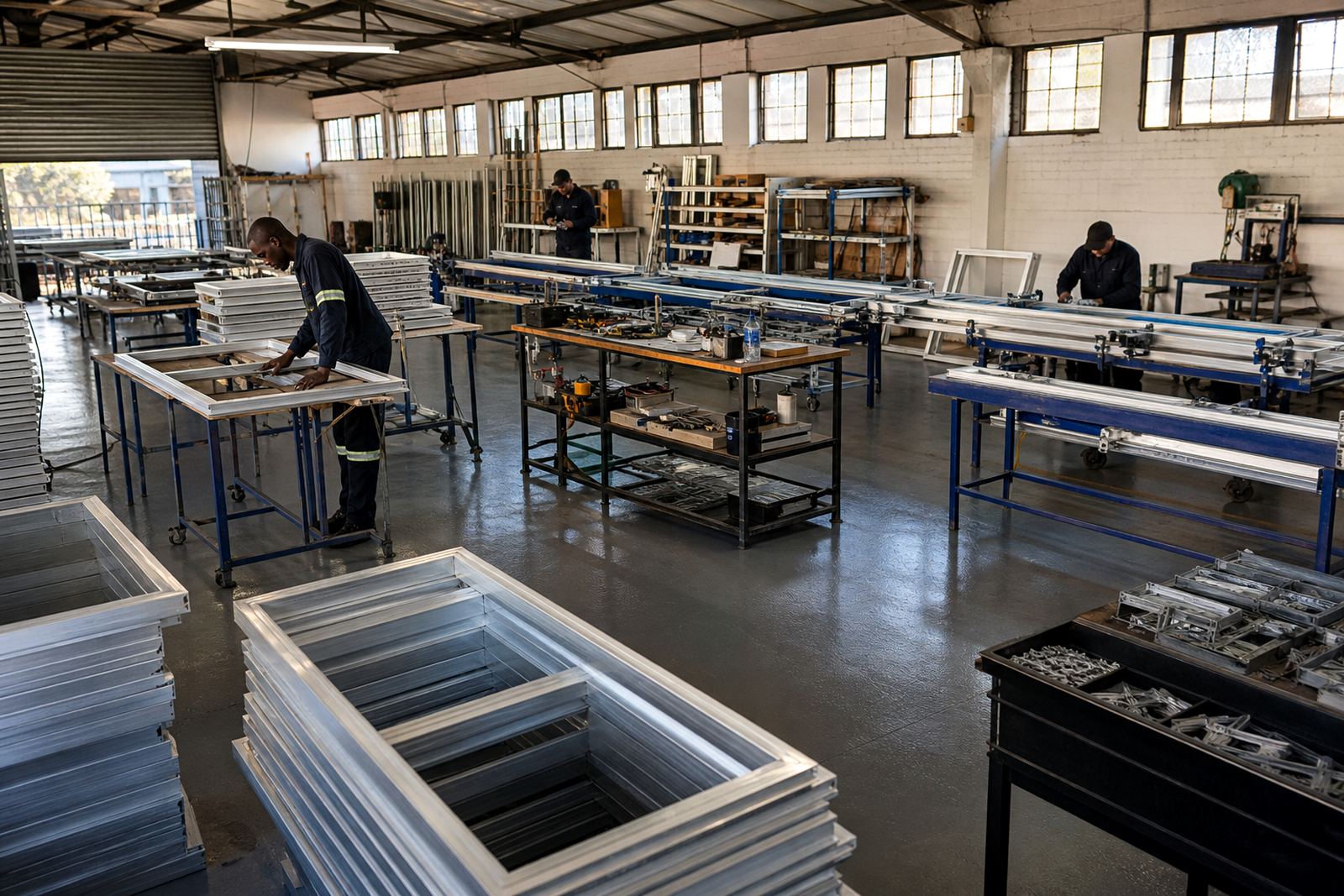
For businesses collecting in Bellville or planning supply through Paarl, it helps to keep a short list of current frame needs by size and mesh count. That way you can combine restretch work, new stretching and inspections into one practical batch. The goal is not just getting frames made, but getting them made in the right order for your print schedule.
Useful ordering checklist:
- Confirm the number of screens needed for each job before placing the order.
- Decide which jobs are urgent and which can wait for the next batch.
- Separate new stretches from restretch work so turnaround stays clear.
- Plan pickup and return around dispatch days to avoid missed collections.
Use A Simple Screen Care Routine Between Jobs
Good screen care starts after the print run, not when the next order arrives. A quick post-job routine helps you keep frames in rotation for longer and reduces surprises when a repeat order lands. That routine can be as simple as inspection, cleaning, drying and storing in the right place. For shops under pressure, simple is often best.
If your team is dealing with volume and variety, assign screen care tasks to specific staff members. One person can inspect, another can clean and another can log the screen back into storage. When everyone knows the next step, screens do not sit untracked on a bench waiting for attention.
- Inspect the frame as soon as it comes back from print.
- Remove ink, residue and adhesive before storage.
- Dry screens fully before stacking or wrapping.
- Keep a basic record of mesh count, size and job history for repeat work.
ScreenFrame works with garment printers who need a practical shop rhythm, whether they are running from Maitland or managing deliveries across the country. The better your planning, the easier it is to keep volume work steady and repeat jobs moving.