
What a frame inspection checks
Our frame inspections look at the parts that matter most when a screen has to hold tension and stay true through repeated printing. We check the corner joints, the profile condition, the bonding areas between frame and mesh, and any signs of bending, corrosion or cleaning damage. In Maitland and along our delivery routes to Johannesburg, Durban, Pretoria and Gqeberha, we see plenty of screens that still look usable but are no longer holding tension properly. That is usually where an inspection saves money.
The inspection also helps us see whether a frame can be cleaned and restretched, or whether it is better to replace it. We look for pinholes, worn edges, loose corners and profile distortion that can throw the screen out by a few millimetres. On garment jobs, even small shifts can affect registration and print repeat. If the frame is still sound, we will recommend the most practical next step not the most expensive one.
How we assess corner strength and frame condition
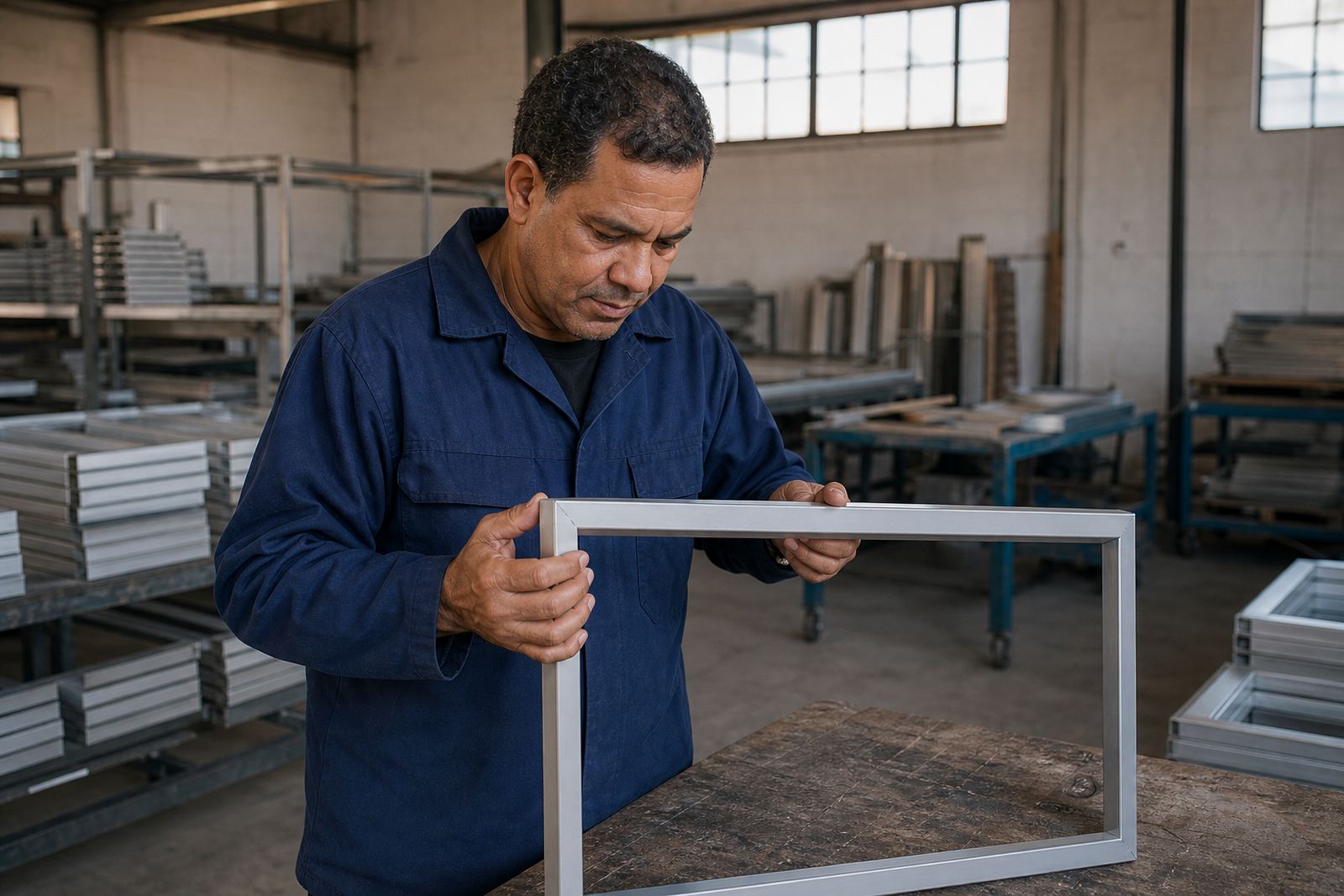
Corner strength tells us a lot about the life left in a frame. We check for opening at the mitre, cracked welds on aluminium joints, and any signs that the frame has twisted from handling or storage. We also inspect the profile itself, because a frame with dents or a bowed edge may not clamp or expose evenly. In workshops where screens are stacked tightly, this is a common issue after transport or rough off-loading.
We pay attention to the bonding area too. If adhesive has lifted, gone brittle, or been affected by solvent exposure, the mesh may fail even if the frame still looks solid. Our team compares the condition of the frame with the intended use, whether that is a one-colour hobby run or a larger bulk order for a print shop. For high-use frames, we will flag anything that could cause the screen to lose tension mid job.
- Corner alignment and joint stability
- Profile straightness and edge wear
- Bond strength at the mesh contact area
- Signs of corrosion, dents or heat damage
- Suitability for restretching or reuse
What you get from the inspection report
After the inspection, we give a clear recommendation based on the actual condition of the frame. That may be restretching, cleaning before reuse, adhesive reapplication, or in some cases retirement of the frame if it will not hold up. We keep the feedback practical so you can plan your production without guesswork. If a frame has a small fault but can still be used, we will say so and explain the risk.
We can also group multiple frames for bulk assessment, which helps print shops that need to sort old stock quickly. The aim is to identify which frames are ready for work, which ones need attention, and which ones should not go back onto the press. This is especially useful for businesses dealing with repeated load-shedding stoppages, where screens may sit longer in storage and start to show movement or surface wear. A proper check now is better than finding out during a rush order, ja.
- Inspection result with clear pass, repair or replace guidance
- Advice on restretching and cleaning requirements
- Notes on likely print risk if the frame is reused as is
- Prioritised list for urgent turnaround jobs
Our inspection process from intake to recommendation
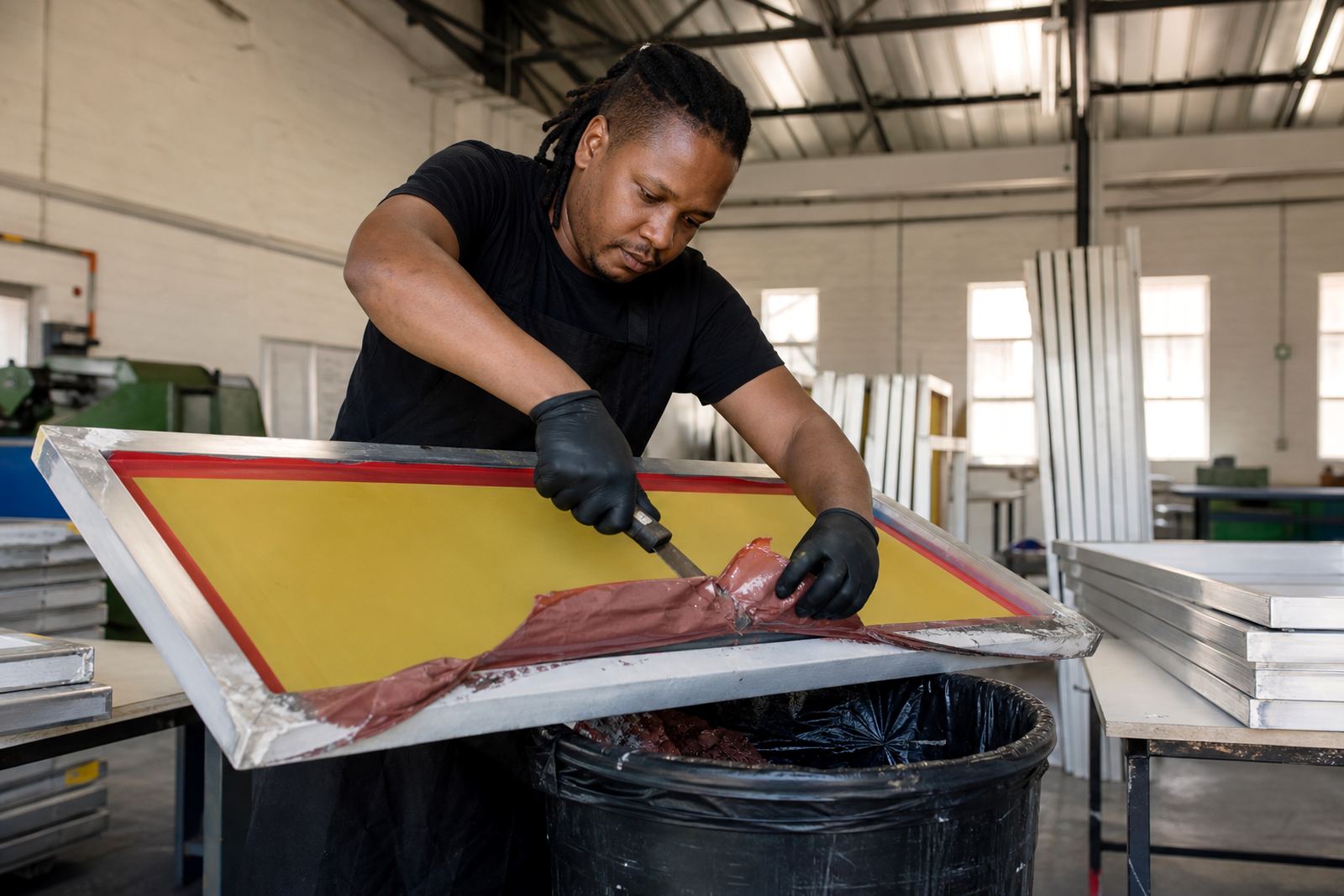
Once your frames arrive at our Maitland workshop or through a delivery route, we log the job and inspect each frame individually. First we check the overall structure, then the corners, then the bonding areas and edge condition. If needed, we remove residual mesh or adhesive so the frame can be assessed properly. This matters because hidden failure points often sit under old glue or damaged mesh ends.
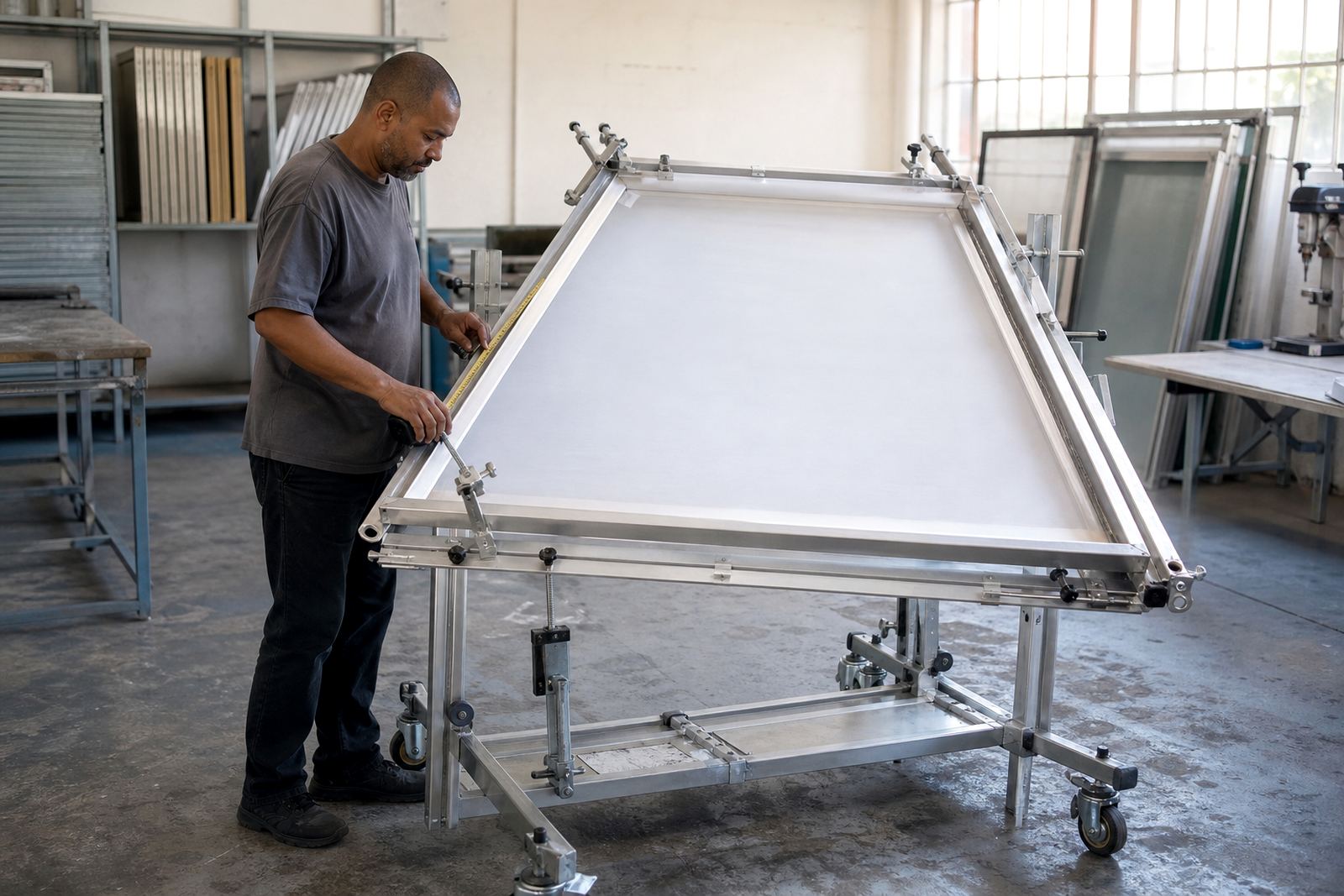
Where required, we carry out tension checks after cleaning or after a test restretch. If the frame is serviceable, we mark it for the next step in production. If there is an issue, we isolate it and advise on the best option. The process is straightforward and meant to keep your workflow moving, not slow it down.
- Receive and log the frame or batch
- Visual and structural inspection
- Clean-up where old mesh or adhesive affects the check
- Tension and suitability assessment
- Recommendation for restretching, repair or removal from use
Turnaround times and pricing approach
Turnaround depends on the number of frames, the condition of the stock, and whether the frames need cleaning before the inspection can be completed. Small batches can often be assessed quickly, while bulk orders may need staging across the day. For urgent work we can prioritise inspection so your print schedule does not stall. If you are working around dispatch deadlines or a municipal event print run, tell us early and we will plan the job accordingly.
Our pricing is based on the scope of the inspection, not on guesswork. A standard check is priced differently from a frame that needs cleaning, adhesive removal, or detailed fault tracing. We keep the approach fair and practical, especially for printers managing mixed old stock. You only pay for the time and handling the frame actually needs, which helps keep costs under control without cutting corners.
Care intervals for frames in regular use
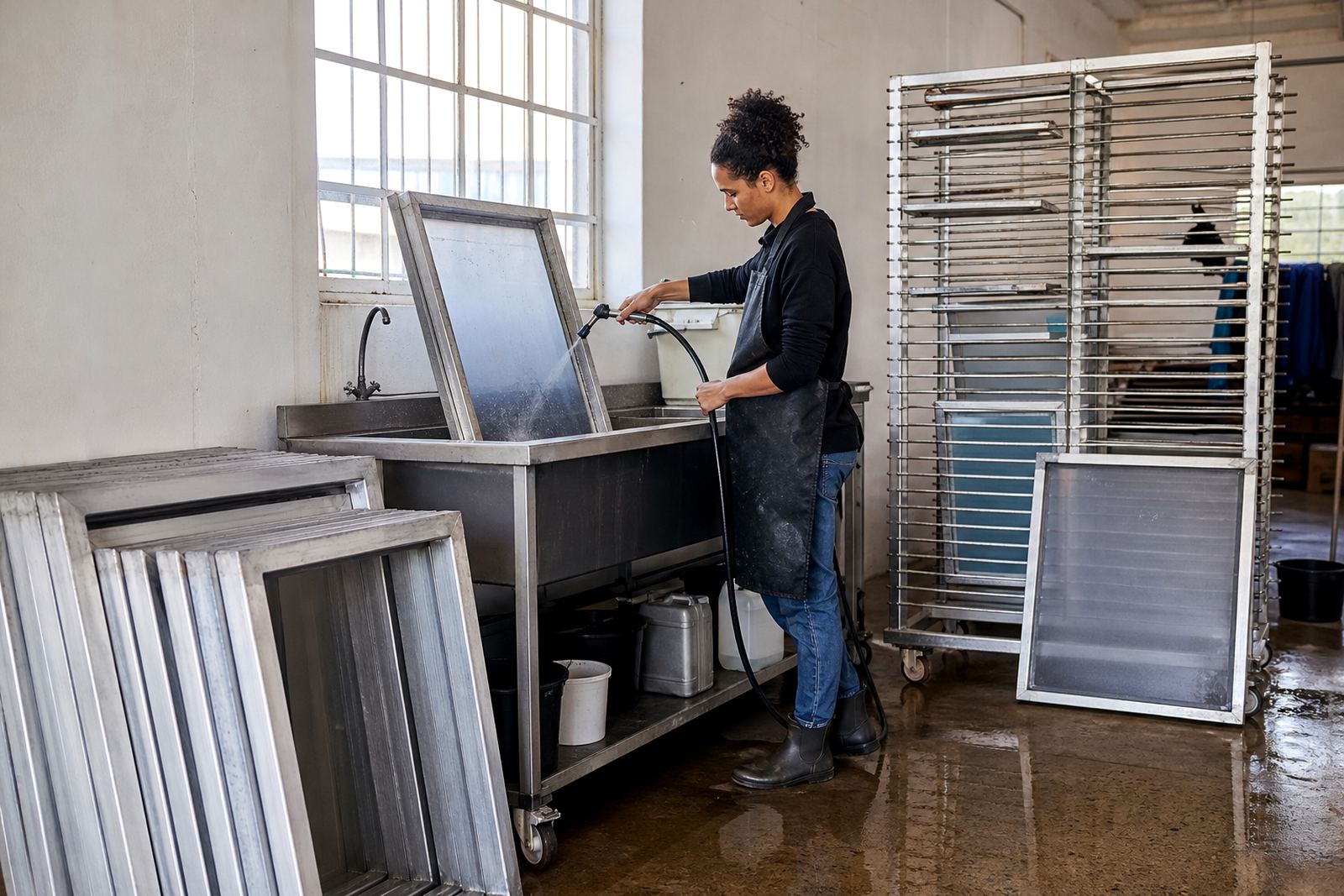
Frames used for garment printing should be inspected regularly, especially where they are washed often, stored in humid coastal conditions, or moved between sites. In Cape Town and Gqeberha, moisture and salt air can speed up surface wear and affect bonding edges. In busy inland print shops, repeated handling and stacking are usually the bigger issue. As a rule, frames used every day should be checked on a routine cycle, not only when something goes wrong.
We recommend a full inspection after heavy production runs, after any frame has been dropped, and before a restretch on older stock. If screens are stored for long periods, check them again before reuse. A simple maintenance rhythm can extend frame life and help keep mesh tension more consistent across the workshop.
- Check before every major restretching cycle
- Inspect after impact, bending or transport damage
- Review stored frames before putting them back into production
- Use a regular schedule for high-volume print shops
Key facts
| Frame material | Aluminium screen-printing frames |
|---|---|
| Inspection focus | Corners, profile condition and bonding areas |
| Service area | Maitland, Cape Town and deliveries across South Africa |
| Suitable for | Professional printers and hobbyists |
| Related services | Restretching, cleaning, adhesive application and tension checks |
| Typical outcome | Clear advice to restretch, repair or retire the frame |