
Why tension checks matter before print runs
Screen tension affects everything from ink deposit to fine detail, registration and squeegee pressure. A frame can look fine in the rack but still be too loose, uneven or damaged for a clean run. That is where a proper tension check helps. It gives you a clear picture of whether the screen is ready for production, needs restretching, or should be taken out of rotation.
For garment printers working with plastisol, water-based inks or discharge work, the difference between a sound screen and a tired one is easy to see on press. Low tension can cause blurred edges, flood issues and more frequent off-contact adjustments. In coastal areas like Maitland, Durban and Gqeberha, humidity can also affect how a screen behaves after storage, especially if it has not been cleaned and kept flat.
What is included in a ScreenFrame tension check
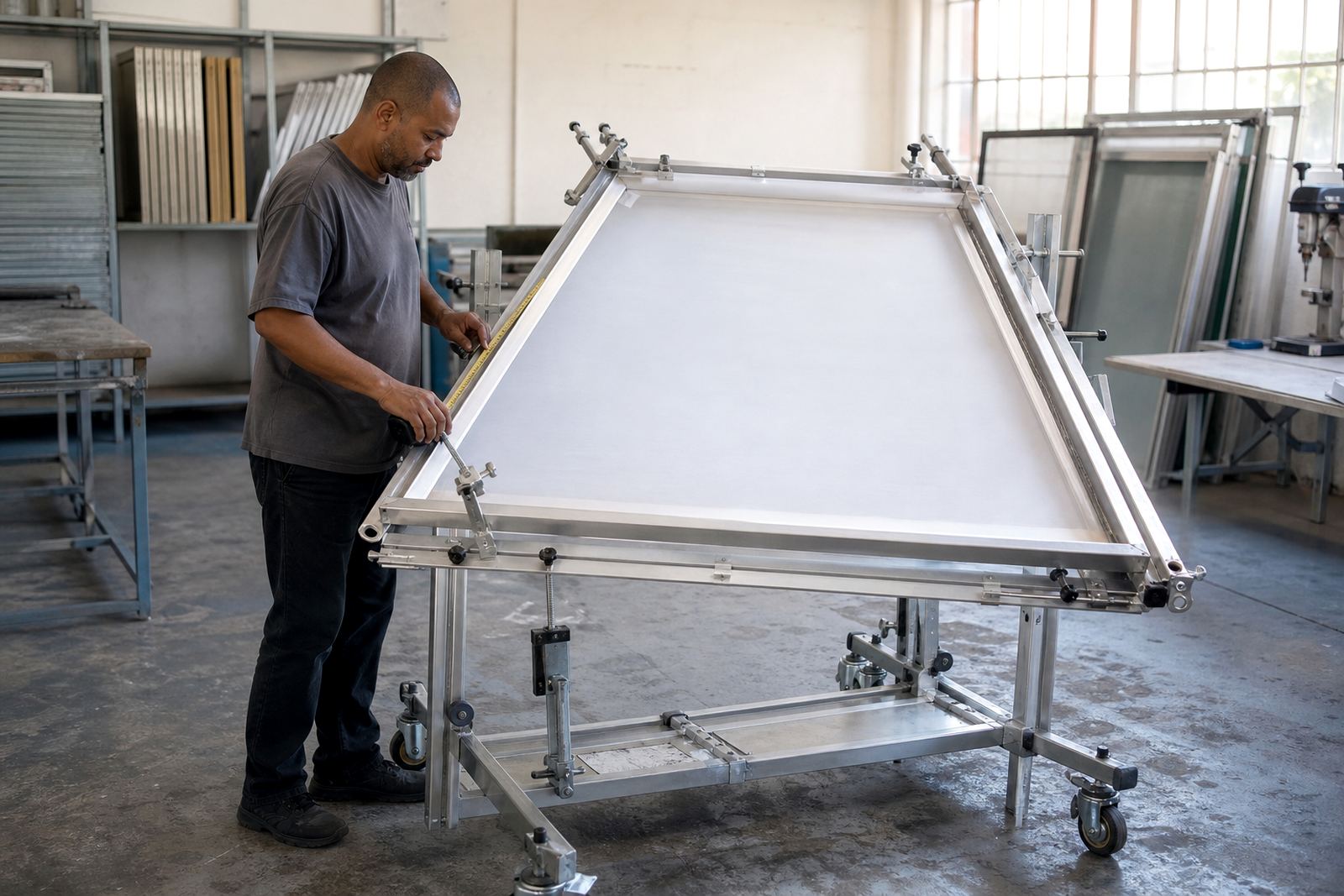
Our tension checks are done on aluminium screen-printing frames used for garment decoration. We look at the condition of the mesh, the frame, the adhesive line and the overall pull across the screen. If a screen has been used hard or stored during load-shedding periods in warm workshops, we check for signs of relaxation, frame stress and edge lifting.
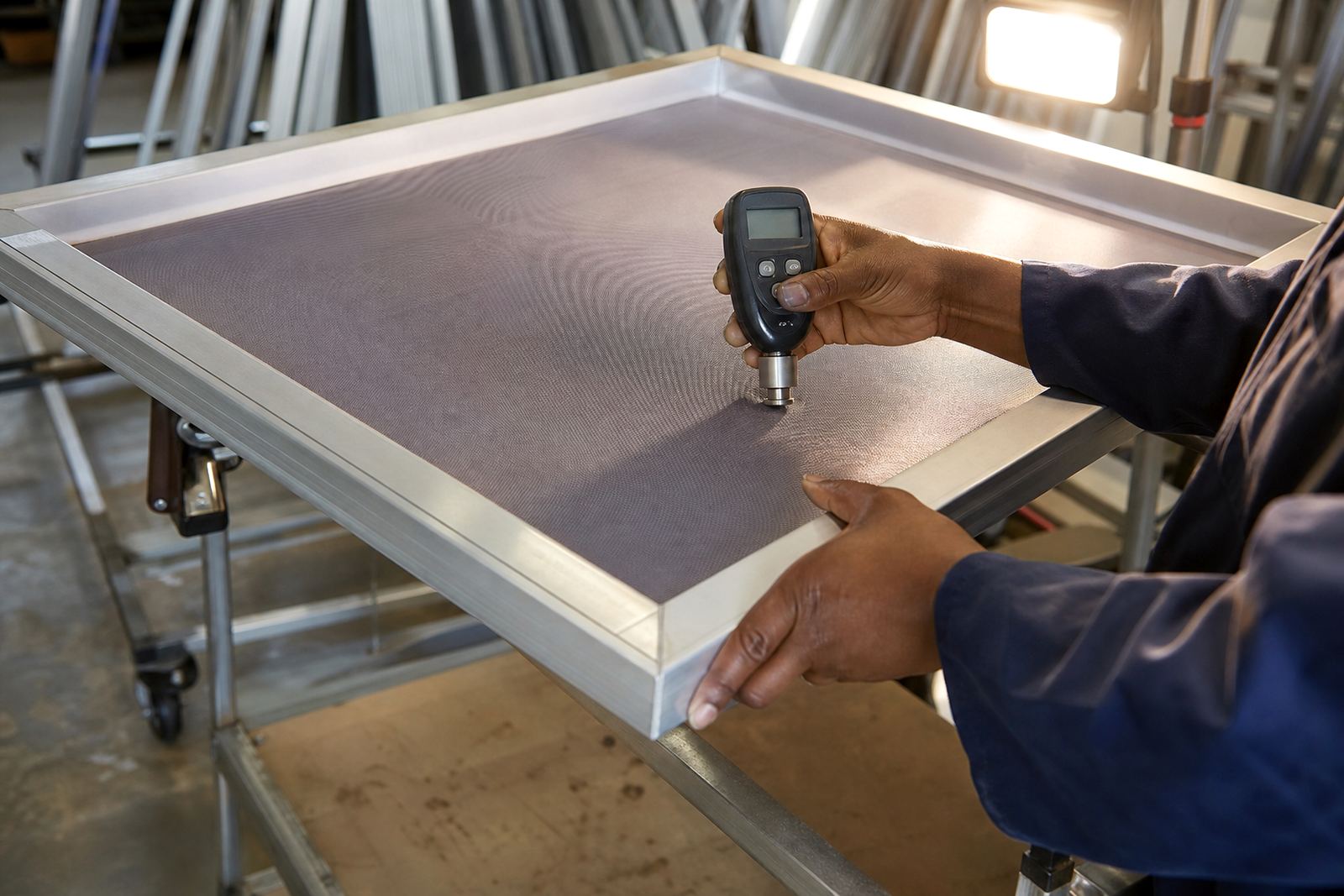
- Tension reading across the print area and near the corners
- Visual check for mesh damage, glue failure and frame movement
- Inspection of old ink build-up, tape residue and cleaning wear
- Advice on whether the screen is suitable for fine detail, solid prints or only short-term use
- Clear feedback on restretching, cleaning or replacement needs
We also look at whether the screen size still suits your artwork and whether the frame has any bending or corrosion issues. A screen that has been dropped, leaned against a wall too long or exposed to rough handling may still hold mesh, but not evenly enough for dependable production.
Our inspection process step by step
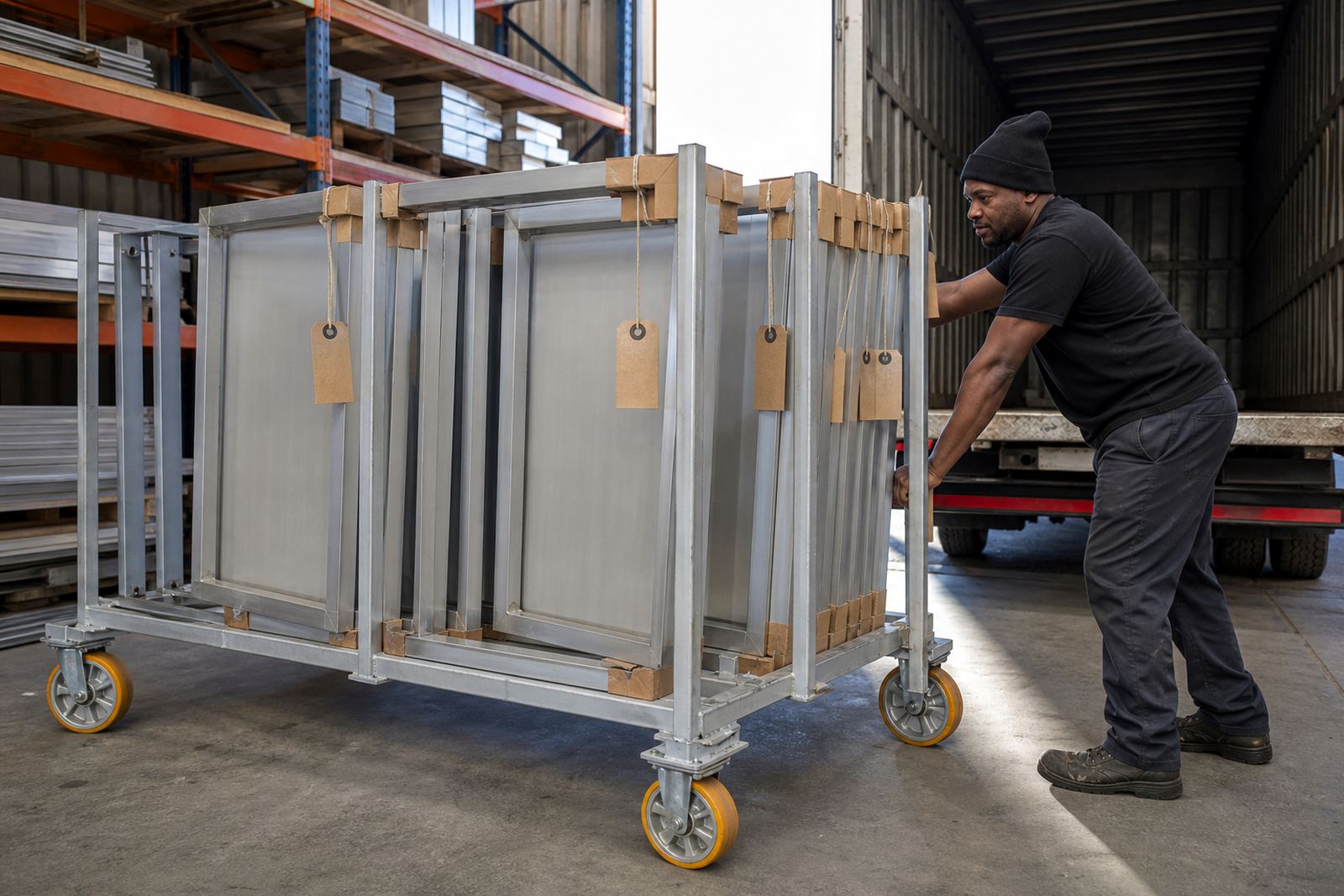
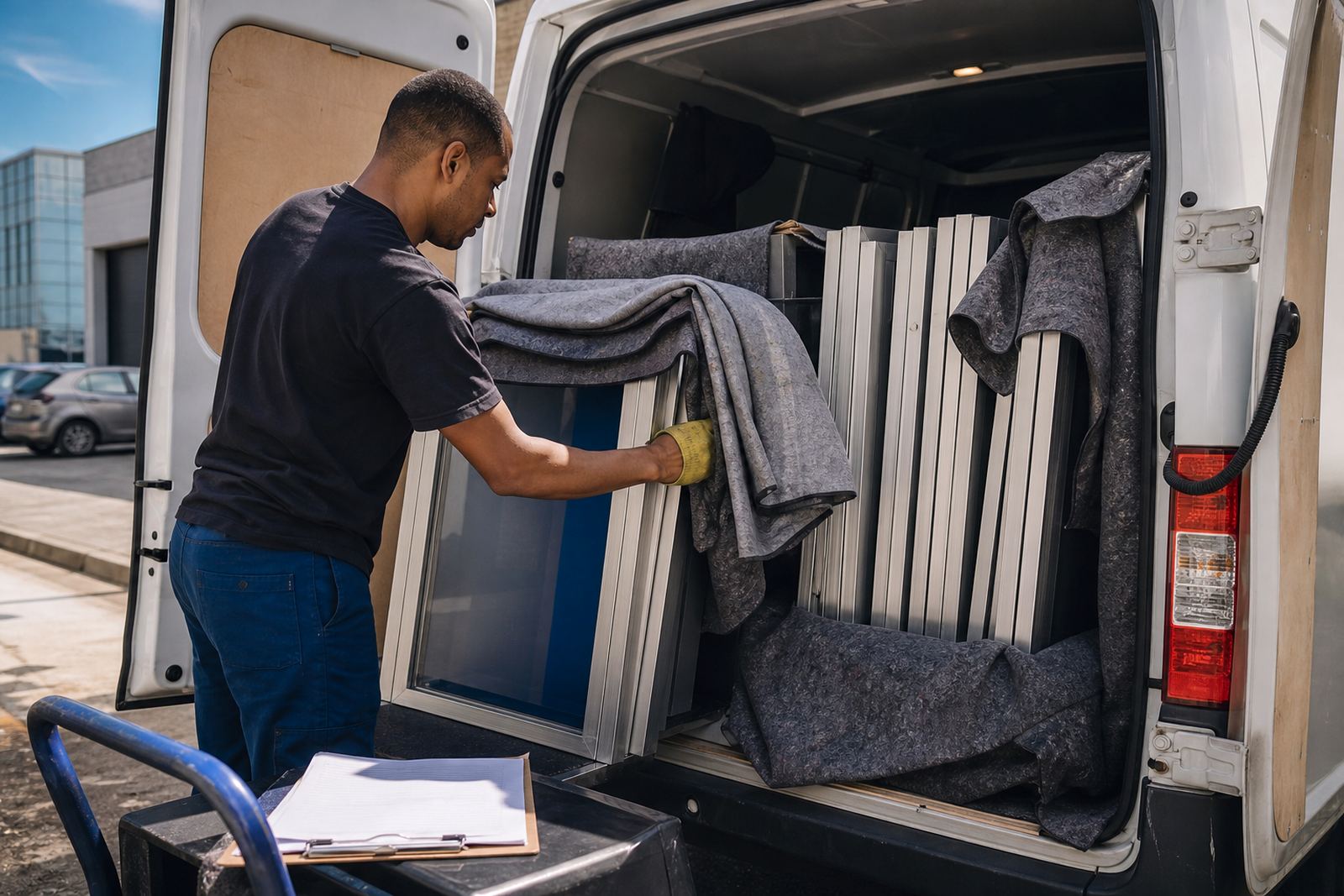
The process is straightforward. Customers bring screens to our Maitland workshop or arrange collection and return where available. Once received, we log the screens, inspect them and advise on the next step. For bulk orders or repeated checks, we can group screens by size and use so you can see which ones are still worth keeping in regular rotation.
- Screen received and identified by size, mesh type and condition
- Initial visual inspection for frame damage, old adhesive, tears and contamination
- Tension measured across the mesh for evenness and usable print range
- Assessment of whether the screen can still support the intended print job
- Feedback given on maintenance, restretching or removal from service
If the screen is borderline, we will not guess. You get a practical recommendation based on print use, not just a number on paper. That matters when a job is booked for a shop in Johannesburg and the artwork cannot afford soft edges or uneven transfer.
Turnaround times for busy print shops
Most tension checks are handled quickly because printers often need an answer before the next production slot. Turnaround depends on quantity, condition and whether the screens are being checked on their own or as part of a larger service run. Single screens are usually assessed faster, while bulk orders from factories, schools or contract printers may take longer during peak periods.
Where urgent turnaround is needed, we will advise what can realistically be done and whether the screen should go straight into restretching instead. In production work, waiting too long on a weak screen can cost more than dealing with it early. For Cape Town customers especially, this helps avoid last-minute delays when a batch is already booked for printing.
Load-shedding, courier timing and workshop volume can all affect the schedule a bit, so it is best to send screens early if you need them back for a fixed print date. We aim to keep communication clear so you know what is happening without chasing status updates.
Pricing that matches the screen condition
Pricing for tension checks is based on screen size, quantity and how much inspection time is needed. A standard check on a single frame costs less than a damaged or heavily contaminated screen that needs extra handling. If you are sending in a batch, we can price the group accordingly so you have a better idea of cost before work starts.
We keep pricing practical for both professional shops and hobby printers. If a screen only needs a quick verification, we will not overdo the job. If a frame has pulled unevenly, has old glue build-up or needs more than one correction, we explain that upfront. That way you can decide whether to keep the screen, restretch it or replace it.
- Single-screen checks for basic verification
- Batch pricing for workshops and contract printers
- Separate quoting for cleaning, adhesive work or restretching
- Advice on whether the screen is still economical to use
For customers in Pretoria, Bellville, Paarl and the other routes we support, it often makes sense to group screens and reduce handling cost. We can talk through the most cost-effective option before you commit.
How often screens should be checked and cared for
There is no one answer for every workshop, but regular checks are worth it if you print week after week. Screens used daily should be checked more often than screens kept for short runs or one-off jobs. As a guide, many printers inspect screens before each major job, and again after cleaning if the screen has been stored for a while.
If your workshop runs through humid periods, dusty storage areas or interruptions from power cuts, it is smart to tighten your checking routine. Mesh can relax over time and older frames may shift more than you expect. A quick check now can save a press stoppage later. It also helps your team sort good screens from the ones that should not be pushed into production.
Our team can also give simple care advice for screen storage, washing and handling so you get more life out of each frame. Keeping screens flat, clean and out of direct heat makes a real difference, especially in coastal conditions.
What to expect from ScreenFrame support
ScreenFrame works from Maitland, Cape Town and supports printers across South Africa through deliveries, collections and workshop handling. Our team includes Mandla Petersen, Ayesha Daniels, Sibusiso Mthembu, Bianca Jacobs, Ruan van Wyk and Lindokuhle Dlamini, so your screens are handled by people who know the work. We focus on practical feedback that helps you print better, not vague comments.
If you are unsure about a screen, send it in for a check before it causes trouble on press. A proper tension check can tell you whether the screen is ready for another run, needs attention or should be retired. That small step can protect print quality, reduce waste and keep your production moving.
Key facts
| Service area | Maitland, Cape Town with support for Johannesburg, Durban, Pretoria and Gqeberha |
|---|---|
| Screen type | Aluminium screen-printing frames for garment decoration |
| Check focus | Mesh tension, frame condition, adhesive line and print suitability |
| Typical use | Before production, after storage, or before a major repeat job |
| Turnaround | Fast on single screens, longer for bulk or damaged screens |
| Pricing basis | Screen size, quantity, condition and any extra handling needed |