
Collection Support For Screen Stretching Jobs
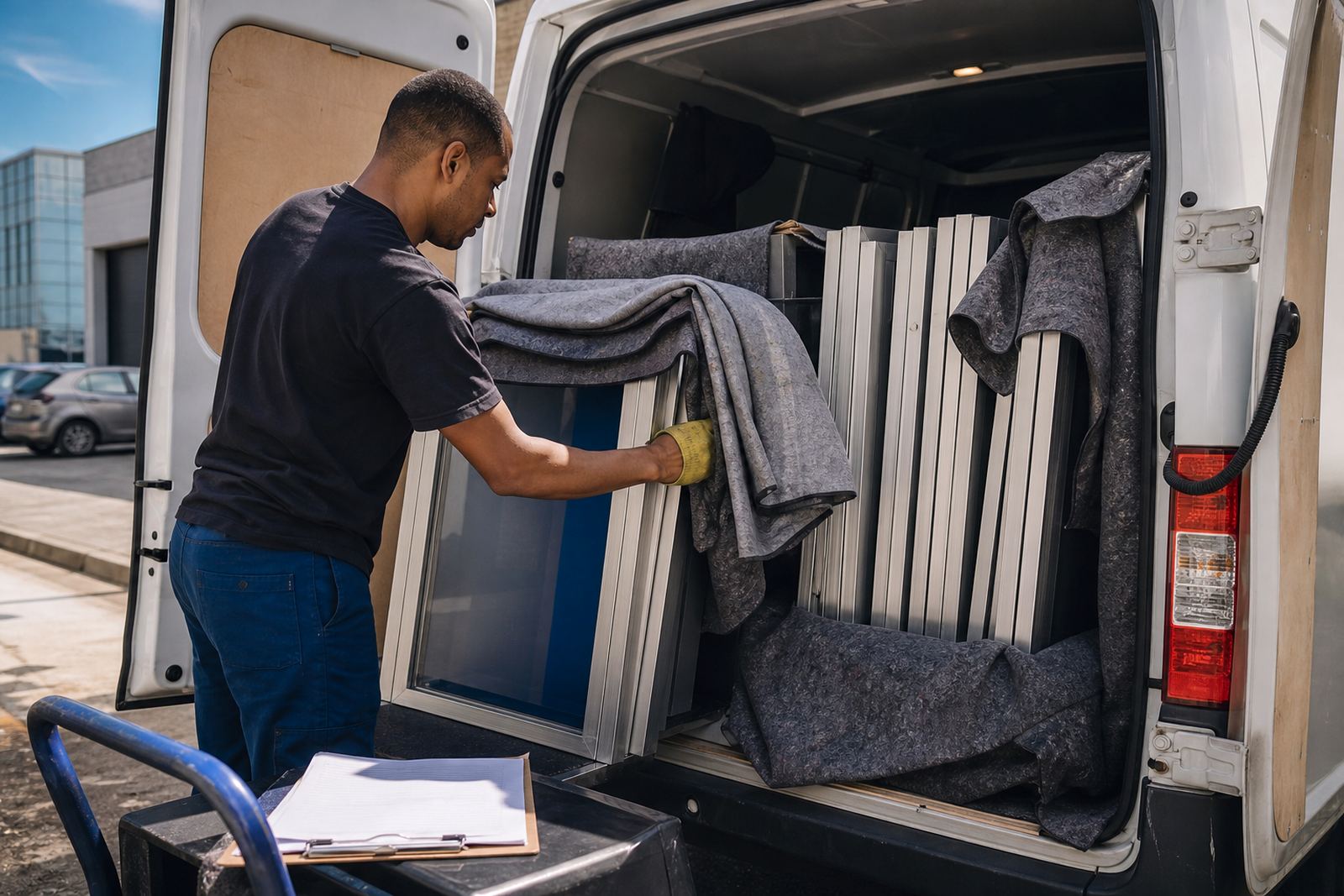
Our pickup and return service is arranged for selected customers who send frames in for stretching, restretching or related workshop work. It suits garment printers who have a few frames to send from Maitland, Bellville, Paarl, Cape Town metro areas or further afield, as well as trade customers in Johannesburg, Durban, Pretoria and Gqeberha who need an organised route. We collect only what has been confirmed for the job, so the handover is clear and there is less risk of mix-ups at busy load-shedding times or during peak production weeks.
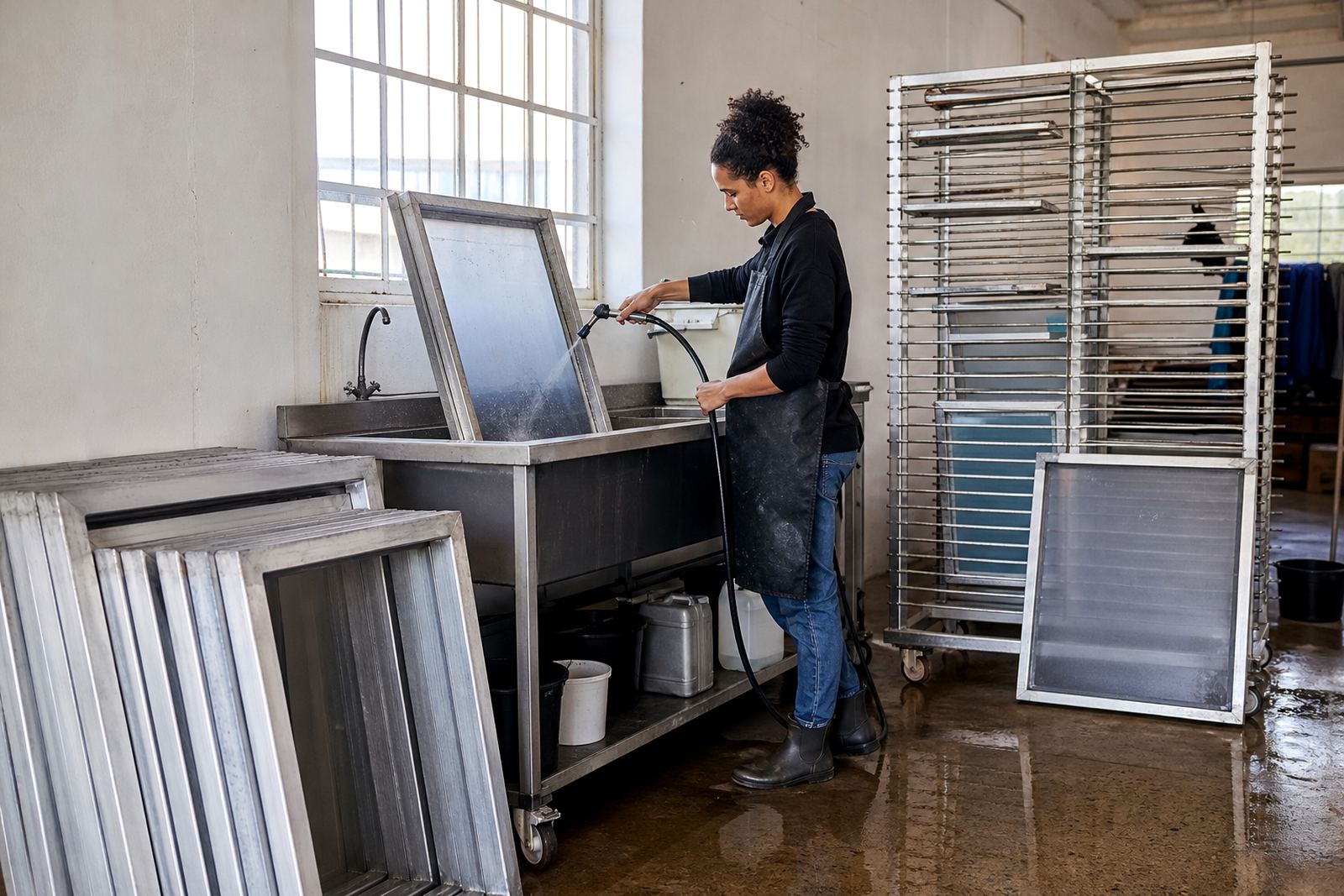
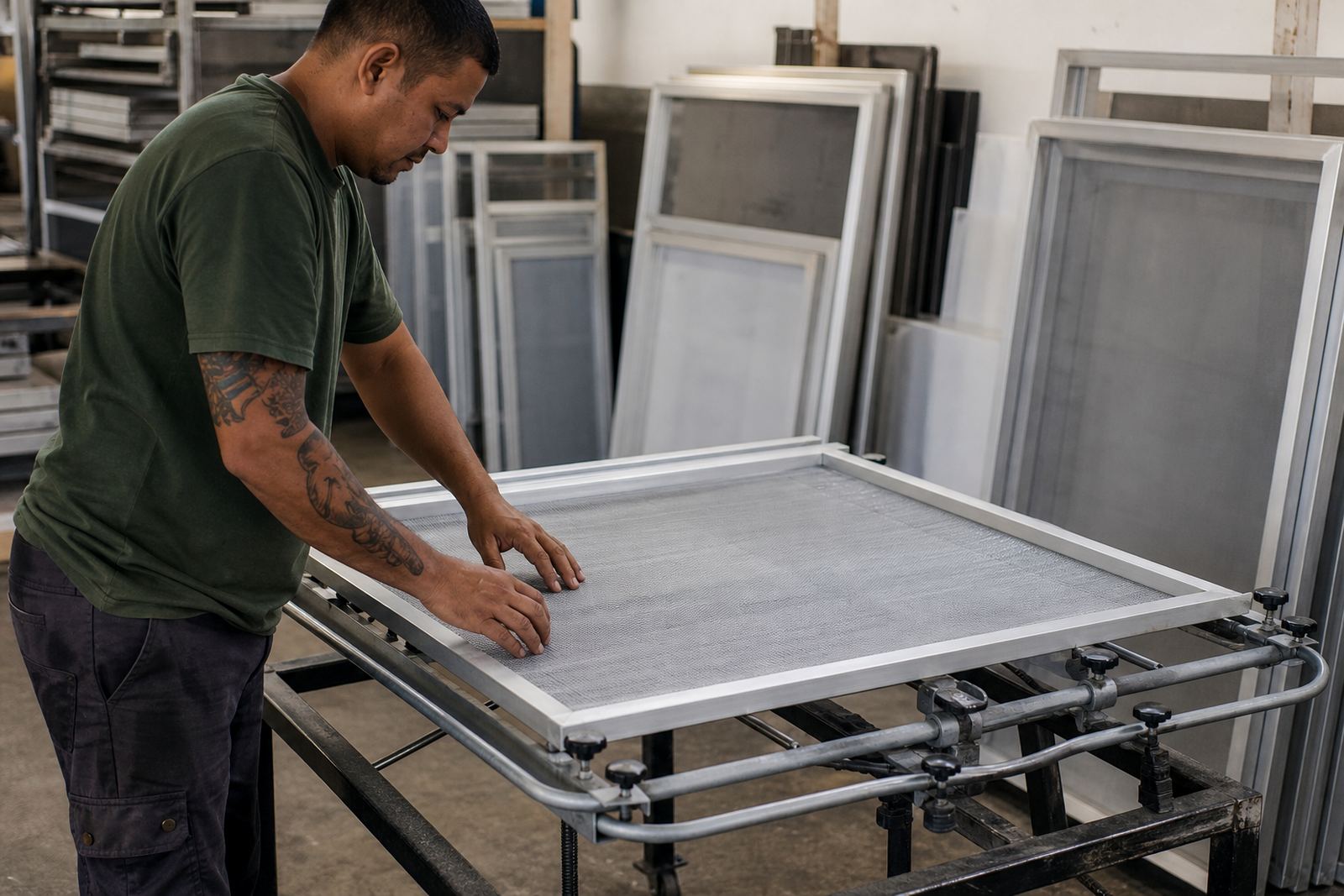
Collection is handled as part of the same work order, which means your frames are logged, checked and returned to you in the same condition they left or better. We work with aluminium screen-printing frames used for garment decoration, including standard sizes and custom sizes. Where needed, we can also separate damaged mesh, check frame condition and advise whether a restretch is worthwhile. That saves time and helps printers keep screens in circulation rather than leaving them stacked in the workshop.
- Suitable for selected trade customers and repeat clients
- Supports new stretching, restretching and frame-related workshop work
- Helps reduce travel time, queueing and handling damage
- Available for local and route-based collections by arrangement
What Happens Before We Collect Your Frames
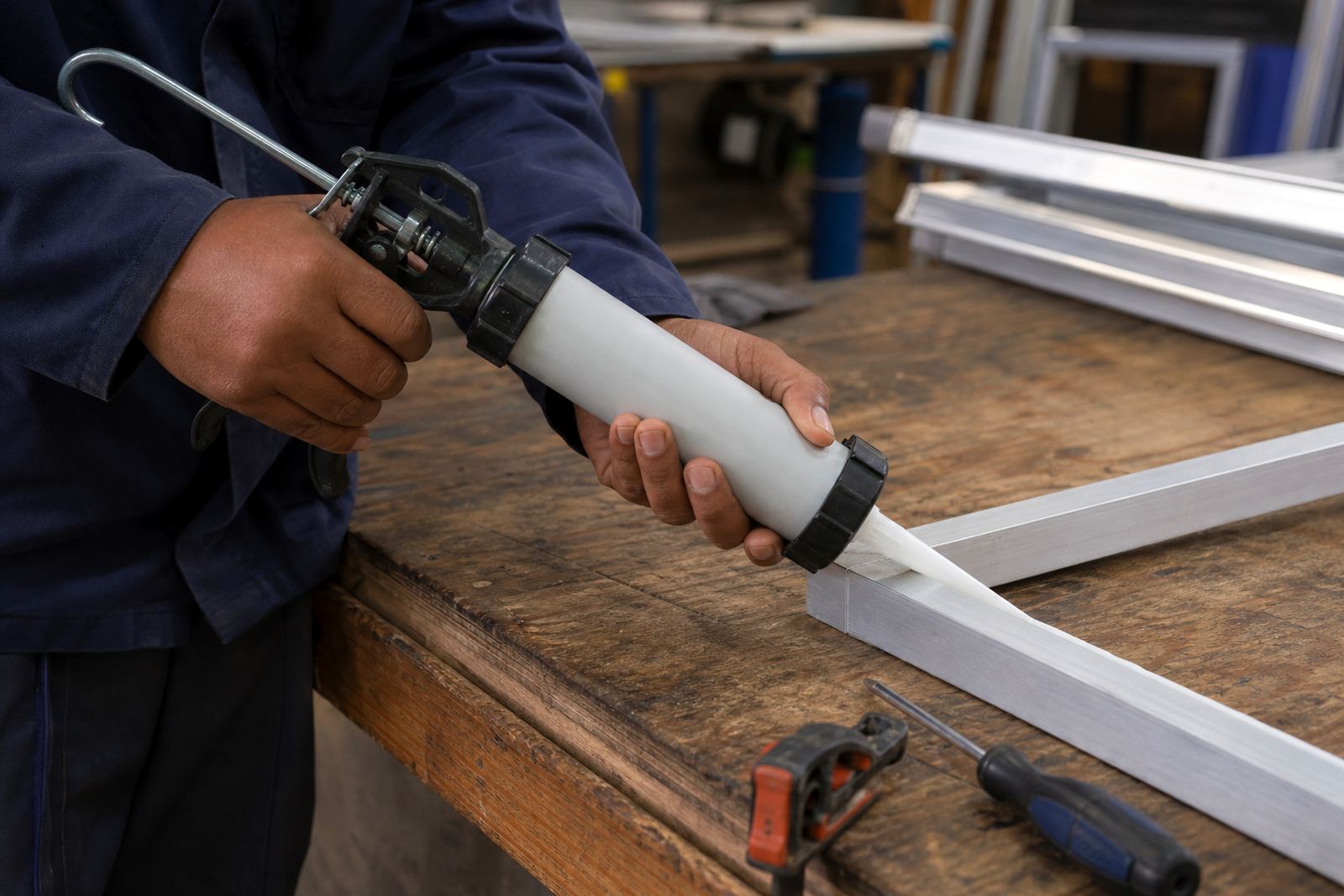
Before any pickup is booked, we confirm the number of frames, approximate sizes, mesh requirement and the type of work needed. That includes whether the frames need new mesh, removal of old mesh, adhesive application or a clean before stretching. If your screens are for fine detail prints, spot colour work or heavier garment ink deposit, we can also note the mesh spec so the job is prepared correctly from the start. A short brief at this stage avoids rework later and keeps the turnaround on track.
We ask customers to bundle frames safely and label them where possible. If the work includes mixed sizes, separate stacks help our team count them quickly on collection and again on return. For coastal customers, especially where humidity affects storage in places like Durban and parts of Cape Town, we recommend sending frames sooner rather than leaving them in damp storerooms. Rust on fittings and warped storage conditions can affect tension and the final print surface.
- Confirm quantity, size and mesh specification first
- Label mixed orders clearly for quicker check-in
- Send frames promptly if they have been stored in humid conditions
- Tell us about urgent production runs or event work
How The Collection And Return Process Works
Once the job is approved, we schedule collection through the relevant area route or workshop handover point. Frames are counted, inspected and marked in the job record before they leave the premises. On return, the same count is checked again and we make sure the order is complete. If a frame shows damage that was not visible on arrival, we flag it before work continues so there are no surprises at delivery.
The process is simple and practical. It is set up for printers who need a straight answer and a clean handover, not a complicated chain of calls. For customers in Maitland, collection may be arranged through the workshop. For other areas, route planning may apply, and that can affect the day of pickup and return. We keep communication direct so you know when the frames are due in, when the work is being done and when they are ready to go back out.
- Send your job details and frame count through the enquiry form
- We confirm collection timing and work requirements
- Frames are collected, logged and checked in at the workshop
- Stretching work and inspections are completed
- Frames are returned or made ready for the agreed handover point
Turnaround For Urgent And Planned Jobs
Turnaround depends on the job size, the condition of the frames and whether the order is part of a standard route or an urgent request. Smaller batches can often move faster than larger bulk orders, while custom size stretching and detailed checks may add time. If you have a print run due and need frames back in a tight window, let us know early. We can then assess whether an urgent turnaround is possible without compromising tension or finish quality.
For planned work, many customers build screen maintenance into their weekly or fortnightly cycle. That approach works well for active printers who rotate multiple frames through the same mesh types. It also helps with municipal or event deadlines where print jobs must be ready before a market weekend, school function or clothing order delivery. The earlier the booking, the easier it is to fit pickup into the route and return the screens on schedule.
- Small confirmed orders can often be moved through faster
- Bulk work may need extra time for stretching and curing
- Urgent requests are handled subject to workshop capacity
- Routine maintenance works best on a weekly or fortnightly cycle
Pricing Based On Job Size And Route
Our pricing approach is based on what the order actually needs, not a one-size-fits-all rate. Factors include the number of frames, frame size, whether mesh removal is needed, how much cleaning is involved and whether the job is linked to a pickup and return route. Customers sending a handful of frames will usually be quoted differently from those placing bulk screen orders or regular monthly work. That keeps costs fair and easier to plan for.
Where pickup and return is included, route distance and timing may influence the final quote. For example, a local Cape Town collection is not priced the same as a delivery run that fits into Johannesburg, Durban, Pretoria or Gqeberha schedules. We will explain the work charge and any transport related charge separately so you can budget properly. No hidden add-ons, just clear terms before the job starts.
- Quoted according to quantity, size and condition
- Separate transport cost may apply on route-based jobs
- Bulk orders may qualify for better unit pricing
- Quotes are confirmed before collection where possible
Care, Storage And Maintenance Between Stretching Cycles
Good maintenance extends the life of a screen and keeps print quality more consistent. After return, store frames flat in a dry area away from direct sun, damp floors and chemical overspray. In coastal areas, wipe down the frame edges now and then to reduce salt build-up. If screens are used often, we recommend checking tension at regular intervals and restretching before the mesh becomes too loose for clean registration. A screen that is looked after properly will usually give better results and fewer production delays.
For active garment printers, a practical interval is to inspect working screens before each new production cycle and book deeper checks every few weeks, depending on use. If a frame has been dropped, knocked or stored badly, do not wait until the next big run. A fast inspection can save a full order from going off spec. That is especially important for high detail artwork where even a small loss of tension can show on the garment.
- Store frames flat in a dry, shaded area
- Check tension regularly on active screens
- Book inspections after damage, drops or long storage
- Restretch before the mesh becomes too loose for reliable printing
Key facts
| Service type | Pickup and return support for selected screen stretching customers |
|---|---|
| Frame material | Aluminium screen-printing frames |
| Work covered | New stretching, restretching, mesh removal and related prep |
| Collection areas | Maitland, Cape Town and route-based South African deliveries |
| Typical use | Garment printing, repeat production and urgent print runs |
| Maintenance interval | Inspect before each cycle, deep check every few weeks |