
Built for fast supply on urgent print runs
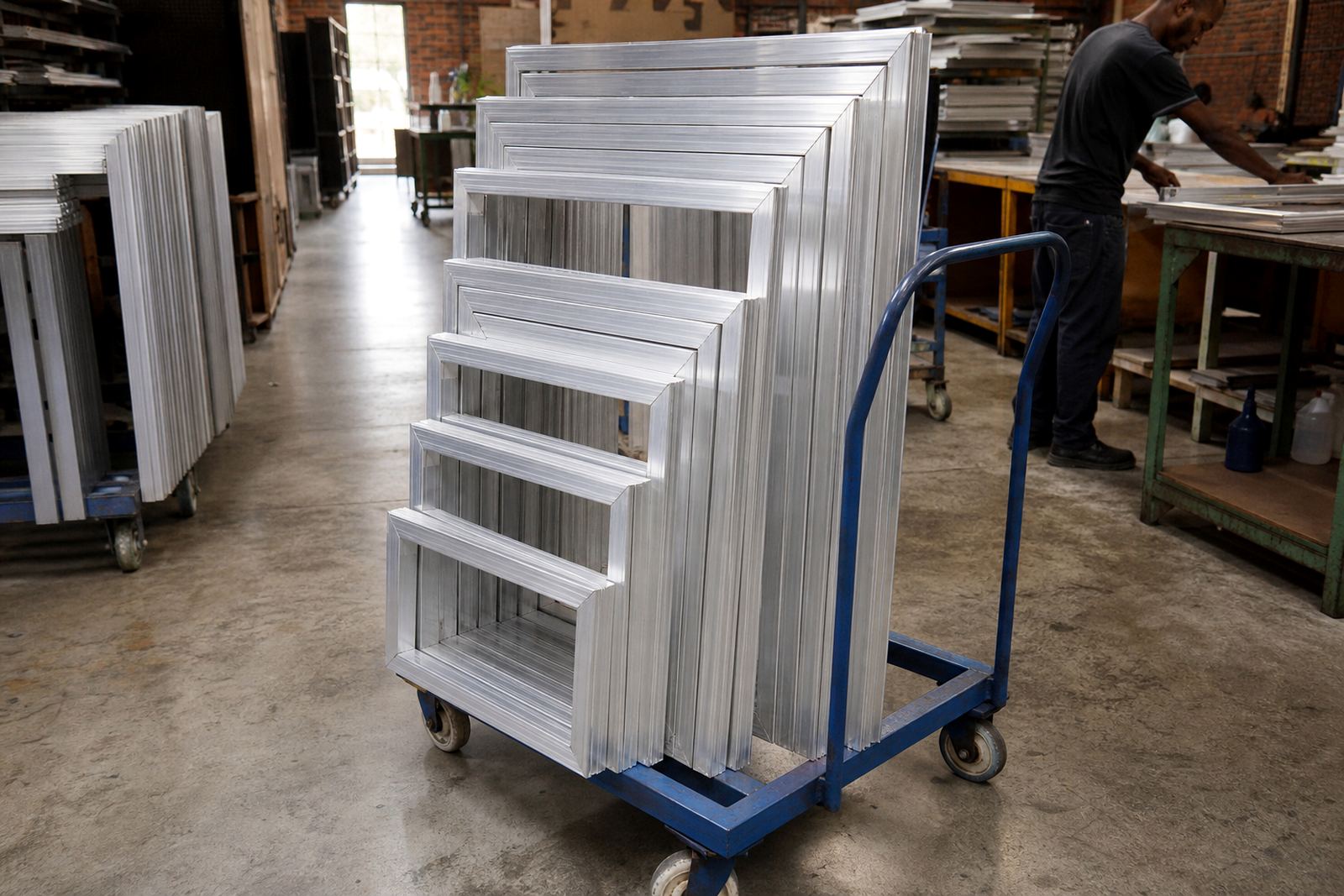
The Quick Turn Frame is a production frame for times when a screen fails, a job gets pulled forward, or you need extra screens in a hurry. It is made from aluminium so it stays straight under normal workshop use and handles repeated stretching, reclaiming and printing without the timber movement you get from softer materials.
This frame is suited to garment printers working in Maitland, Bellville, Cape Town industrial areas and further afield in Johannesburg, Durban, Pretoria and Gqeberha. If your workshop is dealing with tight deadlines, load-shedding backlogs or a sudden increase in orders, the frame gives you a quicker route back into production.
ScreenFrame supplies the frame as a practical workhorse rather than a decorative item. It is intended for people who want dependable sizing, tidy edges and easy handling at the press, on the drying rack and during mesh preparation. For many print shops, that means less faffing and fewer interruptions.
Sizes, mesh choices and frame options
The Quick Turn Frame can be supplied in common garment-print sizes and also as a custom size for special jigs or existing setups. That makes it useful when a printer needs a direct replacement for a worn frame or wants to match an existing screen count and squeegee path. If you are running multiple stations, consistent outside dimensions help keep registration easier across the batch.
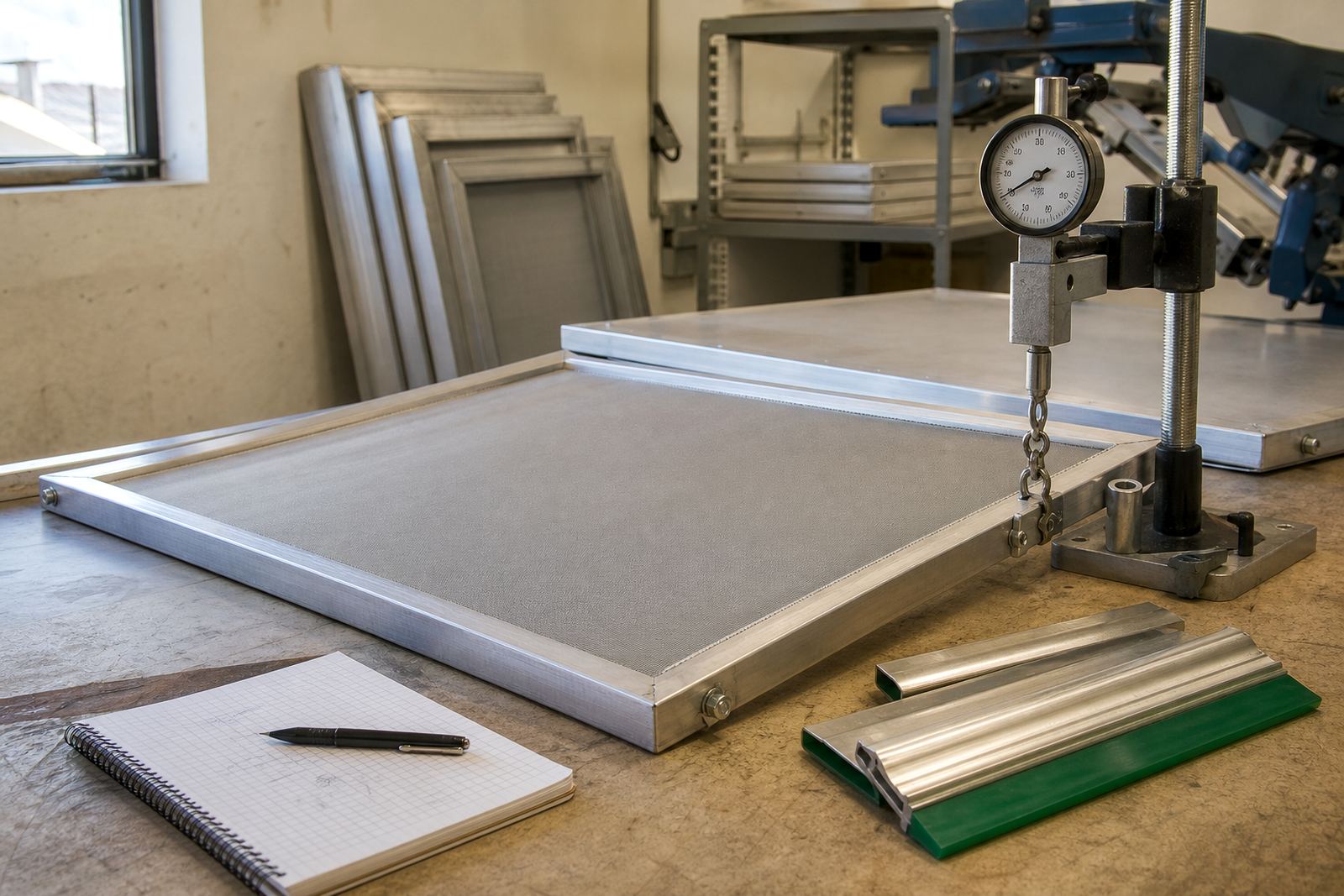
Typical options depend on the job, but the frame can be set up for standard textile mesh counts, finer detail work or broader ink deposits for heavier artwork. Where needed, the stretching setup can be matched to the intended print style so the screen sits properly under tension and doesn not sag after short use.
- Standard garment-print sizes for everyday production
- Custom dimensions for replacement and special orders
- Compatible with a range of textile mesh counts
- Suitable for single screens or bulk repeat orders
- Can be supplied for urgent turnaround work
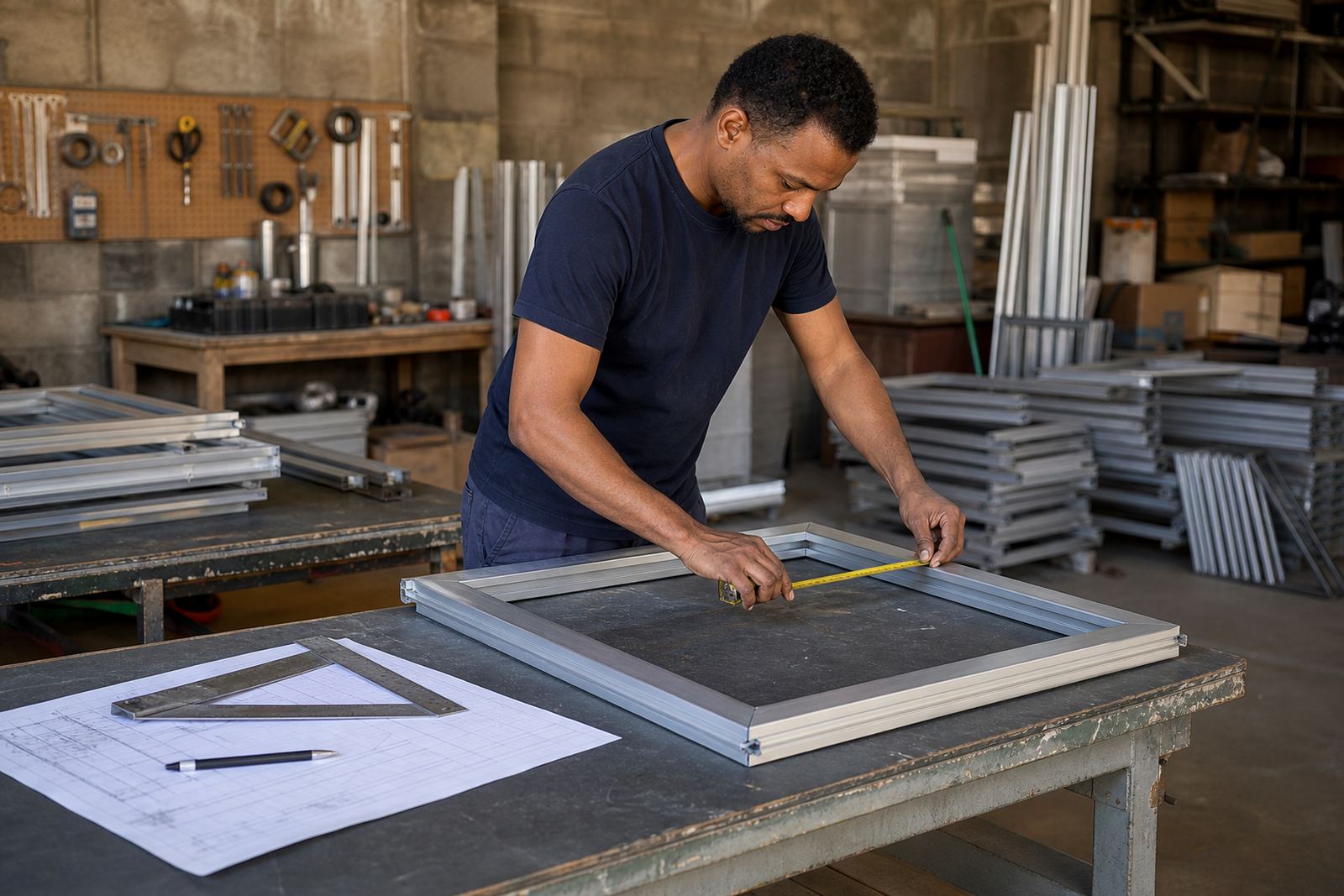
If you are unsure which size to choose, it helps to measure the existing outer frame, note the mesh requirement and check the clearance on your press. That saves time on collection and keeps the screen set usable as soon as it reaches your workshop.
Where the Quick Turn Frame suits best
This frame suits garment decorators who need speed more than anything else. It is a good fit for screen-printing shops handling T-shirts, workwear, event clothing, schoolwear and short production runs where a damaged screen can stop the whole line. It also works well for printers who keep spare screens ready for common repeat jobs.
Because it is made for fast supply, it is useful for businesses that cannot afford long downtime. A stretch replacement can be arranged for a frame that has suffered mesh failure, adhesive breakdown or general wear from regular reclaiming. It also suits hobby printers who want a proper workshop screen rather than a flimsy frame that moves around during setup.
- Replacement screens for broken or tired frames
- Short lead-time production for urgent orders
- Bulk screen preparation for repeat garment work
- Backup screens for busy print rooms
- Home workshops that need a proper aluminium frame
In coastal areas like Cape Town and Gqeberha, aluminium is a practical choice because it handles moisture better than untreated materials. In inland workshops, it stays lighter to move and easier to stack when you are juggling several orders at once.
Installation, press fit and power requirements
The Quick Turn Frame does not need power or gas to function. It is a manual production item, so once the mesh is stretched and cured it is ready to go onto your press or screen rack. That makes it useful in areas where load-shedding interrupts powered equipment and you still need to keep screens moving through the workshop.
Installation is straightforward: confirm the frame size, check the mesh tension, inspect the glue line and make sure the frame corners sit square. If the screen is being used on a carousel or flatbed setup, the frame should clear clamps, platens and guide stops without forcing the operator to work awkwardly. A clean fit saves time and helps keep print alignment consistent.
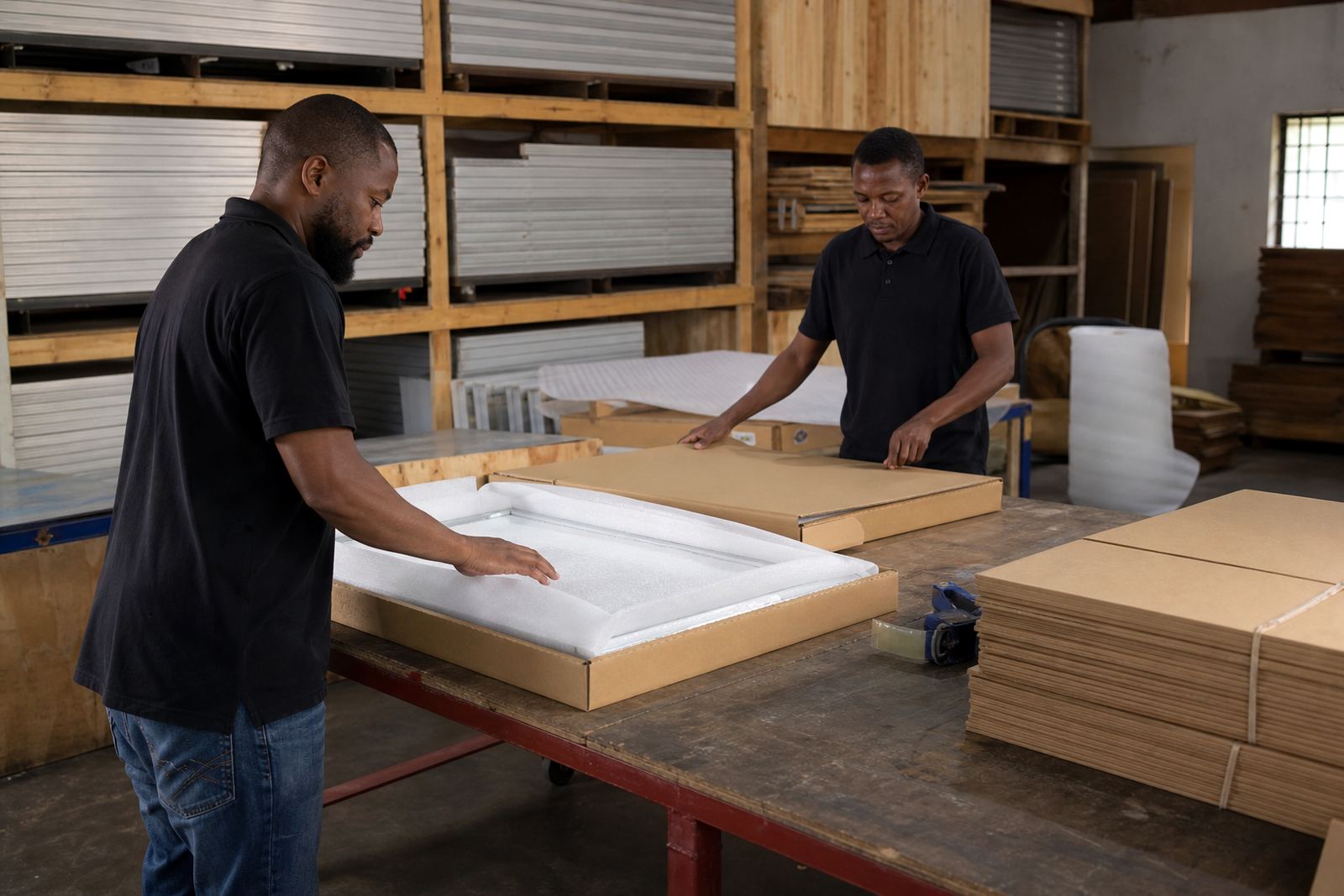
Where applicable, the frame can be picked up at our Bellville collections point or arranged through our Cape Town, Johannesburg, Durban, Pretoria and Gqeberha delivery routes. For workshops outside those centres, a pickup and return arrangement can be discussed through the enquiry form.
Care, cleaning and re-use between jobs
Like any working screen, the Quick Turn Frame lasts longer when it is cleaned properly after use. Remove ink build-up, wash off adhesive residue where possible and store the screen flat or in a rack where it will not twist. If the frame is left with dried ink or chemical residue, the next stretch or reclaim can be messier than it needs to be.
Regular checks help you avoid surprises during a busy week. Look for dents, corner movement, worn mesh edges and any signs that the adhesive has lifted. In workshops that do heavy reclaiming, it is worth planning a scheduled inspection rather than waiting for a failure on press.
- Rinse ink and cleaning chemicals off after each job
- Store screens out of direct sun and damp floors
- Check tension before every production run
- Replace damaged mesh before it slips on press
- Keep frames stacked evenly to avoid bending
If you are running a small setup at home, the same habits apply. A clean, level storage area and a simple inspection routine can extend the working life of the frame quite a bit, especially where temperature and humidity change from day to day.
What to check before you place an order
Before ordering a Quick Turn Frame, confirm the size you need, the mesh count required, the type of print work and whether you need one screen or a batch. It also helps to know if the frame must match an existing set, because small differences in outer size can affect registration and clamp positions.
Send through the details from your enquiry form with as much practical information as possible. That should include frame dimensions, the intended substrate, whether the screen is for new stretching or restretching and if there is a deadline tied to the job. The more accurate the brief, the easier it is to match the right frame first time.
For shops ordering in bulk, it is worth asking for the whole run to be prepared to the same spec. That keeps the screens consistent across the job and makes future servicing simpler. Our team in Maitland, including Mandla Petersen, Ayesha Daniels, Sibusiso Mthembu, Bianca Jacobs, Ruan van Wyk and Lindokuhle Dlamini, handles production, checking and dispatch with that in mind.
Key facts
| Frame material | Aluminium |
|---|---|
| Use | Fast-supply production frame for urgent jobs and replacements |
| Available sizes | Standard garment-print sizes and custom sizes |
| Mesh compatibility | Suitable for textile mesh counts used in garment decoration |
| Power or gas needed | None |
| Service support | New stretching, restretching, cleaning, tension checks and inspections |