
Built for firmer mesh tension and cleaner detail
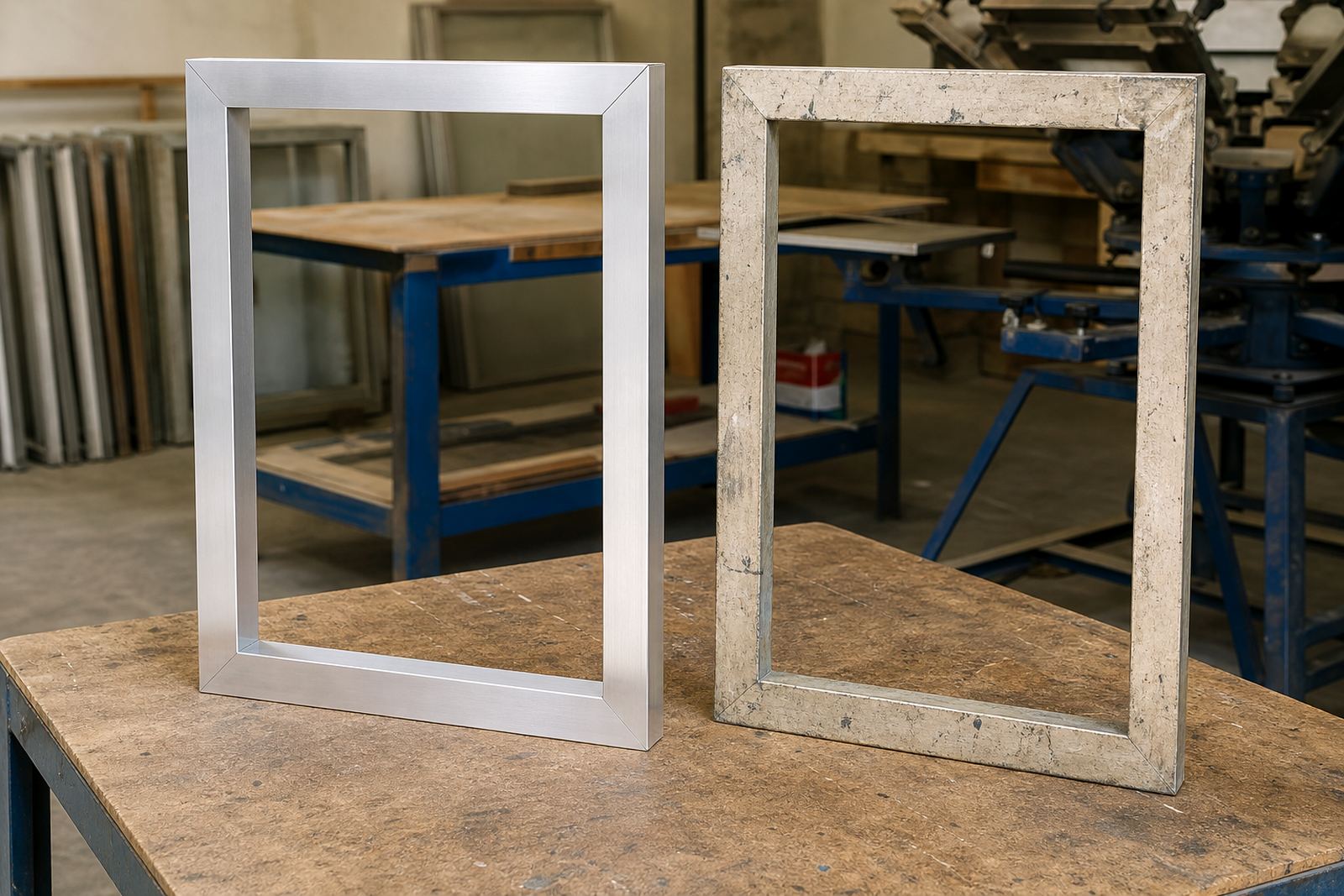
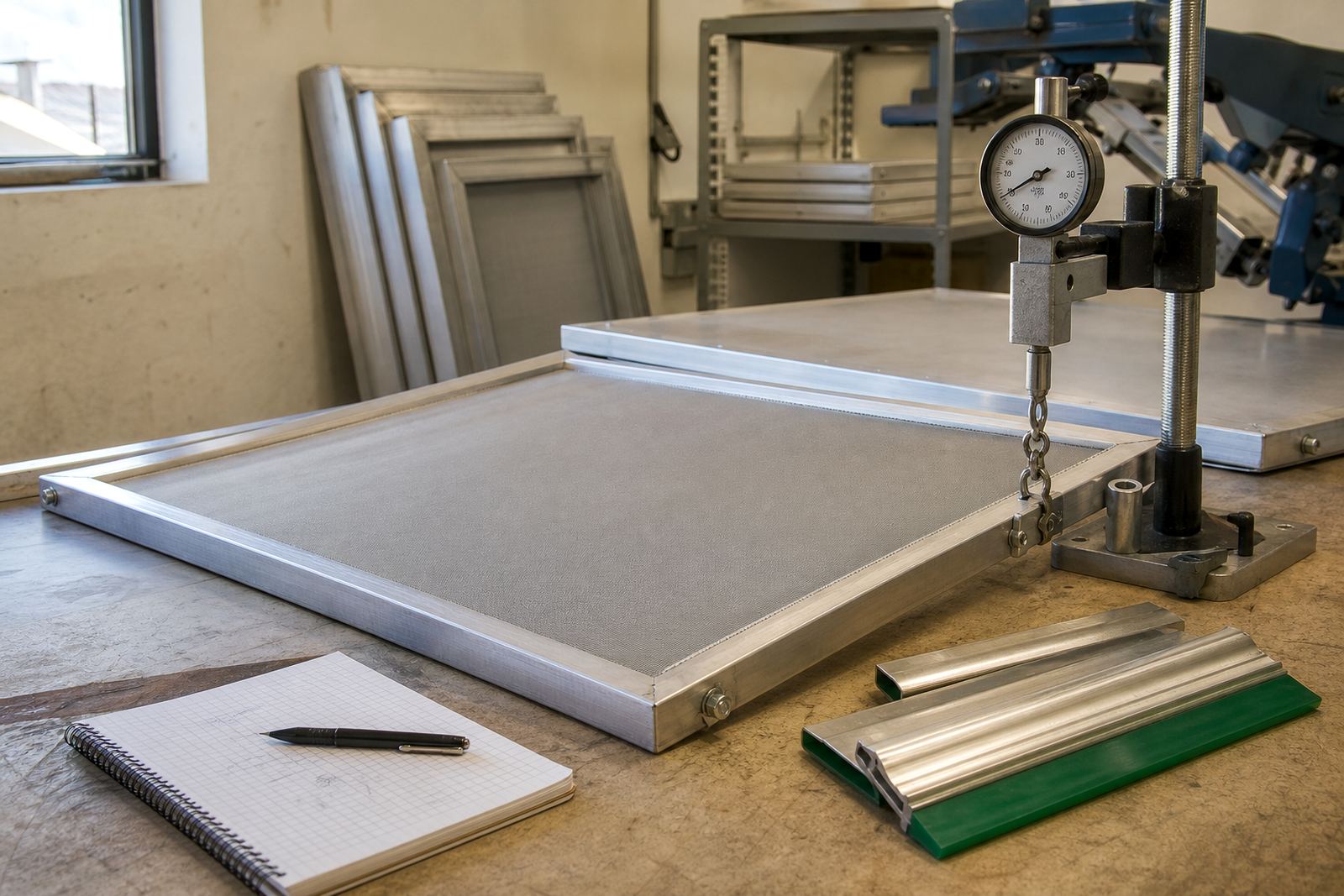
The High Tension Frame is an aluminium screen-printing frame designed to hold mesh under firmer, more even tension than a standard general-purpose frame. That matters when you are printing fine text, halftones, thin outlines, small logos and light-colour work where mesh movement can affect edge sharpness. In practice, the frame helps you keep ink deposit more controlled, with less bounce during the squeegee stroke.
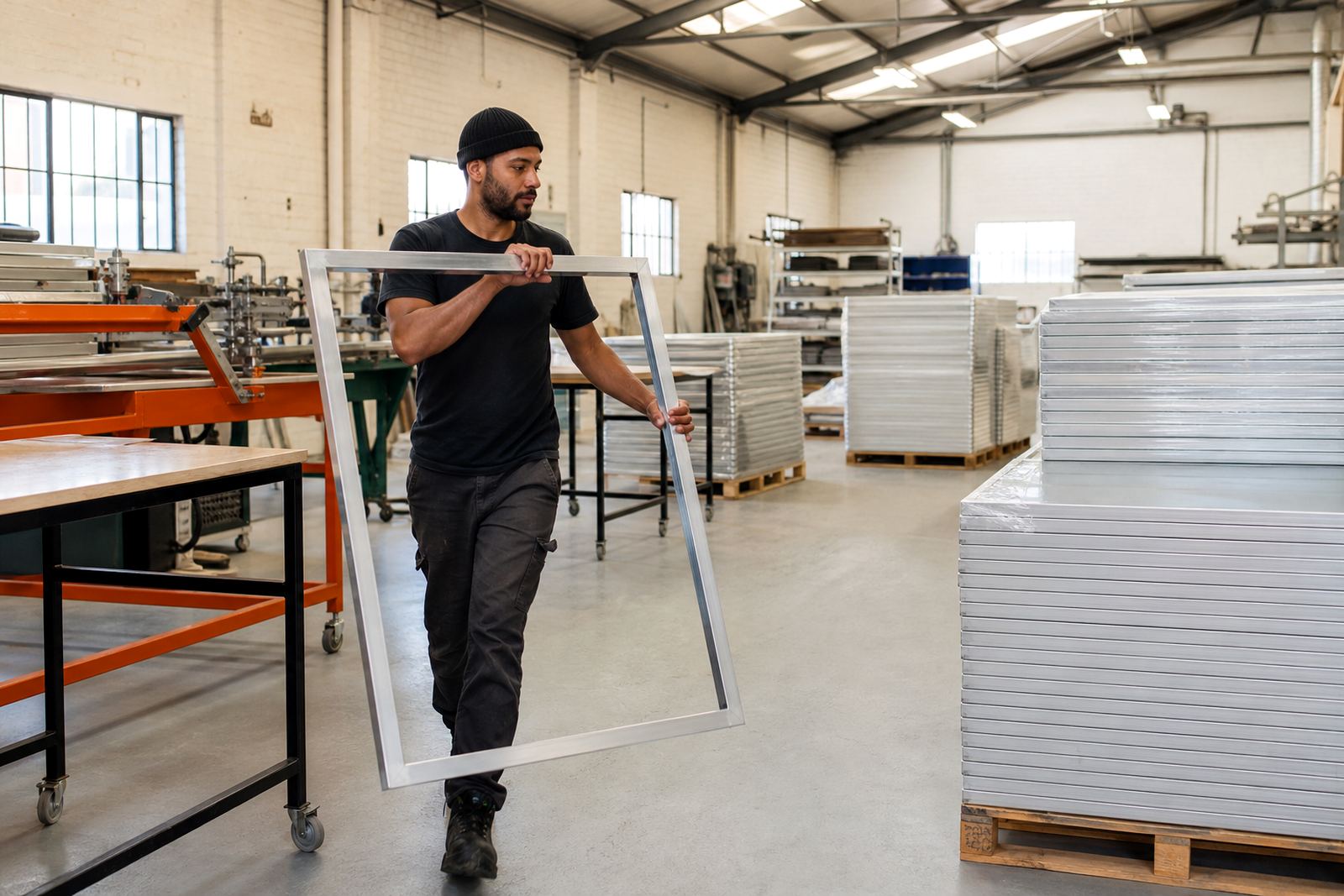
Each frame is made for garment decoration work and suits printers who run repeat jobs, short runs and multi-colour setups. The aluminium body keeps the frame light enough to handle easily, while still giving the stiffness needed for reliable screen tension. For South African print shops working in Maitland, Bellville, Paarl or further afield, the frame is a practical choice for daily use in warm weather, coastal humidity and busy workshop conditions.
Size options and frame choices
High Tension Frames can be supplied in standard garment-printing sizes and custom sizes to suit your artboards, presses and reclaim area. If you already work with fixed platen sizes, it helps to match the outside frame measurements to your press clearance and your drying racks. Custom sizing is useful where a workshop prints for mixed garments, oversized artwork or short-run specialty items.
- Standard sizes for common garment printing layouts
- Custom sizes for large artwork or tight press setups
- Light, medium and heavier duty frame profiles depending on use
- Mesh options matched to detail level and ink type
- Frames prepared for new stretching or restretching existing frames
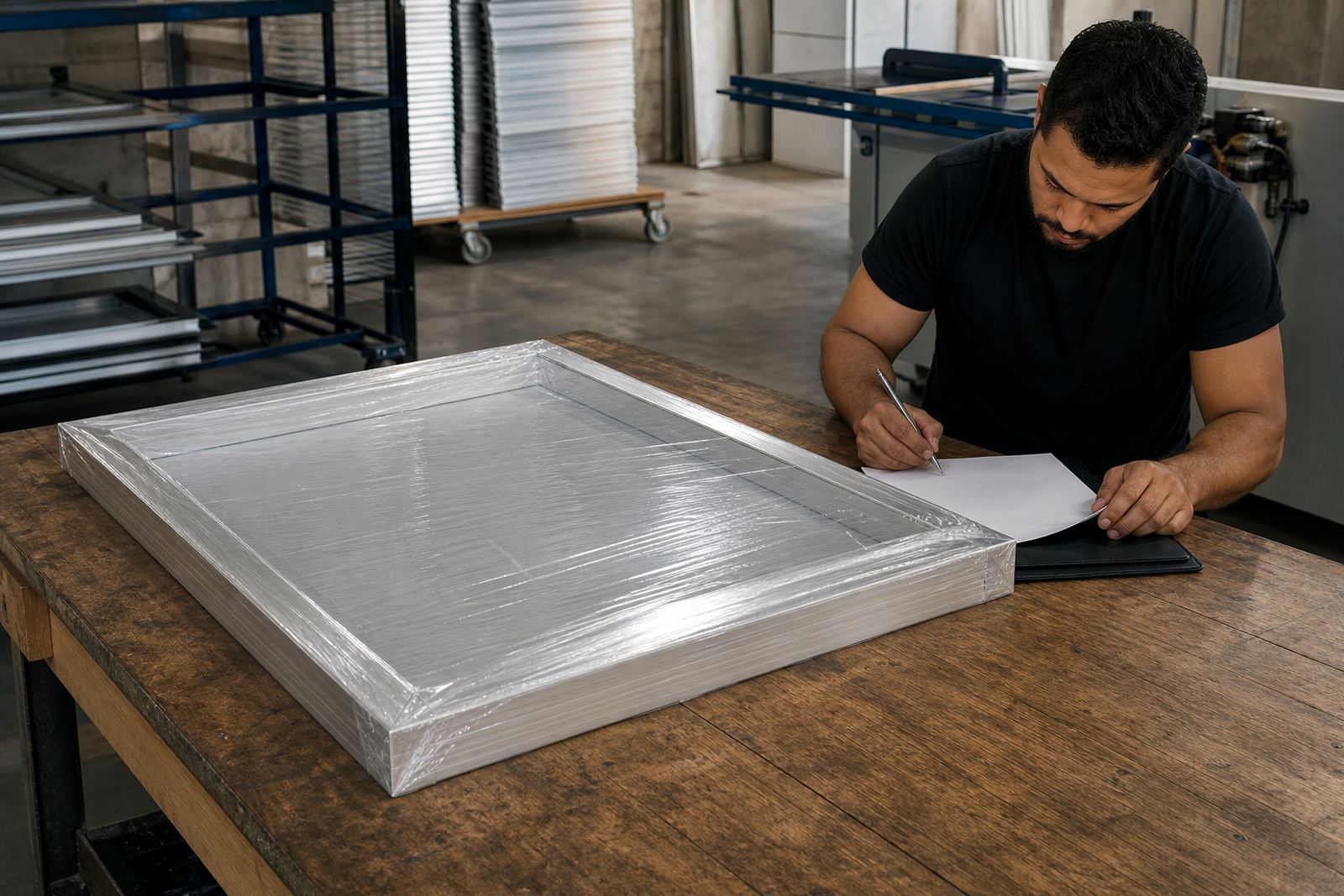
When ordering, check the finished screen size you need, not only the artwork size. You also need to allow enough border space for tape, edge clearence and handling. That little bit of planning saves time when the job lands on the press.
Where the high tension frame works best
This frame suits garment printers who need accuracy more than heavy ink laydown. It is a strong fit for fine-line printing on T-shirts, hoodies, tote bags, workwear and promotional garments. It also works well where a design has tight registration between colours, or where the printer wants a cleaner stencil under more demanding production conditions.
It is especially useful for:
- Small text and detailed logos
- Halftone and photographic work
- Light garments where sharp edges matter
- Multi-colour prints that need repeat registration
- Jobs that must hold tension through frequent use
If your workshop handles urgent turnarounds or bulk orders, a frame that keeps its tension better can reduce retension calls and improve consistency across the day. That is useful for Cape Town humidity, Durban moisture and fast-moving production floors anywhere in South Africa.
Installation, setup and workshop requirements
The High Tension Frame itself does not require power or gas to use once it is in place. It is a manual screen-printing component, so the main requirement is correct stretching, inspection and fitting before the screen goes onto the press. For workshops using stretching equipment, the frame should be set up on a level work surface with enough room for tensioning, drying and cleaning.
If you are having screens prepared in-house, make sure the workshop can handle the full frame size comfortably. Good airflow helps during adhesive cure times, and steady conditions are better than a damp corner near a roller door. In coastal areas, extra care is needed because moisture can affect adhesive performance and mesh stability. There is no gas requirement, and no electrical installation is needed for the frame itself.
Care, cleaning and service life
Like any printing frame, the High Tension Frame lasts longer when it is cleaned properly after each cycle. Ink residue, reclaim chemicals and mesh damage all affect how well the screen performs over time. Aluminium is practical for repeated use, but it still needs sensible handling, drying and inspection after each job.
ScreenFrame services that support this product include mesh removal, frame cleaning, adhesive application, tension checks and frame inspections. We also handle restretching existing frames and custom size stretching for workshops that want to keep good frames in use rather than replacing them too soon. A simple routine goes a long way:
- Rinse and clean screens soon after printing
- Avoid harsh knocks on corners and edges
- Check for loose mesh or frame twist before reuse
- Store frames flat or in a protected rack
- Keep reclaimed frames dry before restretching
For larger shops, regular servicing helps keep output more consistent and reduces avoidable stoppages during busy periods.
What to confirm before you place an order
Before ordering, it helps to confirm the frame size, mesh count, artwork type and how many screens you need. If you print fine detail, ask for a tension level that suits the job rather than a general-purpose setup. If you are doing bulk screen orders, it is worth aligning all frames to the same specification so your setup stays predictable from one screen to the next.
Useful checks include:
- Finished frame size and press clearance
- Mesh count suited to the ink and artwork detail
- Single screens or bulk quantities
- New stretching or restretching of existing frames
- Pickup and return, or delivery to your area
ScreenFrame supports customers across Cape Town, Johannesburg, Durban, Pretoria and Gqeberha, with collections and deliveries arranged through the enquiry form on the contact page. From Maitland Workshop to the Paarl supply route, we keep the process straightforward so you can get the right frame for the job without wasting time.
Key facts
| Frame material | Aluminium |
|---|---|
| Use | Screen-printing for garment decoration |
| Strength focus | Firm mesh tension for detail work |
| Size range | Standard and custom sizes available |
| Service options | New stretching, restretching, cleaning and inspections |
| Power or gas needs | None for the frame itself |