
Compact Frame Built for Small Print Areas
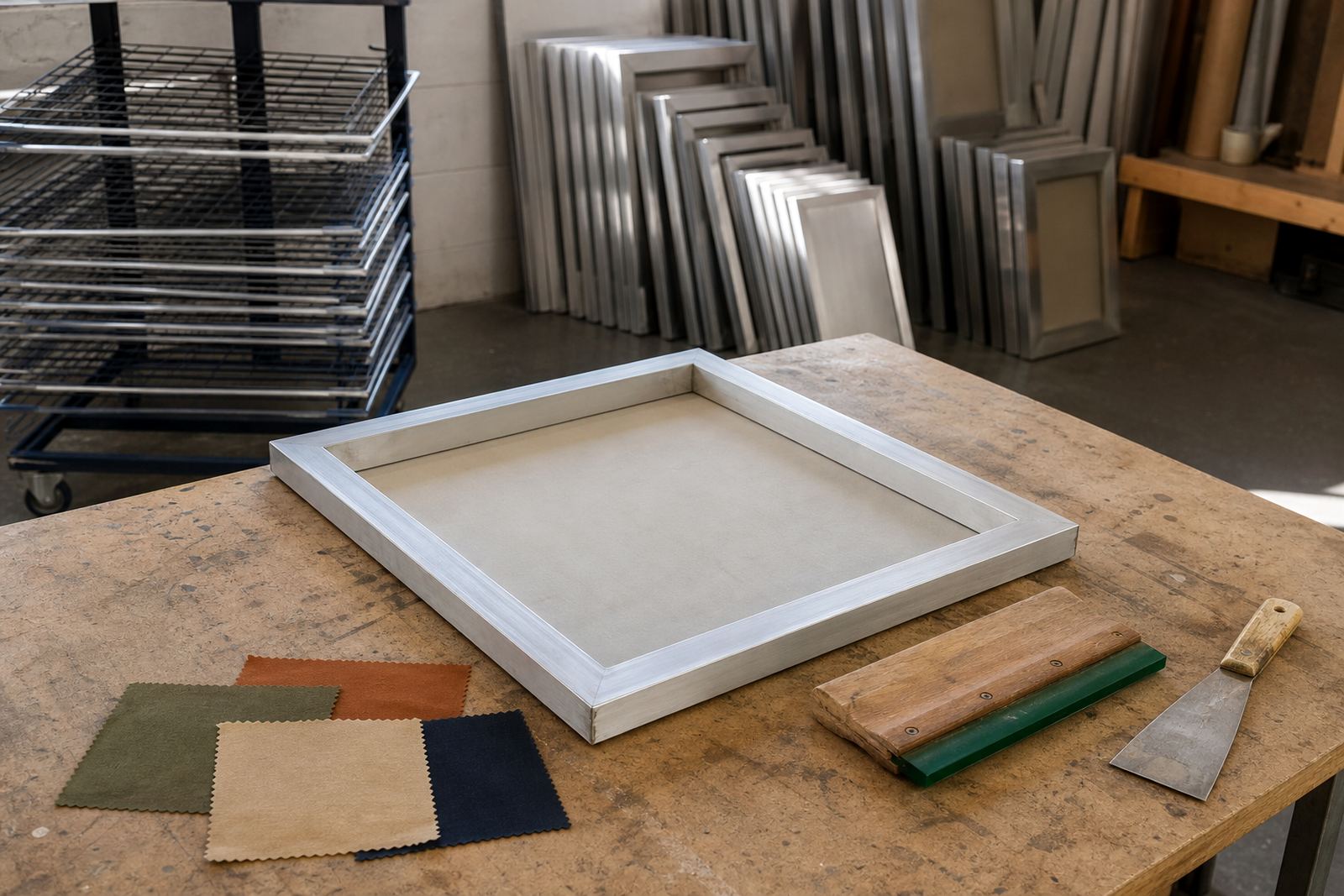
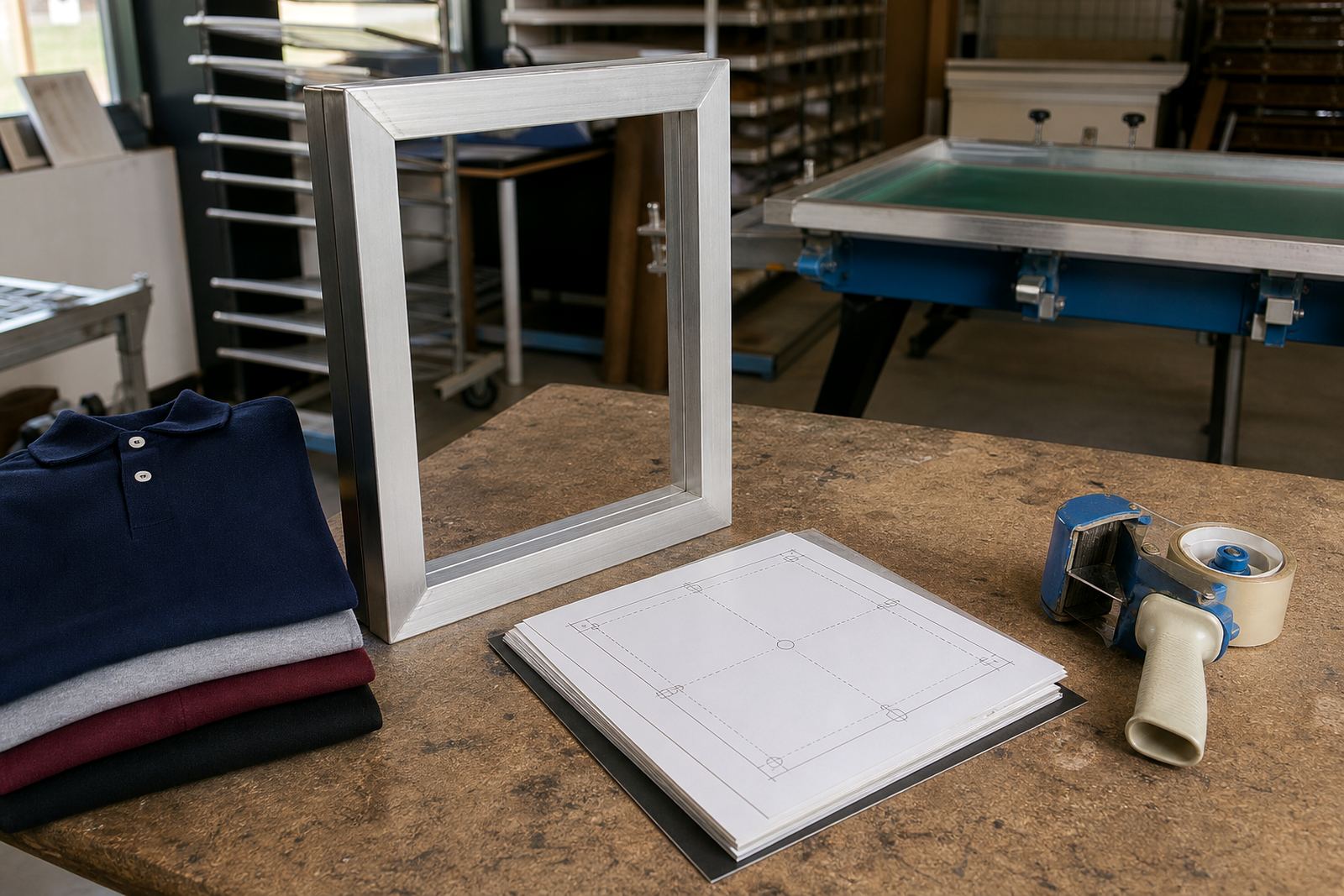
The Pocket Logo Frame is made for the smaller jobs that still need to look sharp. Think left-chest logos, staff wear, school uniforms, club tops and work shirts where the print must sit cleanly and repeat the same way every time. The frame is light enough to move around the workshop but solid enough for regular use in busy print rooms.
Because the print area is small, this frame helps you keep detail under control. Fine lines, small text and simple one-colour marks hold their shape better when the mesh is stretched properly and the frame is not flexing during print. That matters when you are doing run after run in Cape Town heat or in a humid Durban shop where mesh can start to feel soft if the frame is poorly built.
Our pocket logo frames are suited to garment printers who need a tidy, dependable frame for repeat work. They are also useful for smaller businesses that want a frame size that does not take up too much space on the rack. In a Maitland workshop or a home studio in Pretoria, that smaller footprint makes daily handling easier.
Sizes, Mesh Choices and Frame Options
We supply pocket logo frames in practical sizes for compact artwork and small placements. The most common choice is sized to suit left-chest printing, but custom sizes are available if you need a different print window, wider margins or a frame to match your existing setup. When ordering, it helps to measure the print area you need, not just the garment size.
- Standard pocket logo size for left-chest branding
- Custom small-format sizes for school, corporate and retail work
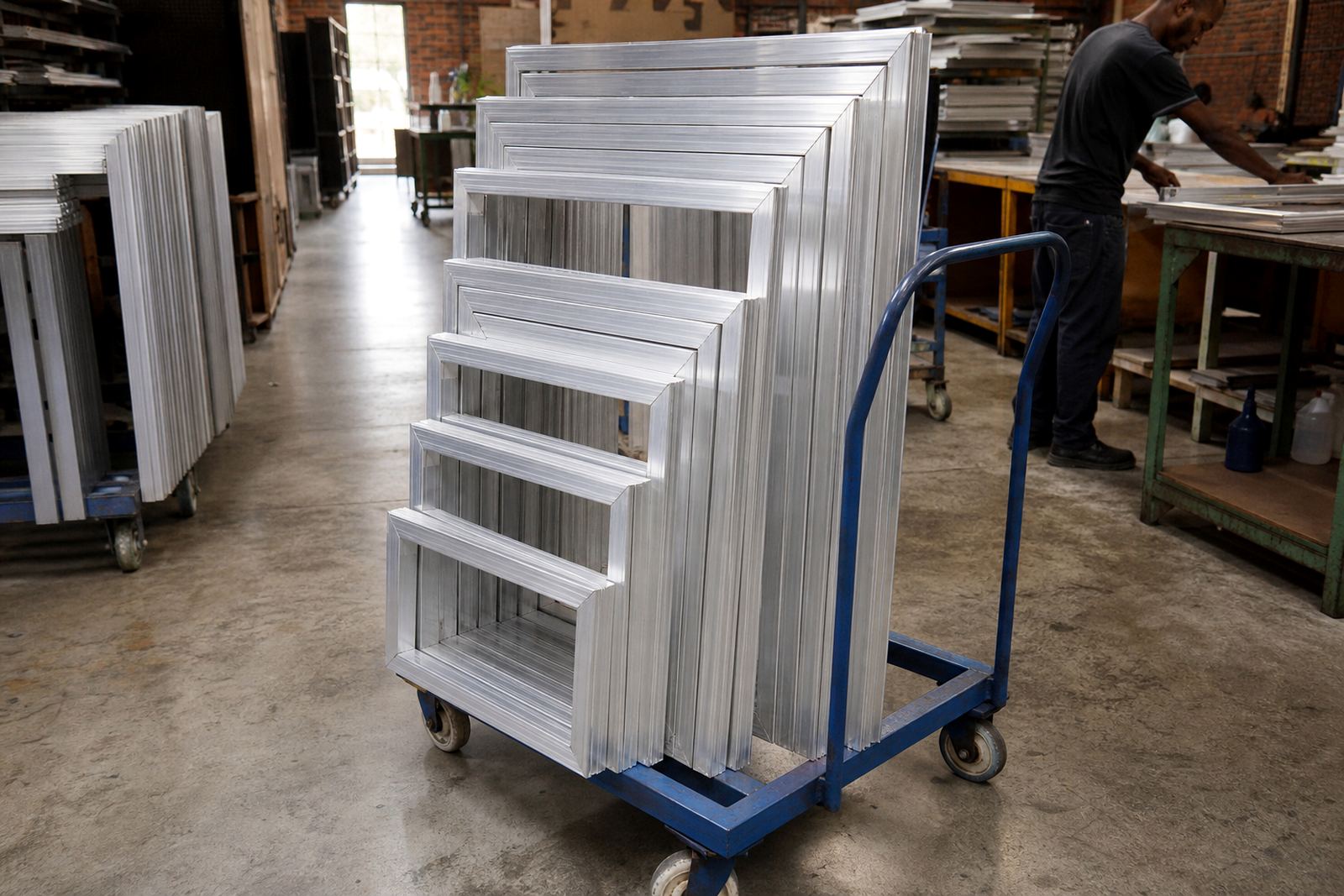
- Aluminium frame construction for lighter handling
- Mesh supplied and stretched to suit the job
- Options for fine detail, general garment printing or thicker ink deposits
Mesh choice depends on the print style. For small text and detail, a finer mesh gives better image control. For bolder logos or heavier ink, a more open mesh may be better. If you are not sure which count to choose, we can help match it to the artwork and the fabric type. A soft cotton T shirt, for example, can take a different setup to a technical polo or polycotton work shirt, so it pays to check before stretching.
Where the Pocket Logo Frame Works Best
This frame suits printers who do a lot of small placement work and need repeatable results. It is a good fit for garment decorators working on uniforms, event clothing, hospitality wear, retail basics and promotional tops. It also works well for hobby printers who want a neater way to handle small artwork without using a large frame for a tiny print.
In South Africa, pocket logo printing often has to move fast and stay consistent. Schools in Johannesburg may need batch work at short notice, while sports clubs in Gqeberha might want a few dozen tops packed and ready before the weekend. A proper pocket logo frame helps you keep registration steady and cut down on wasted ink and time.
- Left-chest logos on T shirts, golf shirts and hoodies
- Small brand marks for uniforms and workwear
- School and club garments with neat placement limits
- Short-run promotional items where presentation matters
It is also a sensible choice when you are trying to keep the workshop organised. Small frames are easier to store, easier to move and quicker to inspect. That makes a difference when you are juggling urgent turnarounds, pickups and return jobs, or doing production in a space where every square metre counts.
How It Is Fitted and What It Needs to Run
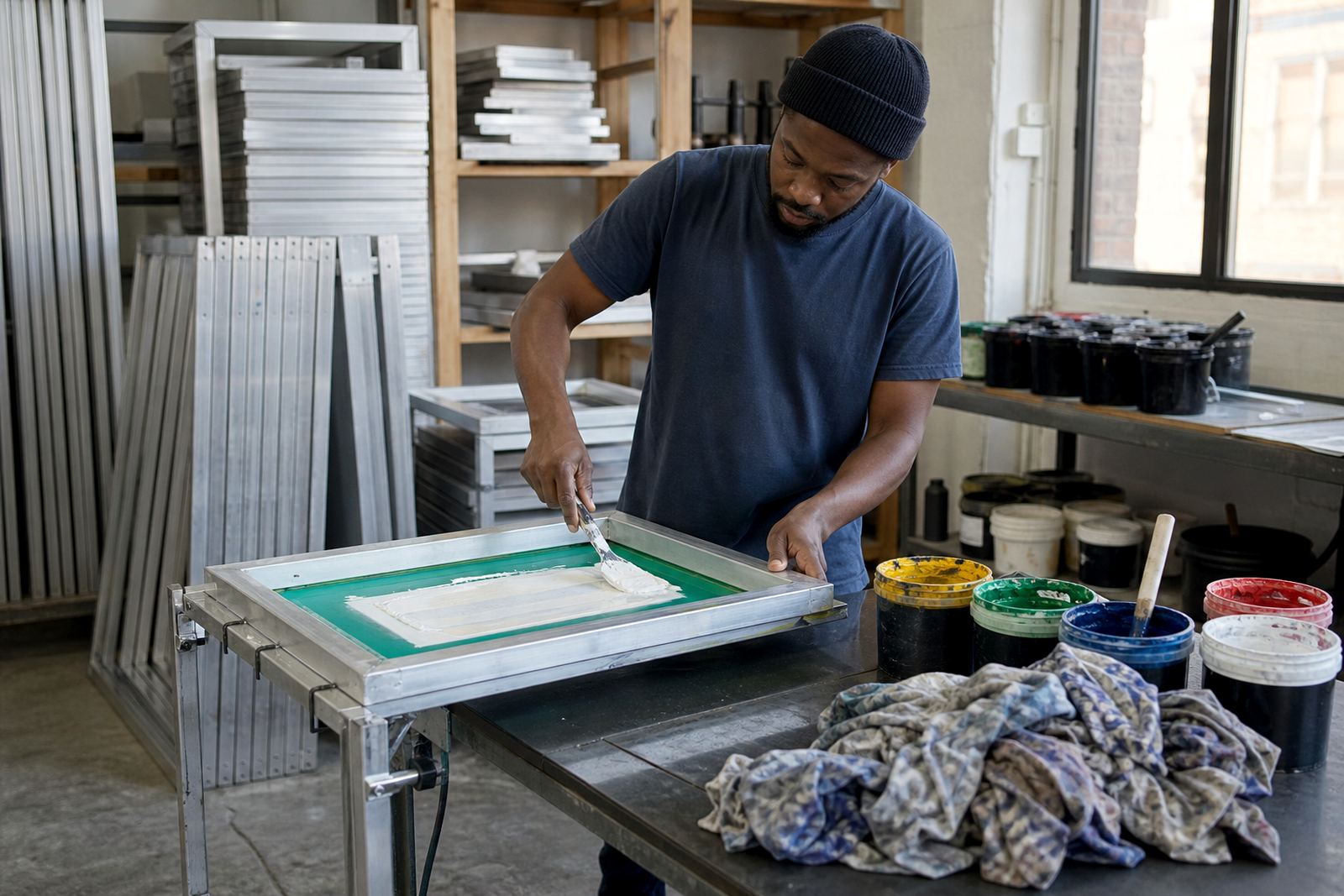
The Pocket Logo Frame does not need power or gas. It is a manual screen frame designed for stretching, coating and printing in the normal workshop way. Once the mesh is stretched and the frame is cleaned, it can be mounted on standard screen printing equipment and used with your usual inks, squeegees and registration setup.
Installation is straightforward but accuracy matters. The frame must sit square, the mesh must be tensioned evenly and the adhesive bond should be checked before printing begins. If the frame is being used with an existing setup, measure your clamps, print station opening and storage space first. A frame that is too wide or too small can slow the whole job down.
For most users, no special utility supply is needed beyond your normal workshop tools and cleaning materials. Keep the working surface level, the mesh dry and the frame free from dirt. If the workshop has load shedding, it helps to have a manual process that can continue without relying on powered equipment. That keeps production moving when the lights go off mid afternoon, which happens often enough in many towns.
Care, Cleaning and Long-Term Use
Good frame care starts after every print run. Ink buildup around the edges, dried emulsion and poor cleaning habits can shorten the life of the mesh and affect print quality. Aluminium frames are practical because they clean up well and do not warp like some other materials, but they still need regular checking.
We recommend a quick inspection after each use and a fuller check before the next stretch or reclaim job. Look for dents, loose corners, adhesive failure and any build-up that could affect tension. In coastal areas like Cape Town and Durban, humidity can also affect storage, so keep frames off the floor and away from damp walls.
- Wash off ink and residue soon after use
- Store frames upright in a dry, clean area
- Check tension before every production run
- Replace damaged mesh before it starts affecting detail
- Keep the frame edges free from old adhesive and dust
If you do regular small-format work, a basic service schedule is worth it. A frame that is cleaned and inspected properly tends to last longer and gives more stable results. That matters when your business depends on neat repeat branding and you cannot afford avoidable rework.
What to Confirm Before You Order
Before placing an order, check the artwork size, garment type and how much clear space you need around the print. Small logos may seem simple, but a few millimetres can change how the print sits on the chest. If you are using the frame for uniforms or corporate wear, ask for the exact placement standard before we stretch the screen.
It also helps to confirm the mesh count, frame size and whether you need a new stretch or a restretch on an existing frame. If your artwork changes often, tell us how many designs you plan to run and whether the frame needs to suit one job or a broader range. That way we can match the setup properly and avoid delays later.
- Artwork size and final print placement
- Garment type and fabric blend
- Mesh count required for the detail level
- Frame size and whether custom dimensions are needed
- New stretch or restretch on an existing frame
- Quantity needed for bulk orders or production runs
For customers in Maitland, Bellville, Paarl and across South Africa, our team can help you choose the right pocket logo frame for your printing work. If you need pickup and return, bulk supply or an urgent turnaround, we can advise on the best option based on your job size and delivery area.
Key facts
| Frame material | Aluminium |
|---|---|
| Use | Small-format garment screen printing |
| Typical application | Left-chest logos, badges and small branded placements |
| Size options | Standard pocket logo sizes and custom dimensions |
| Power or gas required | None |
| Service options | New stretching, restretching, mesh removal, cleaning and pickup and return |