
Built for everyday plastisol production
The Plastisol Frame is made for garment printers who want a dependable frame for regular plastisol work on tees, hoodies, totes and workwear. It is an aluminium screen-printing frame, so it stays lighter than timber, handles repeated washing better and is less likely to warp when the weather changes. In Maitland and other coastal areas, that matters because damp air can affect cheaper frames and lead to movement over time.
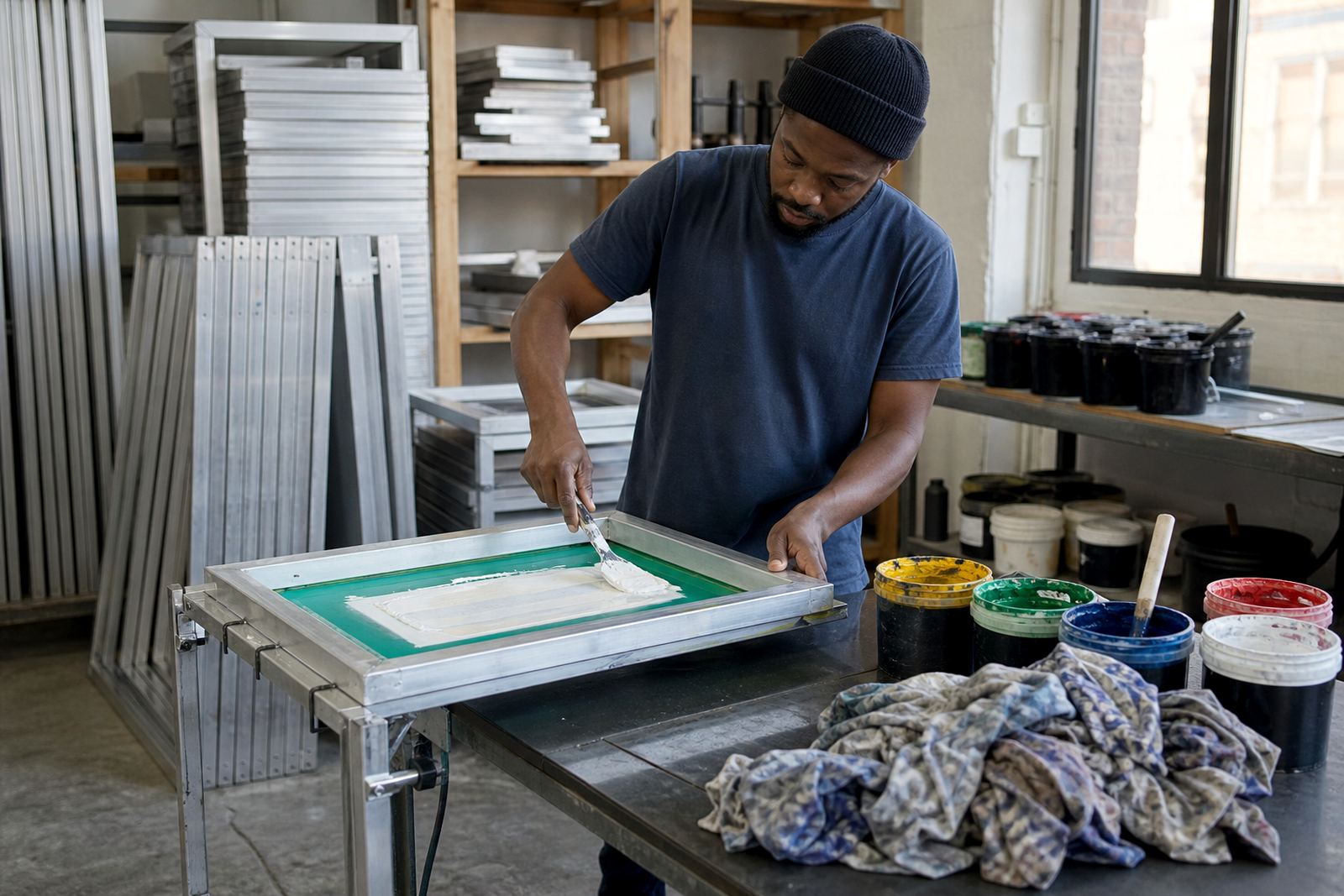
This frame is a good fit for production shops, small studios and hobby printers who want cleaner registration and more consistent print runs. It is designed to support standard screen mesh tension for plastisol inks, giving you a stable base for bold spot colours, underbases and detailed artwork. If your setup uses hand-printing or a compact press, the frame is easy to move, clamp and store without taking up too much space.
ScreenFrame makes these frames for South African conditions, so the focus is on practical handling, solid corners and a finish that can take regular cleaning. No power or gas is needed for the frame itself, which keeps setup simple whether you are printing in a workshop in Cape Town or sending jobs out to Johannesburg and Durban.
Size choices for different print runs
Plastisol work can be very different from one printer to the next, so we offer size options that suit both small-format artwork and larger garment placements. The right size depends on your press, your design area and the mesh count you plan to use. If you are printing standard chest logos, a medium frame is usually enough. For oversized prints or larger stencils, a bigger frame gives you more working room.
- Standard production sizes for common garment printing jobs
- Custom size stretching for unusual artwork or press requirements
- Options for bulk screen orders when you need matching sets
- Frames suited to repeat use in manual and semi-manual setups
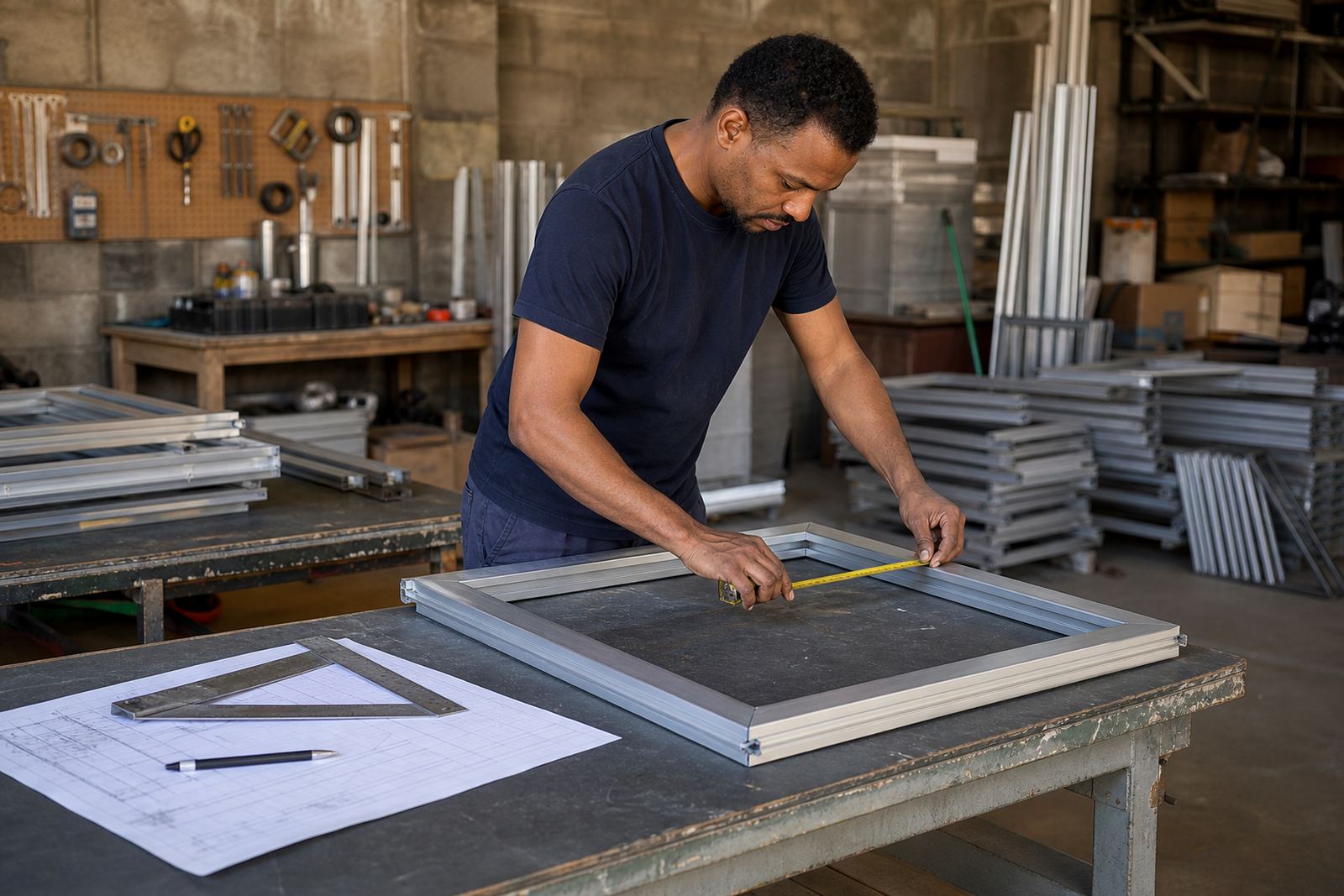
When ordering, measure the screen opening your press can accept, not just the artwork size. Leave enough margin around the image for mesh, tape and handling. If you need the same size across multiple screens for a run, ask for matching specifications so the screens sit consistently on the press. That helps with quicker setup and less fuss during long production days.
Where this frame suits best
This product suits printers working with plastisol ink in workshops that print garments for schools, events, retail labels, sport clubs and promotion companies. It is also useful for hobby printers who want a proper production-style frame rather than a light craft frame that moves around too much. For busy jobs, the frame is strong enough for frequent loading, cleaning and re-stretching if needed.
It works well in places where print conditions are not always controlled. Coastal humidity in Cape Town, summer heat in Pretoria and dust in inland workshops can all affect printing equipment over time. A well made aluminium frame helps keep the screen flatter and easier to manage. If you run a small team, that can save time on registration and reduce wasted prints when you are pushing through urgent orders.
- Garment printing shops using plastisol ink daily
- Print rooms needing repeatable tension and clean edges
- Schools, clubs and local brands ordering small to medium runs
- Workshops that need frames for manual press use
Installation, setup and what the frame needs
The Plastisol Frame itself does not require electricity or gas. What matters is that your screen room, drying area and press setup are ready for the work you plan to do. If you are stretching mesh onto a new frame, the frame must sit flat and square before exposure. If it is going straight into production, check that your press clamps match the frame profile and that the screen is seated properly.
For best results, keep the frame on a level surface during storage and setup. Avoid leaving stretched screens in direct sun for long periods, especially in hot workshops or vehicles. If you are working near the coast, wipe down the frame after washing so salt moisture does not sit on the corners and fittings. There are no special utility requirements beyond the normal equipment in a screen-printing room, which makes this a straightforward choice for many operations.
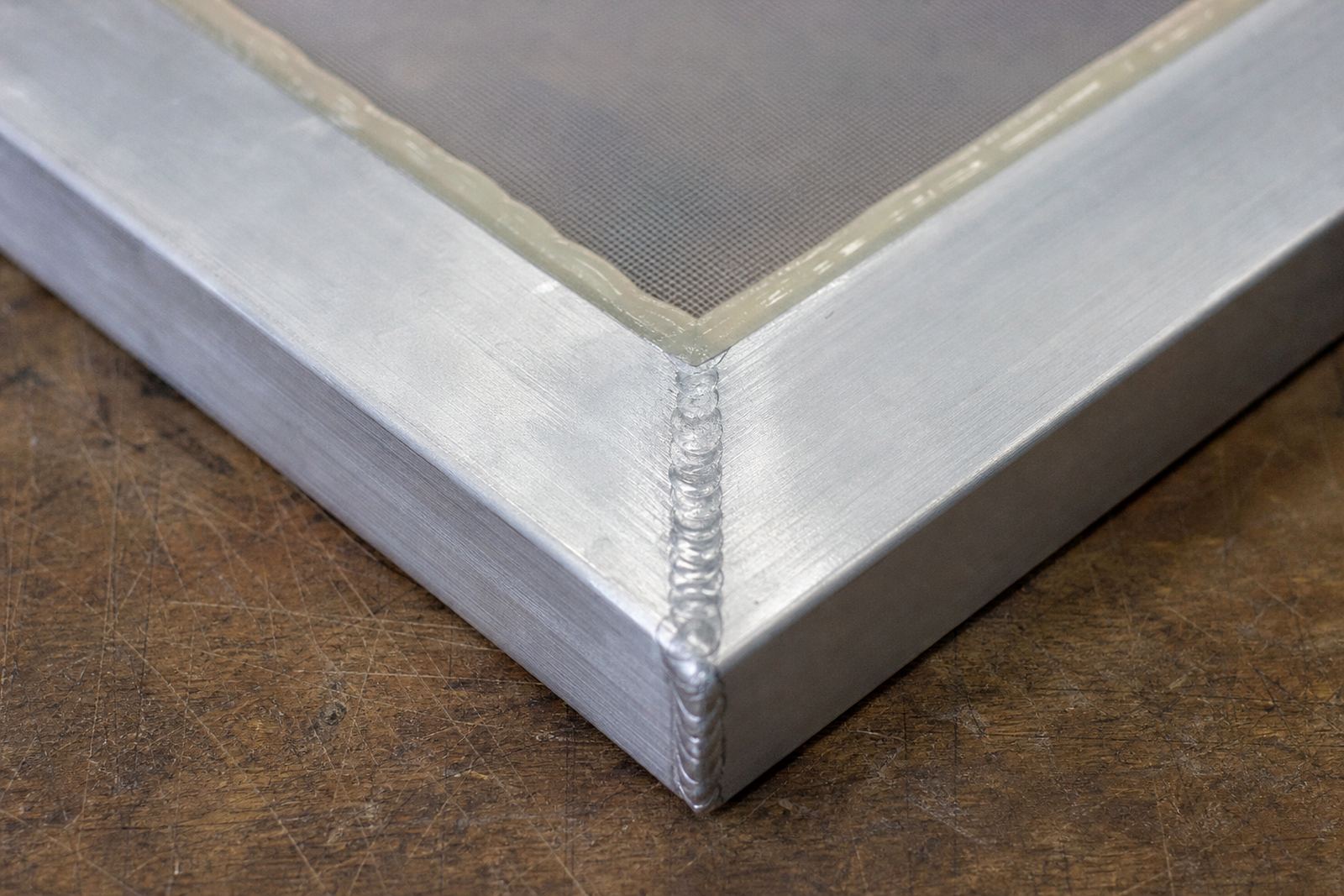
When a new frame arrives or returns from restretching, inspect the mesh tension, corner joints and frame surface before use. A quick check saves time later and helps prevent problems like image distortion or uneven ink deposit during the print run.
Care and servicing for longer working life
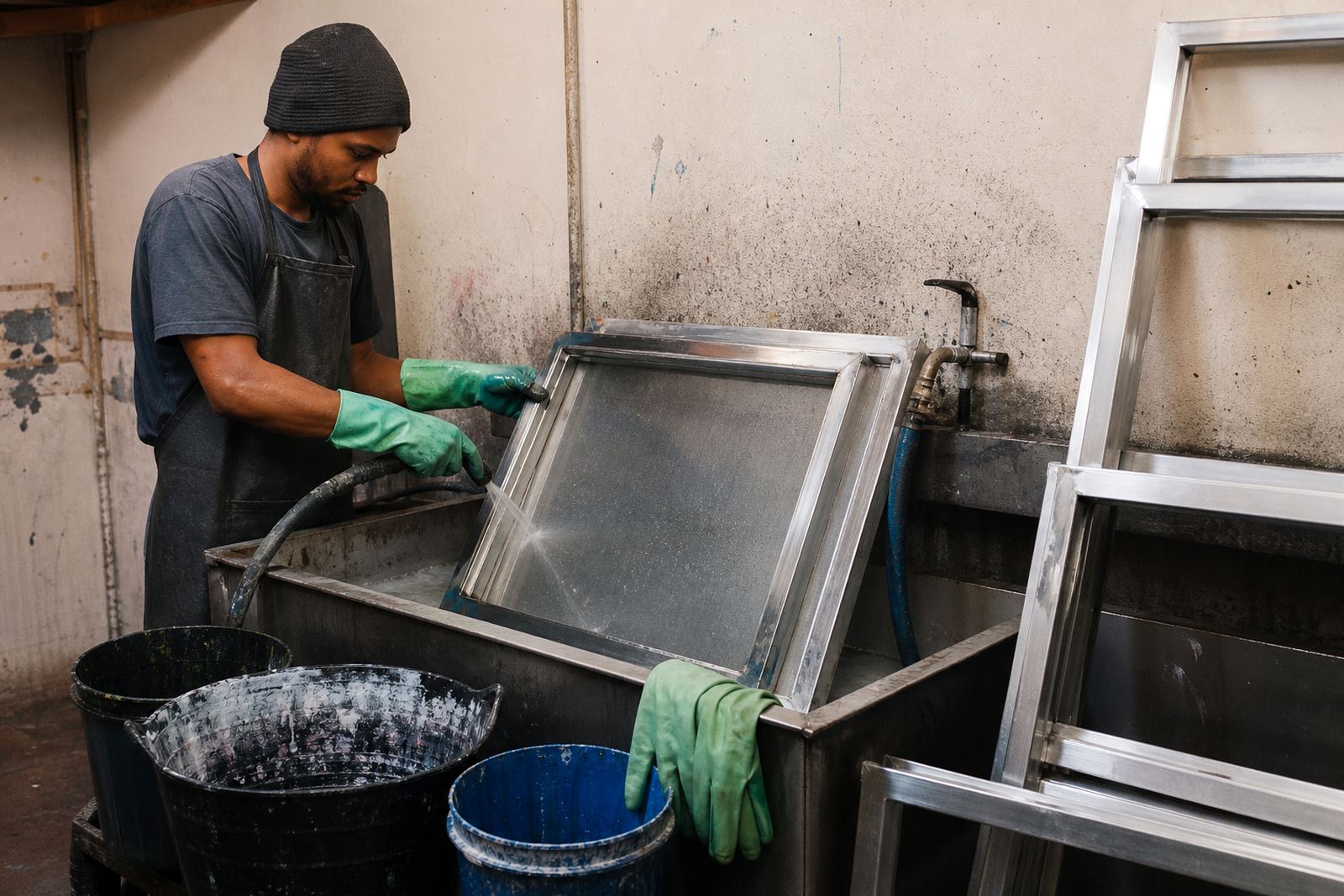
Like any production item, the frame lasts longer when it is cleaned and checked properly. After printing, remove ink residue, adhesive build-up and tape marks before they harden. If plastisol is left to cure on the mesh or frame edges it becomes much harder to clean and can affect future stretching or coating. A simple routine after each run keeps the frame in good condition.
We also recommend regular tension checks, especially if the frame is used often or moved between workshops and delivery routes. If a screen has lost tension or the mesh is damaged, it is usually better to restretch or replace the mesh before the next job. That keeps print quality steady and avoids wasting ink and substrate.
- Wash off ink and adhesive after each print run
- Check corners for wear, dents or looseness
- Store screens flat or upright in a dry area
- Ask for mesh removal and frame cleaning when reusing older screens
ScreenFrame can help with restretching, mesh removal, frame cleaning, adhesive application and frame inspections. If you are running back to back orders in Cape Town, Johannesburg or Durban, planned servicing helps keep production moving without last minute surprises.
What to check before placing your order
Before ordering a Plastisol Frame, have your measurements, press style and artwork size ready. This makes it easier to match the screen to the job and avoid delays. If you are ordering for a larger workshop or multiple branches, confirm whether you need the same frame size for all screens or different sizes for different print areas.
- Required mesh count and how it relates to your ink and artwork
- Inside dimensions needed for your press and clamp system
- Whether you need new stretching or restretching on existing frames
- Quantity required for bulk screen orders or repeat production
- Turnaround time if the order is urgent
- Delivery or collection preference, including Bellville collections or regional deliveries
If you are unsure, send the job details through the enquiry form on our contact page. Our team in Maitland can check what suits your setup, whether you are in Cape Town, Gqeberha, Pretoria or elsewhere in South Africa. Clear ordering details help us supply the right frame the first time, and that keeps your print schedule moving.
Key facts
| Material | Aluminium |
|---|---|
| Use | Plastisol garment printing |
| Frame type | Production screen-printing frame |
| Services available | New stretching, restretching, cleaning and inspections |
| Typical use | Manual and semi-manual garment printing |
| Supply area | Cape Town, Johannesburg, Durban, Pretoria and Gqeberha |