
What the Lightweight Frame is made for
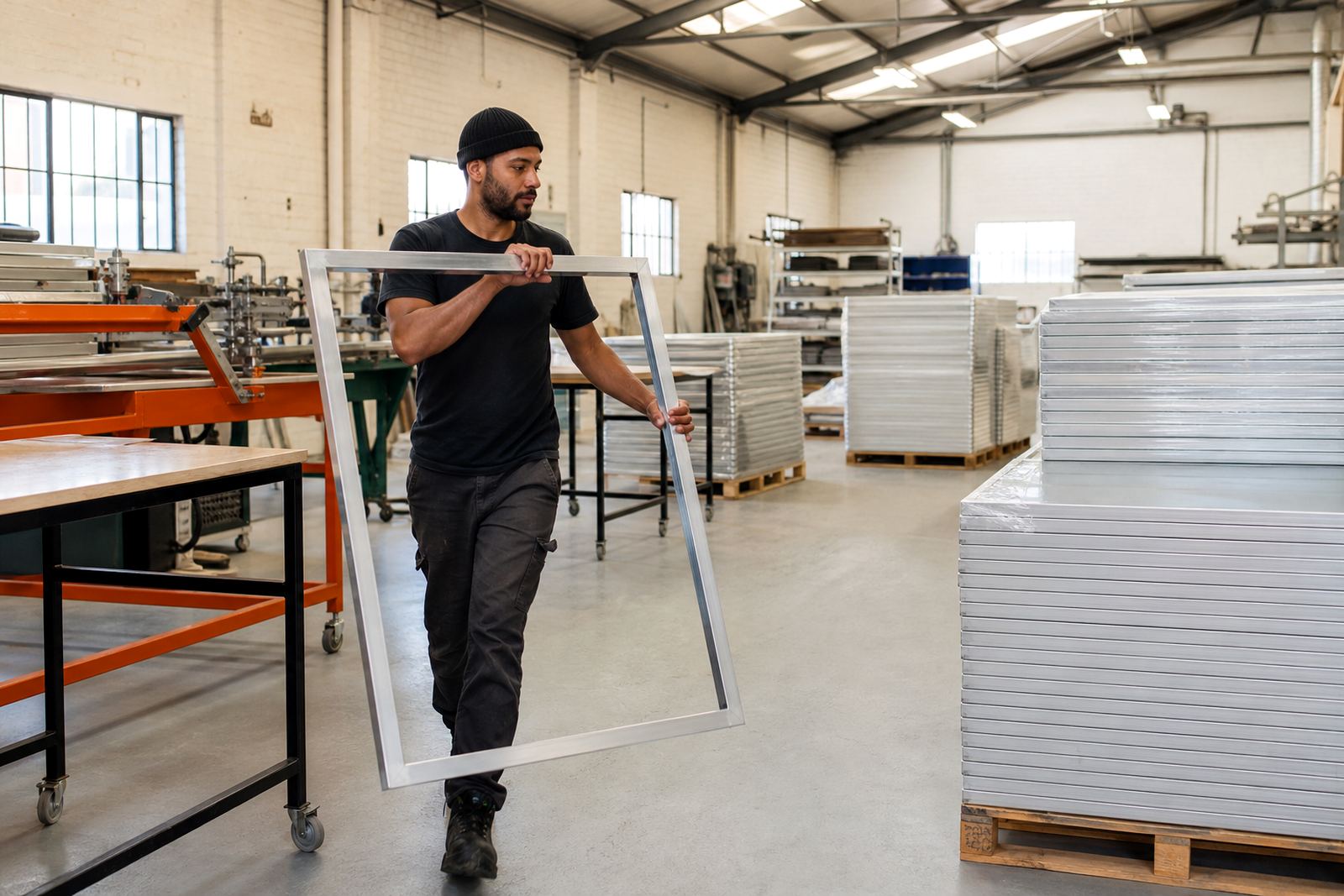
This frame is built for garment printers who want a lighter frame for day to day work. It is especially useful where screens are moved often between stretching, cleaning, coating and printing, or where one person handles stock on their own. In a small shop in Maitland, a home setup in Bellville or a mobile printing rig that travels between client sites, less weight makes a real difference.
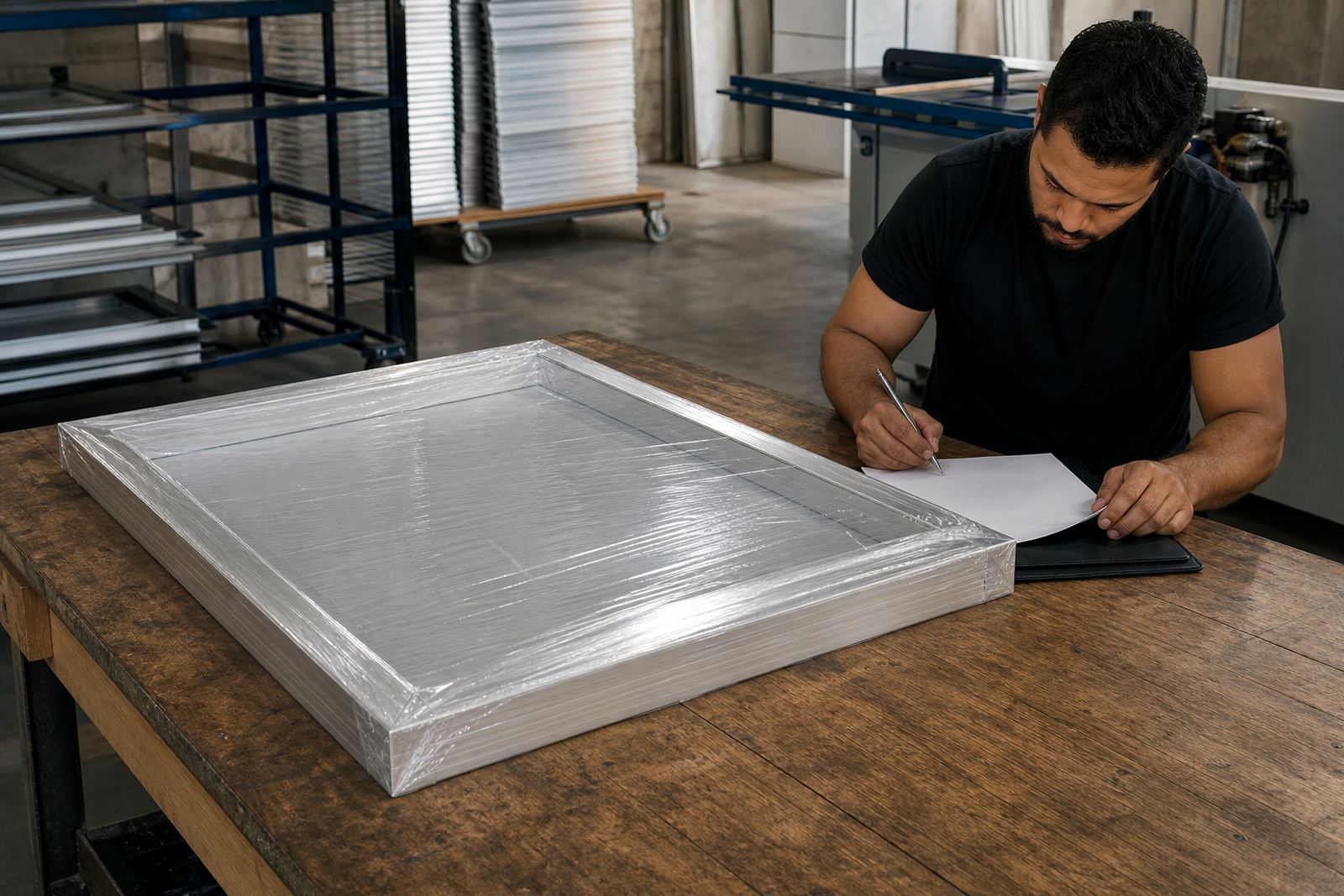
The frame uses aluminium for a straight, stable body that handles South African workshop conditions well. Aluminium does not swell like timber and it keeps its shape better in humid coastal air, which matters in Cape Town, Durban and Gqeberha. It is a practical choice for printers who need consistent screen tension and easier lifting. It also helps when power interruptions slow down a full production day, because lighter handling means less effort when you are resetting by hand.
Sizes, profile options and screen fit
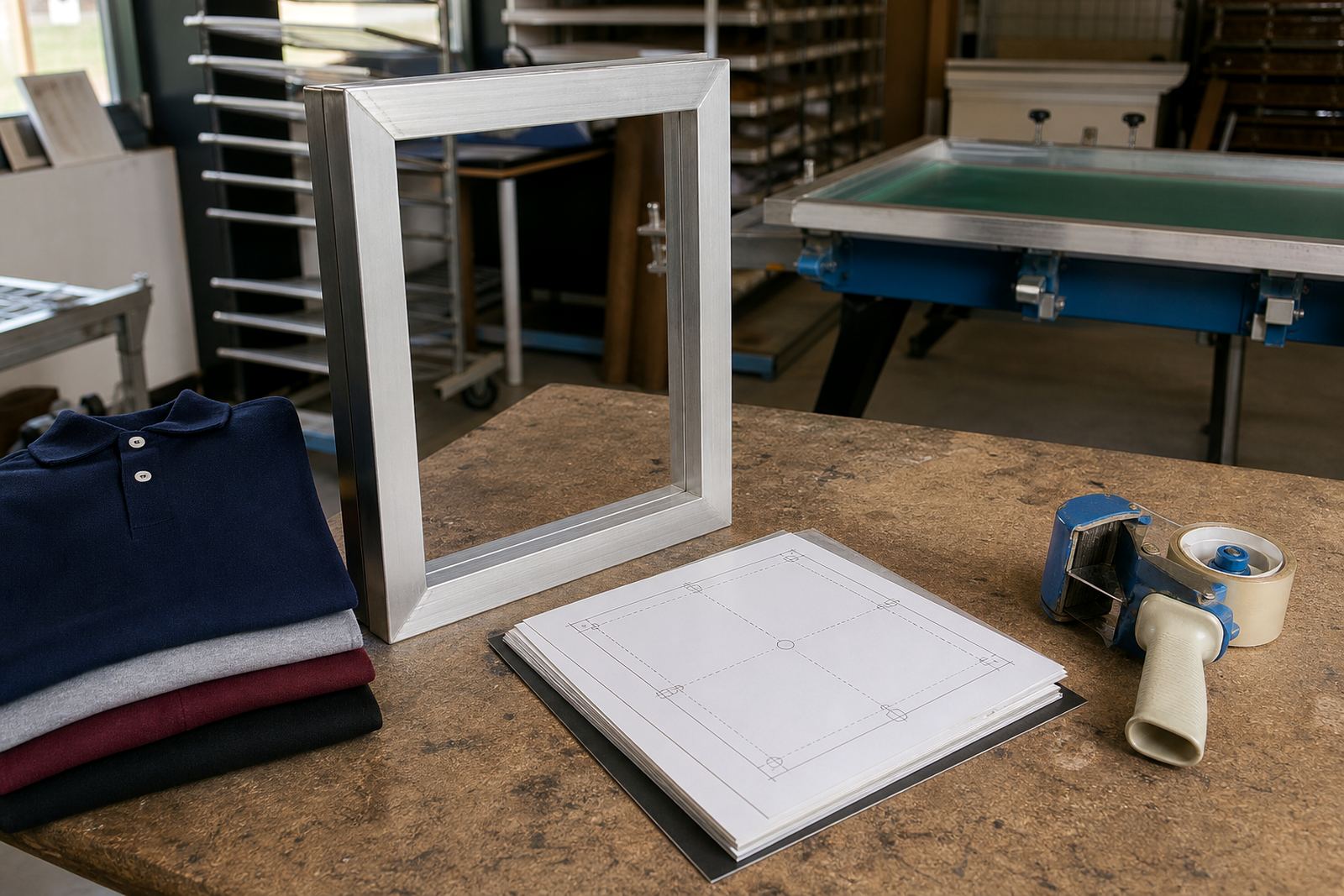
These frames are supplied in common garment-printing sizes, with custom sizes available for shops that need a specific print area. The most requested options suit single-colour work, short runs and smaller garment formats. If you are printing on tees, kidswear, workwear or smaller promotional items, the lighter frame keeps setup simple.
- Standard small-format sizes for garment printing
- Custom sizing for special artwork or niche garments
- Single-frame supply or bulk screen orders
- Suitable for manual stretching and workshop use
When ordering, it helps to check the external frame size, the required print area and the mesh count you plan to use. A frame that is too small can waste artwork space, while a frame that is too large may be awkward on a compact press. For shops that keep several screen sizes in rotation, a consistent frame profile makes storage and handling easier.
Where this frame suits best
The Lightweight Frame suits smaller printers, start-up shops, home businesses and mobile decorators who need something easy to carry. It also works well for support stock in a larger operation, especially where a team wants a lighter frame for test prints, sampling or short production runs. In Durban and along the coast, the aluminium body is useful in humid conditions where heavy handling and moisture can be a nuisance.
It is a good option for printers who work from shared workshop space, pack screens in and out of a vehicle, or move between a supply point and a press on the same day. If your operation includes pickup and return or deliveries to Johannesburg, Pretoria or Gqeberha, lighter frames can reduce strain when screens are loaded and offloaded. That makes daily work a bit smoother and less tiring.
- Smaller garment printing shops
- Mobile printing setups
- Home-based printers with limited storage
- Workshop teams needing easier lifting
How it installs and what it needs
The Lightweight Frame does not need power or gas. It is a manual screen frame, so installation is about proper stretching, adhesive application and checking that the mesh sits evenly across the frame. That makes it suitable for shops that want to work without relying on electrical equipment for the frame itself. If you are setting up in a workshop with load-shedding, the frame still does its job without interruption.
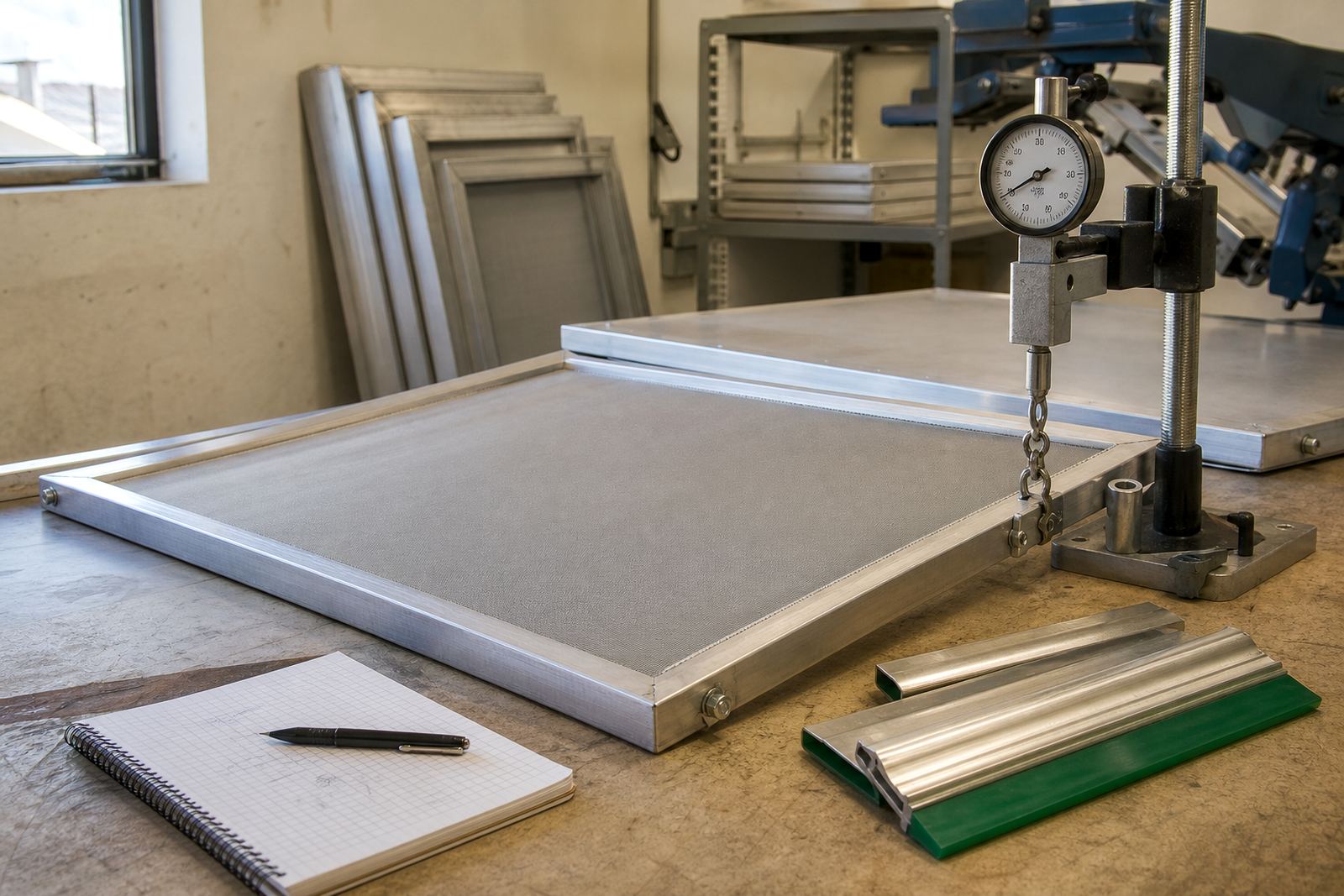
For best results, the frame should be cleaned before stretching and checked for flatness before mesh is applied. A good stretch gives better ink control and more even prints. If the frame is being used for a custom size order, make sure your press, exposure area and storage racks can handle the finished dimensions. The frame itself is simple, but the surrounding workflow still matters if you want repeatable results.
Care, servicing and frame life
With regular care, the Lightweight Frame can stay in good working condition for a long time. After printing, remove ink residue and adhesive build up before it hardens. A quick wash and inspection helps prevent scratches, blocked corners and uneven tension later on. If a screen is stored with dried ink or mesh damage, that fault usually spreads to the next job.
We recommend routine frame inspections, tension checks and mesh review after heavy use. If you restretch the same frame often, it is worth checking for corner wear and straightness. Coastal humidity, dust and workshop heat can all affect how a screen behaves over time, so a simple care routine makes a real differnce. For shops that run bulk orders, it also helps to keep a small log of which frames are used most often.
- Clean after each production run
- Check corners and edges for wear
- Store flat or upright without pressure on the mesh
- Keep away from loose solvents and sticky residue
What to check before you order
Before placing an order, measure the print area you need and confirm whether you want a new stretched screen or a frame for future stretching. Check the garment sizes you print most often, the number of colours you usually run and how often the screen will be moved around. That helps us match the frame to your workflow instead of sending something that is too small or awkward.
It also helps to note whether you need custom size stretching, restretching of an existing frame, or bulk screen orders for a team. If you are working across several branches or supply routes, consistency matters because the same frame profile makes handling easier at every point. Our Maitland workshop supports printers across Cape Town, Johannesburg, Durban, Pretoria and Gqeberha, with pickup and return available for suitable orders.
- Required print size and artwork area
- Mesh count and fabric type
- How often the frame will be moved or stored
- Whether you need new stretching or restretching
Key facts
| Frame material | Aluminium |
|---|---|
| Use | Garment screen-printing |
| Handling | Lightweight for easier movement |
| Size options | Standard and custom sizes |
| Needs power or gas | No |
| Service options | Stretching, restretching, cleaning and inspection |