
Built for controlled halftone printing
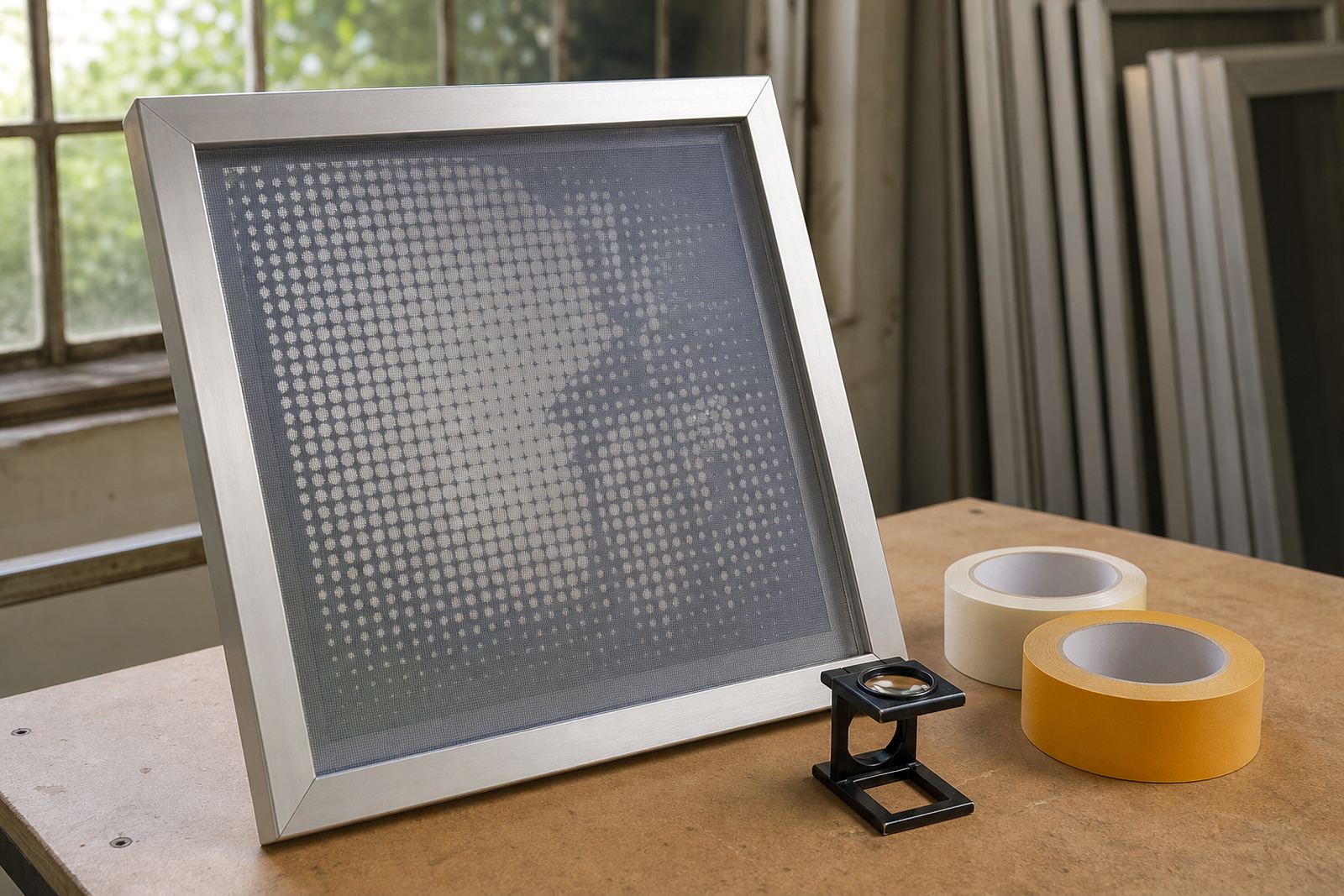
A halftone frame is made for artwork that depends on clean dot structure, even tension and a screen that stays true from the first print to the last. In garment decoration, small shifts in tension or frame movement can change how a halftone image reads on fabric, so the frame itself needs to be light, straight and reliable. Our aluminium frames are made for regular workshop use and suited to printers handling fine detail, simulated process work, tonal gradients and other jobs where control matters.
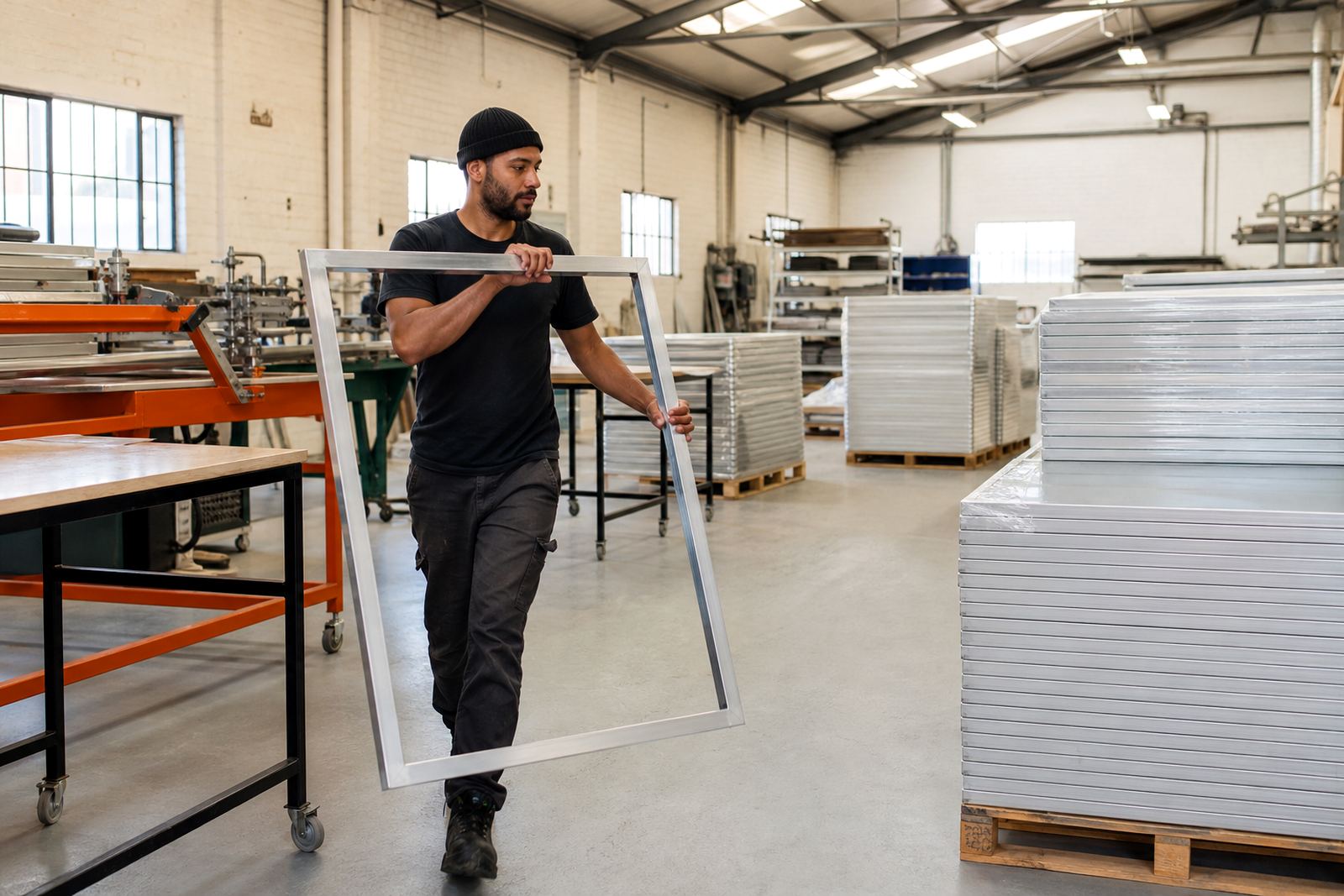
Because aluminium does not warp as easily as timber in damp or hot workshop conditions, it is a practical choice for South African printrooms, especially near the coast where humidity can affect timber frames over time. It also keeps handling easier during reclaim, exposure and printing, and the lighter weight helps when screens are moved between stations or loaded for delivery.
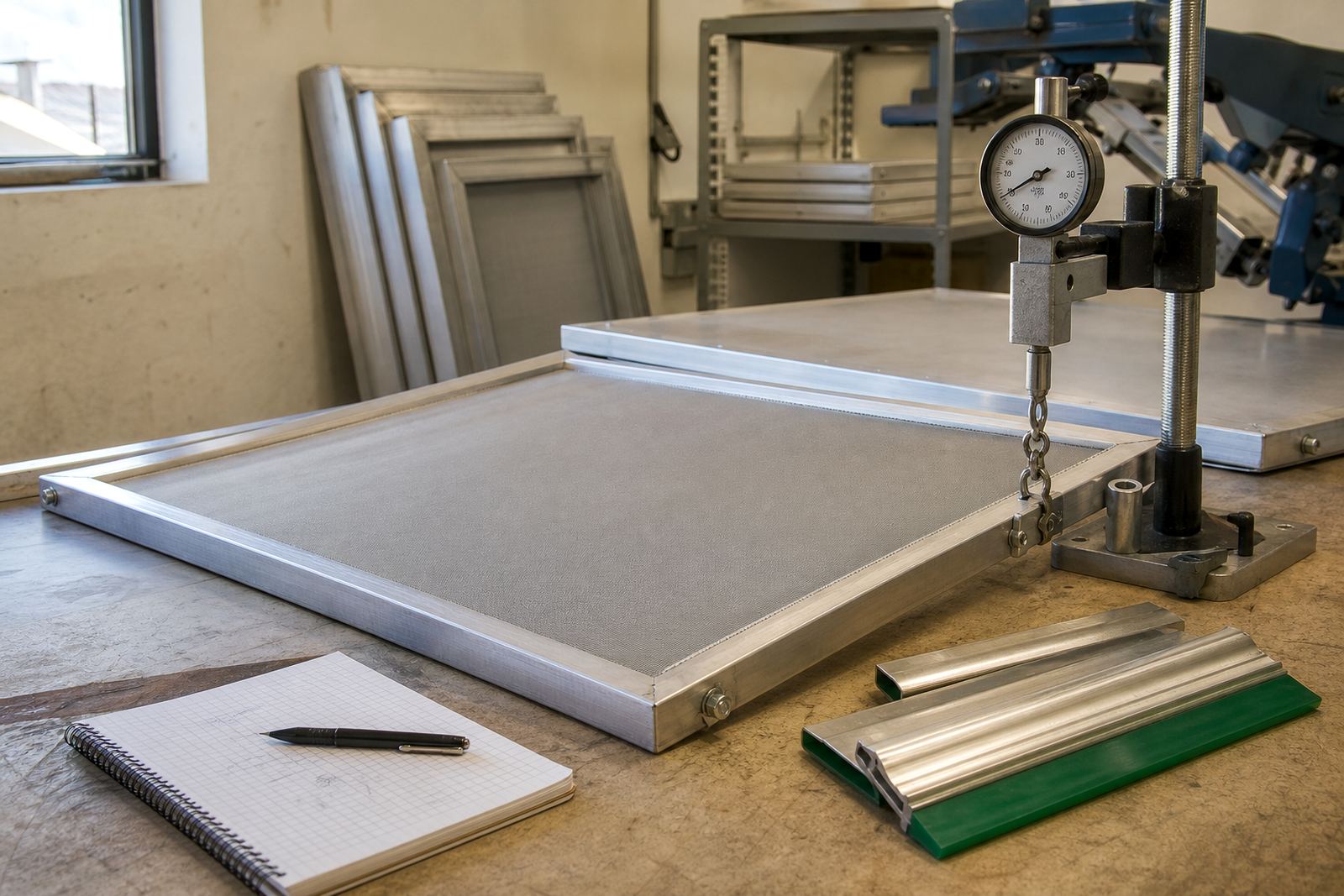
The frame is only one part of the setup, but it has a direct effect on print stability. A well-made frame with correct tension can reduce bounce on the squeegee stroke, support sharper detail, and make registration easier on multi colour garments. That matters whether you are printing short runs for a small label or repeat orders for larger production days.
Sizes, profile options and custom stretching
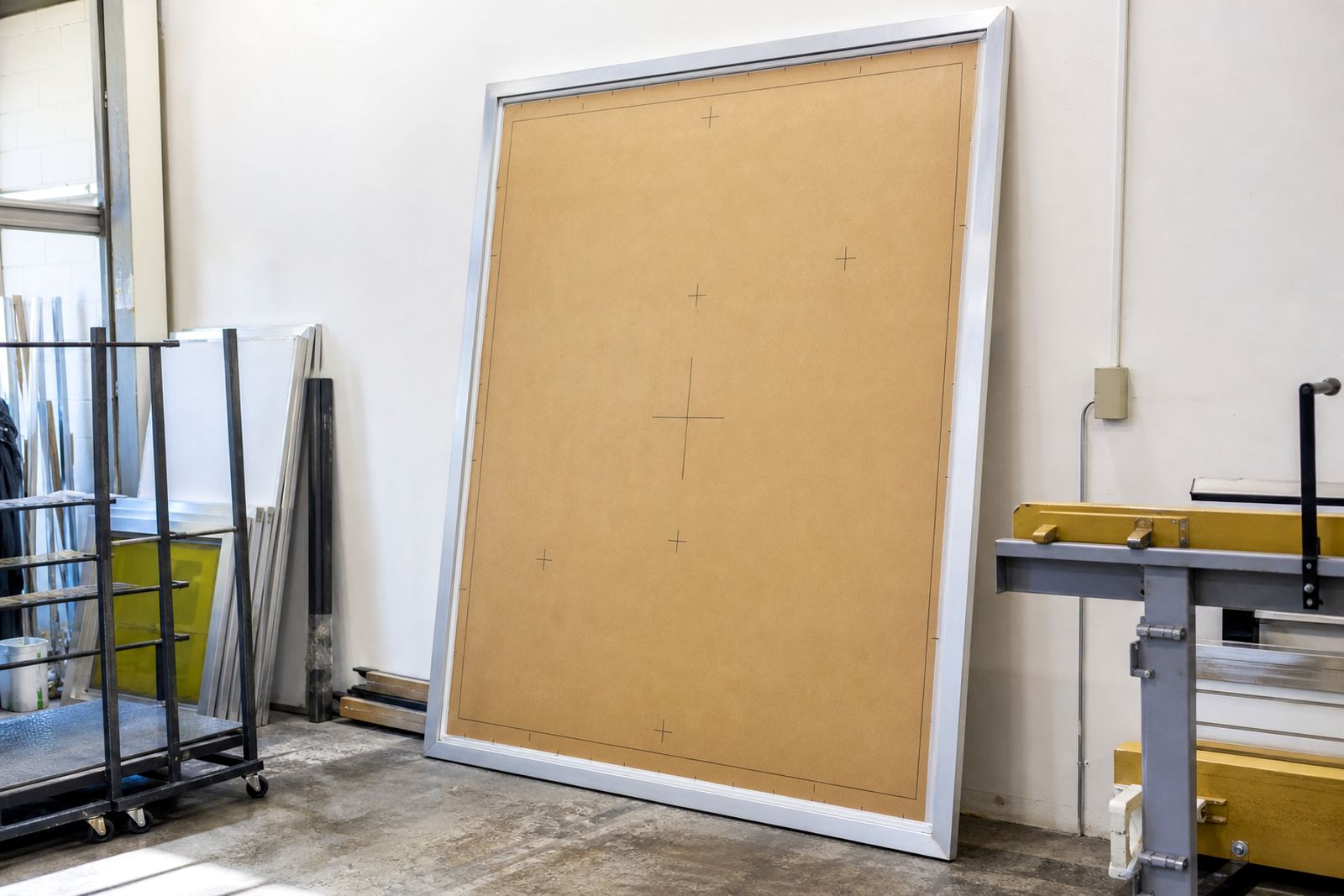
We supply halftone frames in practical workshop sizes, with custom stretching available when a job needs a specific image area or mesh count. Standard sizing is useful for common garment jobs, while custom sizes help when you are working with unique print dimensions, special artwork layouts or existing frame racks that need a matching fit.
Options can be matched to the mesh count and screen use, so you are not forced into a one size fits all setup. For halftone work, the right combination of frame size, mesh and tension can make a real difference to dot sharpness and ink control. If you need a frame for detailed artwork, we can stretch the screen to suit the job rather than leaving you to adapt the art later.
- Custom frame sizes for small to large garment screens
- Mesh selection matched to the artwork and ink type
- New stretching or restretching on existing frames
- Bulk screen orders for busy printrooms and contract work
For printers in Cape Town, Johannesburg, Durban, Pretoria and Gqeberha, delivery and collection options help keep production moving without long delays. Bellville collections and the Paarl supply route are also useful for nearby workshops needing faster turnaround.
Where halftone frames suit the work
Halftone frames are well suited to garment printers who need tighter control over image detail. They are commonly used for fashion labels, promotional T shirts, workwear, branded apparel and mixed colour artwork where the image contains gradients or small tonal shifts. If your print depends on smooth transitions rather than bold solid shapes alone, the screen setup has to support that control.
They are also a practical fit for workshops that print both short runs and reorders. Once a halftone screen has been stretched properly and checked for tension, it becomes easier to repeat the same result on the next batch. That is especially useful when a client asks for consistent branding across different garment sizes or colours.
- Halftone and tonal artwork on cotton garments
- Fashion runs that need consistent fine detail
- Promotional orders with logos, shading and image effects
- Workshops that want cleaner print control on repeat jobs
These frames are also a sound choice for printers working in shared spaces or smaller workshops where every screen has to earn its keep. A frame that stays straight and cleans up properly saves time and reduces waste, which matters when staff are moving between exposure, washout and press work all day.
Installation, setup and power requirements
Halftone frames do not need electricity or gas to operate. They are a manual workshop product used with standard screen printing equipment, so the important part is correct mounting, proper stretching and a clean setup area. If you are buying a stretched frame, it should arrive ready for exposure or for your own final prep, depending on what you order.
When installing a frame into your production flow, check that your screen clamps or printing tables can take the frame size comfortably. The frame should sit level and not flex under normal pressure. If your workshop has limited space, measure your washout area, drying racks and storage rails first so you do not end up with screens that are awkward to handle.
For best results, allow enough room for coating, exposing, reclaiming and drying. In many South African workshops load shedding can interrupt the day, so it helps to keep screen prep simple and easy to resume after a power cut. The frame itself is not affected by outages, but your workflow is better when the screen side of the business is organised and ready.
Care, cleaning and longer service life
Good care starts with regular cleaning after use and careful storage when the screen is not in production. Ink build up, adhesive residue and leftover emulsion can shorten screen life if they are left to harden on the mesh or frame. Aluminium frames are easy to wipe down, but they still need routine attention if you want them to stay square and clean.
Our workshop services include mesh removal, frame cleaning, adhesive application, tension checks and frame inspections. These services are useful when a screen is being reused, repaired or prepared for a new job. A frame that has been checked properly is less likely to give trouble later in the run, and that can save time on the press.
- Rinse and clean screens soon after printing where possible
- Store frames flat or in racking so they do not get knocked
- Check mesh tension before long production runs
- Inspect corners and joints for damage or movement
- Keep frames out of standing water and heavy moisture
Coastal humidity, dust and repeated handling can all affect screen condition over time, so a simple cleaning routine goes a long way. If a frame needs restretching or attention after heavy use, it is usually better to sort it early than wait until print quality drops.
What to check before you place an order
Before ordering a halftone frame, it helps to confirm the finished image size, mesh count, frame dimensions and whether you need new stretching or work on an existing frame. If you are printing detailed halftones, the wrong mesh can soften the image or make the ink deposit too heavy. It is better to match the screen to the artwork at the start than to fight with it on press.
You should also check how the screen will be used in your workshop. A frame for one off sample work may not need the same setup as a frame for repeat production. If you are sending screens between branches or moving them across town, think about handling, storage and transport as well. Our team can assist with pickup and return, and we supply across Cape Town, Johannesburg, Durban, Pretoria and Gqeberha through the enquiry form on our contact page.
- Artwork size and print area
- Mesh count and intended ink type
- Whether you need a new frame or restretching
- Quantity needed for bulk or repeat production
- Delivery area, collection point or turnaround timing
If you are unsure which frame suits your halftone job, ask for guidance before ordering. A proper match from the start helps keep the screen stable, the print cleaner and the work moving without avoidable delays.
Key facts
| Product type | Aluminium screen-printing frame for halftone garment artwork |
|---|---|
| Material | Lightweight aluminium frame construction |
| Use | Fine detail, tonal gradients and controlled garment printing |
| Size options | Standard sizes and custom stretching available |
| Power or gas | None required |
| Service options | New stretching, restretching, cleaning, inspections and pickup or return |