
Built for repeat printing without losing shape
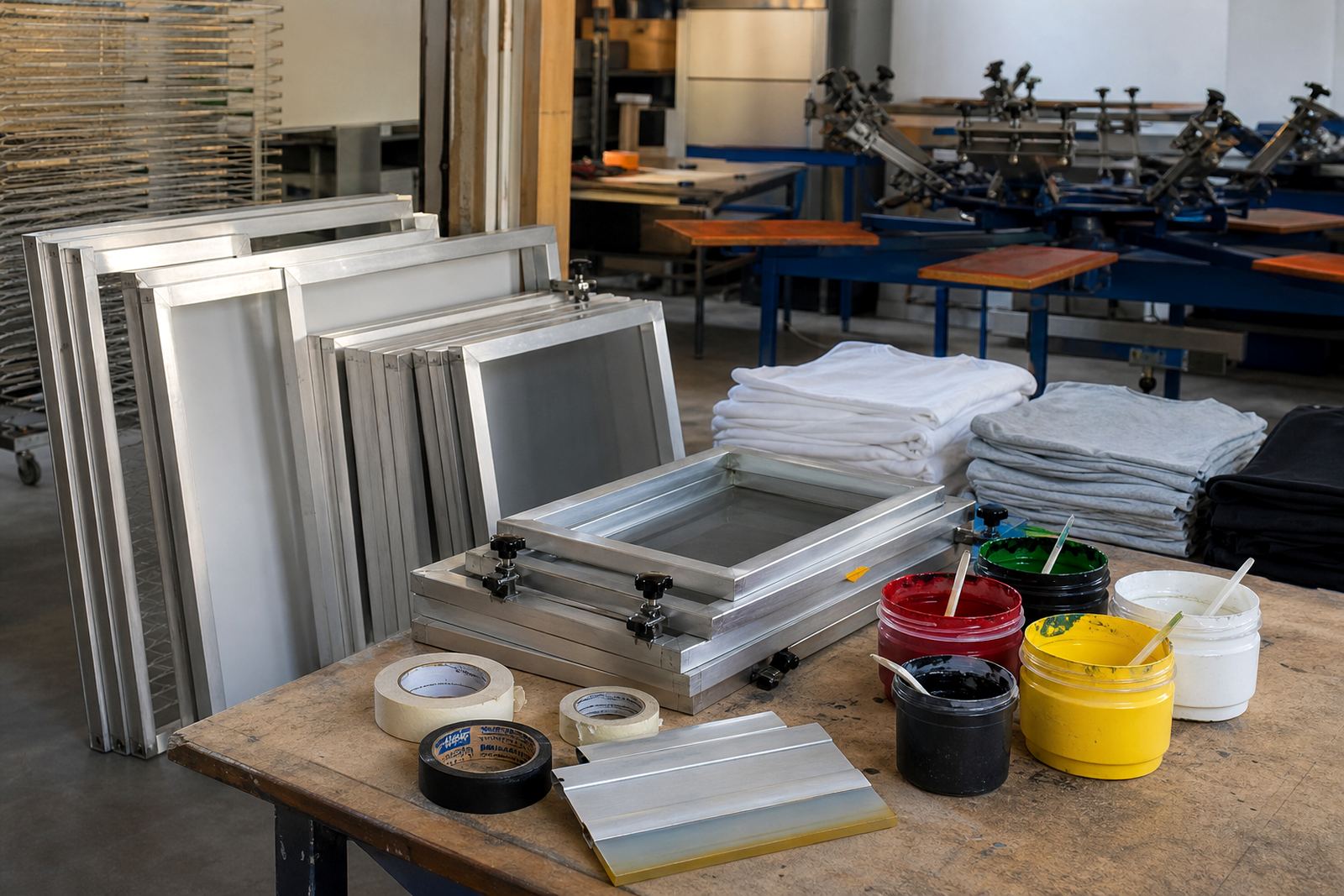
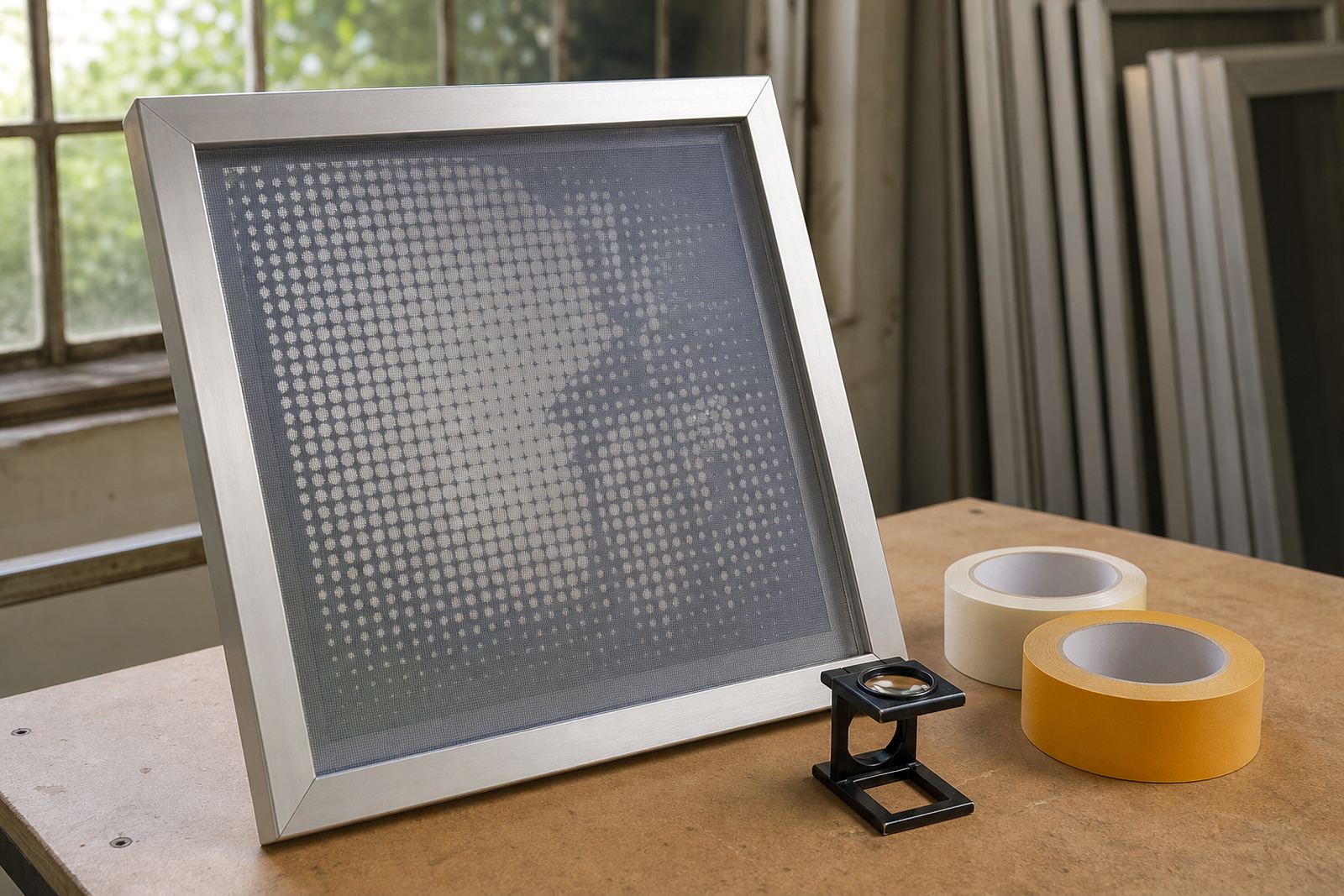
The Long Run Frame is an aluminium screen-printing frame designed for repeated production cycles where the screen has to stay true under regular handling, washing and reclaiming. It is a practical choice for garment printers who run the same artwork again and again and need less movement in the frame corners, fewer tension issues and better consistency across batches.
Because the frame is made for long service life, it suits shops that work with plastisol, water-based and specialty inks on T-shirts, hoodies, workwear and tote bags. The aluminium profile helps keep the frame light enough for daily use, while still giving the strength needed for busy production. In a coastal workshop or a dry inland site, the frame is designed to handle normal shop conditions without fuss.
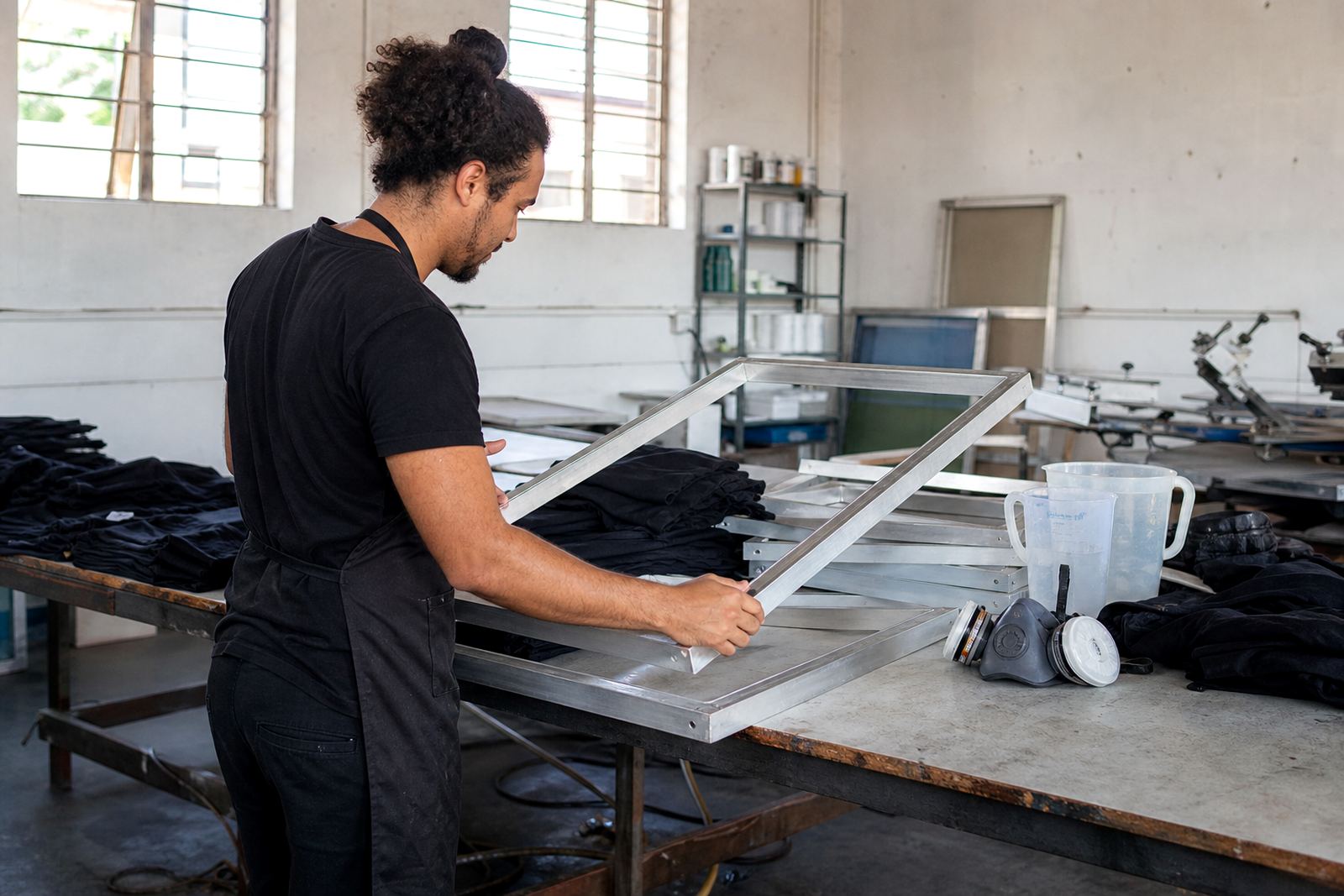
This frame is especially useful where repeated exposure to washout, squeegee pressure and handling can wear lighter frames down. It is a solid option if you are trying to keep registration tight and reduce avoidable re-stretching.
Sizes and custom options for different print runs
Long Run Frames are available in common garment printing sizes and can be made to suit special jobs. The correct size depends on your artwork, press setup and the garments you print most often. A compact frame is easier to handle for smaller runs, while larger frames give better coverage for oversized artwork or multiple images per screen.
Custom sizing is useful when you have specific platens, larger exposure units or repeat jobs that need the same screen dimensions every time. We also supply options for bulk screen orders where a print shop wants matched frames across a full production set.
- Standard garment sizes for everyday print work
- Custom widths and lengths for special press setups
- Frame depth options for light or heavy production use
- Mesh counts matched to your ink and artwork requirements
- Single frames or batch supply for repeat jobs
If you are ordering for a new print room, it helps to measure the internal screen area you need, the platen size and the clearance around your press. That prevents a frame that is too large to handle comfortably or too small for the job at hand.
Where the Long Run Frame suits best
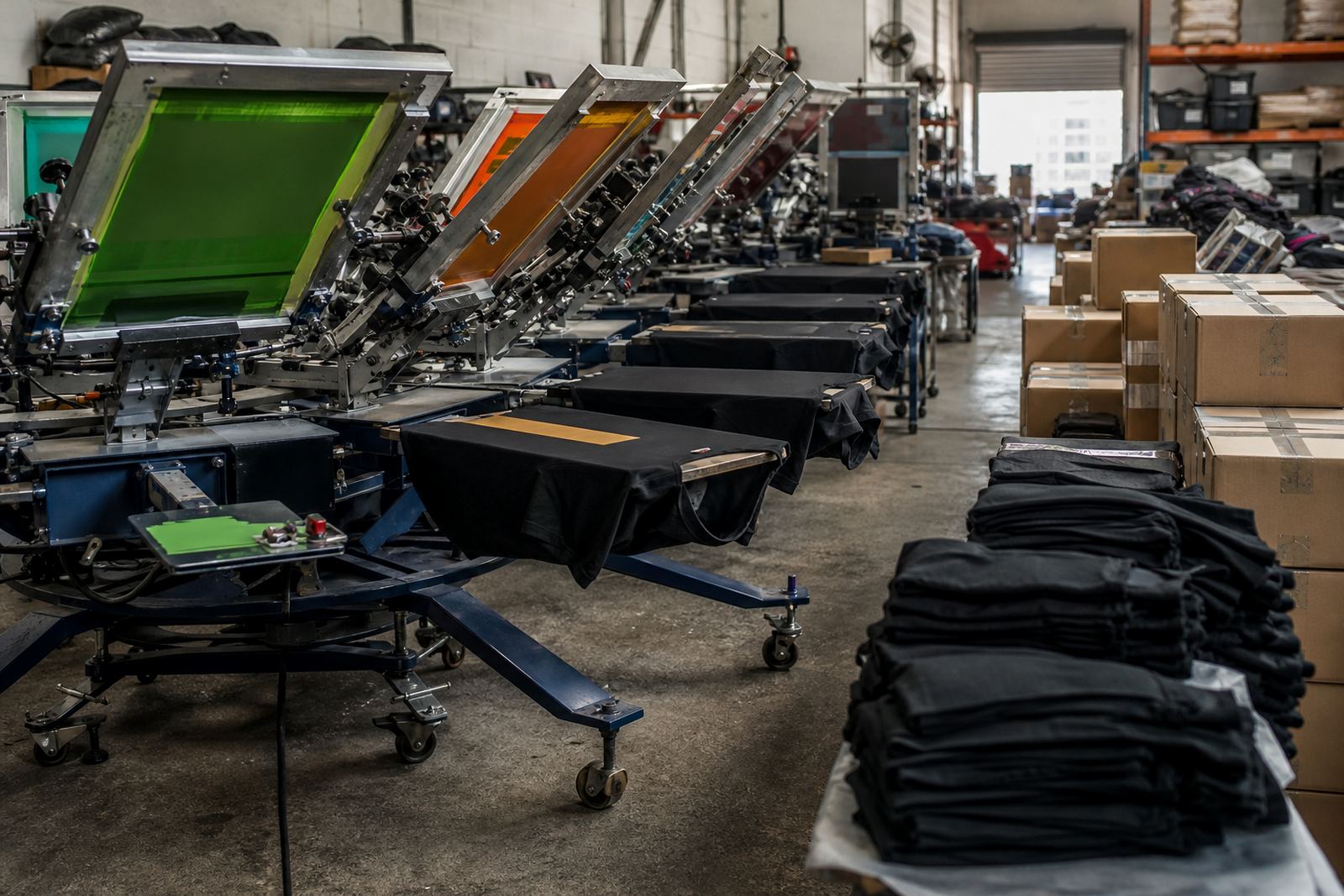
This frame suits garment decorators who want dependable screens for daily production, not just the odd short run. It works well in small studios, established print shops and larger clothing suppliers that need steady output through the week. If your work includes schoolwear, corporate clothing, event T-shirts or repeat branded orders, the Long Run Frame gives you a practical base for clean prints.
It is also a good fit for shops that must keep turnaround times tight. In busy areas like Maitland, Bellville, Paarl and the wider Cape Town supply route, it helps to have frames that can go from stretching to exposure and back into production without unnecessary delays. For out of town orders, the frame is suitable for pickup and return or scheduled delivery to Johannesburg, Durban, Pretoria and Gqeberha.
- High-volume garment printing
- Repeat artwork and reorders
- Workwear and promotional clothing
- Small batch hobby printing where durability matters
- Shops needing stable screens for tighter registration
Installation, setup and power requirements
The Long Run Frame does not need power or gas to function. It is a manual screen-printing frame, so the main requirement is correct stretching, clean bonding and proper handling during setup. Once the mesh is tensioned correctly, the frame can go straight into exposure, printing and reclaiming as part of your normal process.
For best results, the frame should be installed on a clean, level work surface with enough room to inspect corners and edges. If you are adding new mesh, make sure the workshop conditions are controlled as far as possible. Very high heat, damp air or uneven surfaces can affect curing and tension, especially in coastal areas where humidity changes during the day.
There is no electrical load to plan for, which makes the frame useful during load-shedding planning. You can still prepare frames, check mesh and organise your print queue even when power is limited. That said, curing, exposure and washing equipment in the rest of the line may still need back-up planning.
Care, servicing and what keeps the frame working properly
Like any production tool, the Long Run Frame lasts longer when it is cleaned and checked regularly. After use, remove ink build-up, wash out residue and inspect the edges for any signs of lifting or wear. Keep the frame dry before storage where possible, especially in humid coastal conditions where moisture can sit on metal surfaces longer than expected.
We recommend routine checks on tension, corners and adhesive lines if the frame is used every day. If a screen starts losing consistency, it is often better to restretch or service it early rather than push it through another run and risk poor print quality. A small issue now can become a bigger problem across a full production batch, and that costs time.
- Clean frame edges after each production run
- Check tension before long print jobs
- Store flat or upright in a dry area
- Inspect corners after transport or rough handling
- Rework worn screens before they fail in production
Key facts
| Frame material | Aluminium |
|---|---|
| Use | Repeated garment screen-printing production |
| Size options | Standard and custom sizes available |
| Mesh compatibility | Suitable for common garment printing mesh counts |
| Power or gas | None required |
| Typical service | New stretching, restretching, cleaning and inspection |