
Built For Small Artwork And Clear Edges
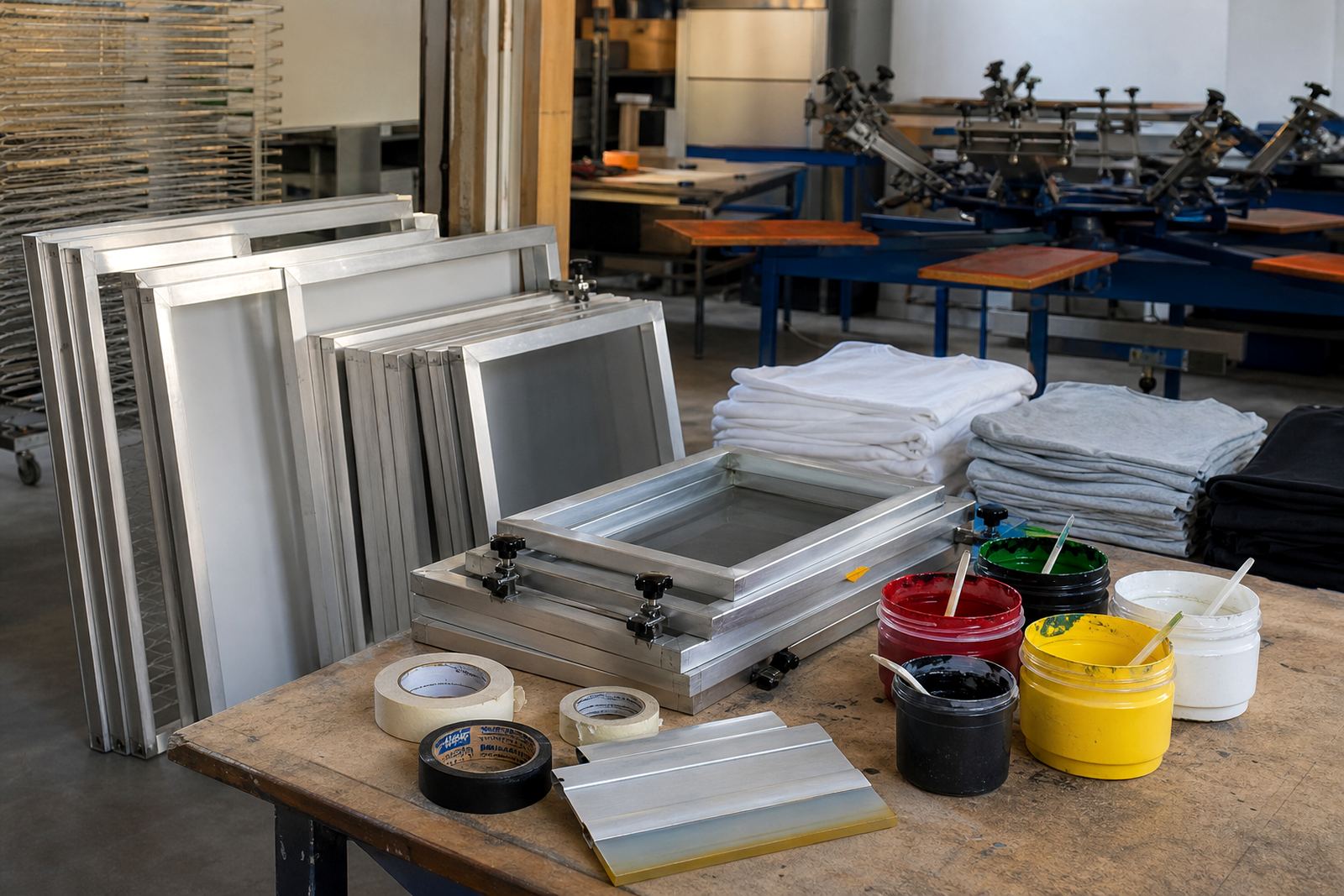
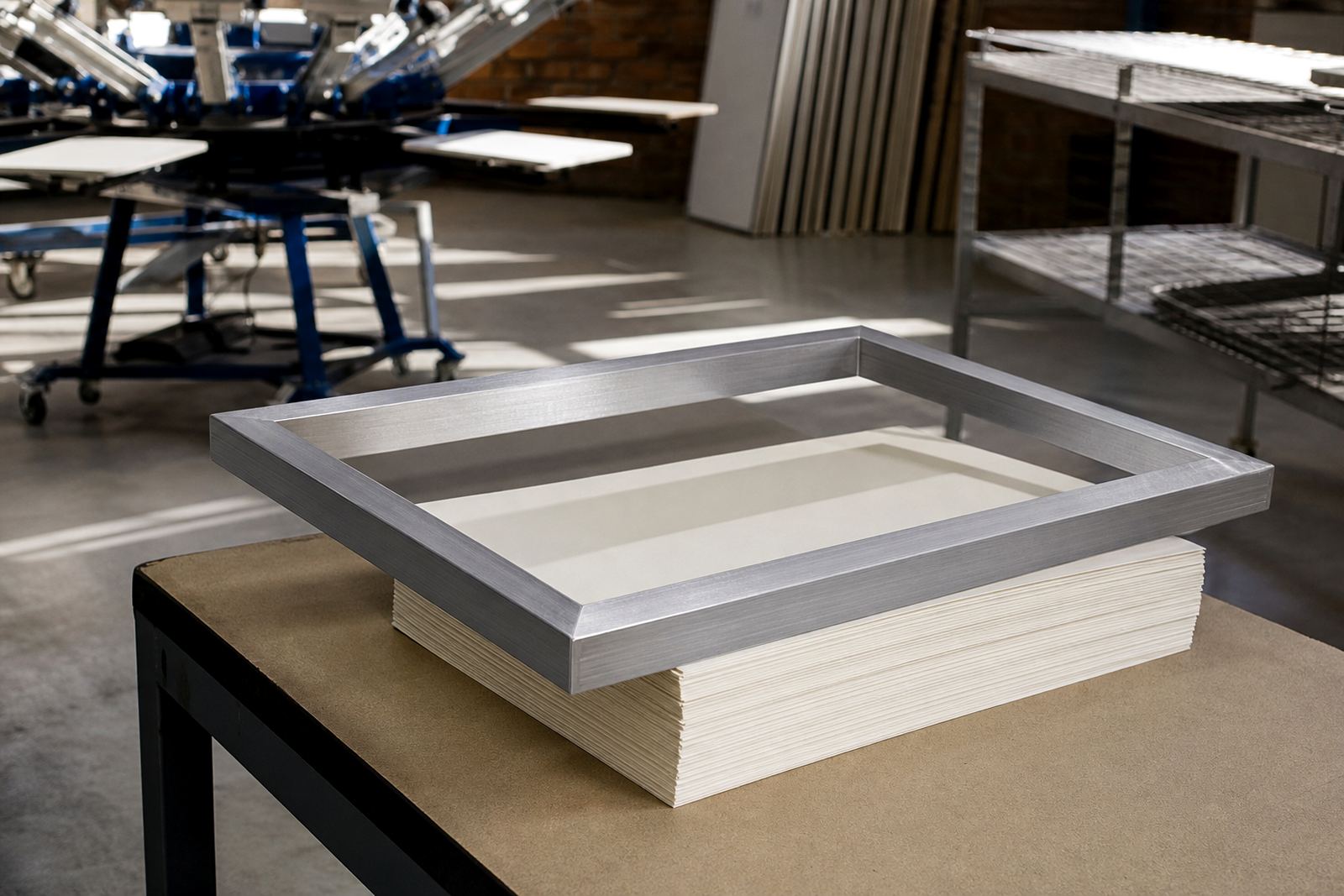
The Fine Detail Frame is a precision aluminium screen-printing frame used for work where image clarity matters more than heavy ink deposit. It is commonly chosen for fine line logos, small chest prints, sleeve marks, labels and detailed artwork that can get muddy on a looser screen. The frame is light enough to handle easily, yet stiff enough to hold tension well for cleaner print results.
For garment printers, that means better control when printing on cotton tees, polycotton workwear and lighter fashion items. The tighter the screen holds its mesh, the easier it is to keep small text legible and lines sharp. This frame is a practical option for shops in Cape Town, Johannesburg, Durban, Pretoria and Gqeberha that need repeatable detail for both short and medium production runs.
It is supplied as a bare aluminium frame, ready for mesh stretching and adhesive application. The finish is designed for workshop use, with good resistance to daily handling and the damp coastal air that can affect untreated materials. It also cleans down well after ink removal and screen wash use, which helps when frames are rotated often.
Size Options And Frame Specifications
Fine Detail Frames are available in common garment printing sizes, as well as custom sizes to suit your artwork and press setup. Standard sizes are often chosen for A4, A3 and larger print areas, while custom cuts work well for special placements, sample runs or larger screens used on multiple platen sizes. If you are setting up a new screen room in Maitland or expanding a print line in Gauteng, sizing the frame correctly saves time later.
- Aluminium construction for low weight and stable handling
- Suitable for fine mesh stretching and detailed garment artwork
- Available in standard and custom frame sizes
- Recommended for small text, line art and cleaner halftone work
- Compatible with new stretching and restretching work
- Easy to clean and inspect between production runs
The exact size you need depends on your artwork size, the press you use and the mesh count you plan to stretch. A frame that is too small can limit your image area, while one that is too large may waste mesh and make handling awkward. We can help match the frame to the job before production starts, which is especially useful for bulk screen orders and urgent turnarounds.
Where The Fine Detail Frame Works Best
This frame suits printers who work with detail that must stay crisp on fabric. It is a strong choice for corporate clothing, school apparel, retail garments, sportswear numbering, and promotional items where a neat finish is expected. It also works well for hobbyists who want cleaner results on smaller runs without moving into heavier industrial equipment.
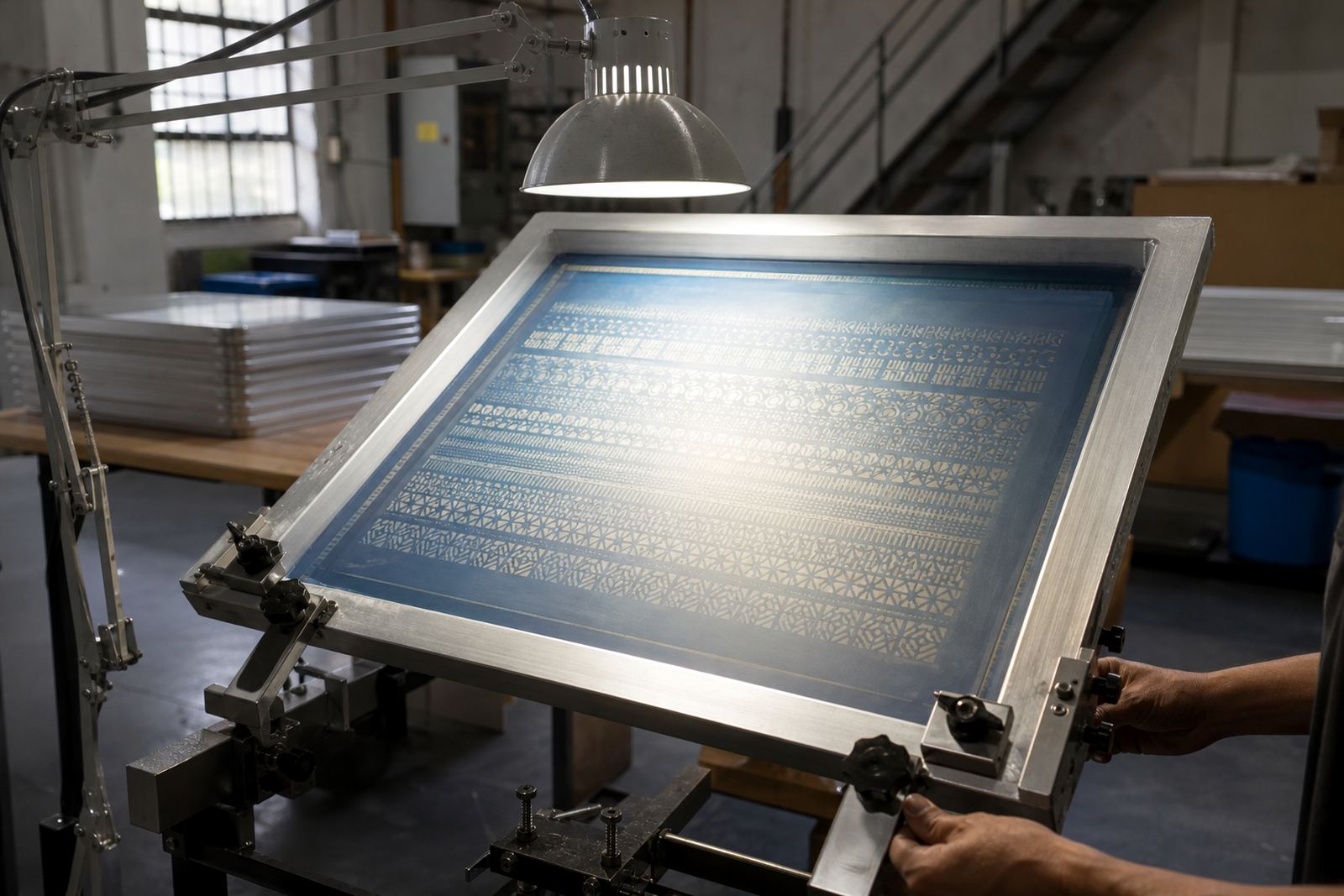
Because it is intended for detail, the Fine Detail Frame is best matched to inks and meshes that support sharp reproduction rather than thick deposits. If your artwork has very fine serif text, thin outlines or tightly spaced elements, a properly stretched fine detail screen can make a clear difference to the final print. It is also useful where registration must be repeated across several colours, because a taut screen is easier to set up accurately.
- Small chest prints and sleeve graphics
- Fine lettering and technical line work
- Lightweight apparel and fashion ranges
- Short production runs with repeat artwork
- Workshop testing and sample approvals
- Bulk garment jobs that need consistent edges
For printers working in coastal areas like Cape Town, Durban or Gqeberha, the frame’s aluminium build is handy where humidity can be a problem. It copes better than many heavier materials when screens are washed, dried and stored regularly. Still, good storage and proper cleaning remain important if you want the screen to keep its tension and stay true.
Installation, Power And Workshop Setup
The Fine Detail Frame does not require power or gas. It is a manual screen frame used in the stretching and printing process, so your main setup needs are a clean workbench, proper stretching equipment, adhesive, mesh and a dry storage area. If you are collecting from Bellville or taking delivery in Pretoria, the frame can be introduced into an existing screen room without special wiring or utility changes.
For best results, the frame should be stretched evenly and checked for alignment before use. A small twist in the frame or uneven tension can show up quickly when printing detailed work. In a busy shop, it helps to keep a consistent setup process so each screen is finished to the same standard. That also makes it easier to swap screens between jobs without constant adjustment.
- No electrical connection required
- No gas or fuel supply needed
- Works with standard screen stretching and coating processes
- Best used in a dry, well-ventilated workshop
- Allow time for adhesive curing before printing
- Check frame square before exposure and production
If your workshop is affected by load-shedding, this frame is still practical because it does not depend on powered operation once the screen has been prepared. You can keep production moving with manual handling, provided your stretching, coating and drying process is organised around the power schedule.
Care, Cleaning And Ongoing Servicing
Like all screen frames, the Fine Detail Frame performs best when it is kept clean and checked often. Ink build-up, dried emulsion and adhesive residue can affect tension and make detailed printing harder than it should be. After use, the frame should be washed down, inspected for edge damage and stored where it will not collect dust or bend under weight.
Our servicing options include frame cleaning, mesh removal, adhesive application, tension checks and frame inspections. These are useful when a screen has been in repeated use and needs to be brought back into proper working order. If the mesh has slackened or the frame has been knocked in transit, restretching may be the better option. That can save money compared with replacing a frame that still has good structure.
- Remove dried ink and emulsion promptly
- Store screens flat or on proper racking
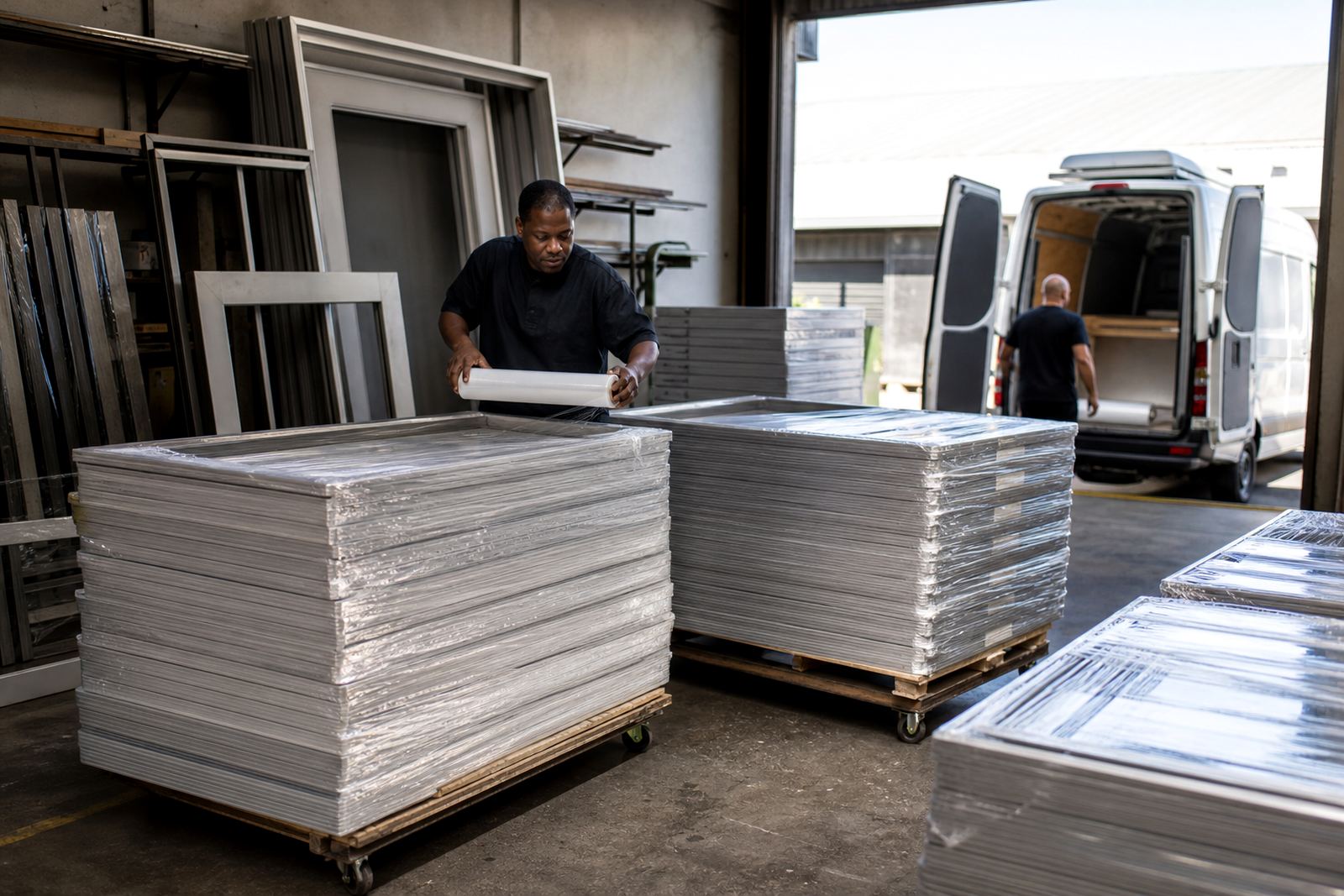
- Avoid heavy stacking that can warp the frame
- Inspect corners and edges after transport
- Check tension before detail jobs and reprints
- Use restretching when the frame remains sound
Regular care is especially important for printers handling urgent work or repeat corporate orders. A frame that stays square and clean will give more reliable results, and it reduces the chance of delays when a job must leave the workshop quickly.
What To Check Before You Order
Before ordering a Fine Detail Frame, check the artwork size, final print area and the mesh count you plan to use. It also helps to know whether the frame is for a new screen, a restretch, or a replacement in an existing set-up. If you are working across multiple branches or sending screens between towns, confirm the handling and pickup plan as well.
We recommend checking the following points before placing your order:
- Artwork dimensions and required print area
- Frame size needed for your press and platens
- Whether the job needs standard or custom sizing
- Mesh type and detail level required
- Whether you need new stretching or restretching
- Delivery, pickup or return arrangements
If you are unsure, send the job details through the enquiry form on our contact page and we can advise on the right frame setup. That is often the quickest way to avoid a mismatch, especially when you are preparing a bulk screen order or trying to meet a tight dispatch date. A proper fit at the start means less rework later, and fewer problems on press.
Key facts
| Product type | Aluminium screen-printing frame for fine detail garment work |
|---|---|
| Material | Lightweight aluminium frame construction |
| Use | Small text, line art, fine graphics and cleaner garment reproduction |
| Sizes | Standard sizes plus custom size stretching options |
| Power or gas | None required |
| Services available | New stretching, restretching, cleaning, inspection and pickup and return |